5 Tips To Construct A Soy Production Industry: Best Guide for Entrepreneurs
The soybean industry plays an important role in American agriculture and manufacturing. Soybeans serve as raw materials for cooking oil, […]
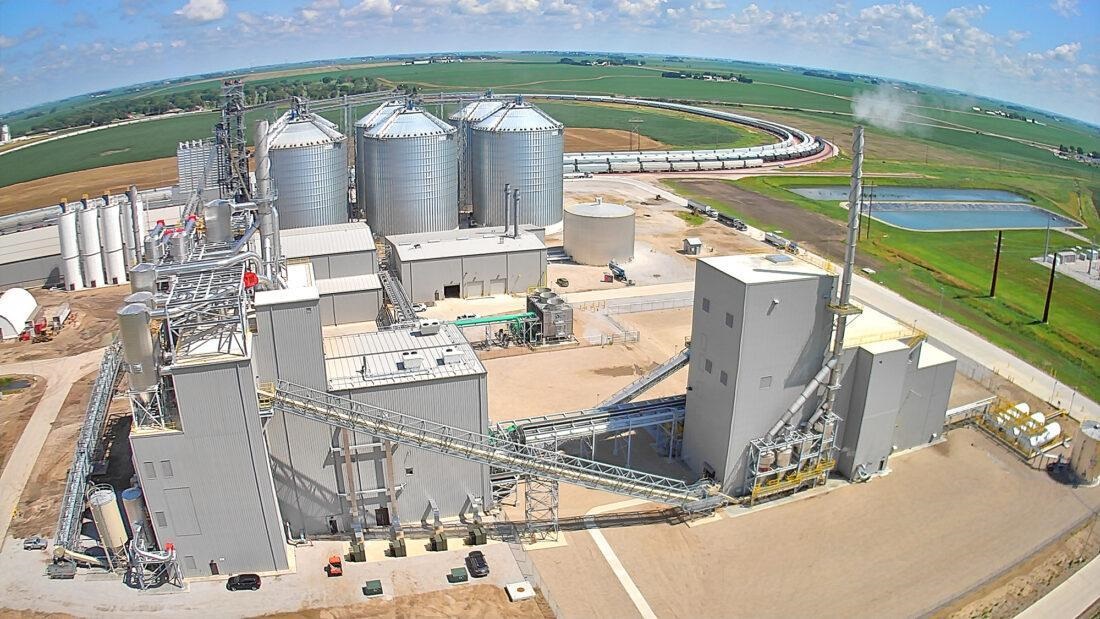
The soybean industry plays an important role in American agriculture and manufacturing. Soybeans serve as raw materials for cooking oil, animal feed, food ingredients, and various industrial products. Their versatility creates opportunities for entrepreneurs interested in agricultural processing and value-added manufacturing.
However, establishing a soybean production facility requires considerably more planning than purchasing machinery and constructing a factory building.
Understanding the 5 tips to construct a soy production industry can help entrepreneurs evaluate business opportunities, select suitable equipment, establish reliable supply chains, and prepare for operating requirements.
A successful processing facility must balance raw material availability, production capacity, product quality, transportation costs, safety standards, and market demand.
The United States is a major soybean-producing country, and its soybean-processing industry transforms harvested beans into products such as soybean oil and soybean meal. According to the U.S. Department of Agriculture, soybean crushing represents a major part of the domestic soybean supply chain. ers.usda.gov
Before beginning construction, business owners must also determine which products they intend to manufacture. A facility producing soybean oil and meal has different requirements from one manufacturing tofu, soy beverages, or other consumer foods.
This guide focuses primarily on soybean oil and meal processing while explaining considerations relevant to other soy-based manufacturing operations.
Understanding the Soy Production Industry
The soy production industry includes several related business activities, from soybean cultivation and raw material trading to industrial processing and finished-product manufacturing.
For entrepreneurs planning a manufacturing facility, soybean processing generally involves converting harvested beans into products with commercial value.
Main Products of Soybean Processing
Common outputs include:
- Soybean oil: Used in cooking oils, food manufacturing, and certain industrial applications.
- Soybean meal: A protein-rich ingredient commonly used in animal feed.
- Soybean hulls: A fiber-containing by-product that may be processed for animal feeding applications.
- Soy-based food ingredients: Products such as soy flour and protein ingredients, which require suitable specialized processing.
The National Oilseed Processors Association (NOPA) describes commercial soybean processing as a sequence involving preparation, extraction, oil handling, and meal production. NOPA
Different product categories require different manufacturing systems and quality controls.
Identifying your intended products is therefore the foundation of the entire project.
1. Conduct Market Research and Develop a Business Plan
The first of the five tips to construct a soy production industry is to evaluate the commercial opportunity before investing in land, construction, or equipment.
A processing plant can require substantial capital, and profitability depends on more than the selling price of finished products.
Identify Your Target Customers
Start by determining who will purchase your output.
A soybean oil producer may supply food manufacturers, commercial distributors, or refining facilities.
Soybean meal processors may sell to feed manufacturers, livestock producers, or agricultural distributors.
Each customer category may require different product specifications, packaging formats, testing records, and delivery arrangements.
Research potential buyers and discuss their purchasing requirements before finalizing production capacity.
Analyze Competition and Market Demand
Investigate existing soybean processors operating within your intended region.
Consider their production capacity, transportation access, product offerings, and customer relationships.
Large processing companies may benefit from substantial economies of scale, making it difficult for smaller facilities to compete on price alone.
A smaller business may need a differentiated strategy, such as serving regional customers or specializing in particular processing methods.
Prepare a Financial Feasibility Study
Your business plan should account for:
- Land acquisition and site development.
- Factory construction and engineering.
- Processing machinery and installation.
- Raw soybean procurement.
- Electricity, water, and fuel.
- Employee wages and training.
- Transportation and storage.
- Insurance and regulatory compliance.
- Maintenance and working capital.
Include conservative revenue forecasts and sensitivity analyses.
For a soybean crushing business, evaluate the combined value of oil and meal relative to soybean acquisition and processing costs.
Do not assume that high soybean demand automatically guarantees a profitable factory.
2. Choose the Right Factory Location and Infrastructure
Factory location is one of the most important factors affecting long-term operating expenses.
A soybean processing facility requires dependable access to raw materials, transportation networks, utilities, and potential customers.
Choosing a site solely because the land is inexpensive may create substantial additional logistics costs.
Locate Near Reliable Soybean Supplies
Consider regions with established soybean production and agricultural transportation infrastructure.
Access to farmers, grain elevators, or commodity suppliers can help reduce transportation complexity.
However, regional soybean availability changes with weather, harvest conditions, and market demand.
Develop relationships with multiple suppliers rather than relying entirely on one source.
Evaluate Transportation Access
A processing facility may receive large quantities of soybeans and dispatch finished products regularly.
Depending on production scale, transportation may involve trucks, railways, or other freight arrangements.
Evaluate road access, vehicle turning areas, loading facilities, and the distance to major customers.
A site with better transportation infrastructure may offer advantages even when acquisition costs are higher.
Plan Utilities and Site Layout
Industrial soybean processing can require significant electrical power, water, heating systems, and specialized equipment infrastructure.
Factory layout should provide appropriate space for raw soybean reception, storage, processing, finished-product handling, maintenance, and administration.
Separate pedestrian routes from heavy vehicle movements wherever practical.
Also consider future expansion requirements.
Before purchasing land, confirm zoning, land-use permissions, utility capacity, drainage, and applicable environmental requirements.
Engage qualified industrial engineers and local permitting professionals before finalizing site development.
3. Select Suitable Soybean Processing Equipment
The third of the five tips to construct a soy production industry involves choosing equipment that matches your production goals and available capital.
Different processing methods can produce different quantities and characteristics of oil and meal.
Understand the Soybean Processing Stages
A conventional soybean oil and meal facility generally involves several operations.
First, soybeans are received, inspected, and cleaned to remove unwanted foreign materials.
Next, beans may be conditioned, cracked, and dehulled.
The prepared material is then processed to facilitate oil extraction.
After extraction, oil and remaining soybean solids undergo appropriate finishing operations.
According to NOPA, large commercial soybean processors commonly use solvent extraction methods to separate soybean oil from the prepared flakes. NOPA
Compare Mechanical and Solvent Extraction
Two general approaches are worth understanding.
Mechanical pressing uses equipment that physically presses oil from prepared soybean material. This may be appropriate for certain smaller or specialized operations, although oil recovery and product characteristics depend on the process.
Solvent extraction uses industrial extraction systems to recover oil more extensively. These systems require substantial engineering, solvent recovery, environmental controls, and specialized safety measures.
Solvent extraction should only be designed and operated by appropriately qualified professionals.
The U.S. Environmental Protection Agency regulates certain hazardous air emissions from applicable vegetable oil solvent-extraction facilities. US EPA
Purchase Machinery Based on Capacity
A processing line may require cleaning equipment, conveyors, dehullers, conditioning systems, extraction machinery, oil handling equipment, and meal-finishing systems.
Additional equipment may be necessary for refining or packaging.
Compare equipment suppliers based on performance specifications, installation support, spare parts, maintenance requirements, and technical training.
Do not purchase a processing machine without confirming how it will integrate with the complete production line.
Poorly matched equipment can create bottlenecks and unnecessary operating expenses.
4. Follow Food Safety, Environmental, and Workplace Regulations
Regulatory compliance is essential when establishing an industrial soybean processing business.
The fourth of the five tips to construct a soy production industry is to incorporate safety and compliance requirements into factory planning from the beginning.
Requirements depend on the products manufactured, equipment used, facility activities, and jurisdiction.
Understand FDA Requirements
Facilities manufacturing, processing, packing, or holding food for human or animal consumption generally must register with the U.S. Food and Drug Administration unless an exemption applies.
The FDA also establishes requirements involving manufacturing practices, food safety, labeling, and applicable preventive controls. FDA
Human food facilities subject to the preventive controls rule generally need a written food safety plan supported by hazard analysis and appropriate risk-based controls.
For animal feed products, FDA’s preventive controls for animal food regulations establish relevant manufacturing and safety requirements. FDA
Soy is also a major food allergen, making allergen controls and accurate labeling especially important for human food products.
Address Industrial Safety Hazards
Soybean handling and processing can create hazards involving equipment, grain storage, combustible dust, and worker movement.
The Occupational Safety and Health Administration (OSHA) identifies combustible grain dust, machinery injuries, falls, and grain-bin engulfment among serious grain-handling hazards. Occupational Safety and Health Administration
Facility design should incorporate appropriate dust management, machinery guarding, emergency procedures, equipment maintenance, and employee training.
Safety requirements must be evaluated by qualified professionals familiar with the equipment and operations involved.
Plan Environmental Compliance
Depending on the process, facilities may require air emissions permits, wastewater approvals, waste management procedures, or other environmental authorizations.
Solvent extraction operations require particular attention to applicable air pollution standards.
EPA’s vegetable oil production regulations address hazardous air pollutants associated with certain solvent-extraction operations. US EPA
Before construction, consult relevant federal, state, and local authorities to identify required approvals.
Avoid assuming that a small production facility automatically qualifies for every regulatory exemption.
5. Build a Reliable Supply Chain and Distribution Network
The final tip involves ensuring the factory can consistently obtain suitable soybeans and sell its finished products.
Even a technically advanced processing plant may struggle if raw materials arrive irregularly or buyers are unavailable.
Establish Raw Material Supply Agreements
Develop relationships with farmers, agricultural cooperatives, grain elevators, and commodity suppliers.
Evaluate supplier reliability, delivery schedules, product quality, and contractual terms.
Incoming soybeans should be assessed according to appropriate quality specifications.
Potential considerations include moisture content, foreign material, damaged beans, and suitability for the intended manufacturing process.
Develop Quality Control Procedures
Quality control should begin when raw materials arrive and continue through processing, storage, and distribution.
Establish appropriate procedures for product identification, traceability, sampling, testing, and recordkeeping.
Testing requirements will depend on the product and identified hazards.
For example, animal feed ingredients may require different controls from refined soybean oil intended for human consumption.
Work with qualified food safety personnel to establish controls consistent with the relevant product category.
Plan Finished-Product Distribution
Determine how soybean oil, meal, and other marketable outputs will be stored and delivered.
Bulk customers may need specific packaging, transport arrangements, quality documents, or delivery schedules.
Develop relationships with potential buyers before the facility begins commercial production.
Long-term sales agreements may provide greater predictability, although pricing and supply obligations must be evaluated carefully.
How Much Does It Cost to Start a Soybean Processing Plant?
The cost of establishing a soybean processing facility varies significantly with production capacity, equipment type, land requirements, and regulatory obligations.
A relatively small mechanical pressing operation will have a different investment profile from a large industrial solvent-extraction plant.
There is no reliable universal startup price that applies to every facility.
Main Investment Categories
| Expense category | What it includes |
|---|---|
| Land and construction | Industrial site, factory buildings, roads, foundations |
| Processing equipment | Cleaning, preparation, extraction, finishing |
| Storage infrastructure | Soybean bins, oil tanks, product storage |
| Utilities | Electrical systems, water, heating, ventilation |
| Compliance | Engineering, permits, testing, safety systems |
| Operating capital | Soybeans, labor, logistics, maintenance |
The total financial requirement should include both capital expenditure and enough working capital to maintain operations.
Obtain detailed engineering estimates and supplier quotations before finalizing your investment budget.
How to Improve Profitability in Soybean Manufacturing
Profitability depends on managing costs, maintaining production efficiency, and establishing reliable demand.
One important consideration is the soybean crush margin, which reflects the value of the oil and meal produced relative to the cost of soybeans.
Actual processing profits also depend on energy, labor, transportation, maintenance, financing, and other expenses.
Focus on Operational Efficiency
Monitor equipment performance, downtime, processing losses, energy consumption, and product quality.
Poor maintenance can reduce efficiency and increase repair costs.
Regular performance reviews can help management identify operational problems before they become expensive.
Make Use of Marketable Co-Products
Soybean processing may produce hulls and other materials with potential commercial applications.
However, the ability to sell these products depends on their quality, processing method, suitability for intended uses, and applicable regulations.
Do not assume every by-product can automatically be sold as food or feed.
Determine whether additional treatment, testing, or regulatory controls are required.
Maintain Flexible Business Planning
Agricultural commodity markets can experience substantial price changes.
A plant that appears profitable under one price scenario may become less competitive when soybean acquisition costs rise or finished-product prices decline.
Financial planning should therefore include alternative market scenarios and contingency reserves.
Common Mistakes to Avoid When Constructing a Soy Production Facility
One common mistake is investing in equipment before completing a comprehensive feasibility study.
Entrepreneurs may underestimate the costs of utilities, transportation, permits, and production downtime.
Another mistake is selecting a location without examining the availability of soybeans throughout the year.
Raw material supply disruptions can affect production schedules and customer commitments.
Poor factory layout is another concern. Inadequate space for storage, maintenance, vehicle access, and material movement can create operational difficulties.
Some businesses also overlook the cost of regulatory compliance.
Food safety requirements, worker protection measures, and environmental controls should be included in the original project budget rather than treated as optional additions.
Finally, avoid beginning construction without a clear strategy for selling finished products.
Establishing potential customer relationships before production starts can reduce commercial uncertainty.
Frequently Asked Questions
What are the five tips to construct a soy production industry?
The five essential tips are conducting market research, choosing the right factory location, selecting suitable processing equipment, meeting regulatory requirements, and establishing reliable supply and distribution networks.
Is soybean processing a profitable business?
Soybean processing can be profitable, but results depend on raw soybean prices, product demand, processing efficiency, operating expenses, and market competition. A detailed financial feasibility study is necessary.
What equipment is needed for soybean oil production?
Equipment may include soybean cleaners, conveyors, conditioning systems, crackers, dehullers, oil extraction machinery, filtration equipment, and storage tanks. The final configuration depends on the production method and scale.
What products can a soybean processing factory manufacture?
Common products include soybean oil, soybean meal, and soybean hulls. Specialized facilities may also manufacture soy flour, soy protein ingredients, and other soy-based products.
What permits are required for a soybean processing facility in the USA?
Requirements may include zoning approvals, construction permits, environmental authorizations, and applicable FDA registrations. Specific requirements depend on the facility’s location, processes, and products.
Is mechanical pressing better than solvent extraction?
Neither method is universally better. Mechanical pressing may suit certain production scales and specialized products, while industrial solvent extraction can provide higher oil recovery. Investment, safety, engineering, and operating requirements differ substantially.
Conclusion
Building a successful soybean processing facility requires careful planning, technical knowledge, and a clear understanding of agricultural manufacturing markets.
Following these 5 tips to construct a soy production industry can help entrepreneurs develop a more organized approach to starting their business.
Begin with detailed market research and realistic financial projections. Choose a factory location with dependable raw material supplies, suitable infrastructure, and access to customers.
Select processing machinery that matches your intended products and production capacity, and incorporate food safety, environmental compliance, and workplace protection into the facility design.
Finally, build strong relationships with suppliers and buyers to support continuous operations.
The soybean industry offers opportunities for businesses that can process agricultural raw materials efficiently and meet customer requirements. However, success is not guaranteed by production capacity alone.
A well-planned facility must combine safe operations, quality management, cost control, and reliable distribution.
With qualified engineering support, appropriate regulatory approvals, and disciplined business management, entrepreneurs can develop a soybean processing operation designed for sustainable long-term performance.

Written by Twastia Editorial Team
Twastia Editorial Team shares practical insights about website design, SEO services, Google Ads, content marketing, social media, conversion rate optimization, and digital marketing strategy.
Last updated: Nov 5, 2026
Related posts from Twastia
Explore more useful articles from twastia.com about digital marketing, SEO, websites, ads, content, and growth strategy.