Unique Decorative Handicrafts for Your Home and Office: Best Ideas to Transform Your Space
Decorating a home or office is about more than filling empty spaces with attractive objects. The accessories you choose can […]
Decorating a home or office is about more than filling empty spaces with attractive objects. The accessories you choose can reflect your personality, introduce warmth, and create an environment that feels welcoming and memorable. While mass-produced decorations are widely available, handmade pieces offer something different: individual craftsmanship, distinctive textures, and artistic character.
Choosing unique decorative handicrafts for your home and office allows you to introduce meaningful details into both personal and professional surroundings.
From hand-carved wooden sculptures and ceramic vases to woven baskets and handcrafted desk accessories, there are countless ways to incorporate artisan products into everyday spaces.
Handicrafts also offer opportunities to appreciate traditional creative techniques and support independent makers. However, not every product advertised as handmade is necessarily created through the same processes, so understanding materials and craftsmanship is important.
Whether you prefer modern minimalism, rustic interiors, traditional decoration, or colorful artistic accents, the right handcrafted pieces can complement your existing furniture without requiring a complete redesign.
This guide explores decorative handicraft ideas, practical styling techniques, and useful shopping considerations for American homes and offices.
Why Choose Handmade Decorative Items?
Handmade decorations bring qualities that are often difficult to reproduce in identical, factory-made products.
Artisans may use carving, pottery, weaving, embroidery, painting, or metalworking techniques to create objects with individual details.
Small differences in color, shape, and texture can become part of a piece’s character.
For example, a hand-thrown ceramic vase may display subtle variations in its glaze, while a handwoven basket may have distinctive fiber patterns.
These variations can make decorative items feel more personal.
Benefits of Decorating With Handicrafts
Thoughtfully selected handicrafts can offer several advantages:
- Introduce interesting textures and materials.
- Add personality to otherwise simple interiors.
- Complement both traditional and contemporary furniture.
- Create focal points on shelves, walls, and desks.
- Provide functional storage with decorative appeal.
- Highlight artistic traditions and craftsmanship.
- Offer distinctive gift options for different occasions.
However, handmade products vary in durability, quality, and maintenance requirements.
Choose items according to their intended use rather than appearance alone.
1. Handmade Ceramic Vases and Pottery
Ceramic handicrafts are versatile decorative accessories suitable for homes and professional environments.
They can feature simple organic shapes, intricate painted designs, textured surfaces, or colorful glazes.
Decorating Living Rooms With Pottery
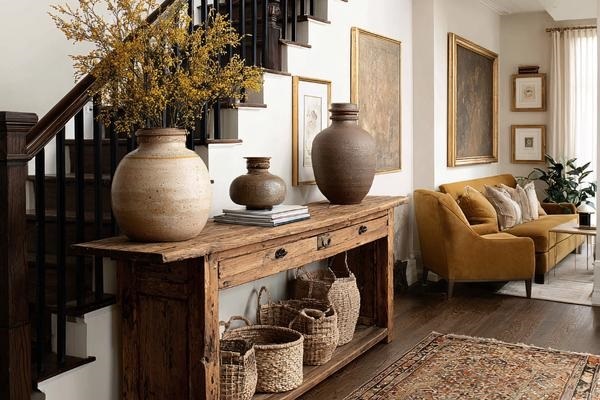
A large handmade vase can serve as a centerpiece on a console table or mantel.
Smaller ceramic pieces work well on floating shelves, coffee tables, and sideboards.
For a contemporary interior, consider pottery in muted white, cream, charcoal, or earthy brown tones.
If your room has neutral furniture, colorful hand-painted ceramics can create an appealing contrast.
Using Ceramics in Offices
A small ceramic planter, pencil holder, or decorative bowl can add warmth to a workspace.
Choose compact designs that do not interfere with equipment or reduce useful desk space.
Before using handmade pottery for water, plants, or food, confirm that the item is intended for that purpose.
Some decorative ceramics are not waterproof or food-safe.
2. Hand-Carved Wooden Decorative Pieces
Wooden handicrafts offer natural beauty and can complement a wide range of decorating styles.
The grain, color, and finish of the wood contribute to each object’s appearance.
Hand-carved bowls, sculptures, decorative boxes, and miniature figures can make attractive additions to both home and office interiors.
Wooden Decorations for the Home
A handcrafted wooden bowl can provide a focal point on a dining table.
Carved wall panels may add detail to an entryway, while decorative wooden boxes can help organize small belongings.
Light-colored woods often complement Scandinavian-inspired and contemporary spaces.
Darker finishes can create contrast in traditional interiors.
Wooden Office Accessories
Handcrafted wooden pen holders, trays, and organizers combine visual appeal with practical function.
A small carved sculpture can also personalize a bookshelf or reception desk.
Avoid placing delicate wooden items near prolonged moisture, strong heat, or direct sunlight unless their finish is suitable for those conditions.
3. Handmade Wall Art and Textile Decorations
Walls provide opportunities to display unique decorative handicrafts without using valuable floor or desk space.
Handwoven textiles, embroidery, macramé, and decorative wall hangings can introduce texture and visual interest.
Macramé and Woven Wall Hangings
Macramé involves knotting cords into decorative patterns.
These pieces often complement bohemian, coastal, and relaxed contemporary interiors.
A large macramé hanging can become a focal point above a sofa or bed.
Smaller pieces may work well in reading corners or home offices.
Embroidered and Fabric Artwork
Hand-embroidered wall art can add color, craftsmanship, and cultural character.
Decorative textile panels may feature geometric patterns, botanical motifs, or traditional designs.
When selecting artwork inspired by specific cultural traditions, consider purchasing from makers who can explain the techniques and origins involved.
Properly acknowledging craftsmanship creates a more meaningful connection with the work.
4. Handwoven Baskets and Natural-Fiber Accessories
Handwoven baskets are among the most practical decorative handicrafts because they combine storage with visual appeal.
Depending on their construction, baskets may be made from materials such as rattan, willow, seagrass, raffia, or other natural fibers.
Creative Home Uses
Decorative baskets can organize blankets, magazines, toys, or everyday accessories.
A large basket beside a sofa may provide convenient storage while adding texture to the room.
Smaller baskets can organize bathroom supplies or display lightweight decorative objects.
Organizing Office Spaces
Handwoven baskets can also provide attractive storage for documents, stationery, or miscellaneous supplies.
However, open-weave baskets may not protect sensitive documents from dust or moisture.
Choose designs appropriate for the objects being stored.
Natural fibers generally benefit from gentle cleaning and protection from prolonged dampness.
5. Handmade Metal Sculptures and Decorative Objects
Metal handicrafts provide another way to introduce artistic details into a room.
Depending on the design, craftspeople may use brass, copper, iron, or other metals to create sculptures, wall hangings, trays, and decorative accessories.
Modern Metal Art for Offices
Abstract metal sculptures can complement contemporary offices, particularly when paired with wooden furniture and neutral colors.
A small piece placed on a bookshelf or reception counter can create a sophisticated focal point.
Avoid oversized objects that obstruct work areas or create clutter.
Traditional Metal Decorations
Handcrafted lanterns, engraved trays, and ornamental metalwork can suit traditional interiors.
Different finishes may create warm, polished, aged, or industrial appearances.
When purchasing metal objects, examine the finish and edges carefully.
Sharp surfaces, unstable bases, or heavy hanging decorations may require additional safety precautions.
6. Hand-Painted Decorative Accessories
Hand-painted handicrafts are especially attractive for people who enjoy color and artistic expression.
These products may include decorative plates, boxes, vases, picture frames, and small furniture accessories.
Adding Color Through Handmade Designs
A brightly painted decorative tray can stand out against neutral furniture.
Likewise, a collection of hand-painted ceramic pieces can bring personality to open shelving.
Consider using a limited color palette to keep the arrangement coordinated.
For example, blue and white accessories may complement a coastal interior, while earthy red and ochre tones can create a warmer atmosphere.
The goal is to highlight the artwork without overwhelming the surrounding space.
7. Unique Handcrafted Desk Accessories
An office should feel organized and professional, but it does not need to appear impersonal.
Unique decorative handicrafts for your home and office can make workspaces more inviting while serving everyday purposes.
Practical Handmade Desk Items
Consider incorporating:
- Wooden pen and pencil holders.
- Handmade ceramic organizers.
- Decorative paperweights.
- Small carved sculptures.
- Artisan trays for stationery.
- Handcrafted picture frames.
- Compact textile-covered storage boxes.
Choose accessories that complement your desk arrangement and leave enough space for essential equipment.
A few carefully selected objects usually create a more organized appearance than numerous unrelated decorations.
8. Handmade Mirrors and Decorative Frames
Mirrors can make a room feel brighter and visually more spacious.
Handcrafted frames introduce additional character through carved wood, woven fibers, or decorative metalwork.
Where to Place Handcrafted Mirrors
A framed mirror can serve as a decorative feature in an entryway, living room, or hallway.
In a home office, a smaller mirror may add visual interest without occupying desk space.
Consider the mirror’s reflection before installation.
Position it where it complements natural light or attractive interior features rather than creating distracting glare.
For larger or heavier mirrors, use suitable wall anchors and installation hardware.
9. Decorative Handicrafts for Different Interior Styles
The best handmade decorations should complement the overall style of your space.
Fortunately, artisan products can work with almost every major interior design approach.
Modern and Minimalist Interiors
Choose simple ceramic vessels, understated wooden sculptures, or abstract wall art.
A restrained color palette helps handmade pieces stand out without competing with surrounding furniture.
Rustic and Farmhouse Interiors
Wooden trays, woven baskets, handmade pottery, and natural-fiber accessories complement warm and traditional decorating schemes.
Combining materials such as wood, linen, and ceramics creates visual variety.
Bohemian Interiors
Macramé, embroidered textiles, colorful pottery, and woven accessories suit relaxed, layered interiors.
Mix patterns thoughtfully while repeating a few colors to create cohesion.
Professional Office Interiors
For offices, prioritize functionality and a coordinated appearance.
A ceramic planter, handcrafted wooden organizer, or small metal sculpture can introduce personality without distracting from work.
How to Choose the Right Handicrafts for Your Space
Selecting decorative handicrafts requires more than finding objects you like.
Consider the size, color, material, purpose, and placement of each piece.
Match Decorations to Room Size
Large sculptures and oversized wall hangings may overwhelm compact rooms.
In smaller spaces, choose fewer pieces with strong visual appeal.
Larger rooms can accommodate substantial artwork or grouped displays.
Balance Color and Texture
Handmade items often feature distinctive patterns and materials.
If your room already contains colorful furniture, neutral handicrafts may provide balance.
In simpler interiors, textured or brightly colored handmade accessories can introduce contrast.
Consider Everyday Practicality
Before purchasing, ask whether the item is easy to clean and appropriate for its intended location.
Fragile ceramics may be unsuitable for narrow, busy walkways.
Heavy wall hangings require secure installation.
Functional handicrafts should also be durable enough for regular use.
Where to Buy Authentic Handmade Decorations
Handmade decor is available through independent craft studios, artisan markets, local galleries, online marketplaces, and specialty home decor shops.
Shopping directly from makers can provide opportunities to learn about their materials, techniques, and design process.
Check Product Descriptions Carefully
Review measurements, photographs, materials, shipping costs, and return policies.
If authenticity matters, ask whether the item was made by hand, assembled from manufactured components, or produced using a combination of techniques.
Also verify country-of-origin claims.
The Federal Trade Commission explains that an unqualified “Made in USA” claim generally means the product is all or virtually all made in the United States. A seller’s U.S. shipping location alone does not establish American manufacture. Consumer Advice
Evaluate Craftsmanship and Price
Handmade pieces can vary considerably in price.
The time required, material quality, complexity, size, and maker’s experience may influence the final cost.
Rather than comparing products only by price, consider their construction, intended use, and the information provided about the maker.
How to Maintain Decorative Handicrafts
Proper care helps preserve the appearance of handmade accessories.
Different materials require different maintenance methods.
Wooden decorations generally benefit from gentle dusting and protection from excessive moisture.
Ceramic items should be cleaned according to their glaze and finish.
Textile wall art may require careful dusting or specialist cleaning, particularly when delicate fibers or dyes are involved.
Metal decorations may need occasional polishing or dry cleaning depending on their surface treatment.
Always follow the maker’s care instructions when available.
Avoid using harsh cleaners on unfamiliar handmade finishes because they may cause discoloration or damage.
Common Decorating Mistakes to Avoid
One common mistake is purchasing too many decorative pieces without considering how they work together.
A crowded shelf can make beautiful handicrafts difficult to appreciate.
Another problem is mixing numerous competing colors and patterns without a clear arrangement.
Avoid placing fragile objects in unstable locations or using decorative items for purposes they were not designed to handle.
Homeowners should also be careful about purchasing supposedly authentic traditional crafts without examining their origin.
Meaningful decorations often come from thoughtful choices rather than the largest possible collection.
Frequently Asked Questions
What are unique decorative handicrafts for your home and office?
They are handmade or artisan-crafted decorative objects such as pottery, wood carvings, woven baskets, textile wall art, metal sculptures, and personalized desk accessories that enhance interior spaces.
Which handicrafts are best for living room decoration?
Handmade ceramic vases, carved wooden bowls, woven baskets, decorative wall hangings, and small sculptures are versatile choices. Select pieces that complement your furniture and room size.
Can handmade handicrafts work in modern offices?
Yes. Minimalist ceramic accessories, wooden organizers, abstract metal artwork, and handcrafted picture frames can complement contemporary professional environments.
Are handcrafted decorations expensive?
Prices vary widely according to materials, size, complexity, and the maker. Smaller handmade items can be affordable, while elaborate artisan pieces may require a higher budget.
How can I tell whether a decorative item is genuinely handmade?
Review the seller’s process, photographs, materials, and maker information. Ask specific questions about construction methods and origin when the product description is unclear.
How do I decorate with handicrafts without making a room look cluttered?
Choose a few focal pieces, maintain space between objects, repeat complementary colors, and combine decorative accessories with practical storage.
Conclusion
Choosing unique decorative handicrafts for your home and office is a creative way to introduce personality, craftsmanship, and distinctive materials into everyday surroundings.
From handmade ceramic pottery and wooden sculptures to woven baskets, embroidered artwork, and decorative desk accessories, artisan pieces can complement almost any interior style.
The key is to select decorations that match your available space, practical needs, and personal preferences.
You do not need to fill every shelf or purchase expensive artwork to create an inviting environment. A carefully chosen vase, a beautifully carved wooden object, or a unique wall hanging can make a meaningful visual difference.
Take time to explore authentic craftsmanship, compare materials, and learn about the makers behind the products.
With thoughtful styling and proper care, handmade decorations can bring lasting character to your home while making professional workspaces feel more welcoming and individual.

Written by Twastia Editorial Team
Twastia Editorial Team shares practical insights about website design, SEO services, Google Ads, content marketing, social media, conversion rate optimization, and digital marketing strategy.
Last updated: Nov 5, 2026
Related posts from Twastia
Explore more useful articles from twastia.com about digital marketing, SEO, websites, ads, content, and growth strategy.