What Are The Benefits Of Online Games For Children?: Best Insights for Parents
Online games are part of everyday childhood for many families. A child might solve a logic puzzle, build an imaginary […]
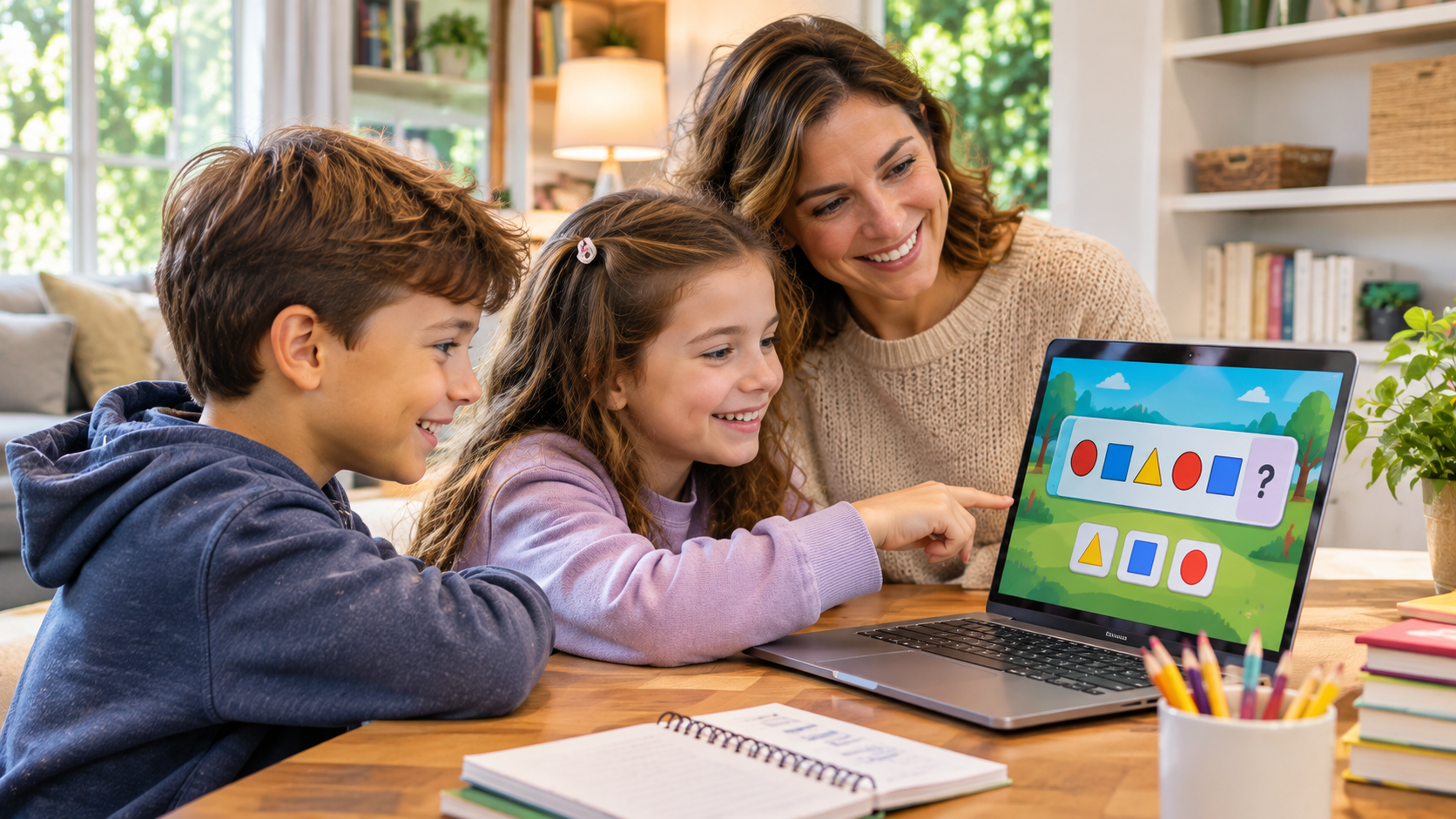
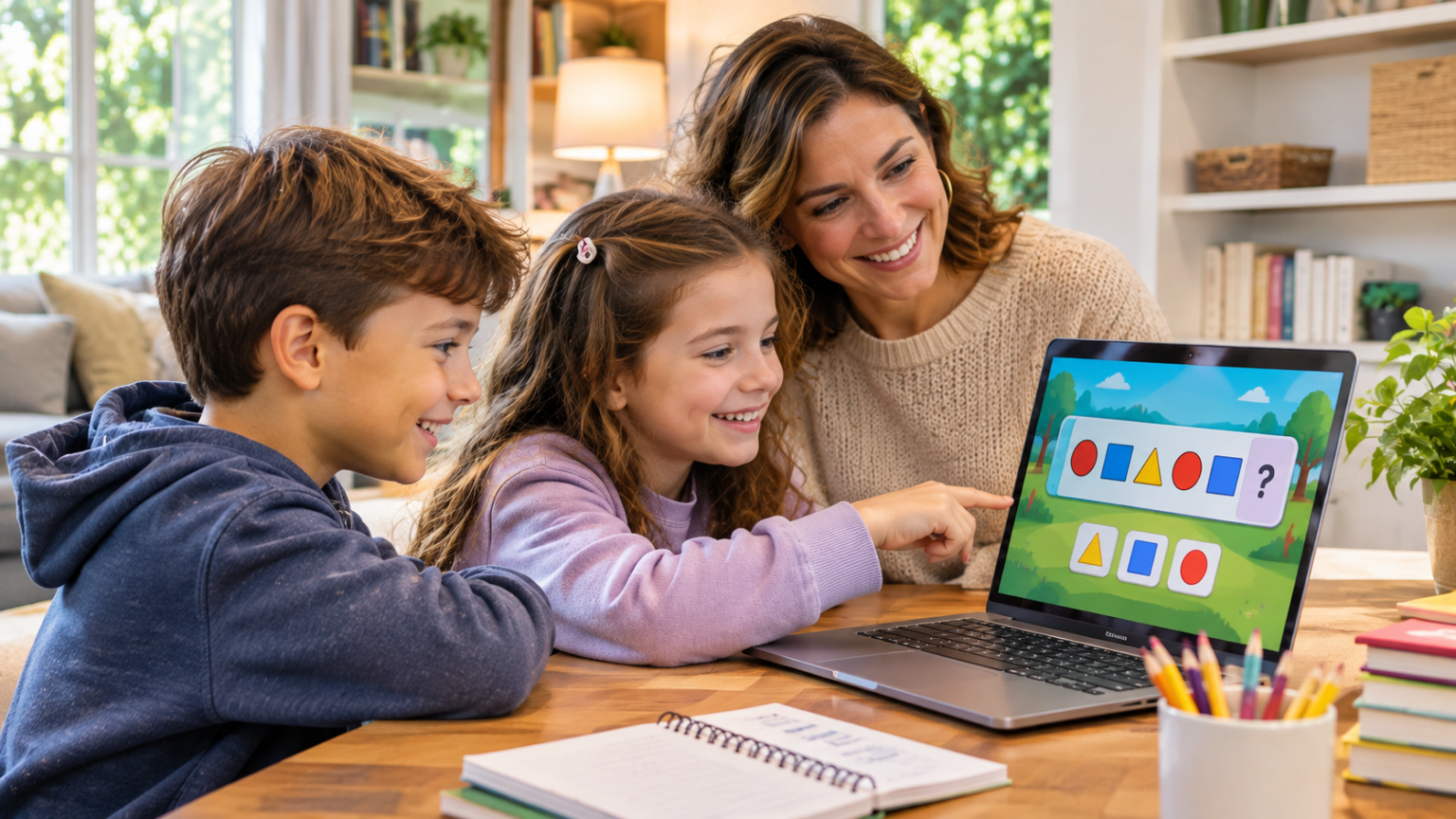
Online games are part of everyday childhood for many families. A child might solve a logic puzzle, build an imaginary town, explore a science topic, or cooperate with friends on a shared challenge. These experiences can be entertaining, but parents naturally want to know whether gaming contributes something valuable beyond amusement.
The question What Are The Benefits Of Online Games For Children? deserves a balanced answer. Certain games provide opportunities to practice reasoning, communication, creativity, and persistence. Whether children actually benefit depends on their ages, the specific game, its design, the people they encounter, and how gaming fits alongside sleep, school, physical activity, and family life.
UNICEF recognizes opportunities for learning, collaboration, friendship, and fun in online gaming while also highlighting potential harms. The American Academy of Pediatrics similarly emphasizes the quality of digital experiences and the importance of protecting children’s broader well-being. The goal is not to label all gaming good or bad, but to help families make informed choices. UNICEF Child Rights and Business+1
1. Building Problem-Solving and Flexible Thinking
Many games present a goal, a set of rules, and obstacles that require players to experiment. A child may need to arrange shapes, plan a route, manage limited resources, or recognize a pattern. If the challenge is appropriately matched to the child’s abilities, it can create a useful opportunity to practice thinking through alternatives.
When parents ask What Are The Benefits Of Online Games For Children?, problem-solving is often one of the first possibilities worth exploring. The key distinction is between actively working through challenges and simply repeating actions to collect rewards. A well-designed puzzle asks the player to examine what happened, adjust an approach, and try again.
Learning Through Meaningful Feedback
Games can make the consequences of decisions visible quickly. If a bridge collapses in a building simulation, a player may revisit the design. If a puzzle remains unsolved, the child can test a different strategy. This feedback can support practice, although improvement within a game does not automatically translate into better performance in unrelated school subjects.
Ask Children to Explain Their Choices
After a session, ask what made a challenge difficult and how they solved it. This short conversation may reveal more about the learning experience than a score on the screen. The strongest answer to What Are The Benefits Of Online Games For Children? considers what the child understands, not just how long they played.
2. Encouraging Creativity and Imagination
Games that invite children to design buildings, invent characters, tell stories, or create music can offer space for personal expression. Open-ended environments allow children to test ideas without needing expensive physical materials. A virtual house can be redesigned repeatedly, and a fictional world can evolve as the child experiments.
Creativity is another meaningful part of What Are The Benefits Of Online Games For Children?. UNICEF’s parenting guidance points to learning and creative expression among the potential positives of video games. The benefit is strongest when children control the creative choices rather than merely follow a prescribed sequence of purchases or rewards. UNICEF Parenting
Connect Virtual Ideas With Everyday Activities
Invite a child to sketch a virtual invention on paper, build a similar model from household materials, or write a short story about a character they created. These activities give digital play a connection to hands-on exploration and make it easier to understand what interests the child.
A parent considering What Are The Benefits Of Online Games For Children? should look for creative tools, opportunities to experiment, and freedom to make age-appropriate decisions. Not every game marketed as educational offers these features. Invite children to describe their creations and ask what they would change next time. That reflection encourages them to articulate ideas rather than treating the finished virtual project as the only achievement.
3. Practicing Teamwork and Communication
Cooperative online games can give children shared tasks: one player gathers information, another coordinates a plan, and everyone must communicate to complete the objective. For friends who live far apart, a carefully supervised multiplayer session can also be a way to spend time together.
Social connection is central to What Are The Benefits Of Online Games For Children?. UNICEF describes gaming as an opportunity to collaborate and build community, but online contact also presents risks. A game with supportive teamwork and private communication among known friends is different from an open public chat where strangers can approach young players.
Model Respectful Online Behavior
Discuss how to share turns, disagree politely, report harassment, and stop a conversation that becomes uncomfortable. Encourage children to tell an adult if another player asks for personal information, requests secrecy, or suggests moving to a separate messaging service.
Choose Safer Ways to Play Together
For younger players, prefer games that allow private groups, restricted chat, or parent-approved contacts. Parents exploring What Are The Benefits Of Online Games For Children? should evaluate communication settings as carefully as the game itself.
4. Supporting Persistence and a Healthy Response to Mistakes
Games often involve setbacks. A difficult level may take several attempts, and a team may need to revise its plan after losing. With supportive guidance, children can practice responding to disappointment without treating every unsuccessful attempt as a personal failure.
One possible answer to What Are The Benefits Of Online Games For Children? is the opportunity to experience manageable challenges. That does not mean frustration is always beneficial. A game designed to provoke endless retries, pressure purchases, or keep children playing past their bedtime may undermine the very skill parents hope to encourage.
Celebrate the Strategy, Not Only the Win
Praise a child for explaining a new approach, taking a sensible break, or showing kindness to another player. If a session ends in tears or anger repeatedly, reconsider the game’s difficulty, social environment, or length. Healthy persistence includes knowing when to stop.
Another way to examine What Are The Benefits Of Online Games For Children? is to notice whether a child returns to a challenge calmly, asks for help appropriately, and accepts a break without feeling that progress has been lost.
5. Making Certain Learning Activities More Engaging
Some age-appropriate games incorporate reading instructions, identifying patterns, estimating quantities, learning vocabulary, or understanding historical and scientific concepts. Interactive tasks can provide practice, especially when the challenge matches a child’s developmental stage and learning goals.
Educational potential matters in What Are The Benefits Of Online Games For Children?, but parents should be cautious about broad claims such as “this game raises intelligence.” Evidence for a specific educational result must relate to the particular game, population, and measured outcome. A game may teach its own content effectively without producing generalized improvements across every subject.
Match the Game to a Real Learning Goal
Choose a literacy game for reading practice, a suitable math puzzle for number concepts, or a simulation for exploring cause and effect. Ask children to describe what they learned and compare that understanding with school materials or real-world examples.
The practical side of What Are The Benefits Of Online Games For Children? is selecting games for a purpose rather than assuming all screen-based entertainment is equally educational.
6. Offering Enjoyment, Relaxation, and Family Connection
Play is valuable in its own right. Children need opportunities for leisure, laughter, and shared interests. A relaxed game with a sibling or parent may create conversation, while a short solo session can offer a pleasant break after schoolwork.
When discussing What Are The Benefits Of Online Games For Children?, enjoyment should not be treated as a trivial outcome. UNICEF recognizes fun, engagement, and connection as meaningful elements of digital play. At the same time, games are not a substitute for emotional support, regular sleep, outdoor activity, or friendships outside a device.
Play Together Occasionally
Invite your child to teach you a game they enjoy. Ask what they like about its characters or challenges, and observe any chat, advertising, or spending features. Shared play can build trust and gives you a better understanding of the experience than monitoring the clock alone.
Asking What Are The Benefits Of Online Games For Children? during a shared session can turn a vague debate into a concrete conversation about enjoyment, learning, and safety.
How to Choose Games That Are Right for Your Child
Age labels are a starting point, not a full safety assessment. Review the content, online features, available purchases, and ability to interact with strangers.
Families researching What Are The Benefits Of Online Games For Children? should also consider whether the game is accessible, whether advertising interrupts play, and whether the publisher provides understandable reporting tools.
In the United States, Entertainment Software Rating Board (ESRB) ratings can help families assess content, while separate interactive elements identify features such as online interaction or purchases.
The most useful interpretation of What Are The Benefits Of Online Games For Children? includes choosing experiences that fit the child’s maturity and interests. Test games yourself when possible, read current privacy and moderation information, and recheck settings after major updates.
| Feature to review | Helpful question |
|---|---|
| Content | Is the theme suitable for the child’s age and sensitivity? |
| Learning and creativity | Does the game offer meaningful choices or practice? |
| Communication | Can strangers message the child or send invitations? |
| Spending | Are purchases, randomized rewards, or subscriptions involved? |
| Privacy | What information does the platform collect or reveal? |
| Stopping points | Can the child finish a session without strong pressure to continue? |
Establish a Healthy and Safe Gaming Routine
A good family gaming plan considers what happens offscreen as well as onscreen. Protect sleep, schoolwork, meals, exercise, and in-person relationships. The American Academy of Pediatrics’ 2026 policy warns that engagement-focused digital design can crowd out these activities and advises families to set boundaries that reflect children’s needs. American Academy of Pediatrics
A responsible approach to What Are The Benefits Of Online Games For Children? avoids treating one universal time limit as appropriate for every child. The type of content, developmental age, behavior after playing, and impact on daily responsibilities all matter. Use predictable starting and stopping times, give advance notice before a session ends, and consider keeping devices out of bedrooms overnight.
Take Privacy, Contact, and Purchase Risks Seriously
Set up child accounts where available, restrict messaging and invitations, and disable unnecessary location sharing. Review purchases and payment access. Teach children never to share passwords, addresses, school information, or photographs with unfamiliar players. Keep reporting and blocking tools accessible, and respond calmly if a child describes an uncomfortable encounter.
UNICEF has documented risks involving exploitation through game communication systems. Such risks do not mean every online game is unsafe, but they make adult involvement and platform safeguards essential. Office of Strategy and Evidence Innocenti
Notice When Gaming Stops Being Healthy
Regular conflict about stopping, lost sleep, skipped activities, concealed spending, or emotional distress may signal that the current arrangement needs to change. Speak with the child about what is happening before assuming the solution is punishment. If difficulties persist or significantly affect daily functioning, seek guidance from a qualified pediatric or mental health professional.
These considerations are part of What Are The Benefits Of Online Games For Children? because a claimed advantage is meaningful only when the overall experience supports the child’s well-being.
Frequently Asked Questions
Can online games improve a child’s problem-solving skills?
Some games provide opportunities to practice planning, pattern recognition, and strategy. Whether those skills carry over to unrelated tasks varies, so avoid assuming every game produces a measurable cognitive benefit.
Are multiplayer games good for social development?
Cooperative games can encourage communication and teamwork, especially among known friends. Public chat, harassment, and unwanted contact can create risks, making privacy controls and supervision important.
What is an appropriate gaming time limit?
There is no single limit suitable for every child. Consider age, game quality, sleep, physical activity, school responsibilities, and the child’s behavior. Make boundaries clear and review them as circumstances change.
How can parents tell whether a game is educational?
Look for age-appropriate learning goals, meaningful challenges, constructive feedback, and opportunities to apply new understanding. Marketing labels alone are not reliable evidence of educational effectiveness.
Should young children play games with strangers?
For younger children, private or restricted play with known contacts is generally a safer option. Review communication tools and teach children how to block and report unwanted contact.
What should parents do if gaming leads to arguments?
Agree on expectations before play begins, provide a clear stopping point, and ask what makes transitions difficult. Review whether the game uses pressure-based rewards or social commitments that make stopping harder.
Conclusion
Online gaming can offer genuine opportunities for children to solve problems, create imaginative worlds, collaborate with friends, and enjoy leisure time. Yet the experience is shaped by the game’s design, the child’s maturity, safety settings, and the place gaming holds within family life.
Ultimately, What Are The Benefits Of Online Games For Children? has a conditional answer: well-chosen and appropriately supported games can be positive parts of childhood, while unsuitable content, unsafe contact, excessive engagement, and spending pressure can outweigh potential gains. Parents can make the biggest difference by staying curious, setting sensible boundaries, and remaining involved in what their children play.

Written by Twastia Editorial Team
Twastia Editorial Team shares practical insights about website design, SEO services, Google Ads, content marketing, social media, conversion rate optimization, and digital marketing strategy.
Last updated: Nov 6, 2026
Related posts from Twastia
Explore more useful articles from twastia.com about digital marketing, SEO, websites, ads, content, and growth strategy.