Important Aspects About Blocked Toilets: Best Causes, Fixes and Prevention Tips
A toilet that refuses to flush properly can quickly disrupt an otherwise ordinary day. Water may rise instead of draining, […]
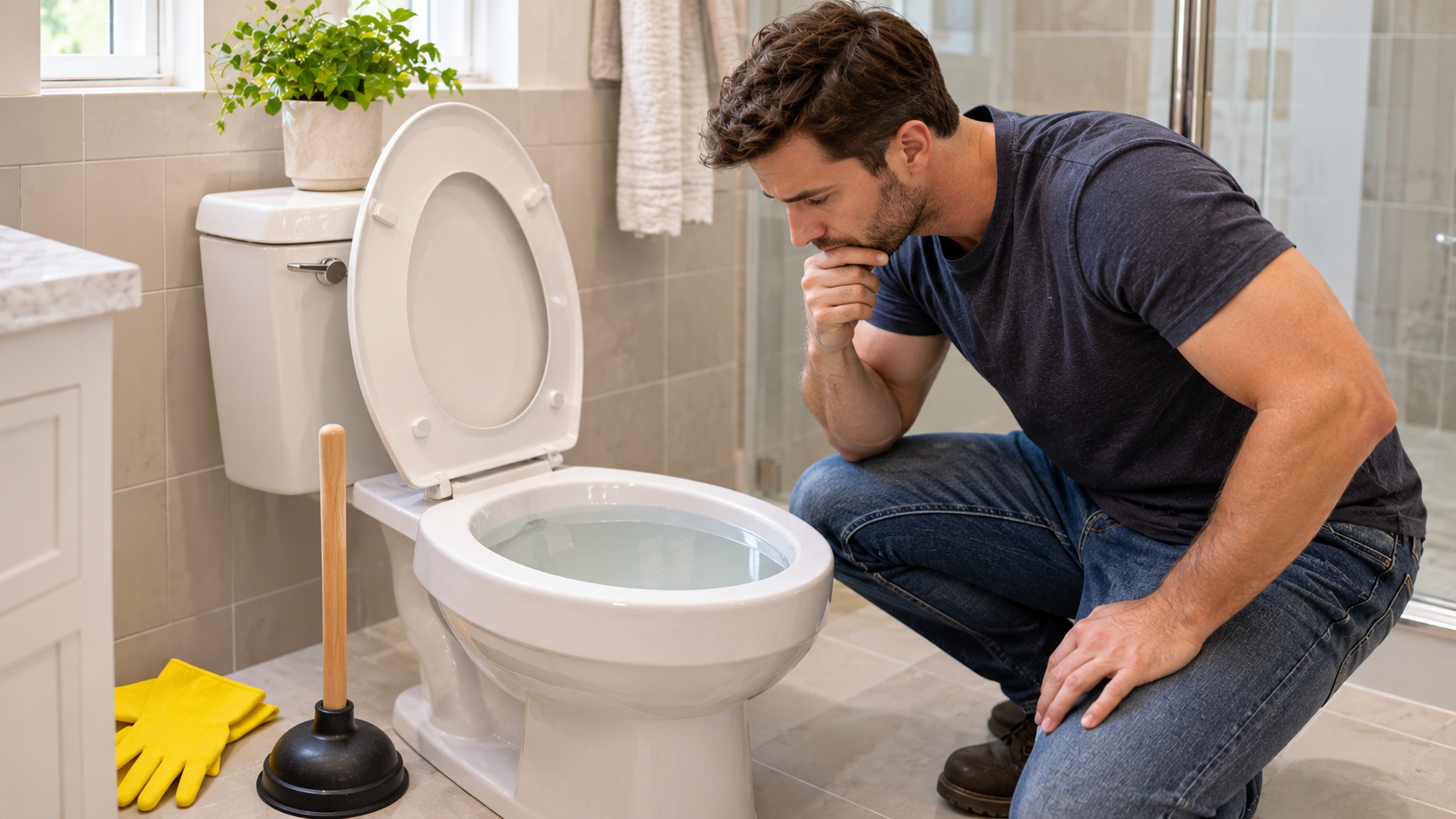
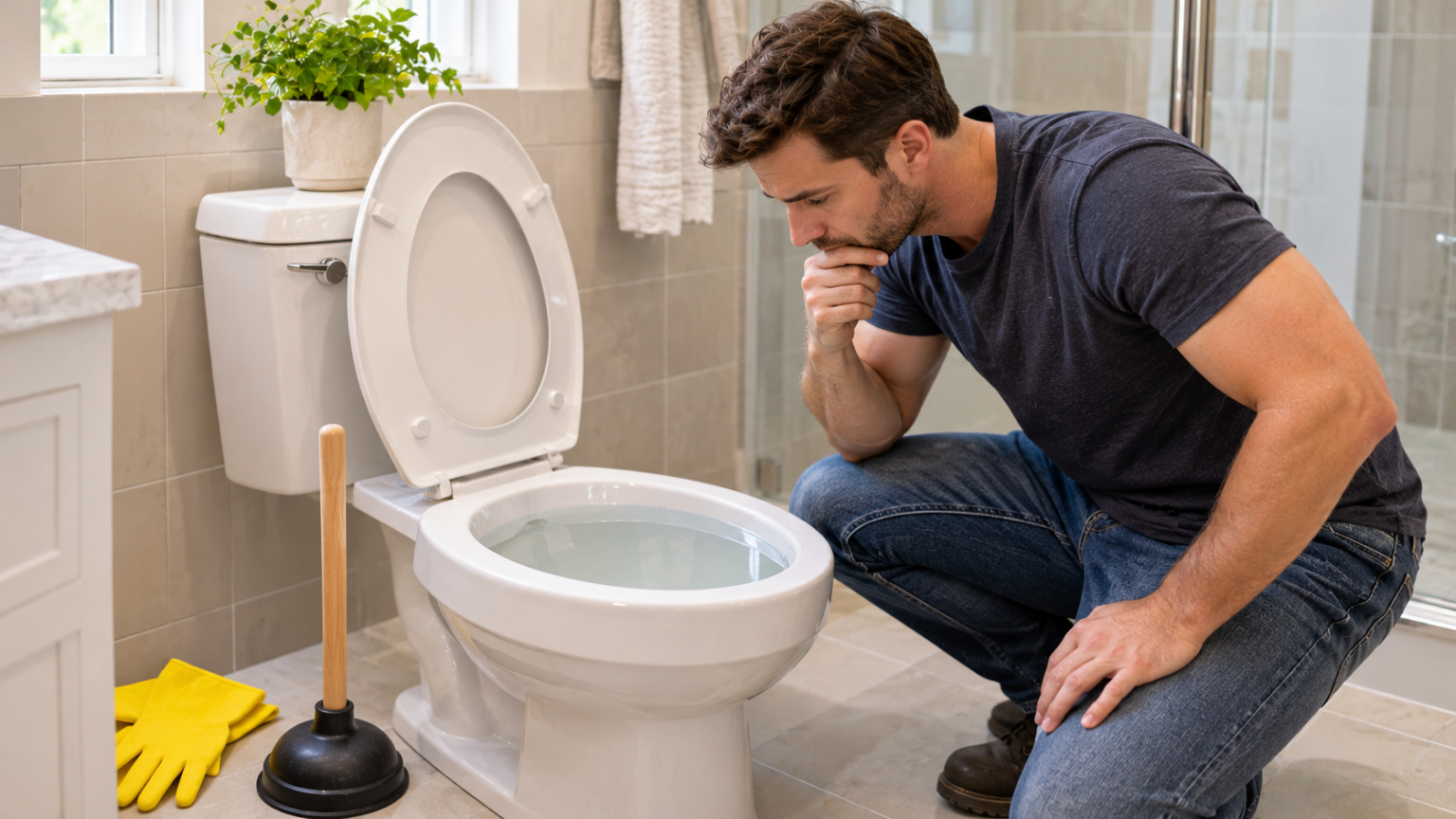
A toilet that refuses to flush properly can quickly disrupt an otherwise ordinary day. Water may rise instead of draining, the bowl may empty slowly, or a familiar gurgling sound may appear after flushing. Sometimes the problem is a simple obstruction close to the toilet. In other cases, the symptom points to a problem farther along the drainage system.
Important Aspects About Blocked Toilets helps homeowners distinguish a manageable clog from a situation that needs professional attention. The safest response depends on where the obstruction may be, whether water is overflowing, and whether other fixtures are affected. Acting calmly can prevent a minor blockage from becoming a bathroom flood.
Understanding Important Aspects About Blocked Toilets also involves prevention. Everyday disposal habits, correct cleaning practices, and attention to early warning signs can reduce avoidable trouble. The guidance below is written for U.S. households, including homes connected to municipal sewers and properties served by septic systems.
1. Recognize the Common Causes of a Clog
Toilets are designed to move human waste and toilet paper through a water-filled trap and into household drainage piping. Objects that do not disperse readily can become lodged in the trap or accumulate farther downstream. Even a toilet that seems to flush an object successfully may develop a blockage later.
One of the central Important Aspects About Blocked Toilets is what people put into the bowl. Wet wipes, paper towels, sanitary products, cotton swabs, dental floss, and similar items belong in a waste bin, not the toilet. Seattle Public Utilities specifically cautions that even wipes marketed as flushable can cause plumbing and sewer problems. seattle.gov
Excess Paper and Foreign Objects
Large amounts of toilet paper flushed at once can create a temporary obstruction, particularly in a toilet with limited flushing performance or an existing restriction. Small toys, cleaning tools, and personal-care products can also become trapped. If you suspect a hard object, repeated plunging may force it into a more difficult position.
Important Aspects About Blocked Toilets therefore includes asking what happened immediately before the slow flush began. A single unusual event suggests a different response from weeks of recurring trouble. Avoid attempting to retrieve an object with your bare hands, and keep children away from contaminated water.
Issues Beyond the Toilet Bowl
Older pipes, settled drainage lines, tree-root intrusion, accumulated deposits, or septic problems can cause recurring symptoms. A home with multiple slow fixtures may have a drainage problem that a plunger cannot reach. The precise cause should be diagnosed rather than assumed.
2. Identify Early Warning Signs
A completely stopped toilet is obvious, but many blockages develop gradually. Water that drains more slowly than usual, a weak or incomplete flush, and repeated clogs deserve attention. Bubbling in nearby fixtures or unusual drainage noises may suggest that air and wastewater are not moving normally through the system.
Among Important Aspects About Blocked Toilets, distinguishing a single-fixture issue from a house-wide problem is especially useful. If a shower or floor drain backs up when the toilet is flushed, stop using affected fixtures and arrange qualified help. Continuing to run water can worsen a developing sewage backup.
Watch the Water Level
When the bowl is unusually full, do not flush again to test whether the clog has disappeared. Flushing adds more water and may cause an overflow. If water is actively rising, remove the toilet tank lid only if it is safe to do so, stop the flush mechanism if possible, and use the toilet’s nearby water shutoff valve if you can operate it without entering contaminated water.
A practical lesson from Important Aspects About Blocked Toilets is to pause before taking action. Protect the floor with towels that can be safely cleaned or discarded, keep people away from a spill, and avoid using electrical equipment near water.
3. Respond Safely to a Minor Blockage
If only one toilet is affected, there is no sewage overflow, and you suspect ordinary waste or paper, a proper toilet plunger is often a reasonable first tool. A flange-style plunger is designed to form a seal at the toilet outlet, unlike a flat sink plunger. Wear waterproof gloves and make sure there is enough water to cover the plunger cup without risking an overflow.
The immediate response in Important Aspects About Blocked Toilets should be controlled, not forceful. Position the plunger to minimize trapped air, make a seal, and use steady strokes. Stop if the water rises or you suspect a solid object is lodged. If the level drops, verify that drainage is normal with a modest amount of clean water before attempting another regular flush.
When a Toilet Auger Might Help
A toilet auger, sometimes called a closet auger, can reach certain obstructions farther inside the toilet trap. Unlike an improvised wire hanger, a suitable auger is made to reduce the risk of scratching porcelain when used correctly. However, misuse can still damage the fixture or worsen the clog.
For Important Aspects About Blocked Toilets, the decision is whether you are comfortable using the equipment according to its instructions. If not, ask a plumber. Never insert sharp objects into the bowl or apply excessive force, particularly when the age and condition of the toilet are unknown.
Avoid Unproven Shortcuts
Boiling water can crack porcelain due to thermal shock, and improvised chemical mixtures can create health hazards. A blockage involving a toy, large object, or shared drainage line is unlikely to disappear because of a household internet trick.
4. Understand Why Chemical Cleaners Can Be Risky
Commercial drain products vary widely. Some are corrosive, and others are not suitable for use in toilets. A chemical left standing in a blocked bowl can expose anyone who later plunges or services the fixture to splashes or fumes. Products must only be used for their labeled purposes and according to their instructions.
An essential part of Important Aspects About Blocked Toilets is never mixing cleaning chemicals. The CDC warns against combining bleach with ammonia or other cleaners. If a chemical product has already been poured into a blocked toilet, tell the plumber before any work begins and do not add another cleaner or use a plunger that could splash the liquid. CDC
Use Hygiene Precautions During Cleanup
Wear appropriate protective gloves, avoid direct contact with wastewater, and wash hands thoroughly afterward. Clean and disinfect contaminated hard surfaces using suitable products according to label instructions. Keep children and pets away from affected areas until cleanup is complete.
Important Aspects About Blocked Toilets becomes a public-health concern when sewage escapes the plumbing system. For a substantial sewage spill, seek appropriate professional cleanup assistance rather than treating it as ordinary bathroom dirt.
5. Know When Professional Plumbing Is Necessary
A plumber is appropriate when plunging does not resolve the clog, the blockage repeatedly returns, the toilet may contain a hard object, or several household drains are affected. Other warning signs include wastewater coming up through a shower or floor drain, sewage odors accompanied by backups, and an overflowing toilet that cannot be contained.
When assessing Important Aspects About Blocked Toilets, do not assume that a plumber simply brings a stronger version of a household tool. A qualified technician may assess fixtures, drain routing, cleanouts, septic equipment, or the main sewer line and choose diagnostic equipment suited to the problem.
What a Plumber May Check
Depending on the symptoms, a professional might use a toilet auger, investigate a cleanout, perform a camera inspection, or evaluate the drainage line. The proposed work should match the actual findings. Ask for an explanation of the likely cause, a written estimate when feasible, and whether restoration or further inspection is needed.
The financial side of Important Aspects About Blocked Toilets matters too. A small accessible obstruction and a damaged buried sewer lateral are very different jobs. Price depends on location, emergency timing, access, and the work required, so blanket cost promises are unreliable.
Stop Using Fixtures During a Backup
If sewage is entering the home, avoid running washing machines, showers, or other fixtures connected to the affected drain. Contact the appropriate utility or plumbing professional for guidance. Keep the area isolated and avoid contact with wastewater.
6. Prevent Repeat Clogs Through Better Habits
The easiest blockages to handle are the ones that never occur. Place a covered waste bin beside each toilet, explain safe disposal habits to household members, and avoid treating the bowl as a general trash chute. Only human waste and toilet paper should be flushed. This is the recommendation of the U.S. Environmental Protection Agency and multiple local wastewater utilities. US EPA
Prevention is one of the most practical Important Aspects About Blocked Toilets because it requires little equipment. Put wipes, menstrual products, paper towels, tissues, diapers, dental floss, cotton products, and cat litter in the appropriate trash, even when a package suggests they can be flushed.
Pay Attention to Changes in Flushing
Do not ignore a toilet that repeatedly needs two or three flushes. It may have a partial obstruction, a water-level or internal fixture issue, or a problem farther downstream. A qualified plumber can distinguish between a poorly performing toilet and a drainage restriction.
Important Aspects About Blocked Toilets also calls for sensible household maintenance. Keep the bathroom clean, check for leaks at the supply connection and toilet base, and repair components that malfunction. These measures do not remove every hidden obstruction, but they help reveal issues before more damage occurs.
7. Remember the Difference Between Sewer and Septic Systems
Most household toilets drain either into a municipal wastewater collection system or into a privately maintained septic system. The immediate symptoms of a blockage can look similar, but responsibilities and long-term maintenance differ. Homeowners on septic systems must pay particular attention to tank condition, drainfield performance, and the amount of water entering the system.
For septic households, Important Aspects About Blocked Toilets includes consulting the EPA’s septic guidance. The agency recommends routine inspections generally every one to three years and pumping commonly every three to five years, with actual frequency depending on tank size, usage, and professional assessment. Excess water use and flushing unsuitable materials can contribute to failures. US EPA
Observe the Whole Property
Unusual wet spots, odors near a drainfield, or multiple slow drains may indicate a larger issue. Do not drive heavy equipment over a drainfield, open a septic tank yourself, or enter any confined wastewater structure. Such spaces can contain deadly gases and require specialized professionals.
The wider lesson from Important Aspects About Blocked Toilets is that a recurring clog may be a symptom, not the full diagnosis. Effective repair depends on understanding the drainage arrangement instead of repeating the same temporary fix.
A Quick Decision Guide for Homeowners
| Symptom | Sensible first response | When to escalate |
|---|---|---|
| One toilet drains slowly | Stop repeat flushing; consider a suitable plunger | If the problem continues or returns |
| A small object was flushed | Avoid forcing it farther down | Contact a plumber if it is not safely retrievable |
| Several fixtures back up | Stop using affected plumbing | Arrange prompt professional diagnosis |
| Wastewater spills onto floors | Isolate the area and prevent exposure | Seek plumbing and appropriate cleanup help |
| Septic-related warning signs | Reduce unnecessary water use | Contact a qualified septic professional |
Use Important Aspects About Blocked Toilets as a guide for initial decisions, not as a substitute for a proper inspection. When water is overflowing or sewage is entering a living space, protecting people and stopping further discharge take priority over attempting DIY repairs.
Frequently Asked Questions
What is the most common reason a toilet becomes blocked?
Common reasons include excess toilet paper and items that should not be flushed, such as wipes or hygiene products. Repeated blockages may indicate another problem in the toilet or connected piping.
Should I keep flushing to clear a clog?
No. Repeated flushing may cause the bowl to overflow. Stop, assess the water level, and use an appropriate method or contact a plumber.
Can a plunger damage the toilet?
Improper or excessive force can cause problems, especially if a hard object is lodged. Use the correct flange-style plunger gently and stop if you suspect damage.
Are products labeled flushable safe for plumbing?
Many wastewater utilities advise against flushing wipes even if labeled flushable. Place them in the trash to reduce the risk of clogs.
Why does my toilet keep clogging after I clear it?
A persistent obstruction, unsuitable flushed materials, fixture performance problems, or a drainage-line issue may be responsible. Repeated clogs deserve professional evaluation.
When is a blocked toilet an emergency?
Treat sewage backing up into living areas, multiple affected fixtures, uncontrollable overflow, and significant contamination as urgent problems. Stop using affected plumbing and get qualified assistance.
Conclusion
A blocked toilet is inconvenient, but the response should be guided by the symptoms rather than panic. Identify whether the problem is limited to one fixture, prevent overflowing water, choose appropriate tools for minor clogs, and avoid hazardous chemical mixtures. If the problem returns or wastewater appears elsewhere in the home, a qualified plumber should investigate.
Ultimately, Important Aspects About Blocked Toilets is about prevention and sound judgment. Flush only human waste and toilet paper, take recurring warning signs seriously, and maintain sewer or septic systems appropriately. These habits reduce avoidable plumbing disruptions and help keep the home cleaner and safer.

Written by Twastia Editorial Team
Twastia Editorial Team shares practical insights about website design, SEO services, Google Ads, content marketing, social media, conversion rate optimization, and digital marketing strategy.
Last updated: Nov 6, 2026
Related posts from Twastia
Explore more useful articles from twastia.com about digital marketing, SEO, websites, ads, content, and growth strategy.