WASHWOW W1: Portable Washing Machine, No Detergent Needed: Best Features and Buying Guide
Laundry is an ordinary household chore, but washing a few garments during travel or in a small apartment can be […]
Laundry is an ordinary household chore, but washing a few garments during travel or in a small apartment can be inconvenient. Traditional washing machines are designed to handle larger loads, while washing delicate clothing by hand requires time, space, and suitable cleaning products.
Compact laundry gadgets attempt to offer another option.
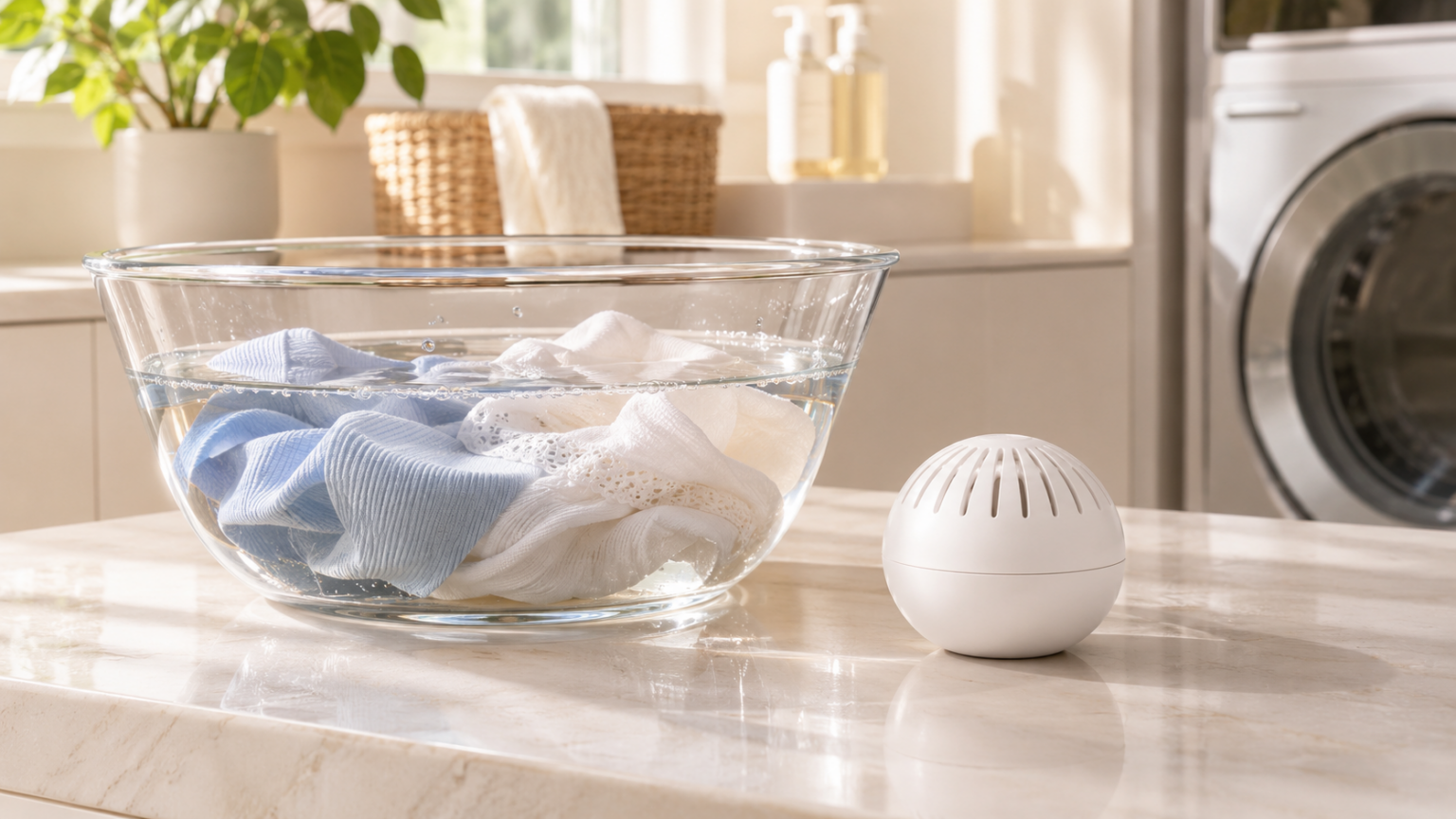
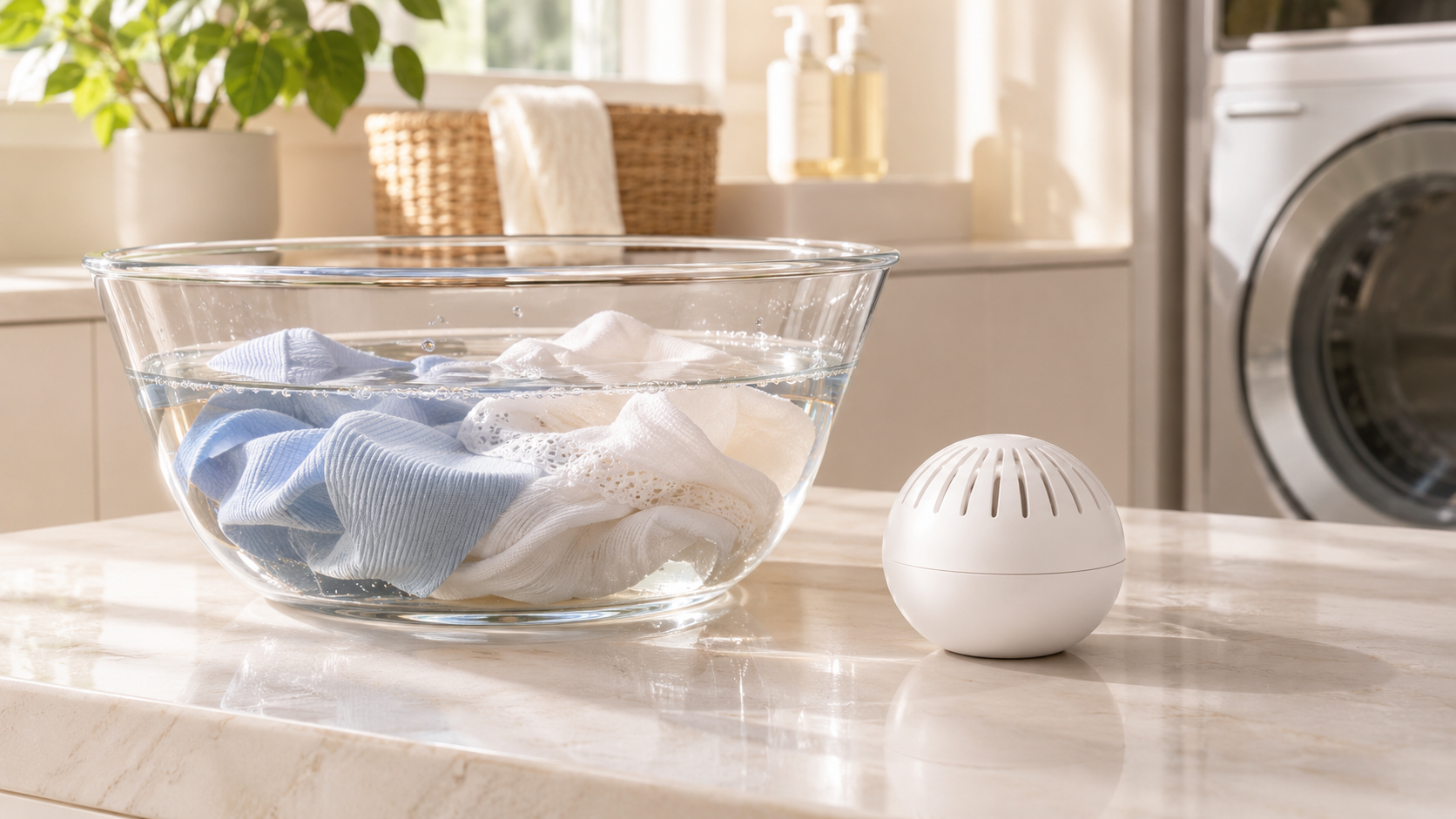
WASHWOW W1: Portable Washing Machine, No Detergent Needed is a rechargeable electronic laundry device designed to operate in water. Rather than tumbling clothing inside a drum, it uses water electrolysis as its proposed cleaning mechanism. The manufacturer markets it for small garments, light laundry, and situations where portability is valuable.
However, the phrase “portable washing machine” needs clarification. WASHWOW W1 is not a miniature version of a conventional washer with agitation, spinning, and drying functions. Its manufacturer explicitly describes it as a complementary product rather than a replacement for a full washing machine. Kickstarter
Understanding WASHWOW W1: Portable Washing Machine, No Detergent Needed involves examining how the technology is intended to work, what its published specifications mean, and whether the detergent-free promise is supported by convincing evidence.
What Exactly Is the WASHWOW W1?
WASHWOW W1 is a compact electronic laundry ball developed by WASHWOW. The product was promoted through crowdfunding in 2022, with an emphasis on portability, rechargeable operation, and washing without conventional laundry detergent.
The device is intended to be placed in a container of water with clothing or used in a compatible washing-machine arrangement, according to manufacturer instructions. It does not mechanically scrub garments or provide a spinning cycle.
The appeal of WASHWOW W1: Portable Washing Machine, No Detergent Needed comes from its unusual format. Unlike a travel washer that requires its own container or folding drum, the W1 relies on a separate basin or conventional washer.
A Product Designed Around Small Loads
The manufacturer recommends a soaking mode for approximately 1 kilogram, or 2.2 pounds, of lightweight laundry. It suggests the device is more suitable for smaller items than for jeans, bulky sweaters, bed linen, or large household loads.
For shoppers investigating WASHWOW W1: Portable Washing Machine, No Detergent Needed, this limitation matters. A compact device can be convenient for occasional clothing care, but it does not perform all the functions people normally expect from a washing machine.
How Does the Water Electrolysis Technology Work?
Electrolysis uses electrical energy to drive chemical reactions in water containing dissolved substances. WASHWOW states that its electrode system creates reactive substances, including active oxygen and hypochlorous acid, which it claims contribute to cleaning.
The underlying chemical process is plausible, but a functioning electrochemical reaction does not automatically prove that a particular consumer device cleans all fabrics effectively.
The technology discussion around WASHWOW W1: Portable Washing Machine, No Detergent Needed should therefore distinguish between the proposed mechanism and demonstrated real-world performance.
What the Manufacturer Claims
WASHWOW markets the product as an alternative to conventional detergent for certain laundry tasks. Promotional materials also describe stain removal, odor reduction, and antimicrobial effects. These claims appear on the company’s crowdfunding and retail pages. Indiegogo+1
Those descriptions should not be interpreted as independent laboratory confirmation of performance against every stain or microorganism.
Why Detergents Remain Important
Conventional detergents contain ingredients designed to help lift and suspend soils, including oils that water alone does not readily remove.
The CDC recommends laundering clothing, towels, and linens with detergent at an appropriate water temperature, followed by complete drying. CDC
That is an important qualification when evaluating WASHWOW W1: Portable Washing Machine, No Detergent Needed. A device that generates reactive substances in water may offer a different cleaning approach, but independent, representative comparative tests are needed before concluding that it consistently replaces ordinary detergent.
Cleaning Is Not the Same as Disinfection
Visible stain removal, odor reduction, sanitization, and disinfection are separate performance outcomes. Scientific evidence for one does not automatically establish the others.
The EPA explains that antimicrobial device claims must be supported and that an EPA establishment number does not mean an agency has approved the product’s safety or effectiveness. US EPA
Key Features and Published Specifications
Several features distinguish W1 from ordinary hand-washing equipment. The manufacturer’s documentation describes a rechargeable battery, water detection, a compact body, and two operating arrangements.
The features advertised for WASHWOW W1: Portable Washing Machine, No Detergent Needed are potentially useful for travelers and people dealing with occasional small loads, but exact specifications should be confirmed against the version being sold.
Rechargeable Design and Battery Operation
The original crowdfunding specifications describe a 5,000 mAh battery, USB Type-C charging, and a battery indicator. The manufacturer states that one charge supports approximately 80 minutes of operation, or four 20-minute sessions. These figures describe advertised performance rather than independently measured battery endurance. Kickstarter+1
Automatic Water Detection
The product is advertised with a sensor that initiates operation when the device is placed in water. This is intended to simplify setup, although the instructions supplied with the actual unit should determine correct operation.
Compact Construction
The W1 is designed to be carried with travel belongings and used without a dedicated laundry appliance. Its protective exterior is marketed as suitable for immersion, but waterproof-rating claims should never be interpreted as permission to immerse charging connectors or use damaged equipment.
A practical review of WASHWOW W1: Portable Washing Machine, No Detergent Needed should focus on usable battery life, ease of cleaning, durability, and whether the device delivers acceptable results on the intended fabrics.
How to Use the Device for Small Laundry Loads
The original WASHWOW instructions describe a simple soaking process. Users select a suitable basin, add a limited quantity of lightweight clothing, fill it with enough water to cover the garments, and operate the device for its recommended cycle.
According to the manufacturer, the default cycle is approximately 20 minutes, after which the clothing must be rinsed, wrung out where appropriate, and dried.
Basic Soaking Procedure
- Read the instructions for the specific product version and check the garment care labels.
- Choose a stable, clean container suitable for the quantity of clothing.
- Add garments and enough water to submerge them as directed.
- Place the charged device in the water according to its operating instructions.
- Allow the manufacturer’s recommended cleaning cycle to finish.
- Rinse the garments as instructed and dry them thoroughly.
The operating instructions for WASHWOW W1: Portable Washing Machine, No Detergent Needed specifically say not to add conventional laundry detergent while using the device. The manufacturer states that detergent can interfere with operation. Kickstarter
Using It With a Conventional Washer
WASHWOW also describes a washing-machine mode. Its original guidance recommends one W1 unit for loads around 2–3 kilograms and two units for 3–5 kilograms.
However, the manufacturer notes that front-loading washing machines typically use less water, which may reduce the device’s proposed effectiveness.
Anyone comparing WASHWOW W1: Portable Washing Machine, No Detergent Needed with a regular washer should remember that a normal washer provides mechanical movement and rinsing functions that the W1 does not independently supply.
Follow Fabric Care Instructions
Do not assume that clothing labeled dry-clean-only, heavily contaminated garments, or specialized textiles can be safely cleaned with the device. Fabric labels and reliable hygiene guidance should take priority over broad product advertising.
Potential Advantages for Everyday Users
Portability is the clearest practical advantage of a device this small. It may appeal to travelers who want to refresh a limited number of garments without packing a dedicated washing machine or finding an external laundry facility.
The possible advantages of WASHWOW W1: Portable Washing Machine, No Detergent Needed include its compact footprint, rechargeable operation, and ability to work in an ordinary basin under the manufacturer’s specified conditions.
Convenient for Travel and Small Apartments
A traveler staying somewhere without laundry facilities may find the device easier to carry than a collapsible electric washer. Apartment residents may also appreciate not needing to store another bulky appliance.
However, water access, a suitable container, and a place to dry clothing are still necessary. Portability alone does not guarantee that the device cleans as effectively as conventional laundering.
Possible Reduction in Detergent Use
If a device delivers satisfactory cleaning for a particular light load without detergent, it could reduce detergent consumption for that use. The actual financial benefit would depend on product price, durability, frequency of use, water consumption, and cleaning effectiveness.
The environmental promise associated with WASHWOW W1: Portable Washing Machine, No Detergent Needed requires similar caution. Less detergent does not automatically mean a lower overall environmental footprint. Device manufacturing, battery life, electrical energy, water use, and disposal must also be considered.
Independent lifecycle comparisons would be needed to establish the scale of any environmental advantage.
Important Limitations Buyers Should Understand
This product has meaningful limitations, some of which the manufacturer acknowledges.
First, W1 does not independently agitate, rinse, spin, or dry clothing. Second, its suggested soaking capacity is small. Third, the manufacturer describes reduced performance in low-water washing-machine arrangements.
These limitations change how consumers should interpret WASHWOW W1: Portable Washing Machine, No Detergent Needed.
Stain Removal Is Not Guaranteed
Heavily soiled workwear, greasy kitchen towels, muddy sports clothing, and set-in stains present different challenges from lightly worn garments.
The manufacturer advertises broad stain-removal capabilities, but I could not establish reliable, independently controlled testing showing that this particular W1 model consistently removes those stains as effectively as a conventional detergent wash.
The U.S. Federal Trade Commission has previously warned consumers about unsupported performance claims for other detergent-replacement laundry gadgets. That warning is not a product-specific test of WASHWOW W1, but it demonstrates why credible comparative evidence matters. GovInfo
Avoid Assuming Medical or Hygiene Benefits
Statements suggesting that a product disinfects laundry, prevents infection, or makes contaminated garments safe need appropriate scientific support.
The question raised by WASHWOW W1: Portable Washing Machine, No Detergent Needed is whether its actual performance meets the user’s cleaning needs, not whether its promotional language sounds technologically advanced.
For laundry soiled with bodily fluids, clothing used during illness, or items requiring reliable hygiene procedures, follow established CDC guidance and applicable care instructions rather than substituting unverified disinfection claims.
Consider Charging and Product Support
Before purchasing, confirm the current warranty, availability of replacement support, electrical certification applicable to your country, return conditions, and whether the seller is authorized.
Crowdfunding specifications do not necessarily establish the features, quality control, or customer service of every retail unit available years later.
How Does It Compare With Conventional Laundry Methods?
W1 belongs in a different category from a full-size washing machine. It is better evaluated as an experimental portable laundry aid than as a substitute for a complete household laundry system.
The table below helps put WASHWOW W1: Portable Washing Machine, No Detergent Needed into perspective.
| Consideration | WASHWOW W1 | Conventional washer | Hand washing |
|---|---|---|---|
| Portability | Highly compact | Usually stationary | No machine required |
| Cleaning method | Water electrolysis | Water, detergent, and mechanical action | Water, cleaner, and manual action |
| Load suitability | Small, lightweight loads | Depends on machine capacity | Small to moderate loads |
| Mechanical agitation | Not provided independently | Yes | Manual |
| Spinning or drying | Not provided | Depends on machine | Manual drying required |
| Effectiveness evidence | Limited independent model-specific evidence found | Established laundering method | Depends on technique and cleaner |
For everyday households, a conventional washer remains the more complete and better-established solution. For travel, careful hand washing is another alternative that requires no specialized rechargeable equipment.
A shopper considering WASHWOW W1: Portable Washing Machine, No Detergent Needed should ask whether the convenience of its small design justifies its cost, particularly when ordinary laundry methods remain available.
Frequently Asked Questions
Does WASHWOW W1 really work without detergent?
The manufacturer designed it to operate without conventional detergent and instructs users not to add detergent. However, independent evidence establishing comparable cleaning performance across different stains and fabrics was not found.
Can it replace a regular washing machine?
No. The manufacturer’s own FAQ states that it is not a full-cycle washing machine and is not suitable for large or bulky loads.
How long does a cleaning cycle take?
The original W1 crowdfunding documentation specifies a default cycle of approximately 20 minutes. Charging time and cycle availability may vary by product version.
Is the device suitable for delicate clothing?
The manufacturer promotes it for lightweight, delicate fabrics. Nevertheless, users should follow the garment’s care label and avoid assuming that every delicate textile is compatible.
Can it disinfect clothing or remove bacteria?
The manufacturer advertises antimicrobial effects, but these should not be treated as independently verified medical or disinfection outcomes. Follow established laundering guidance when hygiene is important.
Is this portable laundry device worth buying?
It may appeal to consumers who value compact design and enjoy trying alternative cleaning technology. The decision should account for limited load capacity, uncertain comparative cleaning performance, price, and available product support.
Conclusion
Compact laundry gadgets offer an interesting alternative for people with limited space or occasional travel needs. WASHWOW W1 combines rechargeable operation with a water electrolysis approach and a design intended for small amounts of laundry.
However, WASHWOW W1: Portable Washing Machine, No Detergent Needed should be understood as a specialized laundry aid, not a proven replacement for conventional washing. The manufacturer’s claims about detergent-free cleaning, stain removal, and antimicrobial performance deserve careful scrutiny until convincing independent testing is available.
For consumers, the best decision is to match the device’s documented limitations with the intended use, check current product support, and maintain established laundering practices where cleanliness and hygiene are essential.

Written by Twastia Editorial Team
Twastia Editorial Team shares practical insights about website design, SEO services, Google Ads, content marketing, social media, conversion rate optimization, and digital marketing strategy.
Last updated: Nov 6, 2026
Related posts from Twastia
Explore more useful articles from twastia.com about digital marketing, SEO, websites, ads, content, and growth strategy.