Why your Washing Machine Keeps Overflowing and How to Fix It: Best Solutions
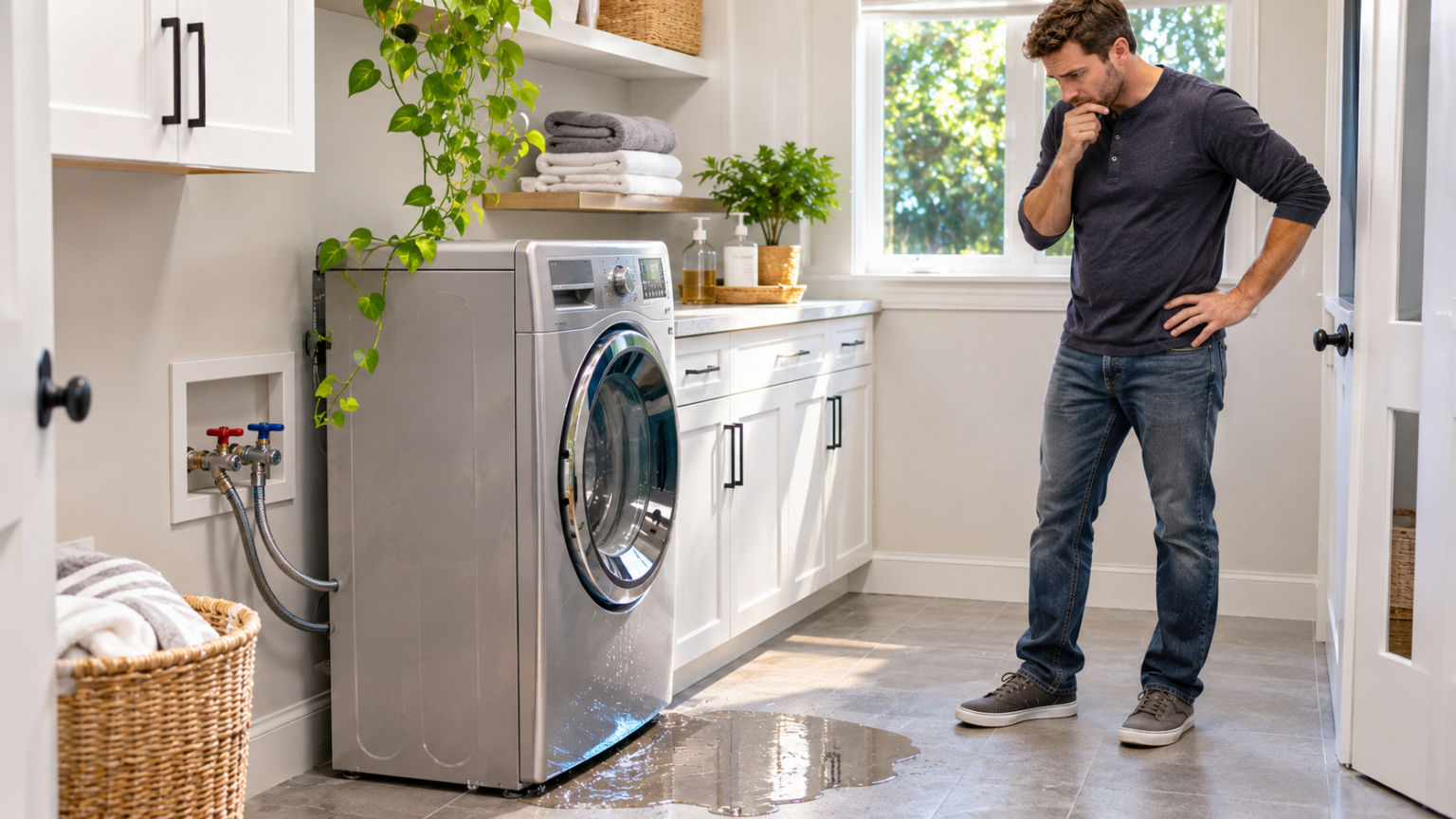
A puddle beneath the washing machine is alarming. Yet overflow can describe different problems. The drum might keep filling, the […]
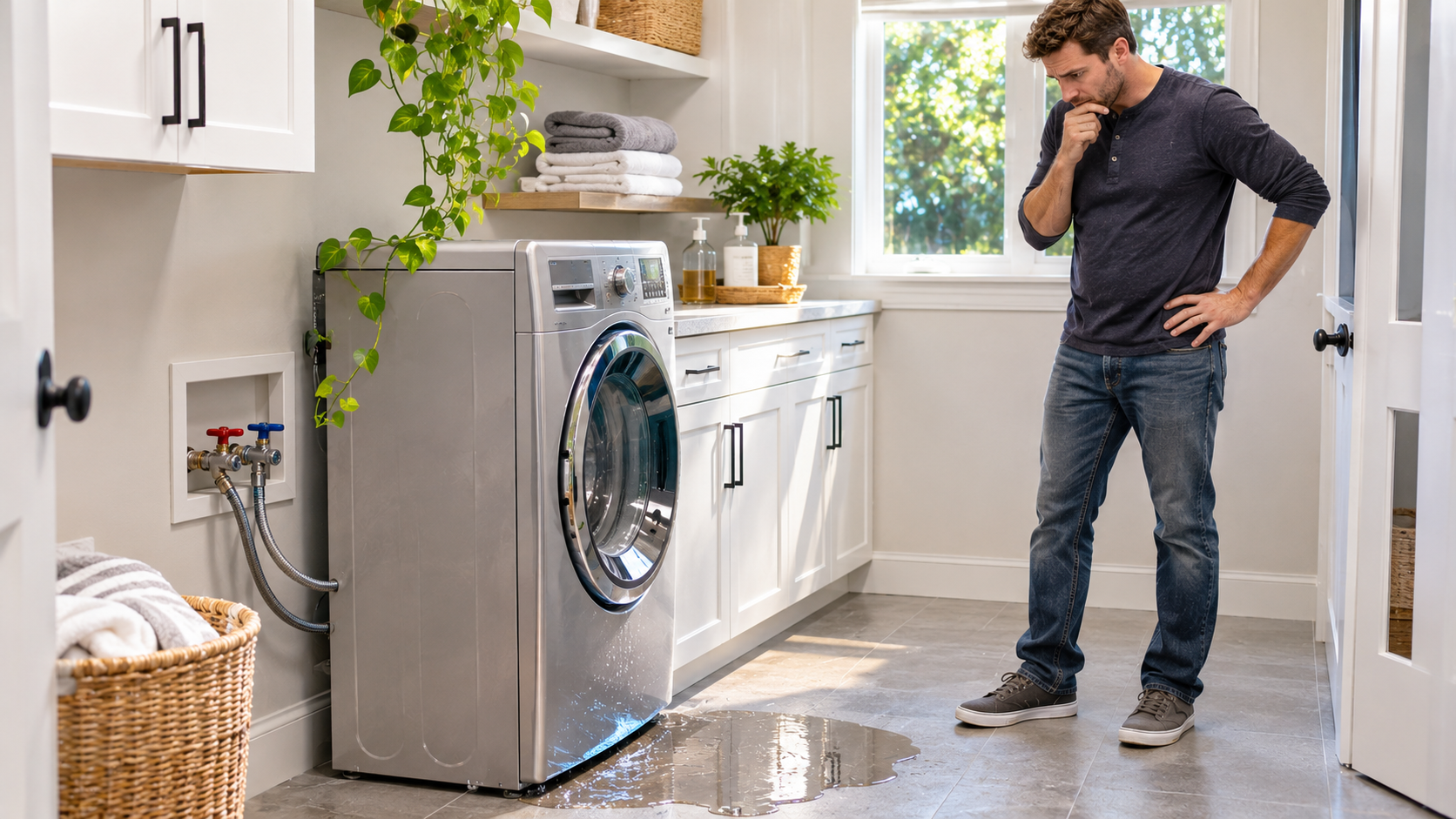
A puddle beneath the washing machine is alarming. Yet overflow can describe different problems. The drum might keep filling, the standpipe might spill during draining, or foam and water might escape around a door or dispenser. Each situation has different causes and fixes.
Why your Washing Machine Keeps Overflowing and How to Fix It starts with identifying where the water originates. That observation helps you describe the problem to a technician and decide when to stop using the machine.
This guide to Why your Washing Machine Keeps Overflowing and How to Fix It focuses on U.S. household washers, including top-load and front-load designs. Manufacturer instructions for the exact model always take priority over general advice. Because laundry rooms combine electricity and water, personal safety comes before completing a wash cycle.
What to Do Immediately When Water Escapes
If the washer begins flooding the room, stop the cycle if the controls are accessible from a dry position. Shut the hot and cold supply valves if you can reach them safely, and keep children and pets away. Never stand in water to unplug the machine or touch electrical equipment. If electrical components or outlets are wet, stay clear and arrange for the power to be isolated by an appropriately qualified person.
The first lesson of Why your Washing Machine Keeps Overflowing and How to Fix It is to prevent more water entering before attempting a diagnosis. If the supply valves cannot be safely operated, contact emergency plumbing assistance or the building manager. Once the area is safe, document where the leak appeared and arrange prompt cleanup and drying to limit damage.
Identify the Source Before Restarting
Look without reaching behind an energized appliance. Was water rising inside the tub during filling? Was it gushing from the open drain standpipe during the pump-out stage? Did bubbles spread from the detergent drawer? Or was a hose visibly leaking? These clues narrow the possibilities, but they are not proof of a particular component failure.
1. A Water Inlet Valve That Does Not Close
A washer’s inlet valve regulates water entering through the supply hoses. If the valve sticks open or fails internally, water may continue flowing even after the appliance has reached its intended level. This can cause the tub to overfill or slowly accumulate water while the washer is idle.
A major point in Why your Washing Machine Keeps Overflowing and How to Fix It is that continuous filling is different from an external hose leak. A technician may use controlled tests to distinguish a mechanically stuck valve from a valve that is incorrectly receiving an electrical command.
Bosch identifies the inlet valve as a possible cause of overfilling and recommends qualified repair rather than homeowner disassembly. Bosch UK
Signs of a Possible Inlet Problem
Watch for water entering the drum when the machine should be stopped, unexpected filling between cycles, or a water level that keeps increasing. Shut the supply taps and stop using the appliance. Do not remove panels or probe electrical valve terminals; repair work can involve mains voltage and pressurized water.
Why your Washing Machine Keeps Overflowing and How to Fix It often begins with the simple question, “Does the tub fill when it should not?” If yes, a service provider can check the valve and related controls and install a model-compatible replacement when appropriate.
2. Faulty Water-Level Sensing
Washers need a way to determine when enough water has entered. Depending on the design, a pressure switch, pressure sensor, chamber, or associated air hose helps provide that information. A failed sensor, obstructed chamber, or leaking pressure tube can produce an incorrect reading and allow overfilling.
The sensing-system explanation in Why your Washing Machine Keeps Overflowing and How to Fix It matters because replacing the inlet valve alone may not solve a machine that receives the wrong fill signal. Bosch names the pressure switch and pressure chamber among possible causes of overfilling and recommends a trained engineer for diagnosis. Bosch UK
Why Internal Testing Belongs to a Technician
Sensor and control-system diagnosis may require model-specific procedures, panel removal, wiring diagrams, and electrical measurements. A homeowner can record the observed water level and any error code without attempting internal repairs. Never defeat lid or door interlocks to test a filling problem.
A useful approach to Why your Washing Machine Keeps Overflowing and How to Fix It is to report whether the excess water appears only on certain cycles or at every start. This information helps the technician determine which systems to inspect first.
3. A Blocked Drainpipe or Laundry Standpipe
Sometimes the washing machine itself fills and drains normally, but wastewater spills over the top of the household standpipe. That usually points toward a drainage-capacity issue, blockage, or installation problem rather than a stuck inlet valve. Lint, accumulated deposits, and obstructions may restrict the drain’s ability to accept pumped water.
For households researching Why your Washing Machine Keeps Overflowing and How to Fix It, the timing is especially informative. If the floor stays dry while the tub fills and becomes wet only when the machine pumps out, focus attention on the drain outlet and its connections.
Check the Visible Drain Arrangement
With the appliance stopped and the area safe, look for a displaced hose, blocked laundry sink, or obvious overflow marks around the standpipe. Do not put hands into unknown wastewater or force tools into concealed plumbing.
Frigidaire advises checking for hose kinks, drain clogs, and standpipe problems when a washer will not drain properly. Frigidaire
Why your Washing Machine Keeps Overflowing and How to Fix It should include calling a plumber when water backs up repeatedly, especially if nearby fixtures drain slowly or the drain is hidden behind a wall. A plumber can assess whether cleaning, venting, or pipe repairs are required.
4. Incorrect Drain Hose Height or Placement
Improper drain hose installation can create a related but distinct issue: siphoning. Water drains out while the washer is trying to fill, potentially making the machine appear to fill endlessly. A hose pushed too far into the standpipe or sealed airtight at the opening can interfere with the intended airflow. An unsecured hose may also dislodge and spill water during pumping.
Another essential detail in Why your Washing Machine Keeps Overflowing and How to Fix It is that standpipe dimensions are model-specific.
For certain Whirlpool top-load washers, the manufacturer specifies a minimum standpipe height of 30 inches, limited insertion of the drain hose, and an air gap. Do not apply those numbers automatically to every washer. Whirlpool
Follow the Installation Manual
Find the exact manual and compare hose height, insertion depth, securing method, and standpipe requirements. If the hose or plumbing arrangement does not match, ask the installer or qualified plumber to correct it. Avoid sealing the hose tightly with tape or extending it with unsupported improvised fittings.
The installation lesson of Why your Washing Machine Keeps Overflowing and How to Fix It is that a properly working pump still needs a correctly installed drain path.
5. Too Much Detergent or Excessive Suds
High-efficiency washers generally use controlled water volumes and require detergent suitable for the appliance. An excessive detergent dose or incompatible product can generate too much foam, disrupt normal washing and draining, and in some machines cause suds or water to escape through a dispenser or other opening.
Among the practical causes covered by Why your Washing Machine Keeps Overflowing and How to Fix It, oversudsing is one of the easier habits to correct. Check that the product is appropriate for your washer, follow both the appliance and detergent instructions, and account for load size and soil level rather than automatically filling a cap.
What to Do After a Sudsy Cycle
Stop the cycle if foam is spilling, avoid adding more cleaning products, and consult the manual’s oversudsing guidance. Some models can perform an appropriate rinse or recovery cycle once the immediate flooding risk is addressed. Do not run repeated cycles if water is escaping onto electrical connections.
Why your Washing Machine Keeps Overflowing and How to Fix It also means recognizing that detergent changes will not repair a faulty inlet valve or a blocked wall drain. Match the remedy to the observed symptom.
6. Worn Hoses, Seals, or Door Gaskets
A leak around the washer can look like an overflow even when the internal water level is normal. Supply hoses can deteriorate or loosen at their connections. Front-load door gaskets may become torn, dirty, or displaced; detergent dispensers and internal hoses can also leak.
The component-checking step in Why your Washing Machine Keeps Overflowing and How to Fix It is to inspect only accessible areas after shutting off the water and ensuring safe electrical isolation. Look for a visible split, damp connection, or a gasket that is not seating correctly. Do not pull the washer across wet flooring while it is connected.
Replace Damaged Parts, Not Symptoms
Whirlpool recommends inspecting supply hoses for bulges, cuts, wear, and leaks, and replacing its washer inlet hoses after five years of use. Consult your manufacturer’s instructions for your own appliance. Whirlpool
A qualified repair technician can replace internal hoses or seals when access requires dismantling the machine.
A helpful interpretation of Why your Washing Machine Keeps Overflowing and How to Fix It is that water appearing below the cabinet is not necessarily coming from the tub itself.
7. A Drain Pump or Control-System Problem
A failed or obstructed drain pump can leave water inside the machine at the end of a cycle. Some models may show an error, stop operating, or attempt additional draining. An internal electronic control fault can also affect fill or drain commands, although it should not be assumed without proper diagnosis.
The diagnostic value of Why your Washing Machine Keeps Overflowing and How to Fix It comes from noting whether the appliance fails to drain, continues to fill, or leaks while draining. Those symptoms can suggest different system areas but do not justify opening a live machine to investigate.
Avoid Guessing at Expensive Replacements
Ask a qualified repair provider to explain the diagnosis, expected parts and labor, and whether the repair makes economic sense for the machine’s age. If the washer is under warranty, contact the manufacturer before arranging unauthorized service.
A Safe Troubleshooting Checklist
| Symptom | Possible area to investigate | Sensible action |
|---|---|---|
| Tub keeps filling beyond normal level | Inlet valve or water-level control | Shut water off and arrange service |
| Water spills from wall standpipe during pump-out | Household drain or installation | Stop use; contact plumber if recurring |
| Water drains away while machine fills | Drain hose siphoning | Compare installation with exact manual |
| Foam escapes from drawer or opening | Detergent type or quantity | Follow manufacturer recovery instructions |
| Water leaks beneath or behind appliance | Supply hose, gasket, internal seal, or pump | Isolate supplies and arrange inspection |
| Washer remains full of water | Drain pump, hose, or obstruction | Stop use and follow manual or seek repair |
Why your Washing Machine Keeps Overflowing and How to Fix It is best approached with symptom-based checks, not trial-and-error replacement of electrical parts. Never restore power to water-damaged equipment until a competent professional confirms it is safe.
Preventing Future Laundry Room Water Damage
Most overflows cannot be prevented by one accessory, but several habits reduce avoidable risks. Inspect accessible supply hoses and connections periodically, clean the dispenser as directed, use the specified detergent quantity, and avoid leaving a machine with a known fault running. Keep the area around the washer accessible so shutoff valves are easy to reach.
The prevention message in Why your Washing Machine Keeps Overflowing and How to Fix It includes knowing the location of the supply valves before an emergency. A suitable floor water alarm may provide early warning, but it cannot stop every leak. Where practical, discuss appropriate drain protection and shutoff options with a qualified installer.
Do Not Ignore Recurring Symptoms
Slow draining, repeated error codes, small puddles, and unexplained water in the drum are signals worth investigating. Repairing a minor hose issue early may avoid damage to walls, floors, cabinets, and lower rooms. An occasional successful cycle does not prove the underlying problem is gone.
Frequently Asked Questions
Why does my washing machine fill with water when switched off?
A mechanically faulty inlet valve is one possibility, although the cause requires diagnosis. Turn off the supply valves and request professional service rather than allowing the drum to keep filling.
Why does the drainpipe overflow only during the spin or drain cycle?
The washer may discharge water faster than a restricted standpipe or household drain can accept it. A kink, obstruction, or installation problem may contribute. Ask a plumber if the problem repeats.
Can too much laundry detergent cause water to escape?
Yes, oversudsing can interfere with operation and create foam-related leaks in some models. Use the detergent type and amount stated in the appliance and detergent instructions.
Should I unplug a washer if the floor is flooded?
Do not approach plugs, outlets, or electrical equipment while standing in water. Keep clear and arrange safe isolation of electricity by a qualified person or emergency responder as appropriate.
Is it safe to replace a pressure switch myself?
Internal diagnosis and replacement can involve electrical hazards and model-specific testing. A trained appliance technician is the safer option, particularly if the machine remains under warranty.
How can I tell whether I need a plumber or appliance repair technician?
Overflow at the wall standpipe or multiple slow drains points toward plumbing. Water entering the tub unexpectedly or a leaking internal component points toward appliance service. If uncertain, explain the symptoms to both providers before booking.
Conclusion
An overflowing washer does not always have a single obvious cause. A failed inlet valve, inaccurate water-level reading, blocked standpipe, incorrectly positioned drain hose, excessive suds, or damaged seal can each produce water where it does not belong. The most useful first step is to identify when and where the leak appears, after making the area safe.
Ultimately, Why your Washing Machine Keeps Overflowing and How to Fix It is about preventing harm and arranging the right repair. Shut off water when necessary, avoid unsafe electrical contact, follow the exact installation manual, and seek a qualified technician or plumber for anything beyond safe external checks. A clear diagnosis helps restore the washer without inviting another flood.

Written by Twastia Editorial Team
Twastia Editorial Team shares practical insights about website design, SEO services, Google Ads, content marketing, social media, conversion rate optimization, and digital marketing strategy.
Last updated: Nov 6, 2026
Related posts from Twastia
Explore more useful articles from twastia.com about digital marketing, SEO, websites, ads, content, and growth strategy.