The Advantages of a Plunge Pool: A Comprehensive Guide: Best Backyard Benefits
A backyard pool does not have to occupy most of the garden to provide a refreshing place to unwind. For […]
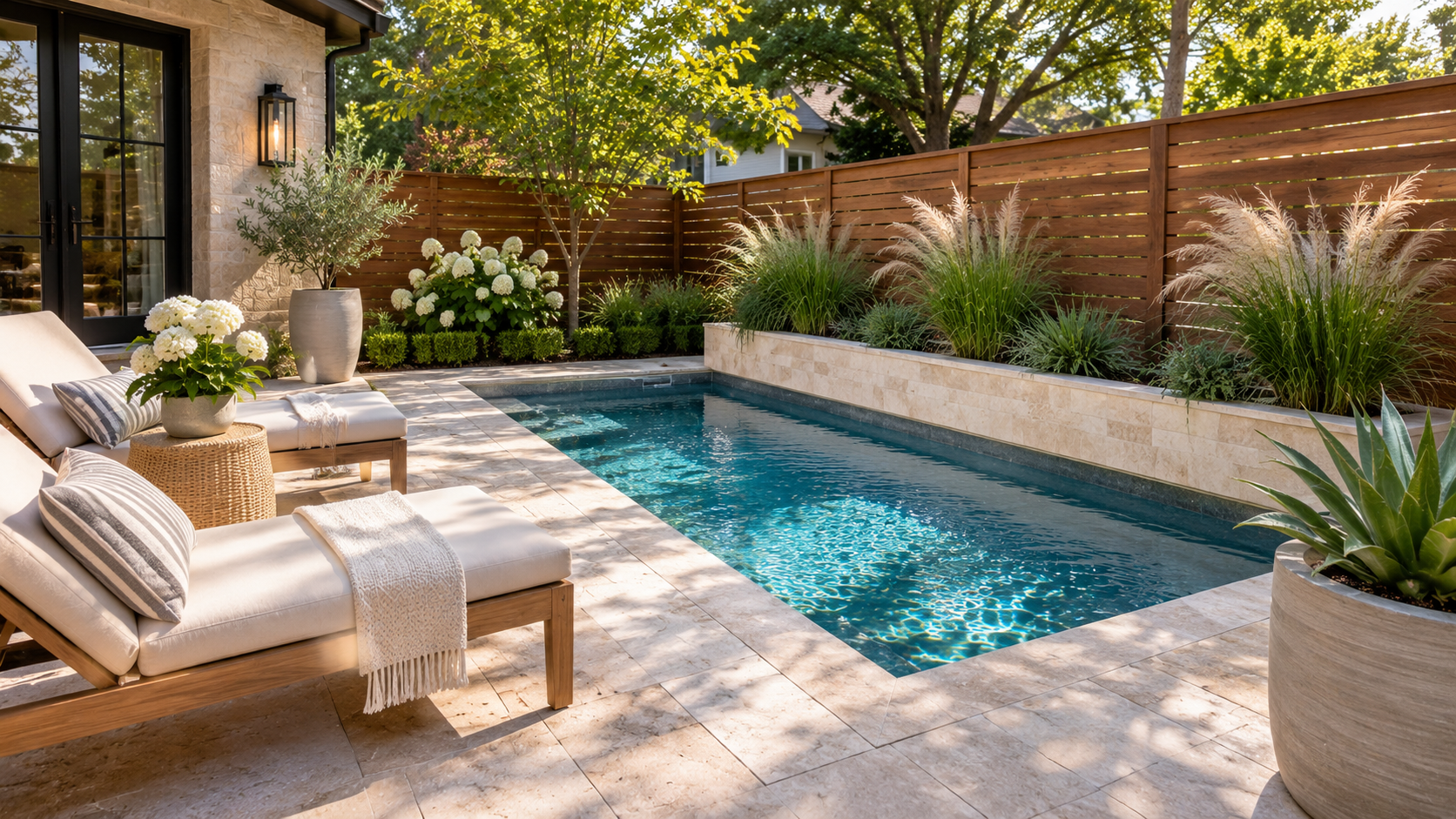
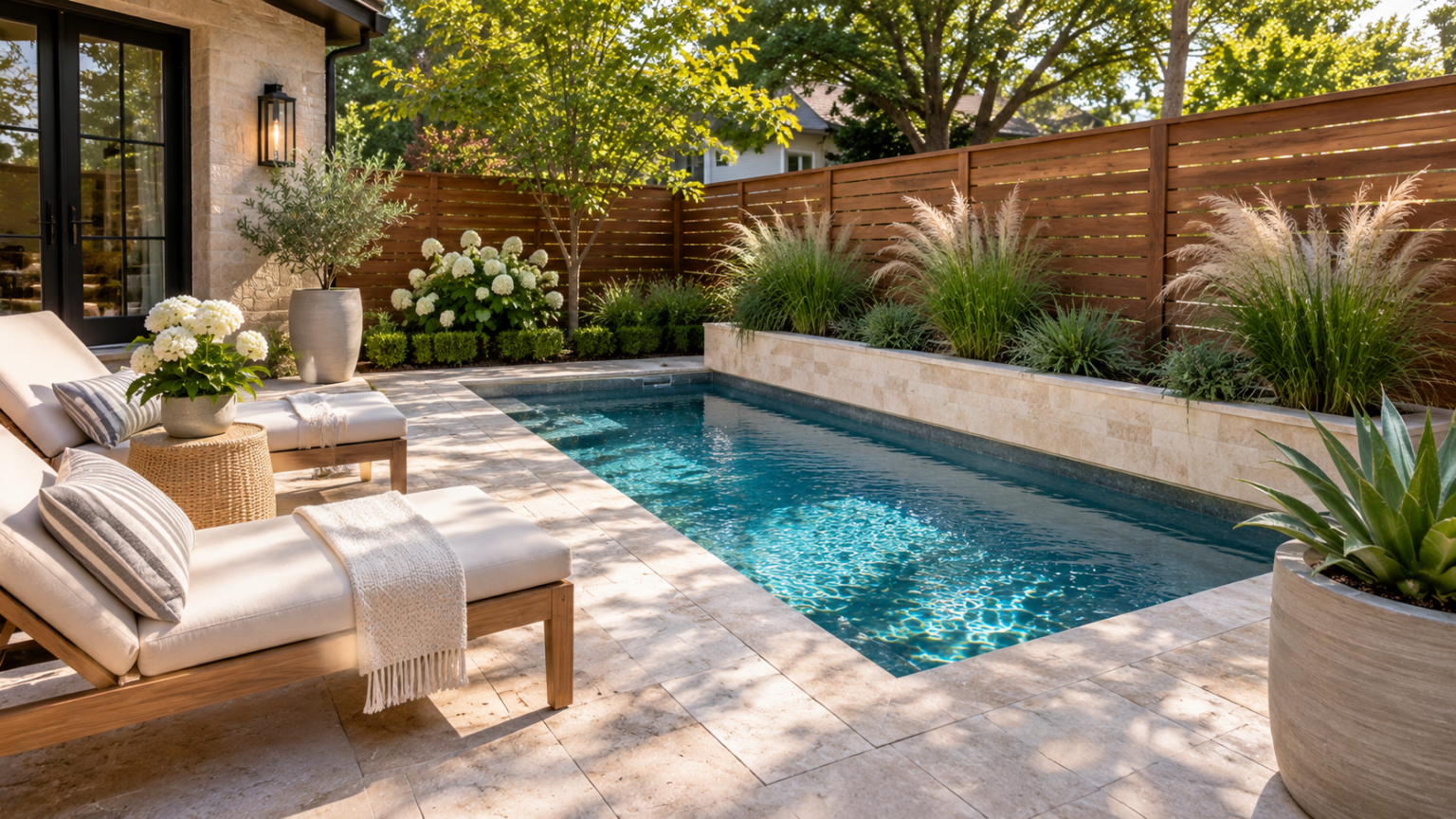
A backyard pool does not have to occupy most of the garden to provide a refreshing place to unwind. For homeowners with compact outdoor spaces, a plunge pool offers a smaller alternative to the traditional swimming pool. It is generally designed for dipping, cooling down, and relaxed soaking rather than swimming long distances.
The Advantages of a Plunge Pool: A Comprehensive Guide explores the practical reasons people choose this style of pool, including flexible placement, manageable water volume, attractive design, and opportunities for quiet recreation. Those advantages come with responsibilities: safe access, water treatment, ongoing maintenance, and realistic construction budgets.
In practical terms, The Advantages of a Plunge Pool: A Comprehensive Guide is a framework for comparing daily usefulness with long-term responsibilities.
The details matter. A compact pool with a complex heating system and premium landscaping might cost more than an owner expects, while a carefully planned simple installation can suit a modest yard. Understanding The Advantages of a Plunge Pool: A Comprehensive Guide starts with matching the pool to the household instead of choosing a design based only on photographs.
What Makes a Plunge Pool Different?
A plunge pool is smaller than a conventional backyard swimming pool. Designs vary, from compact prefabricated shells to custom concrete installations. Some are intended for refreshing dips in warm climates, while others include heating, built-in seating, or exercise jets. There is no universal size that defines every plunge pool, so compare actual dimensions and water depth before purchasing.
A key distinction in The Advantages of a Plunge Pool: A Comprehensive Guide is intended use. If you want to swim continuous laps, host a large group, or install several water features, a compact dipping pool may be unsuitable. If your priority is a quiet outdoor escape and occasional cooling, its smaller footprint may be precisely the appeal.
Choose a Design That Fits Your Routine
Think about who will use the water, when they will use it, and whether they expect to sit, stand, or exercise. An attractive pool that is too deep, too exposed, or uncomfortable to enter may see little use. Review entry steps, ledges, handholds, and safe exit routes with the designer.
1. Make Better Use of a Limited Backyard
A conventional pool can dominate the entire outdoor area. A plunge pool can leave room for a patio, a dining table, planting beds, or a patch of lawn. That balance is particularly helpful for urban properties and smaller suburban lots.
Among The Advantages of a Plunge Pool: A Comprehensive Guide, the space-saving benefit is often the deciding factor. Rather than squeezing a long pool into a narrow garden, homeowners can position a compact pool near a shaded lounge, subject to setbacks, access, and construction requirements.
Plan Beyond the Water’s Edge
The footprint on a brochure does not represent the entire project. You still need space for safe circulation, pool equipment, drainage, protective barriers, and maintenance access. Excavators, delivery vehicles, and cranes may need a route into the backyard. Tight access can increase installation costs even when the pool itself is small.
A practical reading of The Advantages of a Plunge Pool: A Comprehensive Guide is that a smaller shell improves layout flexibility, but it does not remove local zoning, fencing, or permit obligations.
2. Create an Inviting Place to Relax
A plunge pool is commonly used for short dips, lounging, and enjoying the outdoors rather than athletic swimming. On a hot day, entering suitably maintained water can feel refreshing. Built-in benches, nearby shade, and a comfortable deck can turn it into a destination for quiet time.
The lifestyle appeal of The Advantages of a Plunge Pool: A Comprehensive Guide comes from convenience. Homeowners may use a compact pool for a brief break without preparing for a lengthy swim. The experience can be enjoyable, but it should not be presented as a medical treatment or guaranteed therapy for stress, circulation, or recovery.
Design for Everyday Comfort
Choose surfaces that are appropriate for wet areas and avoid sharp edges. Consider privacy from nearby windows and the angle of the afternoon sun. A bench or ledge can be valuable if it is designed for the pool’s actual users, but it is not a substitute for supervision or safe entry and exit.
Understand Hot and Cold Water Risks
Some plunge pools can be heated or cooled, but extreme temperatures introduce health considerations. People who have medical conditions, are pregnant, or are uncertain about safe exposure should obtain individualized advice before using hot or cold immersion as a wellness practice.
3. Potentially Use Less Water and Energy
A smaller pool generally holds less water than a substantially larger pool of similar depth. That can reduce the initial filling volume and the amount of water requiring circulation and treatment. It can also reduce the surface area from which water evaporates, depending on the design.
Resource efficiency is an important part of The Advantages of a Plunge Pool: A Comprehensive Guide, but actual savings depend on climate, water temperature, pump performance, covers, and use. The U.S. Environmental Protection Agency advises sizing pools to their intended purpose because smaller water surfaces and volumes can help reduce resource demands. US EPA
Use a Properly Fitted Cover
Evaporation is a major source of pool water loss. EPA guidance says properly used pool covers can substantially reduce evaporation and help retain heat. Covers must be chosen for the correct purpose: a floating solar cover is not equivalent to a certified safety cover. Never assume a cover replaces fencing and active supervision. US EPA+1
When considering The Advantages of a Plunge Pool: A Comprehensive Guide, compare operating estimates for the complete system, including pumps, filtration, temperature control, and any decorative water features, rather than assuming every small pool has minimal utility bills.
4. Simplify Some Maintenance Tasks
A smaller body of water can mean less surface area to skim and fewer square feet of walls to brush. Access to the entire pool may also be easier than with a long, deep installation. These features can make routine cleaning more approachable for homeowners.
Still, The Advantages of a Plunge Pool: A Comprehensive Guide does not imply that small pools can operate without sanitation. Bathers introduce contaminants regardless of pool dimensions. Water must be properly circulated, filtered, tested, and disinfected according to the equipment, treatment system, and applicable guidance.
Keep Water Chemistry on Schedule
The Centers for Disease Control and Prevention recommends checking disinfectant and pH regularly in home pools. Its general guidance identifies pH of 7.0–7.8 and at least 1 part per million free chlorine for pools, with different conditions applying to products such as stabilized chlorine and to hot tubs. Follow product instructions and consult a qualified pool professional for the specific system. CDC
The maintenance advantage described in The Advantages of a Plunge Pool: A Comprehensive Guide is potentially lower cleaning workload, not permission to neglect water quality. Pool chemicals must be stored securely, kept away from children, and never mixed together. CDC
5. Enjoy Flexible Design and Installation Options
Plunge pools can suit contemporary courtyards, cottage gardens, and more traditional landscapes. Some manufacturers offer prefabricated fiberglass or other shells; others build custom concrete forms. Finishes, steps, seating, and nearby paving can be selected to complement the home.
Another benefit highlighted in The Advantages of a Plunge Pool: A Comprehensive Guide is design flexibility. A simple rectangle may complement a modern townhouse, while a compact pool with natural-looking materials can blend into a planted backyard. The style should support easy access and maintenance rather than prioritize appearance alone.
Compare Prefabricated and Custom Construction
Prefabricated options may simplify certain construction stages, but transportation, crane access, excavation, foundations, and utility connections still require planning. Custom construction offers more geometric flexibility but may involve longer work and more complex project management.
With The Advantages of a Plunge Pool: A Comprehensive Guide, request itemized bids that cover permitting, excavation, structural work, plumbing, electrical installation, fencing, equipment, landscaping repairs, and final commissioning. A low advertised shell price is not a reliable estimate of the total installed project.
6. Add an Outdoor Feature Without a Full-Size Pool
A carefully positioned small pool can become the visual center of a patio or garden. Surrounding it with seating, shade, coordinated paving, and a restrained selection of plants can make an otherwise underused yard feel intentional.
The visual appeal in The Advantages of a Plunge Pool: A Comprehensive Guide is real, but potential resale effects are less certain. Local climate, neighborhood expectations, buyer preferences, and maintenance obligations all influence whether a pool adds market value. It is best to treat the project primarily as a lifestyle purchase unless a local property professional can support an investment case.
Avoid Overbuilding the Surroundings
Large decks, elaborate retaining walls, heaters, waterfalls, and premium stonework can dominate the budget. Prioritize drainage, safe walking surfaces, accessible equipment, and a practical seating area before adding optional features.
7. Adapt the Pool to Different Seasons
In warm climates, a plunge pool may be used for cooling during much of the year. In cooler regions, an appropriate heating system can extend seasonal use, although operating expenses may increase. Some owners instead close the pool for winter and focus on a straightforward reopening routine.
Seasonal flexibility is another aspect of The Advantages of a Plunge Pool: A Comprehensive Guide that deserves realistic planning. Heating equipment, insulation, covers, freeze protection, and winterization depend on location and product design. A pool contractor should explain the method appropriate to your climate rather than treating every installation the same.
Think Through Accessibility
For households with older adults or anyone with reduced mobility, discuss steps, handrails, surfaces, and comfortable water depth early in the design process. An accessible entry can improve usability, but it must be engineered and installed appropriately.
Safety Must Come Before Convenience
Every pool, however small, presents a drowning hazard. The CDC recommends four-sided fencing that fully separates the pool from the house, with self-closing, self-latching gates, along with close and continuous supervision of children. Local laws may impose specific barrier and alarm requirements. CDC
A responsible evaluation of The Advantages of a Plunge Pool: A Comprehensive Guide must include the full cost of a compliant safety setup. Drowning can happen rapidly in shallow or small bodies of water. Do not leave children unattended, rely on toys as flotation protection, or assume a pool cover is enough to prevent unauthorized access.
Protect Against Slips and Equipment Hazards
Select appropriate slip-resistant surfaces, maintain lighting, and ensure electrical equipment is installed by qualified professionals according to local code. Never swim if circulation or electrical equipment is malfunctioning. Make a rescue plan and learn CPR; do not depend on the presence of another swimmer to notice an emergency.
How Much Does a Plunge Pool Really Cost?
A plunge pool may cost less than a large conventional pool, but prices vary widely. The shell material, site access, excavation difficulty, groundwater conditions, local labor costs, heating, fencing, and required permits can all affect the total. This Old House notes that smaller pools can offer a comparatively affordable way to add backyard water recreation, while also emphasizing site-specific cost considerations. This Old House
For anyone researching The Advantages of a Plunge Pool: A Comprehensive Guide, compare total lifetime ownership rather than only the initial purchase price. Request estimates for energy, water, chemicals, maintenance visits, insurance considerations, and eventual repairs. Review local water restrictions and homeowner association rules before signing a contract.
| Planning factor | Question to ask | Why it matters |
|---|---|---|
| Site suitability | Can equipment reach the backyard? | Restricted access can increase installation costs |
| Pool design | Is the depth comfortable for intended users? | Determines usability and safety planning |
| Safety barriers | What do local rules require? | Fencing, gates, and alarms may be mandatory |
| Operating system | What are the pump and heating requirements? | Influences ongoing energy expenses |
| Water care | Who will test and maintain the water? | Poor treatment can expose swimmers to illness |
| Seasonal care | Does the pool need winterization? | Impacts maintenance and annual cost |
Frequently Asked Questions
Is a plunge pool suitable for a small backyard?
Often, yes. Its smaller dimensions can preserve room for other outdoor activities. You must still account for safe barriers, equipment, drainage, setbacks, and construction access.
Can I swim laps in a plunge pool?
Usually not. Most are intended for dipping and lounging rather than continuous swimming, although certain models offer exercise jets. Confirm specifications before purchasing.
Is a small pool easier to maintain?
It may require less surface cleaning and fewer resources than a much larger pool, but regular filtration, disinfectant testing, cleaning, and safe chemical handling remain essential.
Does a plunge pool need fencing?
Pool barrier requirements depend on local rules, but the CDC recommends four-sided isolation fencing with self-closing and self-latching gates to help prevent child drownings.
Will a plunge pool increase my home’s value?
It might appeal to some buyers, but resale value depends on the market, climate, installation quality, and maintenance expectations. No universal return on investment can be promised.
Can a plunge pool be heated?
Many designs can incorporate compatible heating systems. The choice affects installation complexity and operating costs, and must be evaluated with qualified installers.
Conclusion
A plunge pool can bring relaxation and an attractive water feature to a yard that cannot accommodate, or does not need, a traditional swimming pool. Its compact size may make landscaping easier, reduce some maintenance tasks, and offer more options for positioning. Yet successful ownership requires realistic budgeting, dependable water treatment, and a serious approach to safety.
Ultimately, The Advantages of a Plunge Pool: A Comprehensive Guide is about finding the right balance between enjoyment and responsibility. Choose a size that suits your routine, plan the surrounding area carefully, verify total costs, and provide compliant barriers and supervision. The result can be an inviting outdoor retreat without the footprint of a conventional pool.

Written by Twastia Editorial Team
Twastia Editorial Team shares practical insights about website design, SEO services, Google Ads, content marketing, social media, conversion rate optimization, and digital marketing strategy.
Last updated: Nov 6, 2026
Related posts from Twastia
Explore more useful articles from twastia.com about digital marketing, SEO, websites, ads, content, and growth strategy.