How to Choose the Best Fence for Your Yard: Best Guide
A fence can give you privacy, keep a dog safely contained, frame a garden, or make an outdoor space feel […]
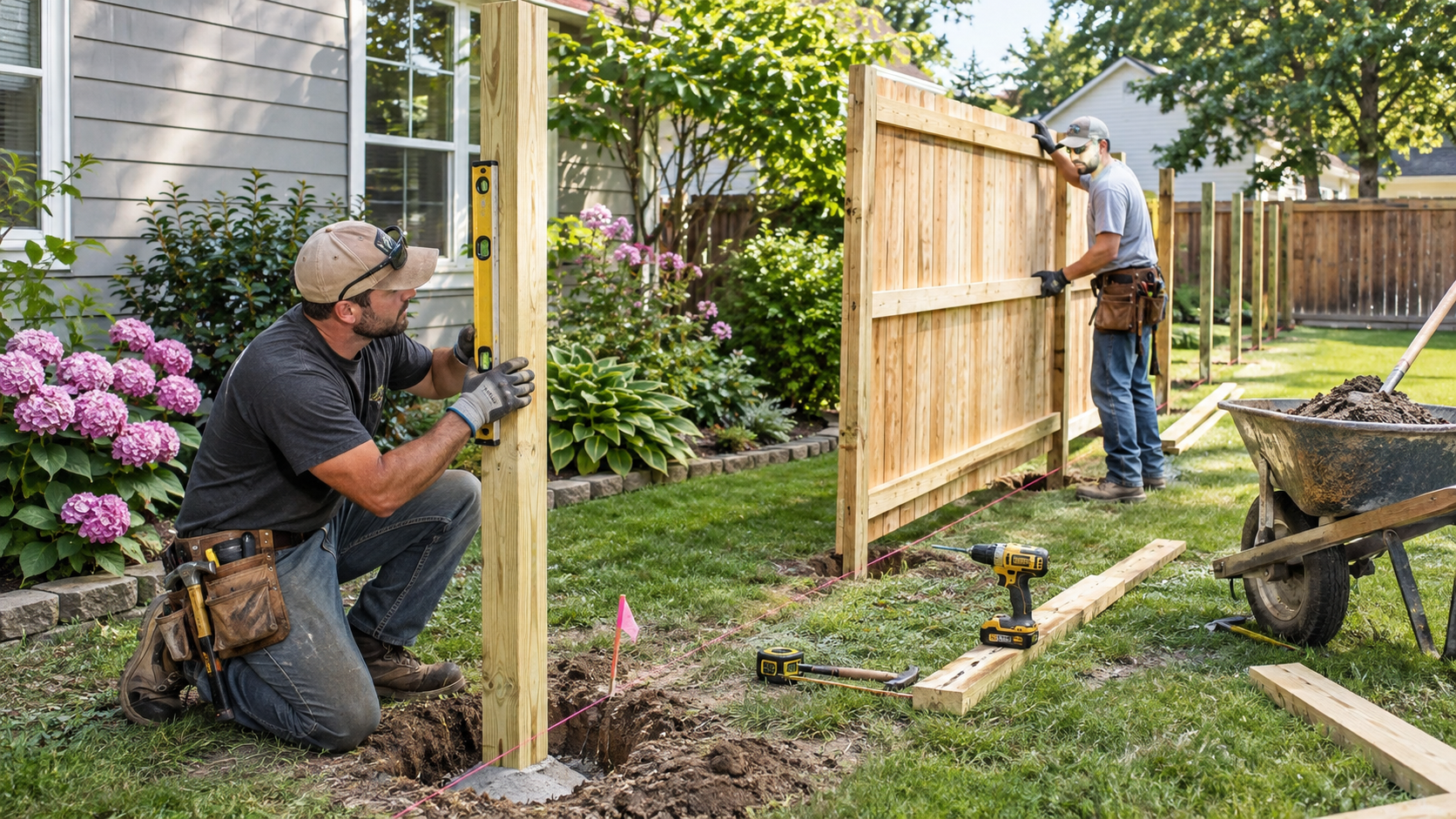
A fence can give you privacy, keep a dog safely contained, frame a garden, or make an outdoor space feel finished. But the prettiest fence in a showroom is not automatically the smartest fit for your property. Learning how to choose the best fence for your yard means weighing the purpose of the barrier, your climate, maintenance expectations, local requirements, and total installation cost.
Start with the problem you want the fence to solve, not the material you happen to like. A solid privacy fence may be useful beside a busy road, while an open metal fence may make more sense where you want to preserve a view. This guide explains how to choose the best fence for your yard with practical comparisons and a step-by-step buying process.
Decide What You Want the Fence to Do
Write down your top two priorities before contacting contractors. Do you want to screen a neighboring patio, stop a pet from roaming, protect a garden, define a boundary, or add curb appeal? These purposes lead to different designs. Understanding how to choose the best fence for your yard becomes simpler when you can tell installers what matters most.
Privacy Versus an Open View
Solid panels reduce direct sight lines, while spaced pickets and mesh preserve more light and visibility. If you like looking across an open landscape, an ornamental fence may be preferable to tall solid boards. For a small patio that feels exposed, a targeted privacy section might work better than enclosing every boundary.
Pets, Children, and Everyday Use
A pet fence needs suitable height, secure gates, and gaps small enough for the animal. Dogs that jump, climb, or dig require different solutions. A regular backyard fence does not automatically meet swimming-pool barrier rules. When considering how to choose the best fence for your yard, treat pool access as a separate safety design problem and follow applicable codes.
Compare Popular Fence Materials
No material wins every category. Wood offers warmth and flexibility, vinyl provides easy-clean solid panels, aluminum preserves views, chain link provides practical containment, and composite offers a manufactured wood-like appearance. The right answer to how to choose the best fence for your yard depends partly on which trade-offs you can comfortably accept.
Wood: Natural Character and Flexible Design
Wood can be built as solid privacy panels, traditional pickets, horizontal boards, or decorative lattice. Cedar and appropriately treated lumber are common choices, but suitability varies by availability and local conditions. Wood offers individual-board repair options and a natural look. Its drawbacks include periodic inspection, possible staining or painting, weathering, and vulnerability to moisture damage if poorly detailed.
For homeowners researching how to choose the best fence for your yard on a modest budget, wood deserves a quote. Compare wood species, treatment, board thickness, post quality, and finishing requirements instead of looking only at the initial price.
Vinyl: Privacy With Less Routine Refinishing
Vinyl fencing is available in solid privacy panels, picket styles, and decorative designs. It typically needs washing rather than painting or staining, although individual panels and hardware still require inspection. Extreme impacts can damage sections, and expansion, contraction, and product quality affect performance. Choose a system appropriate for your wind exposure and temperatures.
Vinyl is worth considering in how to choose the best fence for your yard if you want a consistent appearance and do not want to refinish wood periodically. Ask whether a damaged panel can be replaced without dismantling a long run.
Aluminum and Steel: Durable, Open Designs
Ornamental aluminum resists rust and often suits front yards, garden borders, and applications where preserving sight lines is important. Steel provides different strength and design options but may require attention to coating damage and corrosion. Neither ordinary open-picket design provides the same visual privacy as a solid panel.
If the goal behind how to choose the best fence for your yard is an attractive boundary without blocking the scenery, compare metal styles. Measure picket spacing and gate clearances carefully when pets or children are involved.
Chain Link: Straightforward Containment
Chain-link fencing is often economical for large areas and permits airflow and visibility. Galvanized and coated options differ in appearance and corrosion protection. Standard mesh offers limited privacy, though slats or screening can change that; screening also increases wind loads and may affect structural requirements.
For a large dog run or utility area, how to choose the best fence for your yard may lead you toward chain link. Ask about wire gauge, mesh size, coatings, top rails, tensioning, and secure gate hardware before accepting a quote.
Composite: A Wood-Like Finish
Composite systems combine manufactured components to offer a wood-inspired look with less conventional staining. Products vary widely in composition, framing, color stability, and replacement availability. Some are substantially heavier than lightweight alternatives, so installation details matter. If how to choose the best fence for your yard includes a premium appearance with reduced finish maintenance, request samples and written warranties before deciding.
Match the Design to Your Property
Measure the Space and Check the Ground
Sketch the proposed fence route, marking corners, gates, slopes, trees, drainage paths, and underground obstacles. Measure in linear feet, then allow for each gate opening and any changes in grade. A stepped fence may suit certain slopes, while a racked panel system follows the terrain more closely. Good planning for how to choose the best fence for your yard begins with accurate measurements rather than guessing from a property listing.
Do Not Guess at Property Lines
An existing fence is not necessarily on the legal boundary. Review your survey and recorded plans, and obtain a licensed surveyor’s advice if lines are uncertain. Keep easements and access rights in mind. Local approval may be necessary even when a neighbor verbally agrees.
Think About Height and Sight Lines
A taller fence may create more seclusion but can shade plants, catch wind, or trigger different permit rules. Consider what it will look like from your deck and from neighboring properties. When evaluating how to choose the best fence for your yard, mock up the proposed height with stakes and string before ordering materials.
Make Gates Part of the Plan
Think about trash bins, lawn equipment, deliveries, wheelbarrows, and accessibility needs. A narrow gate may function for foot traffic but frustrate future maintenance. Specify latch positions, hinge strength, swing direction, and clearance over the ground. Gates often receive more daily wear than fence panels.
Check Rules Before You Buy
Rules can vary between cities, counties, neighborhoods, and property types. Ask the local building or planning department about permits, allowed heights, setbacks, corner visibility, materials, and special districts. A homeowners association may have additional design requirements, but HOA approval does not replace local government requirements. This legal check is essential to how to choose the best fence for your yard, especially along a front property line. Nashville.gov
Before digging, contact the local 811 utility notification service and follow its required notice period. Marked utilities do not establish your legal property boundaries, and private lines may need separate locating arrangements. Never assume a posthole is safe just because the yard looks clear. Nashville.gov
Pools Require a Separate Safety Review
Residential pool barriers have specialized opening, height, gate, and latch criteria. The U.S. Consumer Product Safety Commission recommends a barrier at least 48 inches high in its guidance, but the enforceable local code may differ or be stricter. Its recommendations also cover self-closing, self-latching gates and limiting climbable features. For how to choose the best fence for your yard when a pool is present, consult your local inspector and a pool-barrier professional rather than relying on a standard decorative-fence brochure. U.S. Consumer Product Safety Commission
Set a Realistic Budget
A fence estimate should include more than panels. Request a complete price for posts, foundations, gate hardware, terrain adjustments, demolition, disposal, site access, labor, and permit-related work. Extra corners, hard digging, roots, retaining walls, and unusual grades can change the scope. A thorough budget is part of how to choose the best fence for your yard because a low headline price may conceal missing work.
Compare Long-Term Costs, Not Just Upfront Price
Wood may have a lower starting quote but call for periodic finishing. Vinyl, aluminum, and composite may avoid that particular task while still needing cleaning, fastener inspection, and occasional repairs. Rather than relying on universal lifespan claims, ask how each product performs in your specific climate and what parts are replaceable. This is a more useful way to assess how to choose the best fence for your yard than ranking materials by price alone.
Get Quotes That Describe the Same Work
Ask at least a few qualified installers for itemized proposals with the same fence length, height, material grade, gate count, and removal scope. Confirm whether the price covers utility coordination, permit applications, cleanup, and warranties. Ask for proof of insurance and relevant licensing where required. A detailed comparison makes how to choose the best fence for your yard a purchasing decision rather than a guessing game.
Choose for Your Climate and Maintenance Habits
Wet conditions, coastal salt, strong sun, freezing soil, and high wind affect fences differently. Wood detailing should manage moisture; metal finishes should suit corrosion exposure; and solid panels need structural design appropriate for wind. Foundations and post depth must account for site conditions and applicable local standards. When deciding how to choose the best fence for your yard, describe your location and exposure to the contractor, not just the color you prefer.
Be honest about upkeep. If you enjoy outdoor projects, periodic wood care may be acceptable. If you want minimal finishing work, compare vinyl, aluminum, or composite, but plan to clean surfaces and inspect joints and gates. No outdoor fence is entirely maintenance-free.
Plan Installation and Inspect the Finished Work
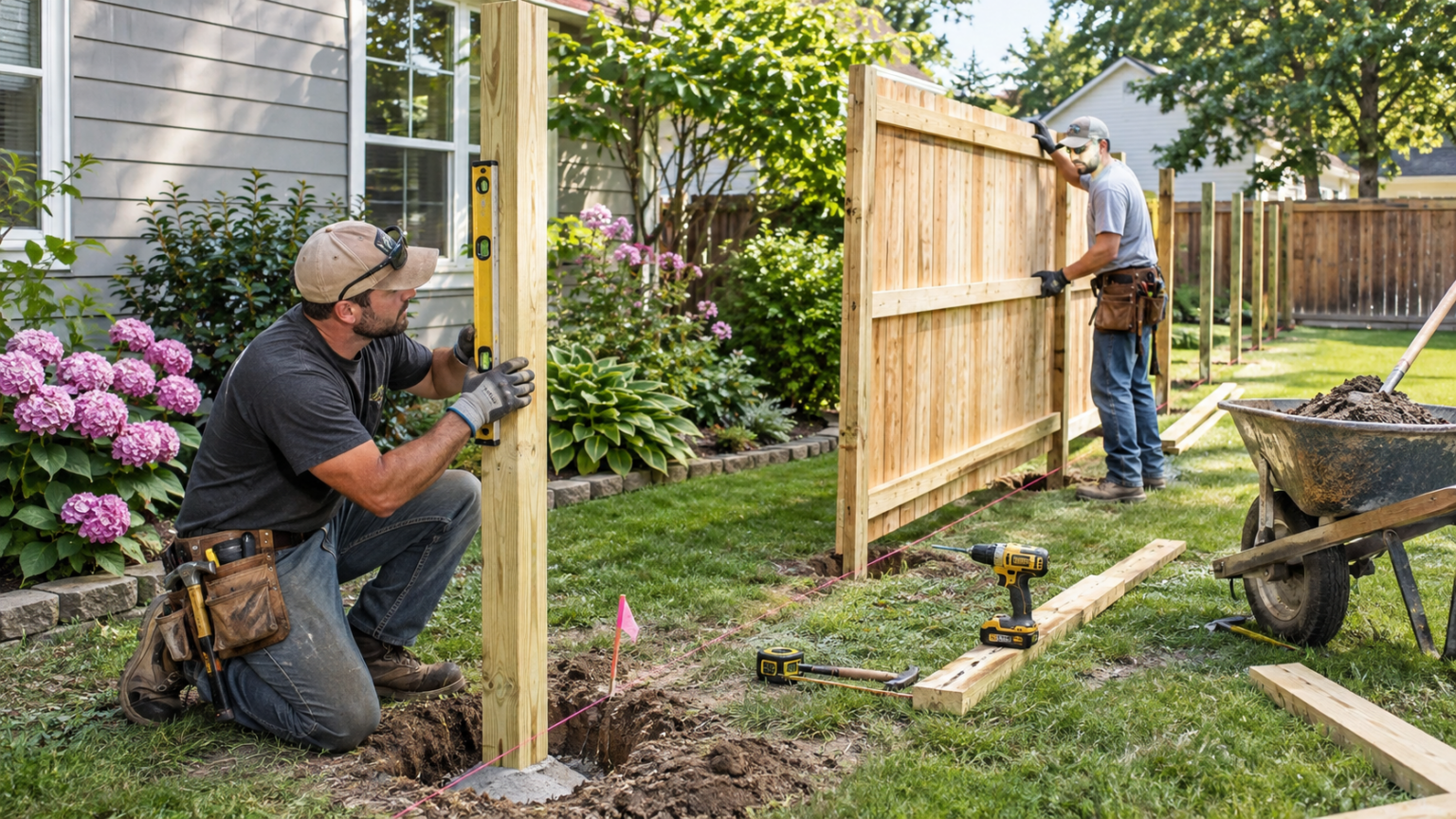
A skilled contractor should explain the post layout, footing method, drainage considerations, hardware, gate alignment, and repair approach. Ask how they will handle existing irrigation, landscaping, and changes in ground level. For DIY installation, follow the specific product instructions and confirm local requirements before purchasing tools or concrete.
After installation, walk the entire fence. Test latches, check for sharp edges, inspect gaps and loose components, and make sure gates open smoothly. Keep documentation and photographs. A final inspection completes the practical process of how to choose the best fence for your yard and helps you spot issues before they become expensive repairs.
Frequently Asked Questions
Which material is best for privacy?
Solid wood, vinyl, and some composite designs offer strong visual screening. Compare panel gaps, height restrictions, and maintenance demands. If you’re wondering how to choose the best fence for your yard primarily for privacy, start by identifying which viewpoints actually need blocking.
What is a good option for dogs?
It depends on the dog’s size and behavior. Chain link, solid wood, vinyl, and appropriately spaced metal fencing can work when height, gaps, digging risks, and gate security are addressed. Supervise pets and inspect the enclosure routinely.
Is vinyl always better than wood?
No. Vinyl generally needs less finish maintenance, while wood offers a natural look and flexible repairs. Product quality, climate, installation, and your preferred appearance determine the better fit. Those trade-offs are central to how to choose the best fence for your yard.
Do I need a permit to replace an existing fence?
Possibly. Some locations regulate height, placement, design, or alterations even when a fence already exists. Verify requirements with your local authority and HOA before removing the old structure.
Can I install a fence directly on the property line?
Do not assume you can. Boundary placement, shared-fence rules, setbacks, easements, and neighbor agreements depend on local law. Review reliable property documents and obtain professional advice when boundaries are uncertain.
How much should I budget for installation?
Measure the run and request local itemized quotes rather than using a single national average. Material grade, gates, ground conditions, demolition, and labor can affect the total dramatically. When planning how to choose the best fence for your yard, reserve funds for unexpected site work.
Conclusion
The right fence begins with a clear purpose. Decide whether you need privacy, containment, appearance, or a combination; then compare materials on maintenance, climate fit, strength, and total cost. Check property lines, utilities, neighborhood rules, and any pool-specific safety requirements before installation. Ultimately, how to choose the best fence for your yard is about selecting a design that works for your daily life and remains practical to own for years.

Written by Twastia Editorial Team
Twastia Editorial Team shares practical insights about website design, SEO services, Google Ads, content marketing, social media, conversion rate optimization, and digital marketing strategy.
Last updated: Nov 9, 2026
Related posts from Twastia
Explore more useful articles from twastia.com about digital marketing, SEO, websites, ads, content, and growth strategy.