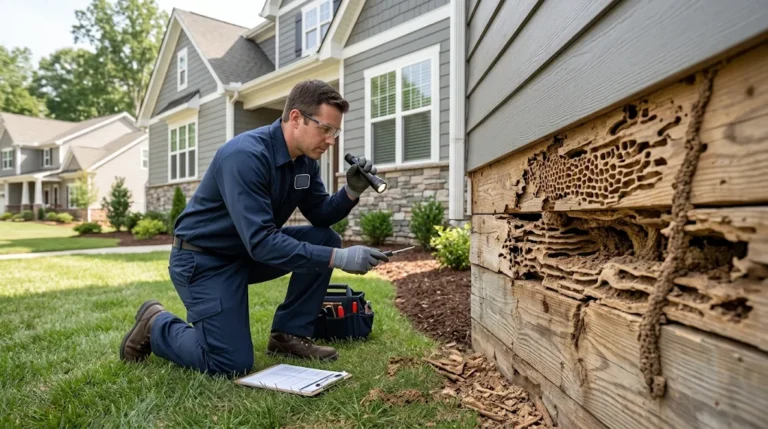
Sewage Cleanup Company: Complete Guide to Safe Sewage Removal in 2026
A sewage backup is one of the most unpleasant emergencies a homeowner can experience. Whether wastewater enters through a basement […]
A sewage backup is one of the most unpleasant emergencies a homeowner can experience. Whether wastewater enters through a basement drain, overflows from a toilet, or spreads after heavy rainfall, contaminated water can create serious health concerns and expensive property damage.
Unlike ordinary household water leaks, sewage may contain harmful microorganisms, chemicals, and other contaminants. Simply removing visible water does not necessarily make the affected area safe again.
Hiring a professional sewage cleanup company can help homeowners manage contamination, remove damaged materials, and restore their properties using appropriate equipment and procedures.
Across the United States, sewage backups can affect residential buildings, commercial properties, and apartment complexes. Understanding how professional cleanup works helps property owners respond quickly and avoid costly mistakes.
This guide explains the causes of sewage backups, professional cleanup procedures, expected costs, safety precautions, and preventive measures for 2026.
What Is a Sewage Cleanup Company?
A sewage cleanup company specializes in removing contaminated wastewater and restoring properties affected by sewage backups, sewer overflows, and related water damage.
These restoration professionals handle situations that require more than basic cleaning or ordinary water extraction.
Their work generally involves evaluating contamination, removing wastewater, cleaning affected surfaces, disposing of unsalvageable materials, and drying the property.
Services Offered by Sewage Cleanup Professionals
Depending on the provider, professional sewage cleanup services may include:
- Emergency sewage and wastewater extraction
- Basement sewage backup cleanup
- Contaminated material removal
- Cleaning and disinfection of affected surfaces
- Structural drying and moisture monitoring
- Odor source removal
- Water damage restoration
- Coordination of necessary reconstruction
Some restoration companies also work with plumbers to address the source of the problem.
However, sewage cleanup and plumbing repairs are different services. Always confirm which tasks your provider can perform.
Why Sewage Backups Require Immediate Attention
Sewage-contaminated water presents hazards that ordinary household cleaning methods may not adequately address.
Health Risks From Contaminated Water
Wastewater can contain bacteria, viruses, parasites, and other potentially harmful substances.
Contact with contaminated water may lead to infections or illness, particularly when microorganisms enter through wounds or accidental ingestion.
The Centers for Disease Control and Prevention advises people to avoid contact with floodwater that may contain sewage. CDC
Children, older adults, and people with certain health conditions may require additional precautions.
Damage to Building Materials
Sewage can enter drywall, carpeting, insulation, wooden structures, and flooring.
Porous materials may absorb contamination, making thorough cleaning difficult or impossible.
Prompt professional assessment helps determine which materials can be restored and which require replacement.
Mold and Moisture Problems
Remaining moisture can create conditions favorable for mold growth.
The Environmental Protection Agency recommends cleaning and drying flood-affected materials within 24 to 48 hours whenever safely possible. US EPA
Severely contaminated materials may need removal rather than drying alone.
Common Causes of Sewage Backups in American Homes
Understanding the source of sewage problems is essential for preventing repeated incidents.
Blocked Sewer Lines
Grease buildup, foreign objects, accumulated debris, and damaged pipes can restrict wastewater movement.
As pressure increases, sewage may return through household drains.
Tree Root Intrusion
Tree roots can enter cracked underground sewer pipes while searching for moisture.
Over time, root growth may obstruct wastewater flow and damage plumbing connections.
Heavy Rainfall and Flooding
Severe storms can overwhelm drainage infrastructure, particularly in areas with older sewer systems.
When wastewater cannot move through the system effectively, backups may occur in lower parts of buildings.
Aging or Damaged Pipes
Older pipes may develop cracks, corrosion, or structural deterioration.
Collapsed sewer lines and faulty connections can also interrupt normal drainage.
A qualified plumber can investigate these problems and recommend appropriate repairs.
What Does the Professional Sewage Cleanup Process Involve?
Although procedures differ depending on property conditions, professional restoration generally follows several important stages.
Step 1: Emergency Inspection and Safety Assessment
Restoration specialists first evaluate the affected area and identify immediate hazards.
They assess the extent of contamination, standing water, structural concerns, and electrical risks.
Entry may need to remain restricted until conditions are considered safe.
Step 2: Identifying and Stopping the Source
Before extensive cleanup begins, the source of contamination must be addressed.
This may involve plumbing repairs, sewer line inspection, or coordination with local wastewater authorities.
Without correcting the underlying problem, additional sewage could enter the property.
Step 3: Sewage Water Extraction
Professionals use suitable extraction equipment to remove contaminated standing water.
The necessary equipment depends on water volume, access, and contamination conditions.
Collected wastewater must be handled and disposed of according to applicable requirements.
Step 4: Removing Contaminated Materials
Certain materials cannot be reliably restored after significant sewage exposure.
Depending on the damage, professionals may remove contaminated carpeting, padding, insulation, drywall, or damaged furnishings.
The goal is to eliminate contamination sources rather than conceal visible damage.
Step 5: Cleaning and Disinfection
Restoration technicians clean recoverable surfaces using appropriate products and procedures.
They may then apply suitable disinfectants according to product instructions and contamination conditions.
Disinfection should never replace necessary physical cleaning or removal of contaminated materials.
Step 6: Structural Drying and Restoration
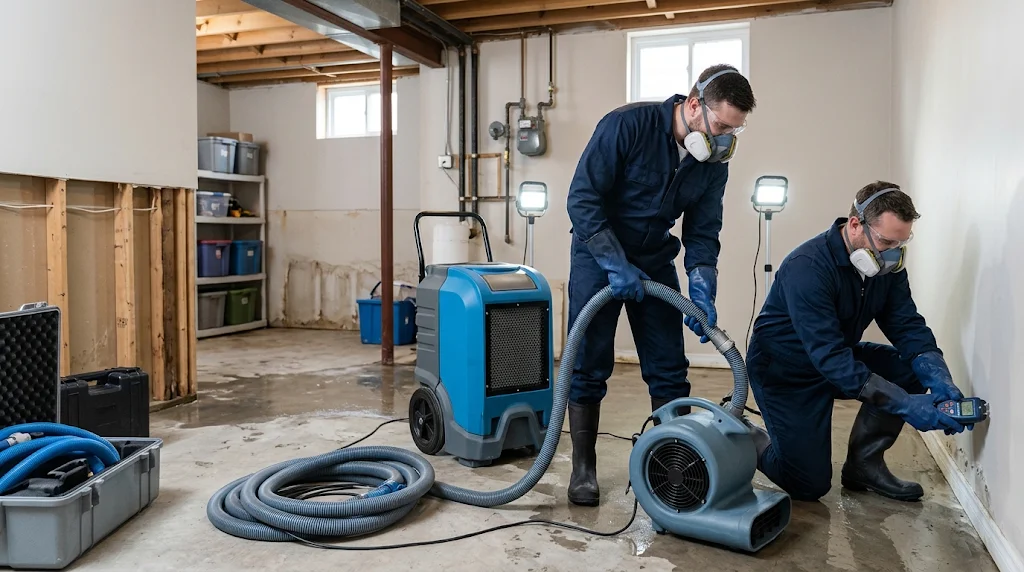
After contamination is addressed, technicians may use dehumidifiers, air-moving equipment, and moisture monitoring tools.
Damaged building components can then be repaired or replaced as needed.
Why Hire a Professional Sewage Cleanup Company?
Professional sewage cleanup offers advantages beyond convenience.
Appropriate Safety Procedures
Experienced restoration teams understand the importance of protective equipment, restricted access, and contamination management.
This is particularly valuable when sewage affects multiple rooms or structural materials.
Specialized Restoration Equipment
Professional equipment can support efficient wastewater extraction, drying, and moisture assessment.
These tools help technicians identify moisture that may remain hidden beneath flooring or behind walls.
More Complete Property Recovery
A professional assessment considers both visible contamination and less obvious damage.
Services such as sewage cleanup company restoration assistance are relevant when homeowners need support after sewage-related flooding.
DRYmedic also describes dedicated sewer water backup cleanup services, including contamination removal and property restoration. DRYmedic ,
How Much Does Sewage Cleanup Cost in the USA?
Sewage cleanup costs vary considerably depending on the extent of damage and services required.
There is no single reliable price for every property.
Factors Affecting Cleanup Costs
Important pricing considerations include:
- Size of the contaminated area
- Amount of standing sewage
- Length of contamination exposure
- Type of affected building materials
- Required removal and disposal
- Structural drying requirements
- Necessary repairs and reconstruction
Emergency scheduling and local labor conditions may also influence estimates.
Understanding Written Estimates
Before authorizing work, request a detailed estimate explaining the proposed services.
Ask whether plumbing repairs, material replacement, drying, and reconstruction are included.
A transparent estimate helps homeowners understand the likely scope of restoration and potential additional expenses.
Does Homeowners Insurance Cover Sewage Cleanup?
Coverage depends on the insurance policy and the circumstances surrounding the damage.
Standard homeowners insurance does not automatically cover every sewage backup.
Some insurers offer optional water or sewer backup coverage.
Other situations, including flooding from outside the property, may require different coverage arrangements.
Contact your insurance provider promptly, document visible damage from a safe location, and ask about claim requirements.
Do not delay necessary safety measures while waiting for a claims decision.
What Should You Do Before Cleanup Professionals Arrive?
Taking appropriate precautions can reduce additional risks.
Keep Everyone Away From Contaminated Areas
Prevent children, pets, and unnecessary visitors from entering affected rooms.
Avoid direct contact with sewage or contaminated belongings.
Avoid Electrical Hazards
Never enter standing water when electrical equipment or wiring may be energized.
If electrical power needs to be disconnected, contact a qualified professional when safe access is uncertain.
The EPA specifically warns against touching electrical equipment while standing in water. US EPA
Avoid Unsafe Cleaning Methods
Do not mix bleach with other cleaning chemicals.
Avoid using ordinary household vacuums to collect sewage.
Leave extensive contaminated-water removal to appropriately equipped professionals.
Document Damage Safely
Photographs and written notes may help support insurance discussions and restoration planning.
Only document areas that can be accessed without exposing yourself to hazards.
How to Choose a Reliable Sewage Cleanup Company
Choosing the right restoration provider can influence both the cleanup experience and the final results.
Look for companies with relevant sewage restoration experience, appropriate insurance, and trained technicians.
Ask about emergency availability, contamination procedures, written estimates, and drying documentation.
Also review customer feedback and confirm whether the company offers reconstruction or coordinates with other contractors.
A reliable provider should explain the proposed work clearly without guaranteeing unrealistic restoration outcomes.
How to Prevent Future Sewage Backups
Although not every backup is preventable, regular maintenance can reduce certain risks.
Maintain Sewer and Drain Systems
Avoid flushing wipes, grease, hygiene products, and other materials that can obstruct drains.
Arrange professional inspections when repeated drainage problems occur.
Consider Backwater Valves
A properly selected backwater valve can help prevent wastewater from flowing backward into a property.
Installation requirements depend on local plumbing codes and existing drainage systems.
Monitor Plumbing Warning Signs
Slow drains, recurring clogs, unusual wastewater odors, and overflowing floor drains may indicate developing problems.
Addressing these warning signs early can help prevent larger emergencies.
Frequently Asked Questions
Is sewage cleanup dangerous?
Yes. Sewage may contain harmful microorganisms and chemicals. Extensive contamination should be handled by qualified professionals using appropriate protective equipment.
How quickly should sewage be removed?
Contaminated water should be addressed as soon as conditions allow safe action. Delays can increase exposure risks and worsen moisture-related damage.
Can I clean sewage from my basement myself?
Minor incidents may have different requirements, but significant sewage contamination involves substantial health and electrical hazards. Professional assessment is generally the safer approach.
Does sewage damage always require replacing carpet?
Carpet and padding affected by sewage frequently require disposal because contamination can penetrate porous materials.
How long does professional sewage cleanup take?
The duration depends on contamination, property size, material removal, drying requirements, and necessary repairs. Some restoration projects require several stages.
Conclusion
A sewage backup requires prompt attention, careful safety precautions, and appropriate restoration procedures.
Hiring a qualified sewage cleanup company can help homeowners address contaminated water, evaluate damaged materials, and restore affected areas more effectively.
From emergency extraction to disinfection and structural drying, professional cleanup plays an important role in property recovery.
Homeowners should also review insurance coverage, maintain sewer systems, and investigate recurring plumbing problems.
With informed decisions and reliable restoration assistance, property owners can reduce unnecessary risks and work toward a safer, cleaner home.

Written by Twastia Editorial Team
Twastia Editorial Team shares practical insights about website design, SEO services, Google Ads, content marketing, social media, conversion rate optimization, and digital marketing strategy.
Last updated: Nov 14, 2026
Related posts from Twastia
Explore more useful articles from twastia.com about digital marketing, SEO, websites, ads, content, and growth strategy.