Selling a Mobile Home Without Land: A Complete Guide for US Homeowners
Owning a mobile home can provide an affordable and flexible housing option, but circumstances sometimes change. You may be relocating, […]
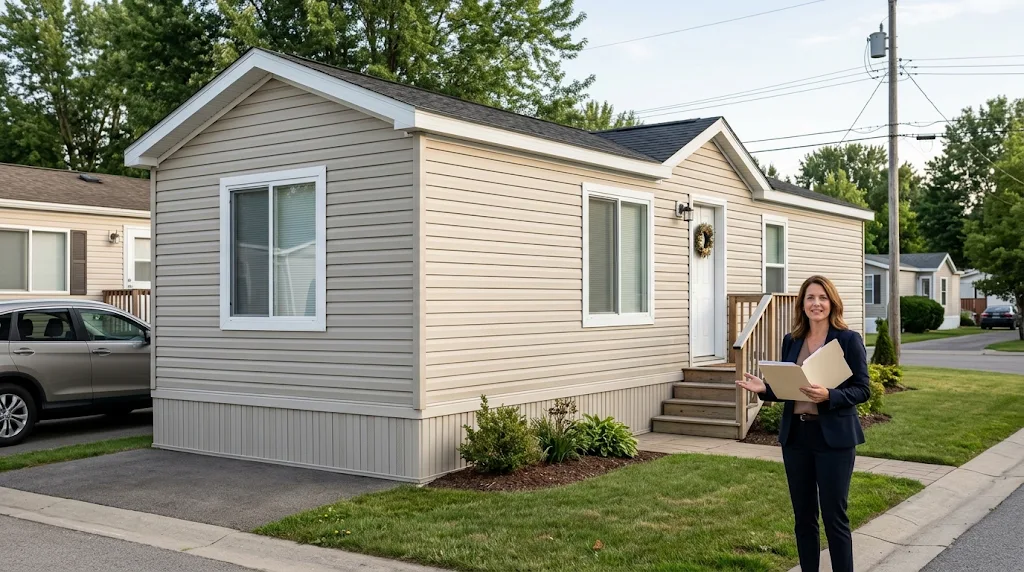
Owning a mobile home can provide an affordable and flexible housing option, but circumstances sometimes change. You may be relocating, downsizing, moving to another state, or simply looking for a different living arrangement. If you own a mobile home but not the land underneath it, selling the property may seem complicated. However, there are several ways to complete the process without selling the land.
Selling a mobile home without land is possible in many situations, but it requires careful planning, proper documentation, and an understanding of local regulations. Unlike traditional residential properties, manufactured homes can be classified as personal property or real estate depending on ownership, installation, and state requirements.
The good news is that homeowners have several potential selling options. You can advertise directly to individual buyers, work with manufactured home dealers, contact specialized mobile home buyers, or explore cash sale opportunities.
Understanding how the process works can help you avoid unnecessary expenses, attract serious buyers, and complete your sale with greater confidence.
Can You Sell a Mobile Home Without Owning the Land?
Yes, you can generally sell a mobile home without selling the land on which it is located. The home and the land may be treated as separate properties, depending on applicable state law and the home’s legal classification.
For example, you might own a manufactured home situated in a mobile home community where you pay monthly lot rent. In this situation, you own the home but lease the land from the community owner.
You may be able to sell the home to another individual while the land remains under the community’s ownership. However, the buyer may need approval from the community management and must meet its residency and rental requirements.
Another situation involves homeowners who own both the home and the land but want to sell only the manufactured home. They may be able to retain the land, provided the proposed sale, removal, or continued occupancy complies with applicable property laws and agreements.
According to the US Department of Housing and Urban Development (HUD), manufactured homes can be classified as personal property or real property depending on applicable state and local requirements. hud.gov+1
Understanding this distinction is an important first step before advertising your property.
Why Do Homeowners Sell Mobile Homes Without Land?
There are several reasons why someone might want to sell a mobile home separately from the land.
1. Relocating to Another Property
Moving to another city or state is a common reason for selling a manufactured home.
Transporting a mobile home can involve substantial expenses, including transportation, permits, disconnection, and installation at the new location.
Instead of paying these costs, some homeowners prefer selling the home and purchasing another property after relocating.
2. Moving Into a Different Type of Housing
Selling Mobile Home Without Land
Your housing requirements may change over time.
You might want to move into a traditional house, condominium, apartment, or retirement community. Selling your existing mobile home can help you release money tied up in the property.
3. Reducing Monthly Expenses
Selling Mobile Home Without Land
Homeowners living in manufactured home communities may pay monthly lot rent, utility charges, and community fees.
If these expenses become difficult to manage, selling the mobile home may provide an opportunity to move into a more affordable living arrangement.
4. Selling an Inherited Mobile Home
Selling Mobile Home Without Land
Sometimes families inherit manufactured homes that they do not intend to occupy.
If the property is located in a different state or requires extensive maintenance, selling it may be more practical than keeping it.
Before completing an inherited property sale, make sure the person signing the documents has the legal authority to transfer ownership.
How to Prepare Your Mobile Home for Sale
Selling Mobile Home Without Land
Preparation can make a significant difference in attracting potential buyers and receiving reasonable offers.
You do not necessarily need to spend thousands of dollars renovating your property. However, addressing basic maintenance issues and organizing important documents can improve the selling experience.
Clean and Declutter the Property
Selling Mobile Home Without Land
Start by removing unnecessary belongings, cleaning the floors, and organizing the kitchen and bathrooms.
A clean interior allows potential buyers to evaluate the available living space more easily.
Pay particular attention to:
- Kitchen cabinets and countertops
- Bathroom fixtures
- Bedroom storage areas
- Windows and flooring
- Exterior siding and entryways
If the home has an outdoor storage area or porch, make sure these spaces are reasonably organized.
Address Minor Repairs
Selling Mobile Home Without Land
Small maintenance problems can create a negative impression during property viewings.
Consider repairing loose cabinet handles, damaged flooring, leaking faucets, broken doors, and other visible issues.
However, avoid spending money on major improvements without first comparing the expected repair costs with the property’s potential selling price.
Gather Important Documents
Selling Mobile Home Without Land
Having the necessary paperwork ready can make the transaction smoother.
Common documents include:
- Certificate of title or ownership documentation
- Manufacturer’s information
- Serial number and HUD certification information, where applicable
- Maintenance and repair records
- Existing loan or lien information
- Community lease agreements
- Property tax records, where applicable
The exact documentation depends on your state and how the manufactured home is classified.
Understanding Mobile Home Titles and Ownership Transfer
Selling Mobile Home Without Land
One of the most important aspects of selling a mobile home without land is understanding its title.
When a manufactured home is classified as personal property, ownership is commonly documented through a certificate of title.
If the home has been legally converted into real property, different documentation and transfer procedures may apply.
Check Whether Your Home Is Personal Property or Real Estate
Start by reviewing your ownership documents.
If the home has a separate title, it may be classified as personal property. If it has been permanently attached to land and legally converted under state procedures, it may be treated as real estate.
Fannie Mae explains that state procedures for converting manufactured homes into real property vary. Some states require surrender and cancellation of the certificate of title, while others use different documentation procedures. Fannie Mae+1
Contact Your State’s Relevant Office
Depending on your location, the responsible office may be the Department of Motor Vehicles, Department of Revenue, county clerk, or another state agency.
For example, Kansas requires titles for non-affixed manufactured homes and provides specific procedures for transferring ownership. Titling a Vehicle+1
Do not assume that a simple bill of sale is sufficient. Confirm the correct transfer documents with your state authority.
Resolve Outstanding Liens
If you financed the mobile home, check whether an outstanding loan or lien remains.
A lender may have a legal interest in the property. You generally need to arrange the payoff and obtain the required lien release or lender consent before completing an unrestricted ownership transfer.
Where Can You Find Buyers for a Mobile Home Without Land?
Finding the right buyer is another important part of the process. Your options depend on the property’s condition, location, age, and whether it can remain on its current site.
1. Sell Directly to Individual Buyers
Selling directly can help you reach people searching for affordable housing.
You can advertise through local classified platforms, manufactured home marketplaces, community groups, and property listings.
Make sure your advertisement includes:
- Home dimensions and layout
- Number of bedrooms and bathrooms
- Year of manufacture
- General condition
- Available appliances
- Current location
- Whether the buyer must arrange transportation
Be transparent about the fact that the land is not included in the sale.
2. Contact Mobile Home Dealers
Manufactured home dealers may purchase used homes for resale or connect sellers with potential buyers.
This option can be convenient if you want assistance with marketing and transaction arrangements.
However, compare offers carefully because dealers generally need to account for transportation, repairs, storage, and resale expenses.
3. Consider Specialized Cash Buyers
Some property-buying companies purchase mobile and manufactured homes directly.
This option may appeal to homeowners who want a simpler transaction without advertising the property publicly.
For example, Christian Home Buyers advertises mobile home purchasing services, including properties sold without land, in the Houston, Texas, market.
Before accepting an offer, confirm the company’s buying criteria, proof of funds, closing arrangements, and any costs or conditions associated with the transaction.
4. Advertise Within Your Mobile Home Community
If your home is located inside a manufactured housing community, local advertising may help you reach interested buyers.
People already familiar with the community may be more comfortable with its rules, lot rent, amenities, and location.
However, check community regulations before advertising or agreeing to a sale.
How Much Is Your Mobile Home Worth Without Land?
Determining a realistic selling price is essential for attracting serious buyers.
Unlike traditional real estate, the value of a manufactured home sold separately from land is generally based on the home itself rather than the combined value of the property and the lot.
Several factors influence its market value.
Age and Overall Condition
Newer homes in good condition may attract stronger offers than older properties requiring extensive repairs.
However, age alone does not determine value. Maintenance history, construction quality, and interior condition also matter.
Size and Floor Plan
The home’s square footage, number of bedrooms, bathrooms, and overall layout can influence buyer interest.
A well-maintained home with a practical floor plan may appeal to families and individuals looking for affordable housing.
Location
Location remains important even when the land is excluded.
A home situated in an established community with convenient access to transportation, schools, and shopping may attract more potential buyers.
Comparable Sales
Research recently sold manufactured homes with similar characteristics in your area.
Compare their age, size, condition, location, and whether the land was included.
You can also request estimates from manufactured home dealers or experienced mobile home buyers to understand the likely market range.
Important Things to Consider When Selling a Mobile Home Without Land
Before accepting an offer, make sure you understand the practical and legal requirements.
Community Approval and Lot Rent
If your home is located in a manufactured home community, the buyer may need to complete an application and receive management approval.
Some communities also have rules concerning home age, appearance, maintenance, and residency.
Additionally, clarify who is responsible for lot rent and other charges before and after the closing date.
Transportation and Removal Costs
If the buyer intends to move the home, transportation arrangements must be considered.
Moving a manufactured home may require:
- Transportation permits
- Qualified movers
- Utility disconnections
- Structural preparation
- Route planning
- New site preparation
- Installation and utility reconnections
Not every home can be moved economically. Its age, condition, dimensions, and structural configuration can affect transportation costs.
Tax and Legal Requirements
Tax obligations vary depending on the state, ownership classification, and transaction details.
Consult a qualified tax professional or real estate attorney if you are uncertain about your obligations.
Frequently Asked Questions
1. Can I sell my mobile home without selling the land?
Yes. In many situations, a manufactured home can be sold separately from the land. However, you must follow applicable state title requirements and any community or land-use agreements.
2. Do I need a title to sell my mobile home?
In many states, a title or other legally accepted ownership documentation is required. Contact your state authority to confirm the documents needed for your specific property.
3. Can I sell a mobile home located in a rented lot?
Yes, but the buyer may need approval from the mobile home community. Review the rental agreement and community rules before completing the transaction.
4. How do I determine the value of a mobile home without land?
Consider the home’s age, size, condition, location, features, and comparable manufactured home sales. Dealer estimates and professional appraisals may also help.
5. Can I sell an old or damaged mobile home?
Yes. Some individual buyers, dealers, and specialized cash buyers consider older or damaged properties. The offer will depend on the home’s condition, repair requirements, and potential resale value.
6. Who pays to move a mobile home after selling it?
This depends on the agreement between the buyer and seller. Make sure transportation responsibilities and related expenses are clearly documented before signing the sale contract.
7. How long does it take to sell a mobile home without land?
The timeline varies according to the property’s condition, asking price, location, title status, and buyer availability. A direct cash sale may be quicker than finding an individual buyer, although legal and administrative requirements still apply.
8. Can I sell my mobile home for cash?
Yes. Some specialized buyers purchase manufactured homes directly for cash. Compare multiple offers and verify the buyer’s ability to complete the transaction before signing an agreement.
Conclusion
Selling a mobile home without land can be a practical solution for homeowners who are relocating, downsizing, managing an inherited property, or looking for a different housing arrangement.
Although the process involves some additional considerations, understanding ownership documents, state title requirements, community regulations, and transportation arrangements can make the transaction easier to manage.
Start by preparing your property, gathering the necessary paperwork, and researching comparable manufactured home sales. Then compare individual buyers, dealers, and specialized cash-buying companies to determine which option best matches your priorities.
Most importantly, do not rush into an agreement without understanding the final offer, ownership transfer, and associated responsibilities. With proper preparation and the right buyer, you can complete your mobile home sale with greater confidence while keeping the land separate from the transaction.

Written by Twastia Editorial Team
Twastia Editorial Team shares practical insights about website design, SEO services, Google Ads, content marketing, social media, conversion rate optimization, and digital marketing strategy.
Last updated: Nov 15, 2026
Related posts from Twastia
Explore more useful articles from twastia.com about digital marketing, SEO, websites, ads, content, and growth strategy.