Sell House Fast in the USA: Practical Ways to Get a Quick and Fair Sale
Selling a home can be a complicated process, especially when you need to move quickly. Whether you are relocating for […]
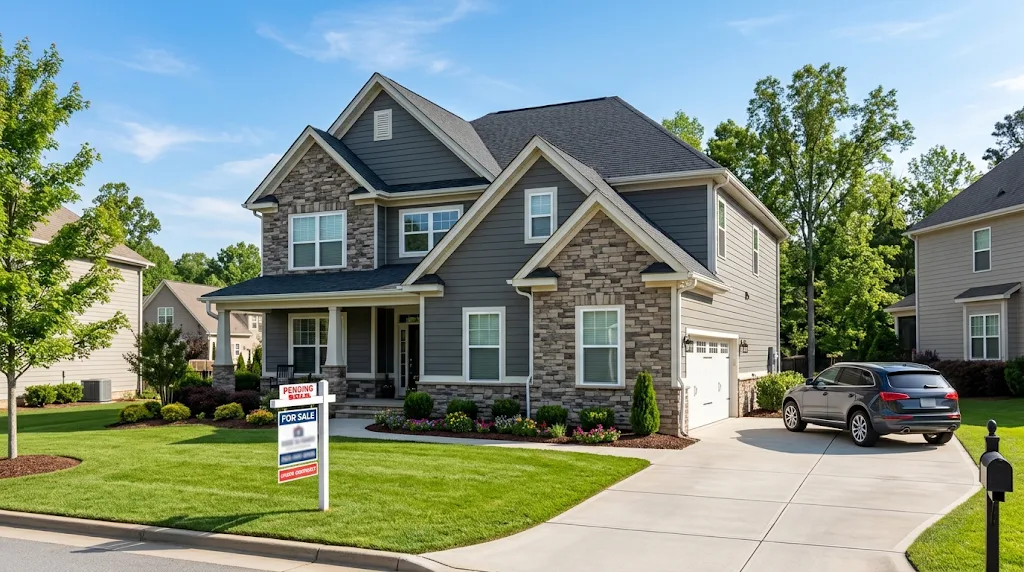
Selling a home can be a complicated process, especially when you need to move quickly. Whether you are relocating for a new job, dealing with financial pressure, managing an inherited property, or simply ready for a change, waiting several months for the right buyer may not be an option. Fortunately, homeowners in the United States have several ways to speed up the selling process without unnecessarily sacrificing the value of their property.
If you want to sell house fast, understanding your options is the first step. You can work with a traditional real estate agent, approach cash home buyers, sell directly to an investor, or explore other local selling solutions. Each approach has different advantages, costs, and timelines.
The right choice depends on your property’s condition, location, financial situation, and preferred closing date. This guide explains practical ways to sell your home faster, what to expect from different buyers, and how to make an informed decision.
Why Do Homeowners Need to Sell Their Houses Quickly?
There are many reasons homeowners decide to sell their properties on a short timeline. Sometimes the decision is planned, while other situations require immediate action.
Understanding your reason for selling can help you choose an approach that matches your circumstances.
Relocation for Work or Family
A new job, military assignment, or family responsibility may require you to move to another city or state. Managing two properties at the same time can become expensive and stressful. A faster home sale can help you complete your move without carrying unnecessary housing expenses.
Financial Difficulties
Unexpected expenses, reduced income, rising mortgage payments, and other financial challenges can make homeownership difficult. Some homeowners consider selling to access their property equity and reduce ongoing financial obligations.
If you are facing foreclosure, contact your mortgage servicer early and understand your available options. Selling may be one possibility, but the timing and any remaining mortgage balance must be considered carefully.
Inherited Property
Inheriting a house can create unexpected responsibilities, particularly when the property requires maintenance, repairs, insurance, or property tax payments. Family members may also prefer to divide the estate rather than maintain the home.
Selling an inherited property can simplify estate management, although probate requirements and ownership documentation may affect the timeline.
Divorce or Major Life Changes
Divorce, retirement, downsizing, and other personal circumstances can create a need to sell quickly. In these situations, a straightforward transaction may be more important than waiting for the highest possible offer.
5 Practical Ways to Sell House Fast
If speed is your priority, choosing the right selling method can make a significant difference. Consider the following options before making your decision.
1. Sell to a Cash Home Buyer
One of the most direct ways to speed up a property sale is to work with a cash home buyer. These buyers typically purchase properties using available funds rather than depending on traditional mortgage financing.
Because the transaction does not require a buyer’s mortgage approval, there may be fewer financing-related delays. Some cash buyers also purchase properties that need repairs, allowing sellers to avoid preparing the home for the traditional market.
However, not every cash offer is equally attractive. Investors usually consider repair expenses, resale potential, holding costs, and their expected profit when calculating an offer.
Before accepting anything, request proof of funds, review the purchase agreement, and compare the offer with other available options.
2. Work With a Real Estate Agent
A local real estate agent can help you determine a competitive asking price, prepare your listing, arrange property photography, and market your home to potential buyers.
An experienced agent may also have access to local buyer networks and understand which features attract interest in your neighborhood.
To increase your chances of a quick sale, discuss a realistic pricing strategy with your agent. An overpriced property may remain on the market longer, while competitive pricing can encourage more serious inquiries.
Remember to consider the agent’s commission and other potential selling expenses when calculating your expected proceeds.
3. Sell Your Property As-Is
Preparing a property for sale can require considerable time and money. Roof repairs, outdated kitchens, plumbing issues, damaged flooring, and other problems can make the process more complicated.
Selling as-is means offering the property in its current condition without agreeing to complete repairs as part of the sale. This approach may attract investors, landlords, and buyers interested in renovation projects.
However, selling as-is does not automatically remove your disclosure obligations. State laws vary, and sellers may still need to disclose known material defects.
You should also expect buyers to consider the property’s condition when making an offer.
4. Price Your Home Competitively
Pricing is one of the most important factors affecting how quickly a property sells. Buyers often compare several homes in the same neighborhood before arranging viewings.
Research recently sold properties with similar features, including:
- Location and neighborhood.
- Number of bedrooms and bathrooms.
- Property size and layout.
- Overall condition.
- Recent renovations and improvements.
- Available parking and outdoor space.
A local comparative market analysis can help you understand a reasonable asking price.
Avoid choosing a price based only on what you originally paid for the property or how much you have spent on improvements. Current market conditions and comparable sales are more useful indicators of potential buyer interest.
5. Make Your Home Easy to View
Convenience can influence how quickly potential buyers make decisions. If your property is difficult to visit, interested buyers may move on to other listings.
Keep the home clean, organize the main living areas, improve natural lighting, and remove unnecessary personal belongings.
If possible, offer flexible viewing appointments, including evenings or weekends. Clear photographs and an accurate property description can also encourage qualified buyers to schedule a visit.
What to Know Before Accepting a Cash Offer
Cash offers can make selling more convenient, but homeowners should understand the financial details before signing a contract.
Compare the Offer With Your Home’s Market Value
A cash buyer may offer less than the amount you could potentially receive through a traditional listing. This difference may reflect repair costs, investment risk, convenience, and the buyer’s expected profit.
Get more than one offer whenever possible. You can also ask a local real estate professional for an estimate of your property’s current market value.
Ask for Proof of Funds
A buyer claiming to have cash should be able to demonstrate that sufficient funds are available to complete the purchase. Request appropriate documentation before agreeing to remove your property from the market.
Review the Purchase Agreement
Read the contract carefully and pay attention to:
- The agreed purchase price.
- The proposed closing date.
- Inspection and other contingencies.
- Who pays closing costs.
- Any cancellation provisions.
- Whether the buyer can assign the contract to another investor.
Do not rely on verbal promises about payment or closing dates. Make sure important terms appear in the written agreement.
Calculate Your Actual Take-Home Amount
The highest offer does not always produce the highest amount in your pocket. Consider your remaining mortgage balance, outstanding property taxes, liens, closing costs, and any agreed expenses.
Comparing the estimated net proceeds from different buyers will give you a clearer picture of which offer makes financial sense.
How Long Does It Take to Sell a House?
The time required to sell a home depends on the buyer, property condition, financing arrangements, title status, and local market conditions.
Here is a general comparison of different selling methods:
| Selling method | General timeline |
|---|---|
| Cash home buyer | Potentially days to a few weeks |
| Real estate investor | Varies by investor and transaction |
| Traditional real estate listing | Several weeks to several months |
| As-is property sale | Depends on buyer interest and title requirements |
These are general planning estimates, not guaranteed closing times.
Cash transactions may move faster because they avoid the buyer’s mortgage underwriting process. However, title searches, ownership verification, outstanding liens, and other closing requirements can still take time.
A traditional sale may take longer because of financing approvals, inspections, appraisals, and negotiations. Even after accepting an offer, the transaction is not complete until the required documents are signed and the sale is finalized.
Common Mistakes to Avoid When Selling Your House Fast
Moving quickly should not mean overlooking important details. Some mistakes can reduce your proceeds or create unnecessary complications.
Accepting the First Offer
Receiving an immediate offer can feel reassuring, especially when you have a deadline. However, accepting without comparing alternatives may mean missing a better opportunity.
Consider speaking with multiple buyers and evaluating their complete offers rather than focusing only on the purchase price.
Ignoring Hidden Selling Costs
Some homeowners calculate their expected proceeds using only the agreed purchase price. This can lead to unrealistic expectations.
Potential expenses include agent commissions, title-related charges, transfer taxes where applicable, mortgage payoff amounts, and negotiated seller concessions. Actual costs depend on your location and agreement.
Overlooking Property Disclosures
Selling quickly does not mean you can ignore applicable disclosure requirements. Depending on state and local law, you may need to disclose known material defects and other information about the property.
Be transparent about issues such as water damage, roof problems, structural concerns, or previous repairs. The National Association of REALTORS® explains that disclosure requirements vary by location. National Association of REALTORS®
Signing Without Understanding the Contract
Never sign an agreement simply because a buyer promises a fast closing. Understand the cancellation terms, payment arrangements, contingencies, and any additional obligations.
If something is unclear, consult a qualified real estate attorney or closing professional before proceeding.
How to Prepare Your House for a Faster Sale
You do not necessarily need an expensive renovation to make your property more attractive. A few practical improvements can help potential buyers form a positive impression.
Improve Curb Appeal
The exterior is the first thing buyers see. Mow the lawn, remove weeds, clean the driveway, and tidy the entrance. Small improvements can make a property look better maintained.
Declutter and Clean
Remove unnecessary furniture, personal belongings, and items that make rooms appear smaller. Clean kitchens, bathrooms, windows, and floors to create a more welcoming environment.
Take Quality Property Photos
Clear photographs help buyers understand the property’s layout and condition before arranging a viewing. Use natural lighting and capture the main rooms, exterior, kitchen, bathrooms, and outdoor spaces.
Organize Important Documents
Prepare documents that may be required during the transaction, including:
- Mortgage information and payoff details.
- Property tax records.
- Homeowners insurance information.
- Previous renovation and repair records.
- Warranty documents, where available.
- Relevant ownership and title paperwork.
Having these records ready can help prevent avoidable delays when a buyer is ready to proceed.
Understanding the Home Selling and Closing Process
Once you find a suitable buyer and agree on the price, the next step is completing the transaction.
Although the exact process varies by state, most home sales involve several important stages.
Step 1: Accept an Offer
Review the buyer’s written offer, including the purchase price, deposit, contingencies, and proposed closing date. Make sure the agreement reflects everything you have negotiated.
Step 2: Complete Title and Property Checks
The closing company or title professional may review ownership records, outstanding mortgages, liens, and other issues affecting the transfer of ownership.
If documentation is missing or a title problem needs attention, resolving it early can help keep the transaction moving.
Step 3: Review Closing Documents
Before signing, carefully review the settlement statement and other documents explaining the financial terms of the sale.
Confirm that the mortgage payoff, agreed expenses, taxes, and other deductions are accurate. The Consumer Financial Protection Bureau recommends reviewing closing documents in advance and asking questions about anything that does not match your expectations. Consumer Financial Protection Bureau+1
Step 4: Complete the Sale and Receive Payment
Once the required documents are signed, funds are transferred according to the closing agreement, and the deed transfer is completed through the applicable process.
Your final proceeds will generally reflect the purchase price minus outstanding obligations and applicable selling expenses.
Is Selling to a Cash Home Buyer the Right Choice?
A cash home buyer may be a suitable option if you value convenience, have a property that needs significant repairs, or cannot wait for a traditional mortgage-financed transaction.
However, speed should not be your only consideration.
If your property is in excellent condition and located in a desirable neighborhood, listing it through a real estate agent may help you attract competitive offers. On the other hand, if the house needs substantial work or you have a tight moving deadline, a direct cash offer may be worth considering.
The best decision depends on how much time you have, the property’s condition, and how much money you need from the sale.
Homeowners looking for a straightforward selling experience can explore services such as Gaffsy to learn more about available home-selling options. Before moving forward, compare the proposed terms, verify the buyer’s ability to close, and understand the amount you will receive after expenses.
Frequently Asked Questions
1. How can I sell house fast without making repairs?
You can consider selling your property as-is to a cash home buyer or real estate investor. These buyers may purchase homes that need renovation or maintenance. However, the offer will generally reflect the property’s condition and estimated repair expenses.
2. Can I sell my house fast if I still have a mortgage?
Yes. Homeowners can generally sell properties with an outstanding mortgage. The remaining mortgage balance is usually paid from the sale proceeds at closing. If the property’s value is insufficient to cover the mortgage and selling expenses, you may need to discuss a short sale or other arrangements with your lender.
3. Do cash home buyers pay fair market value?
Not necessarily. Cash buyers often offer less than a property’s potential retail market value because they consider repairs, investment expenses, and resale risks. Compare multiple offers and calculate your estimated net proceeds before accepting one.
4. Can I sell my house fast if it needs major repairs?
Yes. Some investors and cash home buyers purchase properties with damaged roofs, outdated interiors, plumbing issues, or other maintenance problems. Selling as-is can help you avoid completing extensive renovations before the transaction.
5. Do I need a real estate agent to sell my house?
No. Depending on state requirements, you may sell directly to a buyer without hiring a traditional real estate agent. However, professional assistance from a real estate attorney, title company, or other qualified closing professional can help you understand the legal and financial aspects of the transaction.
6. What documents do I need to sell my house?
Commonly required documents include proof of ownership, identification, mortgage payoff information, property tax records, applicable disclosure forms, and the signed purchase agreement. Requirements vary by state and transaction.
7. Is selling a house for cash safer than a traditional sale?
Neither method is automatically safer. Both require careful contract review, verification of funds, and proper closing procedures. Work with a reputable closing professional and avoid transferring ownership based solely on verbal promises.
Conclusion
Selling a property does not have to become a lengthy or stressful experience. Whether you are dealing with financial difficulties, relocating, managing an inherited home, or simply looking for a fresh start, understanding your selling options can help you make a better decision.
If you want to sell house fast, start by evaluating your property’s market value, comparing cash offers, considering a traditional listing, and understanding the costs involved. Prepare your documents, communicate clearly with potential buyers, and review every agreement before signing.
A quick sale can be convenient, but a successful sale is one that also protects your financial interests. Take time to compare your options and choose a selling approach that provides the right balance of speed, convenience, and value.
SEO secondary keywords:
- Sell my house fast
- Cash home buyers
- Sell house for cash
- Fast home sale
- Sell my home as-is
- We buy houses
- Companies that buy houses for cash
- Quick house sale
- Sell property without repairs
- Real estate investors
- Cash offers for homes
- Sell house without a realtor
Editorial note: The article is written for a US audience. Before publishing, ensure that any claims about Gaffsy’s services, coverage areas, and closing timelines match its actual offerings.

Written by Twastia Editorial Team
Twastia Editorial Team shares practical insights about website design, SEO services, Google Ads, content marketing, social media, conversion rate optimization, and digital marketing strategy.
Last updated: Nov 16, 2026
Related posts from Twastia
Explore more useful articles from twastia.com about digital marketing, SEO, websites, ads, content, and growth strategy.