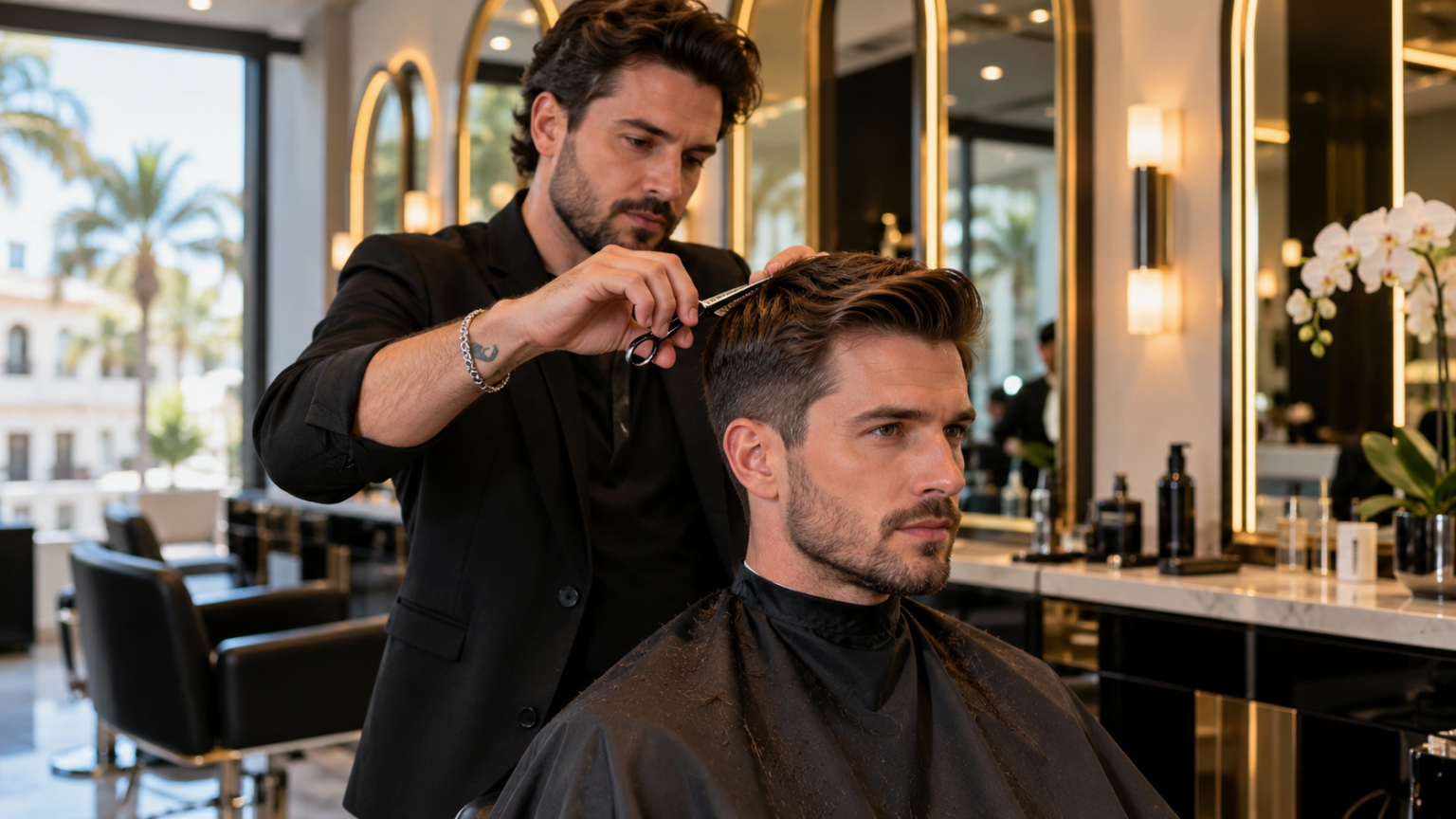
Haircuts Coral Gables: How to Choose the Right Cut, Stylist, and Salon
A haircut can change far more than the length of your hair. The right cut can improve proportion, make daily […]
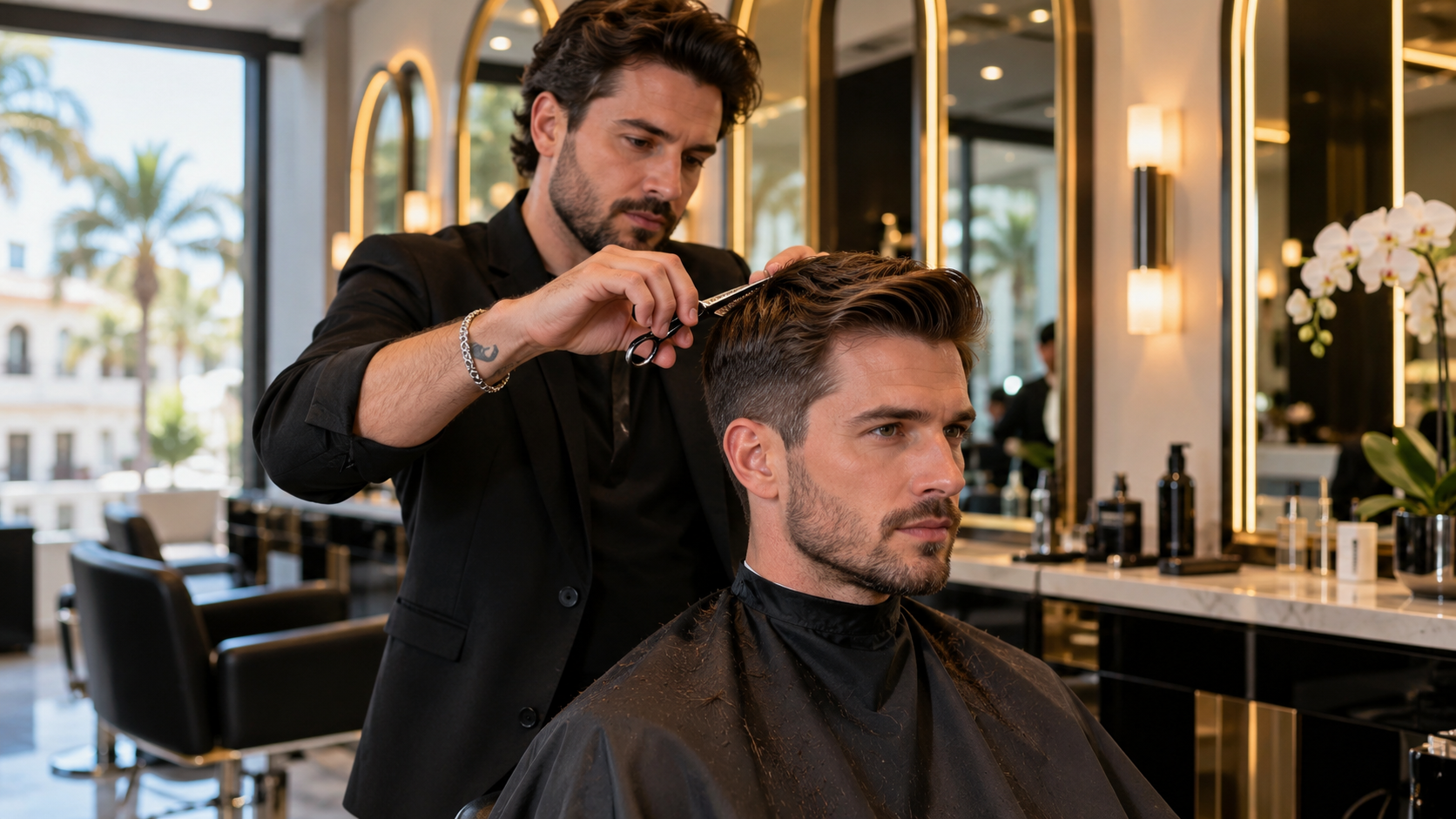
A haircut can change far more than the length of your hair. The right cut can improve proportion, make daily styling easier, highlight facial features, create movement, and make hair appear healthier and more intentional.
The wrong haircut can do the opposite.
That is why choosing a haircut should involve more than showing a stylist a photo and asking them to copy it.
If you are searching for professional haircuts in Coral Gables, factors such as face shape, hair density, texture, growth pattern, lifestyle, and maintenance preferences should all influence the final decision.
A skilled stylist does not simply reproduce a trend. They adapt the concept to the individual sitting in the chair.
This guide explains how to choose a haircut that fits you, what to discuss during a consultation, how men’s and women’s cuts differ in planning, and what separates an average salon experience from a genuinely professional one.
Why the Right Haircut Matters
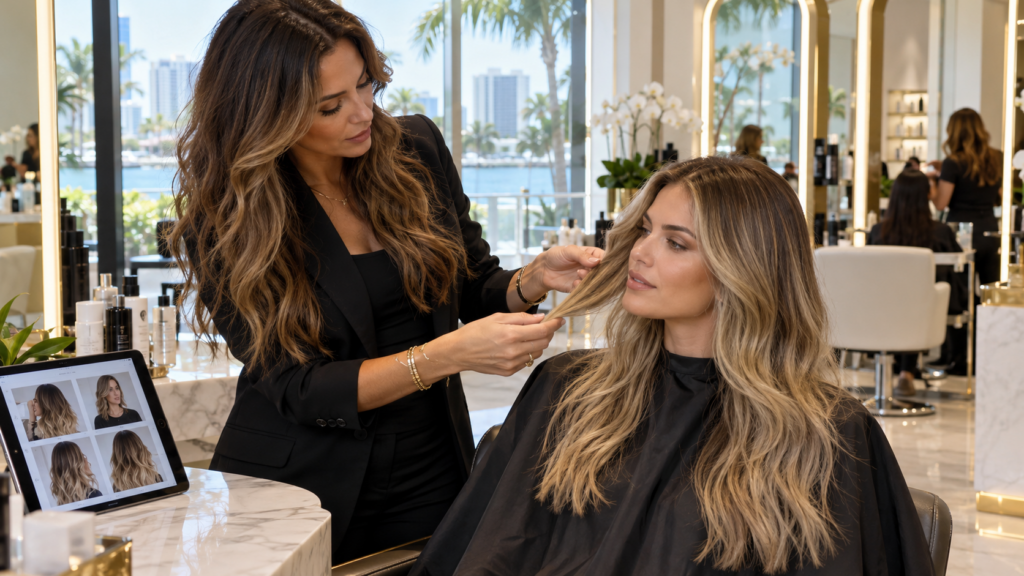
Hair is one of the strongest visual elements framing the face.
Small changes in length, volume, shape, or layering can noticeably alter overall appearance.
A well-designed haircut can:
- Emphasize cheekbones
- Soften a strong jawline
- Add perceived height
- Balance facial proportions
- Create volume in fine hair
- Reduce bulk in thick hair
- Improve natural movement
- Make daily styling easier
The objective is not simply to follow current fashion.
A good haircut should work when you leave the salon and when you style it yourself several days later.
Start With a Professional Hair Consultation
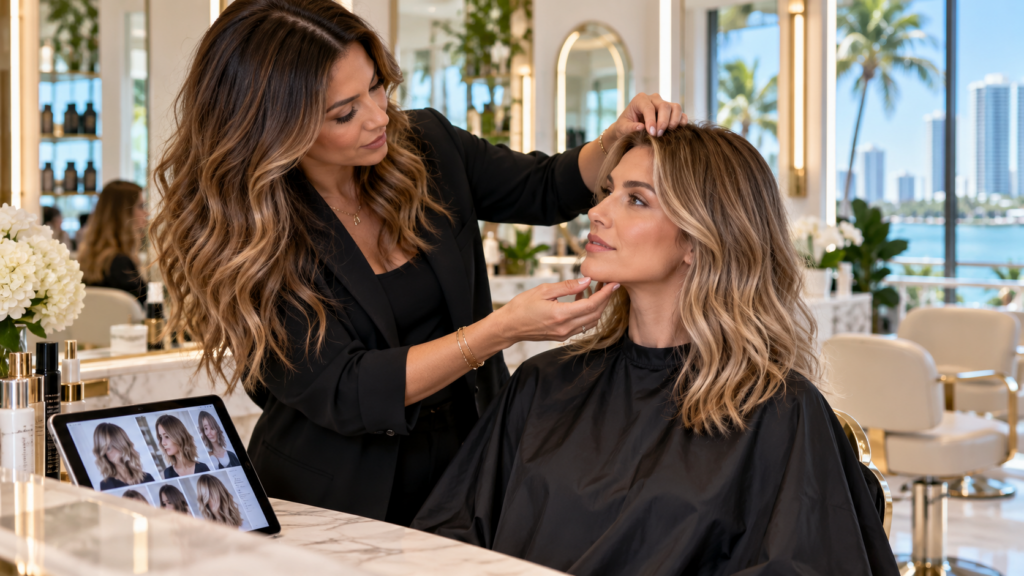
One of the most valuable parts of a salon appointment happens before the first cut is made.
A consultation allows the stylist to understand both your hair and your expectations.
Topics should include:
- Desired length
- Hair texture
- Current condition
- Styling routine
- Previous chemical treatments
- Maintenance expectations
- Professional requirements
- Personal style
The stylist should also examine how your hair naturally falls.
Two people can have the same requested haircut but require completely different cutting techniques.
Face Shape and Haircut Selection
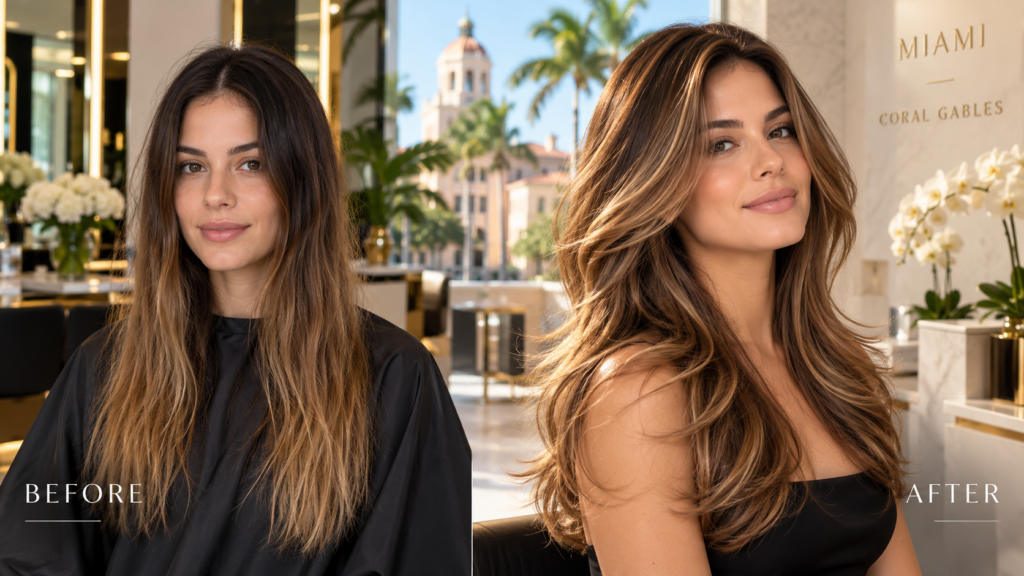
Face shape does not create rigid rules, but it can help guide proportions.
Oval Face Shape
Oval faces are relatively balanced and can work with many hairstyles.
Options may include:
- Bobs
- Long layers
- Pixie cuts
- Shoulder-length styles
- Curtain bangs
The main goal is often to preserve natural balance.
Round Face Shape
Round faces may benefit from shapes that create visual length and structure.
Options can include:
- Longer layers
- Side parts
- Angled bobs
- Volume near the crown
- Face-framing pieces
Excess width around the cheek area may make the face appear rounder.
Square Face Shape
Square faces often have a defined jawline.
Softer layers, waves, or textured styles can create contrast.
Some people may instead choose to emphasize the strong geometry with structured cuts.
Both approaches can work.
Heart-Shaped Face
Heart-shaped faces are generally wider near the forehead and narrower toward the chin.
Styles that add balance around the lower part of the face can work particularly well.
Long or Oblong Face Shape
Very long hairstyles with little width can visually lengthen the face further.
Bangs, waves, layers, and moderate volume may help create balance.
Hair Texture Matters as Much as Face Shape
A hairstyle seen on straight, fine hair may behave completely differently on thick curls.
Professional haircut planning should always consider texture.
Fine Hair
Fine hair can lose volume easily.
Cuts that may work well include:
- Blunt bobs
- Lobs
- Soft layers
- Shorter shapes
Too many layers can sometimes make fine hair appear thinner.
The goal is often to maintain density.
Thick Hair
Thick hair provides plenty of volume but can become heavy.
Strategic layering can:
- Remove bulk
- Increase movement
- Reduce weight
- Improve styling
The stylist must remove weight carefully without making the ends look overly thin.
Curly Hair
Curly hair requires attention to shrinkage and curl pattern.
Because curls can change shape dramatically as they dry, the stylist needs to understand how the hair behaves naturally.
Some curly haircuts are performed differently from traditional wet cutting.
Wavy Hair
Wavy textures offer flexibility.
A good cut can strengthen the natural wave pattern while preventing areas from becoming too heavy.
Layers can be particularly effective when placed correctly.
Women’s Haircuts: Choosing the Right Style
Women’s haircuts range from very short shapes to long layered styles.
The best choice depends on much more than current trends.
The Bob
The bob remains popular because it can be adapted in many ways.
Options include:
- Chin-length bob
- Blunt bob
- Textured bob
- Angled bob
- French bob
A precision bob requires careful cutting because inconsistencies are highly visible.
The Lob
A long bob, or lob, generally sits around shoulder length.
It offers many benefits:
- Easier maintenance than very long hair
- Enough length for tying back
- Works with straight or wavy textures
- Can look polished or casual
It is often a useful transition for someone who wants a noticeable change without going dramatically short.
Long Layers
Long layered hair remains popular because layers can create shape without removing much overall length.
They can add:
- Movement
- Volume
- Face framing
- Texture
Poorly positioned layers, however, can make the ends look thin.
Technique matters.
Pixie Cuts
Pixie cuts can create a strong, confident appearance.
They may be:
- Soft and feminine
- Textured
- Sleek
- Edgy
Short hair often requires more frequent salon visits because shape changes become visible quickly as the hair grows.
Bangs and Fringes
Bangs can dramatically alter appearance without changing the entire haircut.
Popular variations include:
- Curtain bangs
- Blunt bangs
- Side-swept bangs
- Wispy bangs
The choice should consider forehead shape, hair texture, growth patterns, and styling commitment.
Men’s Haircuts Require the Same Level of Planning
Men’s haircuts may appear simpler because they are often shorter, but precision matters even more when there is less hair to hide inconsistencies.
The haircut should account for:
- Head shape
- Hairline
- Density
- Facial hair
- Face shape
- Natural growth direction
The linked Coral Gables salon specifically emphasizes analyzing head shape, face shape, and hair texture before recommending men’s styles. Danny Jelaca Salon
Crew Cut
The crew cut is clean, practical, and relatively easy to maintain.
It can be adapted using:
- Different fade heights
- Longer texture on top
- Tapered sides
Textured Crop
A textured crop provides movement while keeping the overall style short.
It can work particularly well for men who prefer less daily styling.
Side Part
The side part remains a classic professional style.
The final result depends heavily on:
- Length
- Taper
- Product
- Natural growth direction
Undercut
An undercut creates contrast between longer hair on top and shorter sides.
It can produce a stronger, more fashion-focused appearance.
Longer Men’s Styles
Longer men’s hair requires intentional shaping.
Without structure, longer styles can become heavy or uneven.
Strategic layering helps maintain movement.
Consider Your Lifestyle Before Choosing a Cut
A haircut must fit your actual routine.
A style requiring 30 minutes of daily blow-drying may be unrealistic for someone who wants to leave home five minutes after showering.
Before committing, ask yourself:
- How often do I style my hair?
- Do I use heat tools?
- Will I use styling products?
- How often can I visit the salon?
- Do I need to tie my hair back?
- Does my workplace influence my style?
A good stylist should factor these answers into the recommendation.
Maintenance Level Matters
Different cuts grow out differently.
High-Maintenance Cuts
These may include:
- Precision bobs
- Short pixies
- Skin fades
- Strong geometric shapes
They often require more regular appointments.
Lower-Maintenance Cuts
Longer layers and softer shapes generally tolerate growth better.
This does not mean they require no maintenance, but they may remain visually balanced longer.
Bring Inspiration Photos, But Use Them Correctly
Photos are useful because visual language is clearer than vague terms such as “a little shorter.”
Bring several images rather than one.
Explain what you like in each photo.
For example:
“I like the length in this one, but the layers in the second photo.”
This helps the stylist understand the underlying preference.
However, the final haircut should be adapted to your hair.
Identical copying is rarely realistic because hair density, texture, facial proportions, and styling methods differ.
Precision Cutting vs. Trend Cutting
Trends change quickly.
Precision cutting focuses more on structure.
A skilled stylist understands:
- Weight distribution
- Elevation
- Graduation
- Overdirection
- Texture
- Balance
These principles allow fashionable styles to be adapted without sacrificing technical quality.
The best haircut usually combines both structure and creativity.
Haircut and Color Should Work Together
If you color your hair, cutting and color should ideally be planned together.
For example, layering can affect how highlights appear.
Similarly, balayage placement may look different after several inches of hair are removed.
Discuss both services before either begins.
This is particularly important when making a dramatic transformation.
Signs of a Strong Professional Hair Salon
Choosing the stylist is often more important than choosing the hairstyle.
Look for a salon that emphasizes consultation and personalization.
A professional experience generally includes:
- Clear consultation
- Realistic recommendations
- Clean tools
- Professional technique
- Attention to detail
- Styling guidance
- Transparent pricing
The Danny Jelaca Salon haircut page, for example, lists dedicated women’s and men’s haircut services and describes its approach as tailored to individual features and hair characteristics. Danny Jelaca Salon
What to Ask Your Stylist
Do not hesitate to ask questions.
Useful questions include:
“Will this work with my natural texture?”
The answer should be specific.
“How much styling does this require?”
You should understand the daily commitment.
“How often will I need a haircut?”
This helps you estimate maintenance.
“What happens as it grows out?”
A good stylist thinks beyond the first week.
“Which products do I actually need?”
You should not need ten products to maintain a well-designed cut.
How Often Should You Get a Haircut?
There is no universal schedule.
Frequency depends on:
- Hair length
- Haircut style
- Texture
- Damage
- Desired appearance
Short precision cuts usually require more frequent maintenance.
Longer hair can often go longer between appointments.
Instead of following a fixed calendar, monitor shape and condition.
If the haircut stops styling correctly, it may be time for a trim.
Common Haircut Mistakes to Avoid
Choosing Only From Trends
A trending style may not suit your hair type or maintenance preferences.
Asking for a Major Change Without Consultation
Transformation should be planned.
Ignoring Shrinkage
Curly and wavy hair can look significantly shorter after drying.
Removing Too Much Density
Aggressive thinning can create frizz or weak-looking ends.
Choosing a Cut You Cannot Maintain
A haircut that looks good only after professional styling may become frustrating.
Preparing for Your Salon Appointment
Arrive with your hair in a condition that allows the stylist to understand its natural behavior.
If possible:
- Avoid extremely heavy styling products
- Bring reference images
- Know your approximate desired length
- Explain previous chemical services
- Mention styling difficulties
Honest communication produces better outcomes.
Aftercare Matters
A professional haircut should come with basic home-care guidance.
The stylist may recommend:
- Shampoo frequency
- Conditioning
- Heat protection
- Styling products
- Drying techniques
The goal is not merely to recreate the exact salon finish.
It is to maintain the shape and health of the haircut.
Frequently Asked Questions
How do I choose the best haircut in Coral Gables?
Start with a stylist who offers a detailed consultation and considers your hair texture, face shape, lifestyle, maintenance preferences, and desired look.
What haircut is best for my face shape?
There is no single rule. Face shape can guide proportions, but hair texture, density, personality, and lifestyle are equally important.
Should I bring haircut photos to my appointment?
Yes. Reference photos help communicate your preferences, but expect the stylist to adapt the look to your individual hair.
How often should women get a haircut?
It depends on style and hair condition. Short precision cuts generally require more frequent maintenance than long layered styles.
How often should men get a haircut?
Short fades and highly structured cuts may need frequent maintenance, while longer styles can usually go longer between appointments.
What is a precision haircut?
Precision cutting uses careful technical control of shape, weight, length, and balance to create a deliberate final structure.
Can a haircut make fine hair look thicker?
Certain cuts, such as blunt or moderately layered styles, can help preserve visual density and make fine hair appear fuller.
What haircut works best for thick hair?
Strategic layering and controlled weight removal can make thick hair easier to manage while maintaining shape.
Should curly hair be cut differently?
Often, yes. Curl pattern, shrinkage, density, and natural movement all influence how curly hair should be cut.
Can a salon recommend a haircut for me?
A professional stylist should be able to recommend options after evaluating your face shape, hair texture, density, lifestyle, and maintenance expectations.
Conclusion
Finding the right haircuts in Coral Gables is not simply about choosing the most fashionable style.
A successful haircut is a combination of technical cutting, individual proportions, hair behavior, lifestyle, and communication between client and stylist.
Start with your natural hair rather than trying to force it into a style that requires constant correction.
Consider your face shape, but do not treat it as a rigid formula. Evaluate texture, density, growth patterns, maintenance, and daily styling commitment at the same time.
Most importantly, choose a stylist who asks questions before cutting.
A strong consultation should identify what you want, determine whether it is realistic for your hair, and adapt the idea into a version that works specifically for you.
Whether you prefer a precision bob, long layers, a textured men’s crop, a classic side part, or a dramatic transformation, the same principle applies: the best haircut is not merely the one that looks good immediately after the appointment.
It is the one that continues to look and feel right when you are styling it yourself weeks later.

Written by Twastia Editorial Team
Twastia Editorial Team shares practical insights about website design, SEO services, Google Ads, content marketing, social media, conversion rate optimization, and digital marketing strategy.
Last updated: Oct 8, 2026
Related posts from Twastia
Explore more useful articles from twastia.com about digital marketing, SEO, websites, ads, content, and growth strategy.