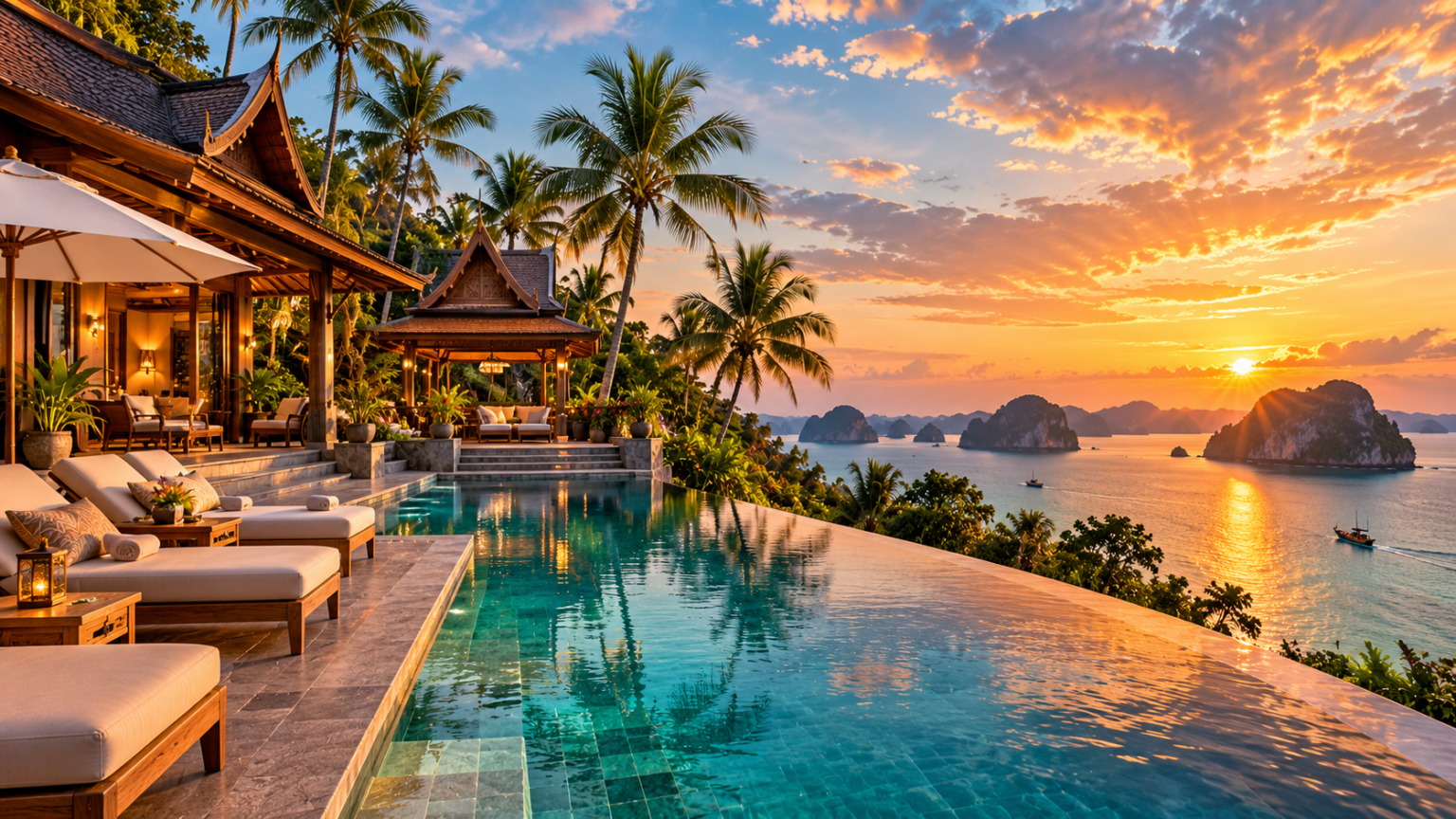
Hotels in Thailand: A Complete Guide to Where to Stay for Every Type of Trip
Thailand has remained one of Southeast Asia’s most popular travel destinations because it offers something for almost every type of […]
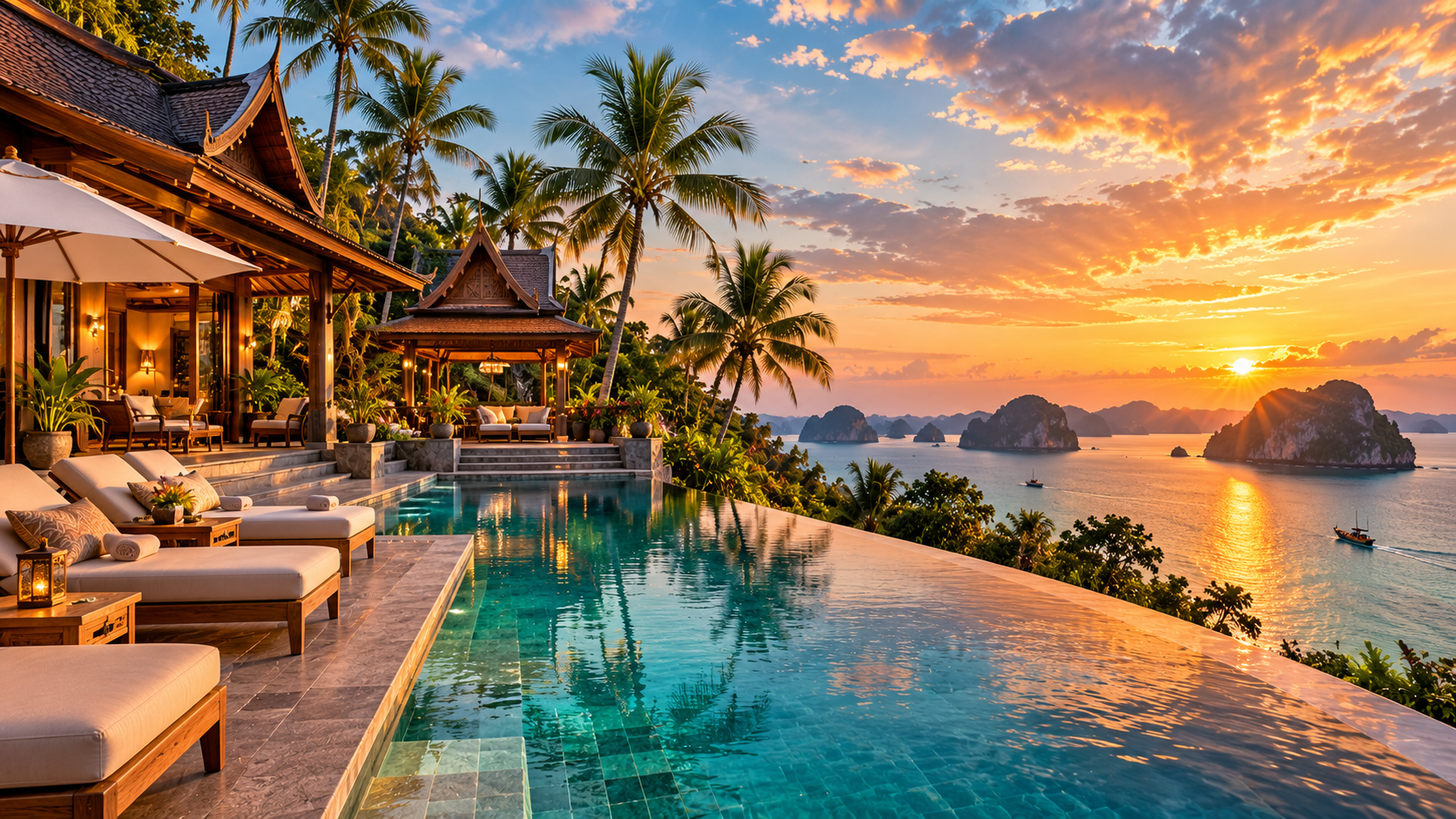
Thailand has remained one of Southeast Asia’s most popular travel destinations because it offers something for almost every type of traveler. You can explore modern cities, ancient temples, tropical islands, mountain communities, world-famous beaches, night markets, and exceptional food within a single trip.
Where you stay can have a major impact on how much you enjoy that experience.
Choosing the right hotels in Thailand is not simply about finding the lowest nightly rate. Location, transportation, season, property style, amenities, and the type of trip you are planning all matter.
A hotel that is perfect for a honeymoon in Phuket may be inconvenient for a traveler spending most of the day sightseeing. Likewise, a luxury Bangkok property may offer excellent facilities but be poorly located for your planned attractions.
This guide explains how to choose accommodation across Thailand, what different regions offer, which hotel types are available, and what American travelers should consider before booking.
Why Thailand Offers Such a Wide Range of Hotels
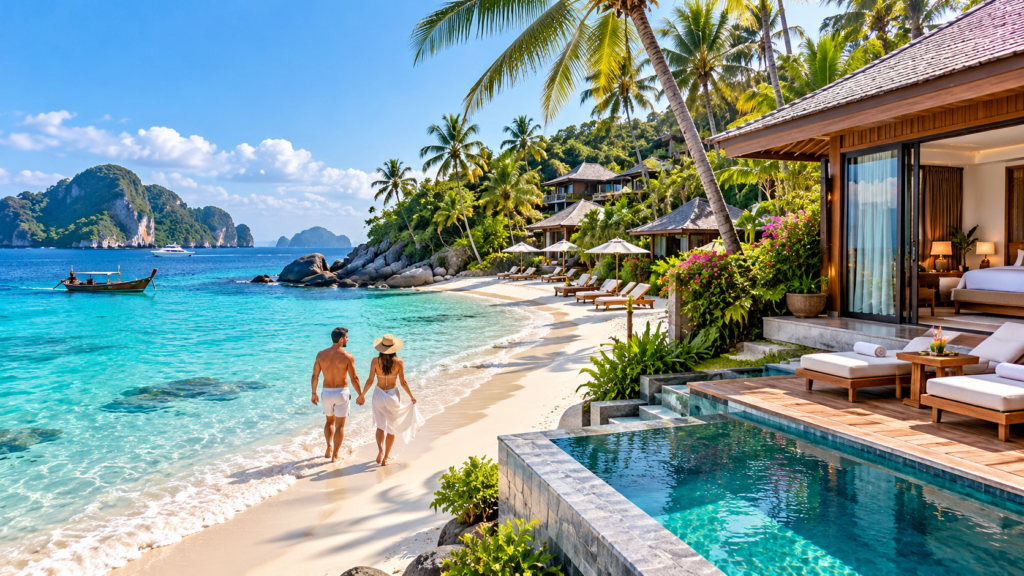
Thailand’s tourism industry serves everyone from backpackers to luxury travelers.
Accommodation options include:
- International hotel chains
- Boutique hotels
- Beach resorts
- Private villas
- Budget hotels
- Hostels
- Serviced apartments
- Eco-resorts
- Wellness retreats
- Family resorts
This range gives travelers flexibility, but it can also make the booking process overwhelming.
The best way to narrow your choices is to start with destination, travel style, and budget before comparing individual properties.
Choosing the Right Location Comes First
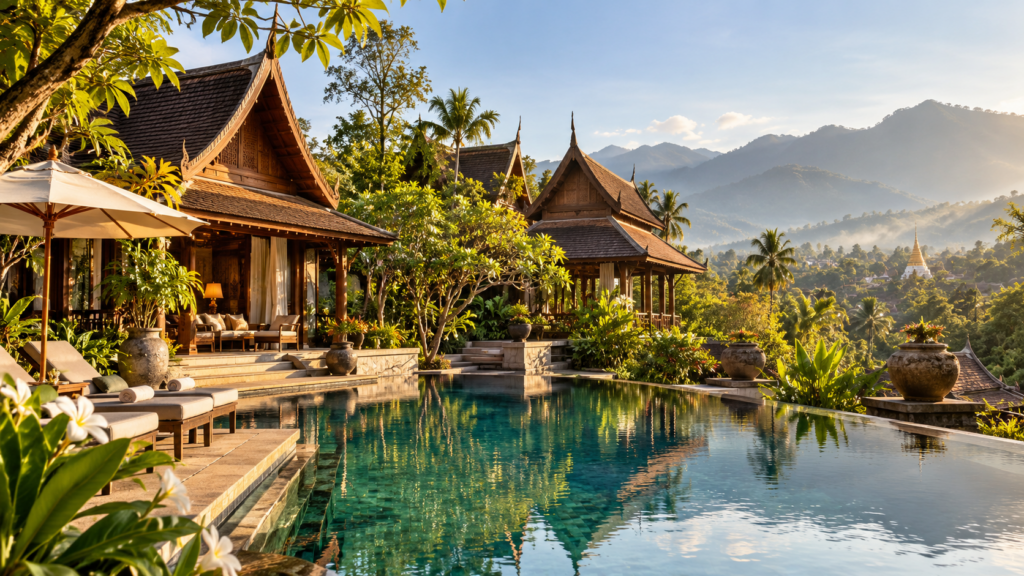
A beautiful hotel in the wrong location can make a trip unnecessarily difficult.
Before looking at rooms, identify what you want to do.
Ask yourself:
- Do I want beaches or city attractions?
- Is nightlife important?
- Do I need public transportation nearby?
- Am I traveling with children?
- Do I want privacy?
- Will I spend most of my time at the resort?
- Do I want walkable restaurants and shops?
Once these questions are answered, choosing a neighborhood becomes much easier.
Hotels in Bangkok
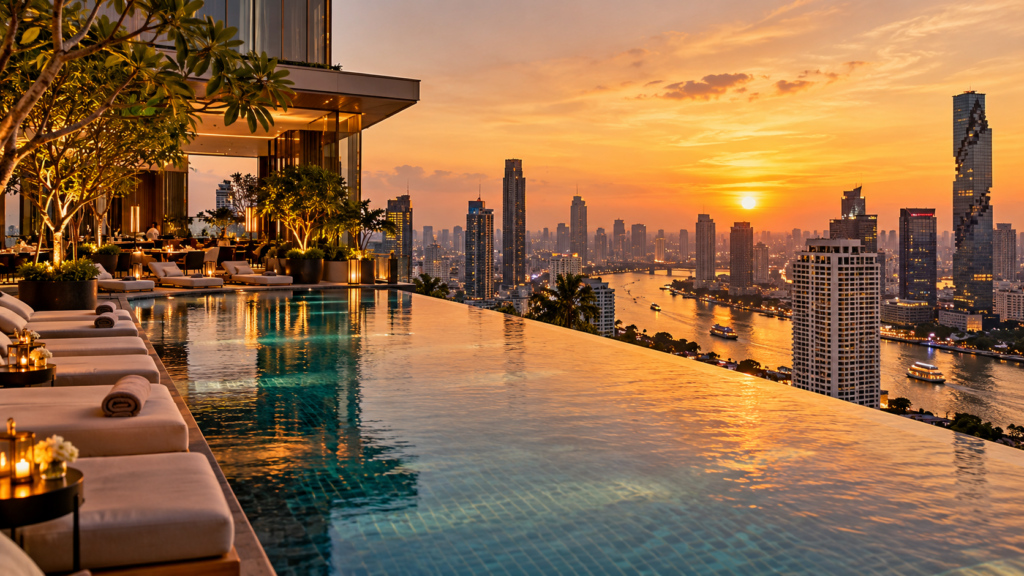
Bangkok is usually the arrival point for international visitors flying into Thailand.
The city is enormous, and traffic can be heavy, so location is particularly important.
Sukhumvit
Sukhumvit is one of Bangkok’s most popular areas for international travelers.
It offers:
- Restaurants
- Shopping malls
- Nightlife
- Hotels across different budgets
- Convenient BTS Skytrain access
It works well for travelers who want modern city convenience.
Silom and Sathorn
These neighborhoods combine business districts, restaurants, nightlife, and upscale hotels.
They can be good options for business travelers and visitors looking for a more polished urban environment.
Riverside
Bangkok’s riverside hotels can provide some of the city’s most impressive views.
Many luxury properties are located along the Chao Phraya River.
The area suits travelers who value:
- Scenic surroundings
- High-end resorts
- River transportation
- Quieter evenings
However, check transportation options because some riverside locations are less convenient for certain neighborhoods.
Old Bangkok
Travelers primarily interested in historic attractions may prefer areas near major temples and older districts.
This can reduce travel time to cultural sites but may provide less convenient access to modern shopping and nightlife.
Hotels in Phuket
Phuket is one of Thailand’s best-known island destinations.
It offers everything from busy beach towns to secluded luxury resorts.
The experience varies significantly depending on which part of the island you choose.
Patong
Patong is known for:
- Nightlife
- Restaurants
- Shopping
- Busy beaches
- Entertainment
It is appropriate for travelers who want activity and convenience.
It is usually less suitable for those looking for complete peace and privacy.
Kata and Karon
Kata and Karon offer popular beaches with a somewhat more relaxed atmosphere than central Patong.
They can work well for:
- Couples
- Families
- First-time visitors
- Beach-focused vacations
Bang Tao and Laguna
This part of Phuket contains several upscale resorts and larger properties.
It appeals to travelers seeking:
- Resort facilities
- Golf
- Family amenities
- More spacious surroundings
Northern Phuket
Northern areas tend to feel quieter.
Luxury resorts in these areas may offer a more private experience but can be farther from major nightlife and attractions.
Hotels in Chiang Mai
Chiang Mai offers a completely different experience from Thailand’s beaches.
Located in northern Thailand, the city is known for temples, markets, food, mountains, and a slower pace.
Old City
The historic center is convenient for first-time visitors.
Many temples, cafés, restaurants, and cultural attractions are within walking distance.
Accommodation includes:
- Guesthouses
- Boutique hotels
- Mid-range hotels
Nimman
Nimman is a modern neighborhood popular for cafés, restaurants, digital nomad culture, and nightlife.
It works well for travelers who want a contemporary atmosphere.
Riverside and Countryside
Travelers looking for relaxation may prefer hotels outside the busiest central districts.
Some resorts offer:
- Gardens
- Pools
- Mountain views
- Wellness facilities
These can be ideal for longer stays or romantic trips.
Hotels on Koh Samui
Koh Samui combines beaches with a strong resort industry.
The island has accommodation for both budget and luxury travelers.
Chaweng
Chaweng offers:
- A popular beach
- Restaurants
- Shopping
- Nightlife
It suits travelers who want convenience and entertainment.
Bophut
Bophut has a more relaxed atmosphere and is known for the Fisherman’s Village area.
It can work well for couples and families.
quieter Coastal Areas
Travelers looking for privacy can find resorts in less developed parts of the island.
These properties may provide beautiful surroundings but fewer restaurants or shops within walking distance.
Hotels in Krabi
Krabi is another popular southern Thailand destination.
It is often used as a base for beaches, limestone cliffs, boat trips, and nearby islands.
Ao Nang
Ao Nang is one of the most practical areas for visitors.
It provides:
- Hotels
- Restaurants
- Boat services
- Shops
- Easy access to excursions
Railay
Railay is famous for dramatic limestone scenery and beaches.
It feels more secluded because access is primarily by boat.
The area can be ideal for travelers prioritizing scenery over convenience.
Island Resorts in Thailand
Thailand has many islands beyond Phuket and Koh Samui.
Options include destinations such as:
- Koh Phi Phi
- Koh Lanta
- Koh Tao
- Koh Chang
- Koh Yao
- Koh Phangan
Each island has a different atmosphere.
Some focus on nightlife.
Others attract divers.
Some are better for families, while others specialize in luxury or isolation.
Do not choose an island based only on photos. Consider transportation, weather, infrastructure, and what you plan to do.
Luxury Hotels in Thailand
Thailand has a strong reputation for luxury hospitality.
High-end hotels may offer:
- Private pools
- Beachfront villas
- Personal butler service
- Spa facilities
- Fine dining
- Private transfers
- Club lounges
- Ocean or city views
Luxury accommodation can sometimes offer better value than comparable properties in major U.S. destinations.
However, the final price may increase significantly when taxes, transportation, food, spa treatments, and additional services are included.
Boutique Hotels
Boutique hotels provide an alternative to large international chains.
They are generally smaller and may emphasize:
- Local architecture
- Personalized service
- Unique interiors
- Neighborhood experiences
These properties can be especially attractive in Bangkok and Chiang Mai.
The trade-off is that smaller hotels may offer fewer facilities than large resorts.
Budget Hotels and Hostels
Thailand remains popular with budget travelers because affordable accommodation is widely available.
Budget hotels can provide basic facilities such as:
- Private bathroom
- Air conditioning
- Wi-Fi
- Daily housekeeping
Hostels may offer shared rooms as well as private rooms.
Low price does not necessarily mean poor quality, but reviews and recent photographs should be checked carefully.
Beachfront vs. Beach-Access Hotels
These terms are not always the same.
A beachfront hotel usually sits directly beside the beach.
A hotel advertising beach access may require:
- A short walk
- Crossing a road
- Using a shuttle
- Walking through another area
If direct beachfront access matters to you, verify the property’s exact location on a map.
Do not rely only on marketing photographs.
Choosing Hotels for Families
Families have different requirements from solo travelers or couples.
Useful features can include:
- Connecting rooms
- Family suites
- Kids’ clubs
- Children’s pools
- Babysitting
- Kitchen facilities
- Breakfast options
Location also matters.
Long transportation times can become exhausting when traveling with young children.
A centrally located hotel may provide more value than a cheaper property far from attractions.
Hotels for Couples and Honeymoons
Thailand is a major honeymoon destination.
Couples often prioritize:
- Privacy
- Scenic views
- Spa services
- Adults-oriented pools
- Private villas
- Romantic dining
A private pool villa can create a completely different experience from a standard hotel room.
However, check how private the pool actually is.
Some villas are visible from nearby buildings or walking paths.
Business Hotels
Business travelers should prioritize functionality.
Important considerations include:
- Reliable Wi-Fi
- Airport access
- Meeting rooms
- Workspace
- Transportation
- Breakfast hours
In Bangkok, proximity to BTS or MRT stations can reduce time lost in traffic.
Understanding Thailand’s Travel Seasons
Hotel pricing changes significantly throughout the year.
High Season
Peak travel periods usually bring:
- Better weather in popular regions
- Higher room prices
- Larger crowds
- Reduced last-minute availability
Low Season
Lower-demand periods may offer substantial discounts.
However, weather conditions can affect:
- Beaches
- Boat trips
- Outdoor activities
Thailand’s weather varies by region, so the “best season” is not identical everywhere.
How Far in Advance Should You Book?
Booking timing depends on season and destination.
For major holiday periods and popular beach resorts, earlier booking is sensible.
Travelers planning:
- Christmas trips
- New Year vacations
- Honeymoons
- Major festivals
should generally avoid waiting until the last minute.
During lower-demand periods, more flexibility may be available.
Hotel Reviews: What to Look For
Star ratings alone are not enough.
Read recent reviews and look for repeated patterns.
Pay attention to comments about:
- Cleanliness
- Noise
- Air conditioning
- Staff
- Wi-Fi
- Location
- Breakfast
- Maintenance
One negative review does not necessarily indicate a bad property.
Repeated complaints about the same issue are more meaningful.
Check the Map Before Booking
This simple step prevents many travel mistakes.
A hotel may describe itself as being near a popular attraction while actually requiring a long drive.
Check distances to:
- Beaches
- Transportation
- Restaurants
- Shopping
- Attractions
Also consider terrain.
A short distance on a map may involve a steep hill that is inconvenient to walk.
Transportation Matters
Some resort locations require taxis or private transfers for almost every trip.
Transportation costs can accumulate.
A cheaper remote hotel may eventually cost more than a centrally located one once daily transportation is included.
Consider the complete cost of staying at the property.
Check What the Room Rate Includes
Hotel rates may include or exclude:
- Breakfast
- Airport transfers
- Extra beds
- Resort activities
- Taxes
- Service charges
Review the final price before booking.
A room that initially appears cheaper may cost more after mandatory charges are added.
Cancellation Policies
Travel plans can change.
Before confirming a booking, check:
- Cancellation deadline
- Refundability
- Deposit requirements
- No-show penalties
- Date-change rules
Non-refundable rates may save money but provide little flexibility.
For expensive trips, flexibility may be worth paying for.
Safety and Security
Thailand is visited safely by millions of travelers, but ordinary travel precautions remain important.
When choosing accommodation, consider:
- Reception availability
- Room safes
- Secure entrances
- Transportation access
- Recent guest feedback
Solo travelers may particularly value hotels located in active, well-connected areas.
Accessibility
Travelers with mobility requirements should verify accessibility directly with the hotel.
Questions may include:
- Are elevators available?
- Are there stairs to rooms?
- Are bathrooms wheelchair accessible?
- Is the pool accessible?
- Is transportation available?
Do not assume a property described as “accessible” meets your specific needs.
Sustainable Hotels
Some travelers prefer environmentally responsible accommodation.
Hotels may reduce environmental impact through:
- Solar energy
- Water conservation
- Reduced plastic use
- Local sourcing
- Waste reduction
Marketing claims should still be evaluated critically.
Look for concrete practices rather than vague “eco-friendly” language.
Common Hotel Booking Mistakes
Choosing the Cheapest Option Automatically
A low rate can become expensive when transportation and poor location are considered.
Ignoring Recent Reviews
Hotel quality can change over time.
Booking the Wrong Neighborhood
This can waste hours of vacation time.
Assuming Every Beach Resort Has a Private Beach
Many beaches remain publicly accessible.
Ignoring Cancellation Terms
Cheap non-refundable rates can become costly if plans change.
Frequently Asked Questions
What are the best areas to book hotels in Thailand?
It depends on your trip. Bangkok is ideal for urban experiences, Phuket and Koh Samui for resorts and beaches, Chiang Mai for culture and mountains, and Krabi for coastal scenery and island trips.
Are hotels in Thailand expensive?
Thailand offers accommodation across a wide range of budgets, from inexpensive hostels and guesthouses to ultra-luxury resorts.
Is it better to book Thailand hotels in advance?
Advance booking is recommended during high season, holidays, and for popular luxury resorts. Lower-demand periods may allow more last-minute flexibility.
Which part of Thailand is best for first-time visitors?
Many first-time visitors combine Bangkok with a northern destination such as Chiang Mai or a southern beach destination such as Phuket, Krabi, or Koh Samui.
Are beachfront hotels worth it?
They can be worthwhile for travelers who plan to spend substantial time at the beach. If most of your trip involves sightseeing, location near transportation may provide more value.
Are Thailand hotels family-friendly?
Many resorts cater specifically to families and offer kids’ clubs, family rooms, pools, and activities.
Do hotels in Thailand include breakfast?
Some do, while others charge separately. Always check the booking conditions.
What should I check before booking a hotel in Bangkok?
Pay particular attention to neighborhood, BTS or MRT access, traffic, recent reviews, and distance from the attractions you plan to visit.
Are luxury resorts in Thailand good for honeymoons?
Thailand has many luxury resorts offering private villas, spas, beachfront locations, and romantic dining, making it a popular honeymoon destination.
What is the best way to compare Thailand hotels?
Compare location, recent reviews, room type, amenities, total price, cancellation terms, and transportation costs rather than focusing only on nightly rates.
Conclusion
Choosing the right hotels in Thailand can significantly shape your travel experience.
Thailand offers extraordinary variety, from Bangkok skyscrapers and Chiang Mai boutique properties to private island villas and large beachfront resorts.
The best hotel is not necessarily the most expensive one.
It is the property that fits your destination, budget, travel style, and daily plans.
Start with location. Decide what you want to experience and identify the neighborhood or region that minimizes unnecessary travel.
Then compare recent reviews, amenities, room types, transportation, cancellation terms, and total price.
For beach trips, verify actual beach access. For Bangkok, prioritize transportation. For families, look for practical room configurations and child-friendly facilities. For honeymooners, privacy and atmosphere may matter more than central location.
Most importantly, do not evaluate accommodation in isolation.
A hotel is part of the wider trip. A slightly more expensive property in the right location can save time, transportation costs, and frustration.
Choose based on how you actually plan to experience Thailand, and your accommodation can become more than a place to sleep—it can become one of the strongest parts of the journey.

Written by Twastia Editorial Team
Twastia Editorial Team shares practical insights about website design, SEO services, Google Ads, content marketing, social media, conversion rate optimization, and digital marketing strategy.
Last updated: Oct 8, 2026
Related posts from Twastia
Explore more useful articles from twastia.com about digital marketing, SEO, websites, ads, content, and growth strategy.