How to Reduce Fuel Costs: Smart Ways to Save Money in 2026
Fuel is one of those expenses that can quietly eat into your budget. Whether you manage a commercial trucking fleet, […]
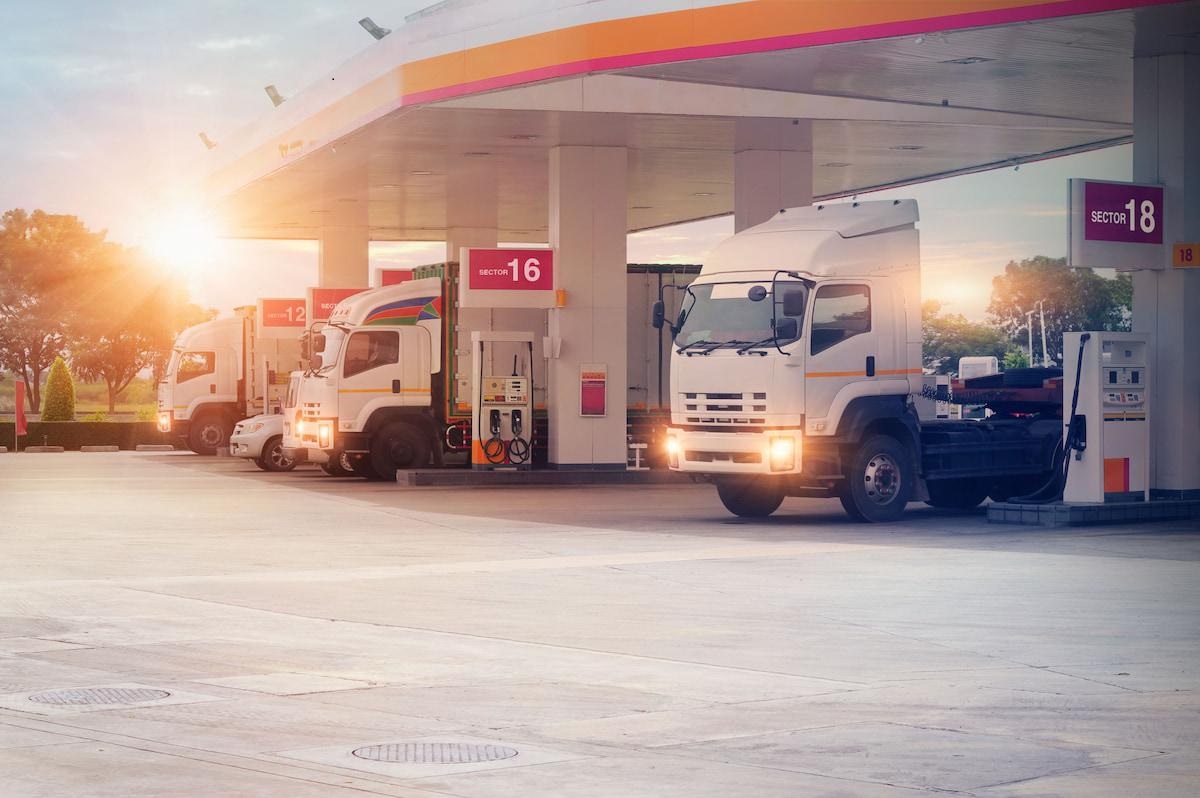
Fuel is one of those expenses that can quietly eat into your budget. Whether you manage a commercial trucking fleet, operate a small delivery business, or simply drive to work every day, the amount you spend on gasoline or diesel can make a noticeable difference to your finances.
For American businesses that depend on transportation, fuel costs are more than another monthly bill. They directly affect operating expenses, service pricing, and overall profitability.
The challenge is that fuel prices are constantly changing. While you cannot control what happens in global oil markets, you can control how efficiently your vehicles use fuel and how your business purchases it.
Small improvements in driving habits, maintenance, route planning, and fuel management can create meaningful savings over time.
This guide explains what influences fuel expenses, why they matter for businesses, and the practical strategies you can use to reduce unnecessary spending without compromising daily operations.
What Are Fuel Costs and Why Do They Matter?
Fuel costs represent the money spent purchasing gasoline, diesel, or other fuels needed to operate vehicles and equipment.
For an individual driver, these expenses typically include commuting, errands, and personal travel.
For businesses, the picture is more complicated.
A company operating delivery vans, construction equipment, service trucks, or commercial transportation vehicles may purchase thousands of gallons every month.
Fuel expenses can influence:
- Transportation and delivery costs
- Product and service pricing
- Business operating margins
- Fleet management budgets
- Long-term financial planning
- Overall business competitiveness
Consider a company operating 20 delivery trucks. Even a modest increase in the average cost per gallon can significantly affect its annual fuel budget.
That’s why effective fuel management involves more than finding the cheapest gas station. It requires understanding where fuel is being consumed and identifying opportunities to operate more efficiently.
What Factors Influence Fuel Costs in the United States?

Several interconnected factors determine how much Americans pay for gasoline and diesel.
Understanding these factors makes it easier to distinguish between expenses you can control and broader market conditions.
Crude Oil Prices and Global Supply
Crude oil is a major component of gasoline and diesel production.
Changes in global oil supply, demand, geopolitical events, and production decisions can affect crude oil prices.
Because fuel is traded within interconnected markets, developments outside the United States may influence what American drivers pay.
However, retail prices also depend on refining, distribution, taxes, and local market conditions.
Seasonal Demand and Regional Differences
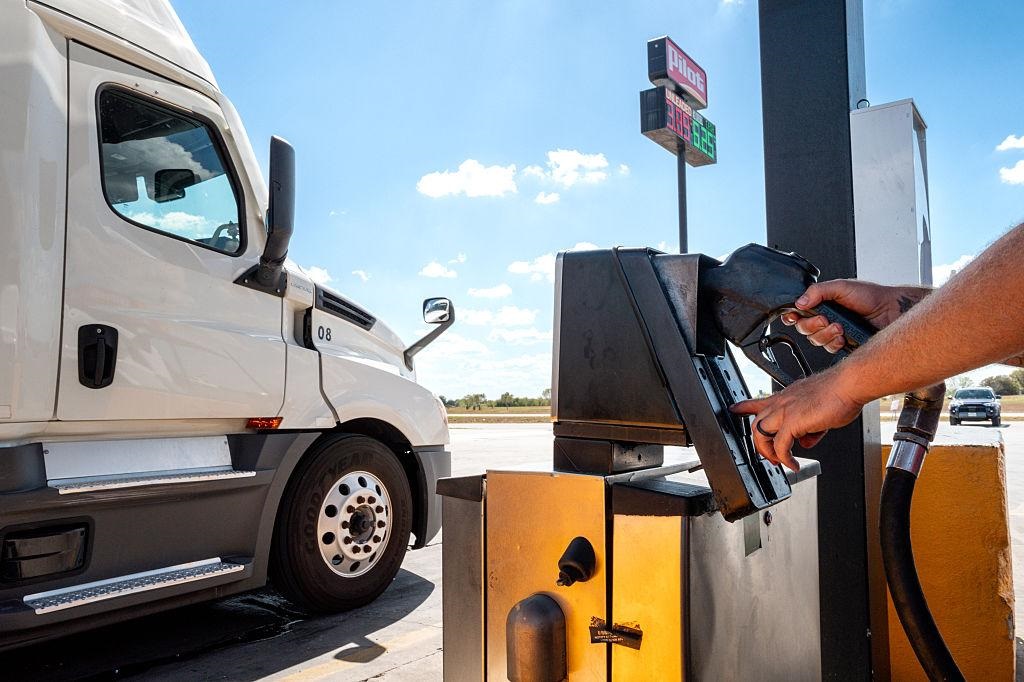
Fuel consumption often changes throughout the year.
Summer travel can increase gasoline demand, while seasonal transportation and heating requirements can affect other petroleum products.
Prices also vary between states and metropolitan areas because of differences in fuel taxes, transportation costs, environmental requirements, and local competition.
A fleet operating across several states may encounter significantly different prices along its routes.
Vehicle Efficiency and Driving Conditions
The same fuel price can produce very different operating expenses depending on the vehicle.
A poorly maintained truck carrying heavy loads may consume substantially more fuel than a properly maintained vehicle assigned to an appropriate route.
Traffic congestion, mountainous terrain, excessive idling, and aggressive driving can increase fuel consumption.
These operational factors create opportunities for savings that businesses can address directly.
10 Practical Ways to Reduce Fuel Costs
Lowering fuel expenses doesn’t always require replacing vehicles or making major investments.
Many effective improvements begin with better planning, maintenance, and day-to-day management.
1. Monitor Your Fuel Consumption Regularly
You cannot effectively manage an expense without knowing how much you’re spending.
Start by tracking gallons purchased, fuel prices, miles traveled, and overall consumption.
For businesses, fuel expenses should ideally be recorded by individual vehicle rather than only as a company-wide total.
This makes it easier to identify trucks consuming more fuel than expected.
Useful measurements include miles per gallon, fuel cost per mile, monthly gallons consumed, and fuel spending per vehicle.
Over time, these records reveal patterns that might otherwise go unnoticed.
2. Improve Driving Habits
Driving behavior has a direct effect on fuel efficiency.
Rapid acceleration, unnecessary braking, and excessive speeding increase fuel consumption.
According to the U.S. Department of Energy’s Alternative Fuels Data Center, aggressive driving can reduce fuel economy by approximately 15%–30% at highway speeds and 10%–40% in stop-and-go traffic.
Drivers can improve efficiency by maintaining appropriate speeds, accelerating smoothly, anticipating traffic, and avoiding unnecessary braking.
For commercial fleets, driver education programs can help turn these practices into consistent habits.
The goal isn’t simply to drive more slowly. It’s to operate vehicles safely and efficiently under actual road conditions.
3. Keep Vehicles Properly Maintained
Regular maintenance is another practical way to control fuel costs.
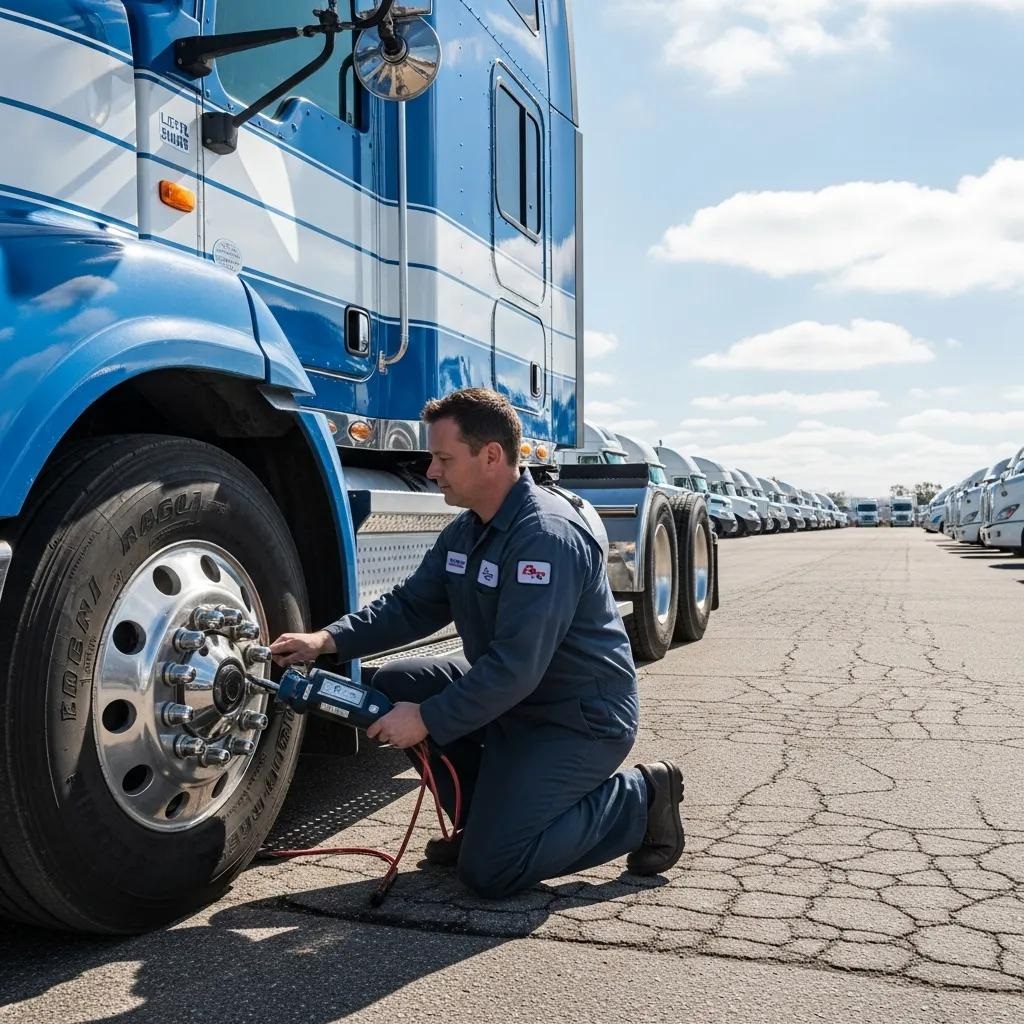
Underinflated tires increase rolling resistance, forcing the engine to work harder.
The Department of Energy reports that maintaining proper tire inflation can improve gasoline mileage by approximately 0.6% on average and up to 3%, depending on conditions.
Businesses should establish maintenance schedules that include tire pressure checks, inspections, appropriate engine oil, and timely repairs.
Addressing mechanical problems early can also prevent more expensive repairs and unexpected downtime.
4. Reduce Unnecessary Engine Idling
When a vehicle is idling, it consumes fuel without covering any distance.
For delivery trucks, service vehicles, and equipment operators, repeated idling can become a significant expense.
The U.S. Department of Energy identifies idle reduction as an important fuel conservation strategy.
Fleet managers can establish sensible policies to reduce unnecessary engine operation during parking, loading, and waiting periods.
However, idling may sometimes be necessary for safety, temperature management, specialized equipment, or regulatory requirements.
The objective should be eliminating unnecessary idling rather than introducing rules that interfere with essential operations.
5. Optimize Delivery Routes
Poor route planning can increase total mileage, travel time, and fuel consumption.
For businesses making multiple daily deliveries, even small routing inefficiencies can accumulate.
Route optimization software can help dispatchers identify more efficient delivery sequences and reduce unnecessary driving.
A well-designed route considers traffic conditions, customer schedules, vehicle capacity, and delivery priorities.
For example, coordinating several nearby deliveries into one trip may reduce the need for repeated travel across the same area.
More efficient routes can also improve driver productivity and customer service.
6. Compare Fuel Purchasing Options
Businesses purchasing substantial amounts of fuel should review their supply arrangements periodically.
Retail fuel stations may be convenient, but they aren’t necessarily the most economical option for every operation.
Depending on fleet size, location, and consumption, businesses might consider commercial fueling agreements, fuel cards, bulk purchasing, or on-site fueling systems.
When comparing options, consider the total expense rather than focusing exclusively on the advertised fuel price.
Delivery fees, equipment expenses, storage requirements, administrative costs, and contract terms can affect the actual savings.
7. Consider On-Site Fueling Solutions
For some businesses, bringing fuel directly to the operating location can reduce time spent traveling to retail stations.
On-site fueling systems may be useful for construction companies, transportation businesses, and operations with centralized vehicle yards.
Potential advantages include better control over fuel inventory, fewer off-site fueling trips, and more convenient access.
However, installation, maintenance, environmental compliance, safety requirements, and fuel delivery arrangements must be evaluated.
An on-site system is not automatically cheaper. Its financial value depends on fuel consumption, utilization, labor savings, and total ownership costs.
8. Use Fuel Management Technology
Modern fleet management systems can help businesses monitor fuel usage more closely.
Depending on the technology, managers may track transactions, vehicle mileage, idling time, driving behavior, and maintenance requirements.
These tools can help identify unusual consumption or inefficient operating practices.
For example, if a particular vehicle consistently uses more fuel than comparable trucks performing similar duties, managers can investigate possible causes.
Technology provides useful information, but actual savings depend on how effectively the business responds to that information.
9. Match Vehicles to Their Jobs
Using a larger vehicle than necessary can increase fuel consumption and operating expenses.
A business might not need a heavy-duty truck for every delivery route.
Assigning appropriately sized vehicles based on cargo weight, driving distance, and operational requirements can improve efficiency.
When replacing vehicles, compare purchase prices alongside long-term fuel consumption, maintenance costs, reliability, and expected annual mileage.
Fuel-efficient vehicles may cost more initially, but their total cost of ownership can be lower under suitable conditions.
10. Train Drivers and Review Performance
Fleet efficiency is difficult to improve without driver participation.
Drivers influence everyday fuel consumption through their decisions, driving styles, and vehicle care.
Provide clear guidance on efficient driving, maintenance reporting, and company fueling procedures.
Review performance using fair measurements that account for route conditions, vehicle loads, and equipment differences.
Recognizing improvement and providing constructive feedback can encourage lasting changes.
How to Calculate Fuel Costs and Potential Savings
Calculating fuel expenses helps turn general efficiency goals into measurable financial targets.
For most vehicles, a useful starting formula is:
Fuel Cost = (Miles Driven ÷ Miles per Gallon) × Price per Gallon
For example, imagine a delivery truck travels 30,000 miles annually and averages 10 miles per gallon.
At an illustrative fuel price of $3.50 per gallon:
- Annual distance: 30,000 miles
- Fuel efficiency: 10 MPG
- Annual fuel consumption: 3,000 gallons
- Estimated annual fuel expense: $10,500
Now suppose the business improves vehicle efficiency to 11 MPG.
Annual fuel consumption would fall to approximately 2,727 gallons, resulting in an estimated fuel expense of $9,545.
That’s approximately $955 in annual savings for one truck, assuming mileage and fuel price remain unchanged.
Across a fleet of 20 comparable trucks, the same improvement could represent approximately $19,090 in annual savings.
These figures are hypothetical and don’t include the cost of achieving the efficiency improvement.
Businesses interested in comparing fuel purchasing and infrastructure options can also explore AFD Petroleum’s fuel costs savings calculator to investigate potential savings associated with on-site fueling.
Any calculator estimate should be checked against actual purchasing costs, vehicle usage, and operational requirements before making an investment.
Common Mistakes That Increase Fuel Expenses
Businesses sometimes focus heavily on fuel prices while overlooking the operational decisions that influence total consumption.
One common mistake is evaluating only the price per gallon.
A lower purchase price might provide little benefit if reaching the fueling location requires additional driving or employee time.
Another mistake is ignoring maintenance issues until they become major problems.
Vehicles operating with mechanical inefficiencies can consume additional fuel while experiencing increased wear.
Some companies also lack consistent fuel records, making it difficult to investigate unusual spending.
Finally, investing in expensive systems without establishing baseline performance can lead to disappointing results.
Before changing your operations, identify your current expenses, determine realistic improvement targets, and measure the results.
Why Fuel Cost Management Matters for Business Profitability
Fuel expenses influence much more than the transportation budget.
For delivery companies, rising fuel spending can reduce the profit earned on each completed order.
Construction businesses may experience higher equipment operating costs, while service providers may struggle to maintain competitive pricing.
Effective fuel management creates opportunities to improve financial predictability.
When managers understand consumption patterns, they can prepare more realistic operating budgets and respond to changing market conditions.
Savings can also be redirected toward employee training, vehicle maintenance, improved technology, or business expansion.
The most effective approach treats fuel efficiency as an ongoing business process rather than a temporary response to higher prices.
Frequently Asked Questions About Fuel Costs
What is the best way to reduce fuel costs?
The best approach depends on your driving patterns and vehicle usage. For individual drivers, smoother driving and proper maintenance are practical starting points. Businesses can also benefit from fuel tracking, route optimization, purchasing reviews, and fleet management systems.
How do businesses calculate fuel costs?
Businesses can estimate fuel costs by dividing total miles traveled by average miles per gallon and multiplying the result by the fuel price per gallon. More complete budgets should include other fueling-related expenses, such as delivery fees, labor, and storage where applicable.
Does regular vehicle maintenance reduce fuel expenses?
Yes. Proper tire inflation, suitable engine oil, and timely repairs can help vehicles operate efficiently. The exact financial benefit depends on the vehicle’s condition, mileage, and the maintenance work performed.
Can fuel management software help businesses save money?
Fuel management software can identify inefficient driving, unusual fuel transactions, unnecessary idling, and maintenance concerns. However, savings depend on the quality of the data and the actions taken in response.
Is buying fuel in bulk cheaper?
Bulk fuel purchasing may offer advantages for businesses with consistent, high-volume demand. However, storage equipment, delivery charges, financing, fuel quality management, and regulatory compliance can affect overall costs. Businesses should compare total delivered costs before committing.
How often should fleet managers review fuel spending?
Monthly reviews are useful for identifying broader trends, while weekly or even daily monitoring may be appropriate for larger fleets. Regular tracking helps businesses recognize unusual changes and respond before expenses accumulate.
Conclusion: Take Control of Your Fuel Costs
Managing fuel expenses effectively requires a combination of informed purchasing, efficient driving, proper maintenance, and consistent monitoring.
Although American drivers and businesses cannot control global oil prices, they can make meaningful improvements in how fuel is consumed and purchased.
For businesses operating multiple vehicles, these improvements can accumulate into substantial annual savings.
Start by understanding your current fuel consumption and identifying the areas where unnecessary spending occurs.
Then introduce practical improvements, measure the results, and adjust your strategy as needed.
Ultimately, reducing fuel costs isn’t just about paying less at the pump. It’s about building a more efficient, predictable, and financially sustainable operation.

Written by Twastia Editorial Team
Twastia Editorial Team shares practical insights about website design, SEO services, Google Ads, content marketing, social media, conversion rate optimization, and digital marketing strategy.
Last updated: Oct 9, 2026
Related posts from Twastia
Explore more useful articles from twastia.com about digital marketing, SEO, websites, ads, content, and growth strategy.