AI logo generator: Transforming Modern Brand Identity Design
Creating a strong visual identity is essential for any new business. Consequently, entrepreneurs constantly seek efficient ways to design professional […]
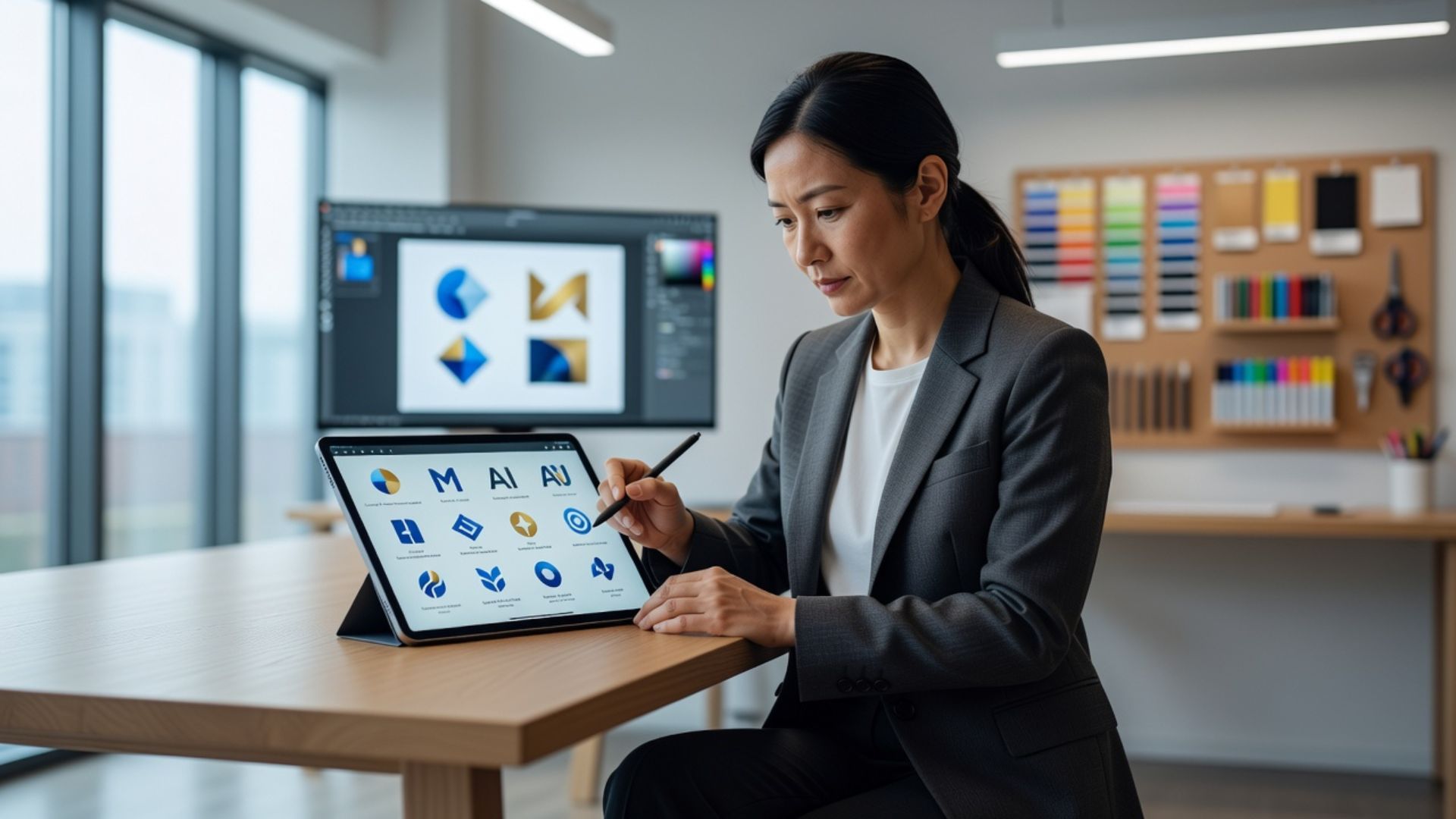
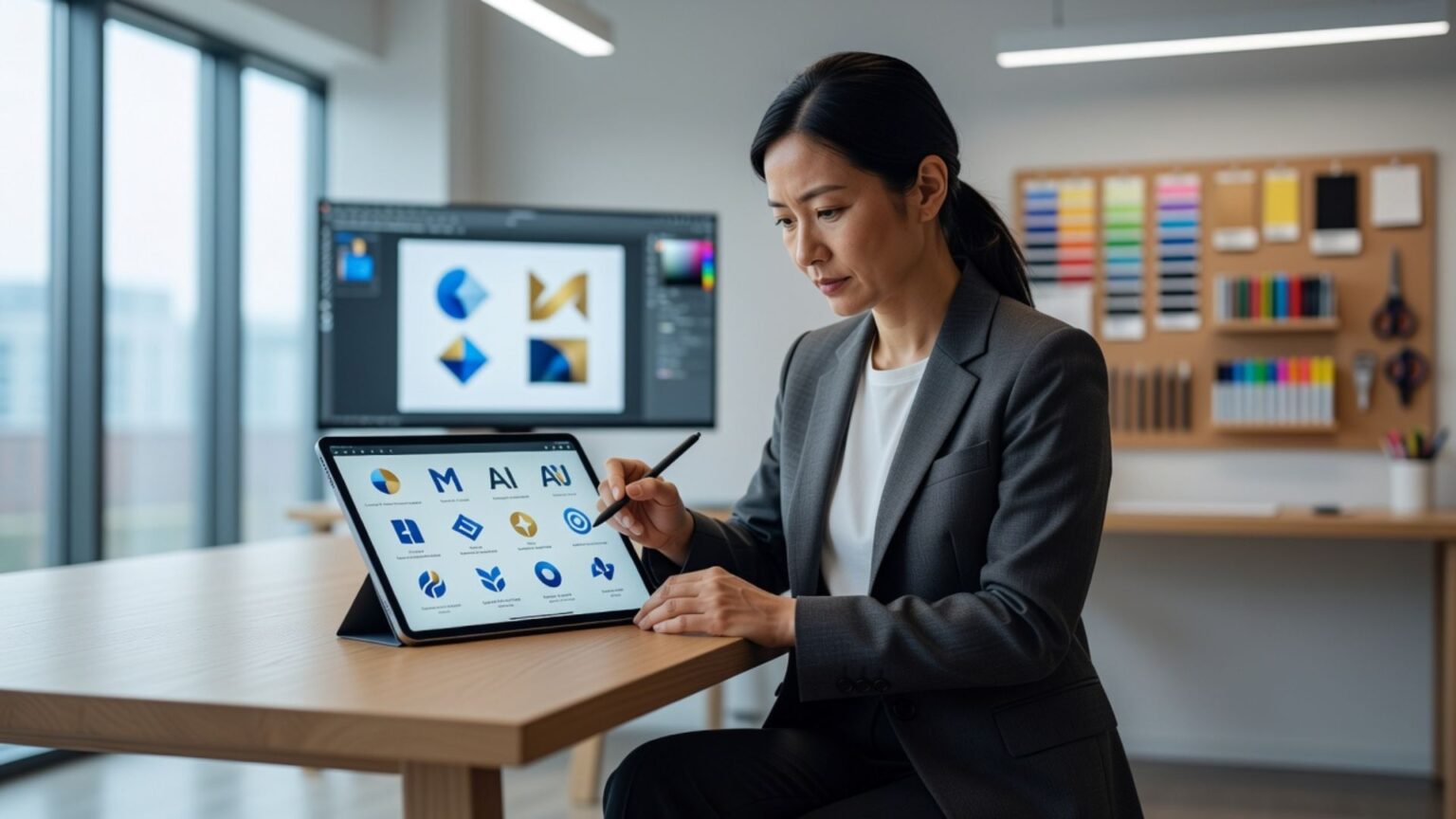
Creating a strong visual identity is essential for any new business. Consequently, entrepreneurs constantly seek efficient ways to design professional branding assets. An AI logo generator provides a rapid, cost-effective solution for producing custom graphics without requiring traditional design skills. Furthermore, these tools leverage machine learning to analyze design principles and output unique marks based on user prompts. Therefore, understanding how this technology fits into the broader branding workflow helps businesses make informed decisions.
The Rise of the AI logo generator in Modern Branding
Startups operate on tight budgets and aggressive timelines. Therefore, waiting weeks for a traditional design agency is often impractical. An AI logo generator condenses this timeline into minutes. Users input their company name, industry, and stylistic preferences. The algorithm then produces dozens of variations instantly. Furthermore, this immediate feedback loop allows founders to test different visual directions quickly. Consequently, businesses can launch their minimum viable product with a polished brand mark. Thus, design automation democratizes access to professional-grade graphics for early-stage companies.
How an AI logo generator Works
The underlying technology relies on generative adversarial networks and deep learning models. Developers train these models on millions of images, typography pairings, and color theories. When a user submits a prompt, the AI predicts which visual elements will resonate best. It does not simply copy existing logos. Instead, it synthesizes new patterns based on the training data. Therefore, the output is technically original, though heavily influenced by established design trends. Furthermore, modern platforms now incorporate text-to-image diffusion models. These models handle complex stylistic requests like minimalist, vintage, or futuristic themes effectively.
The Role of Prompt Engineering in an AI logo generator
Getting a high-quality result requires specific input. Vague prompts yield generic outputs. Therefore, users must practice prompt engineering to guide the algorithm. Specifying exact colors, shapes, and artistic styles produces better outcomes. For example, prompting a minimalist geometric logo in navy blue yields more targeted results than simply entering a business name. Consequently, learning to communicate effectively with the AI is a vital skill. Thus, the user’s direction ultimately dictates the quality of the generated asset.
Advantages of Using an AI logo generator
The primary advantage remains speed. A business can generate and download a logo within a single afternoon. Additionally, cost savings are substantial. Hiring a freelance designer might cost hundreds of dollars, while an agency costs thousands. Conversely, an AI tool usually requires a modest monthly subscription or a one-time download fee. Furthermore, users receive multiple file formats immediately. They get high-resolution PNGs for web use and vector files for print. Therefore, the business owns ready-to-use assets instantly. Consequently, this efficiency allows companies to allocate capital to other critical growth areas.
Iteration and A/B Testing with an AI logo generator
Market validation is crucial before finalizing a brand identity. AI tools allow rapid iteration. If a founder dislikes a specific icon, they can regenerate just that element. Furthermore, businesses can A/B test different logos on landing pages. They can measure click-through rates to see which design resonates most with their target audience. Therefore, data-driven design replaces subjective aesthetic choices. Consequently, the final logo is not just visually appealing but also commercially effective. Thus, the iterative capacity of AI gives startups a distinct market advantage.
Limitations of an AI logo generator
Despite the technological advancements, AI lacks human intuition. A machine does not understand the emotional weight of a brand story. It cannot infer nuanced cultural contexts or subtle industry shifts. Therefore, AI-generated logos sometimes feel generic or soulless. Furthermore, AI struggles with complex symbolic representations. If a company wants a highly specific, intricate mascot, AI often fails to render it cleanly. Consequently, businesses with rich historical narratives might find AI output lacking depth. Thus, recognizing these limitations prevents over-reliance on automated tools.
Trademark and Copyright Concerns with an AI logo generator
Legal ownership presents a grey area in AI-generated art. Copyright offices generally state that an author must be a human to register a copyright. Therefore, securing a trademark for an AI-generated logo can be complex. If the AI trained on copyrighted material, there is a small risk of unintentional similarity. Furthermore, because the AI uses probabilistic models, another user could potentially generate a highly similar logo using the same prompt. Consequently, businesses must conduct thorough trademark searches before finalizing an AI design. Thus, legal due diligence remains a necessary manual step.
When to Choose Human Designers Over an AI logo generator
AI is not a universal replacement for human graphic designers. Enterprise companies and established brands still need bespoke design strategies. A human designer builds a comprehensive brand guideline. They consider typography scaling, negative space, and cross-platform application holistically. Therefore, if a company is rebranding after a major merger, an agency provides the necessary strategic counsel. Furthermore, human designers excel at creating entirely new visual paradigms. AI merely remixes existing trends. Consequently, brands seeking to disrupt visual norms must rely on human creativity. Thus, AI serves best for execution, while humans excel at strategy.
The Hybrid Approach to an AI logo generator
Many modern businesses adopt a hybrid workflow. They use an AI logo generator for initial inspiration and mood boarding. The AI might produce fifty variations, from which the founder selects three promising concepts. They then hire a freelance designer to refine and vectorize the chosen concept. The designer fixes minor anatomical errors the AI made and adjusts the kerning. Therefore, the company saves money on the ideation phase but ensures a polished final product. Consequently, this hybrid model maximizes both efficiency and quality. Thus, combining machine speed with human refinement offers the best of both worlds.
The Future of the AI logo generator
The capabilities of these tools are expanding rapidly. Future platforms will move beyond static images. They will generate dynamic, animated brand marks suitable for video intros and web headers. Furthermore, AI will eventually design entire brand kits simultaneously. A user will prompt the AI, and it will output a logo, color palette, typography hierarchy, and social media templates. Therefore, the AI will function as an automated brand manager. Consequently, the barrier to creating cohesive, omnichannel branding will drop significantly. Thus, the next generation of AI tools will offer comprehensive visual identity ecosystems.
Integration with Vector Editing Software for an AI logo generator
A major current limitation is the output format. Many AI tools output raster images rather than true vector files. However, AI vectorization algorithms are improving. Soon, an AI logo generator will natively output fully editable SVG files. Designers will open these AI-generated vectors in Adobe Illustrator and manipulate individual anchor points seamlessly. Therefore, the handoff between automated generation and manual refinement will become frictionless. Consequently, AI will integrate directly into professional design suites as a plugin rather than a standalone tool. Thus, the future of graphic design is a collaborative effort between human artisans and intelligent algorithms.
FAQs
1. What is an AI logo generator?
It is a software tool that uses machine learning algorithms to create custom logo designs based on user inputs like company name and industry.
2. Can I trademark a logo created by an AI logo generator?
Yes, but you must ensure the design does not closely resemble existing trademarks, as copyright laws for AI-generated content remain complex.
3. Do AI logo generators provide vector files?
Many modern generators provide SVG or EPS vector files alongside PNGs, allowing for infinite scaling without losing image quality.
4. How much does an AI logo generator cost?
Costs vary, but most platforms operate on a subscription model or charge a one-time fee ranging from twenty to one hundred dollars per download.
5. Will an AI logo generator replace graphic designers?
No, while AI handles rapid ideation and basic execution, human designers are still needed for complex brand strategy and nuanced visual storytelling.
6. Can an AI logo generator create animated logos?
Emerging AI platforms are beginning to offer animation features, allowing users to generate dynamic motion graphics for video and web use.
Conclusion
The integration of machine learning into branding workflows has fundamentally changed how businesses approach visual identity. An AI logo generator provides unmatched speed and accessibility, allowing startups to launch with professional assets immediately. Furthermore, when used in a hybrid model with human designers, these tools streamline ideation and reduce overall project costs. However, businesses must remain vigilant regarding trademark searches and the limitations of automated design intuition. As the technology advances toward full vector editing and dynamic brand kit generation, its role in the creative process will only expand. Ultimately, leveraging an AI logo generator effectively means balancing rapid automation with the strategic nuance of human creativity to build a lasting brand.

Written by Twastia Editorial Team
Twastia Editorial Team shares practical insights about website design, SEO services, Google Ads, content marketing, social media, conversion rate optimization, and digital marketing strategy.
Last updated: Jul 24, 2026
Related posts from Twastia
Explore more useful articles from twastia.com about digital marketing, SEO, websites, ads, content, and growth strategy.