Aluminium Louvre Roofs: Complete Guide for U.S. Homes
Creating a comfortable outdoor living space is a priority for many American homeowners. Whether you enjoy weekend barbecues, relaxing on […]
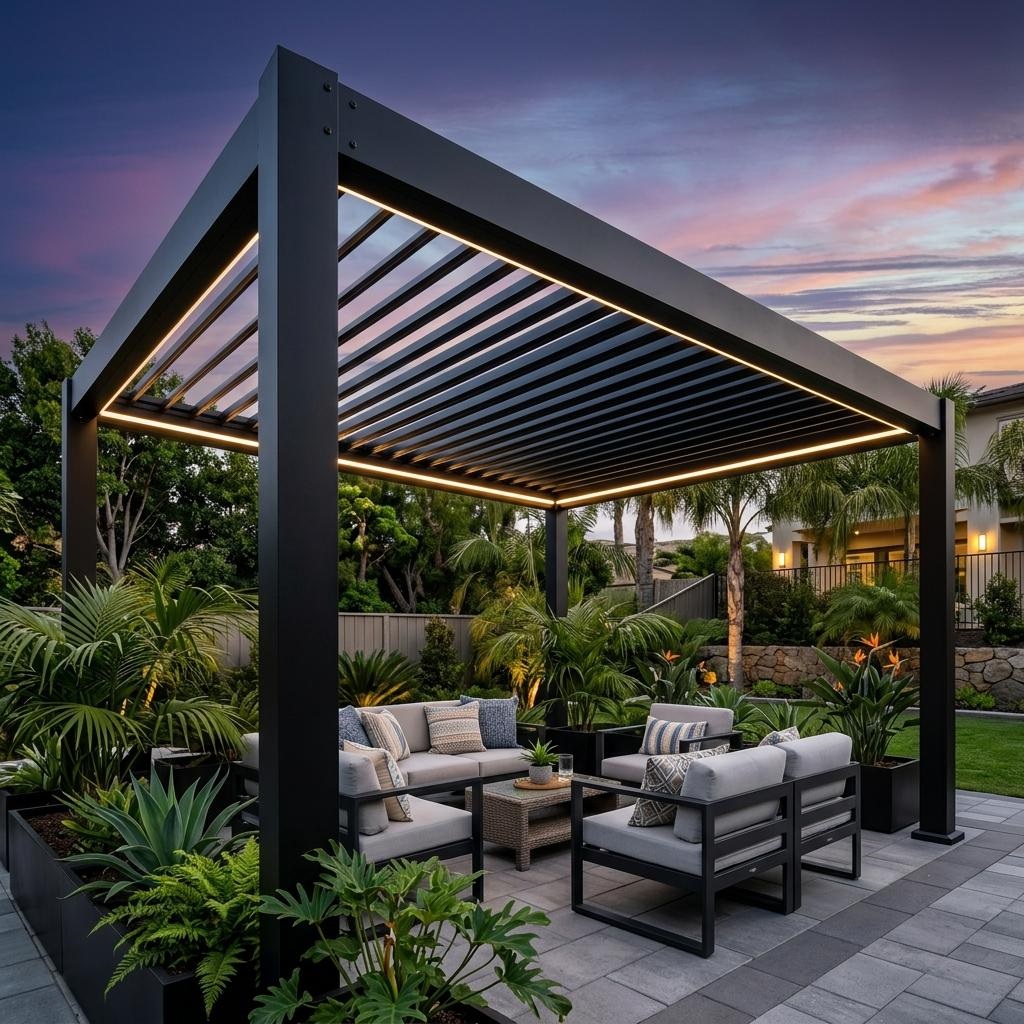
Creating a comfortable outdoor living space is a priority for many American homeowners. Whether you enjoy weekend barbecues, relaxing on the patio, or entertaining guests, your backyard should be functional throughout the changing seasons. Unfortunately, intense sunlight, unexpected rain, and unpredictable weather can make outdoor activities difficult.
This is where aluminium louvre roofs offer a practical and stylish solution.
Unlike traditional fixed patio covers, these innovative roofing systems feature adjustable aluminum blades that help control sunlight, airflow, and rain protection. Their contemporary appearance also makes them attractive additions to modern residential properties.
From small backyard patios to spacious outdoor kitchens, louvered roof systems can transform ordinary areas into flexible outdoor retreats.
In this guide, we’ll explore how aluminium louvre roofs work, their benefits, installation requirements, maintenance considerations, and how to choose a suitable system for your American home.
What Are Aluminium Louvre Roofs?
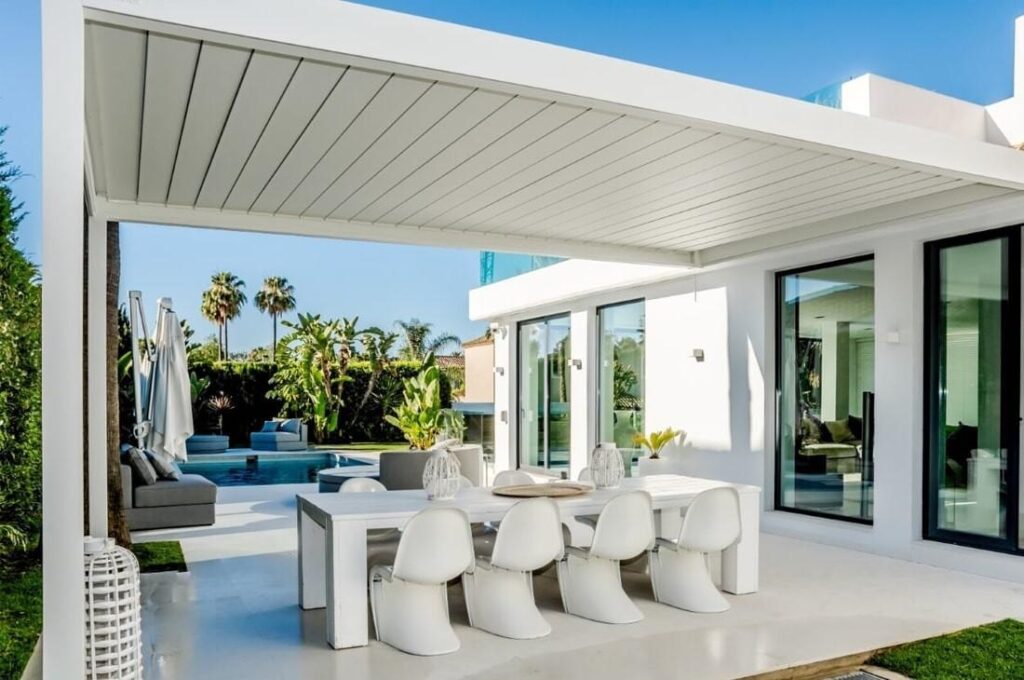
Aluminium louvre roofs are adjustable outdoor roofing systems made with horizontal aluminum blades that rotate to regulate sunlight, ventilation, and weather protection.
They are commonly installed over patios, decks, garden seating areas, and outdoor entertainment spaces.
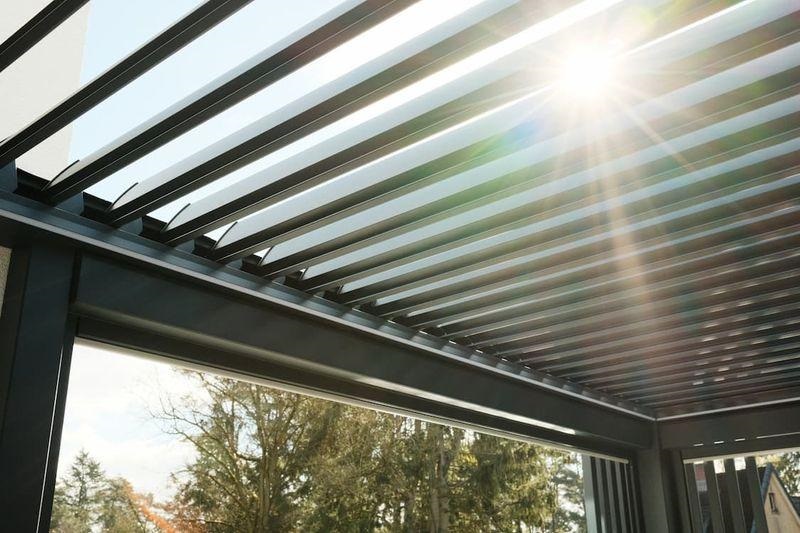
The blades can be positioned at different angles depending on the weather and the homeowner’s preferences.
When fully open, sunlight and fresh air can enter the space below. When angled, the blades provide partial shade while allowing ventilation.
When closed, properly designed interlocking blades help direct rainwater toward an integrated drainage system.
These products are also known as aluminum louvered pergolas, adjustable patio roofs, and motorized pergola systems.
Why Are Aluminium Louvre Roofs Becoming Popular?
Modern homeowners increasingly view backyards as extensions of their indoor living areas.
Rather than using outdoor spaces only during pleasant weather, many people want comfortable patios that adapt to different conditions.
1. Adjustable Sunlight and Shade
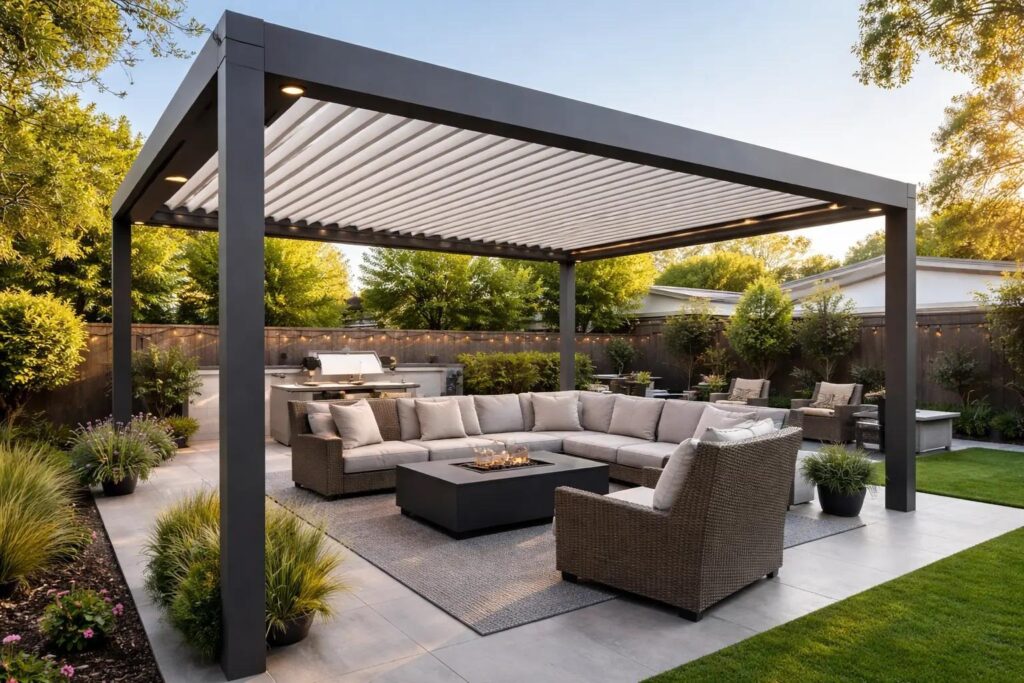
Traditional fixed patio roofs provide constant shade, which may not always be desirable.
A louvered system allows you to adjust the blade angle throughout the day.
During hot afternoons, partially or fully closed blades can limit direct sunlight.
On cooler mornings, opening them allows additional natural light to enter the patio.
This flexibility makes outdoor spaces more comfortable across different seasons.
2. Better Natural Ventilation
Unlike solid roofing, adjustable louvers can allow warm air to escape through the roof opening.
Opening the blades encourages airflow and can make shaded seating areas feel less enclosed.
Actual cooling performance depends on wind conditions, structure placement, and surrounding surfaces.
3. Protection From Rain
Many high-quality louvered systems feature interlocking blades and internal gutters.
When properly closed, these components help channel rainwater away from furniture and seating areas.
However, louvered roofs should not automatically be considered completely waterproof in extreme conditions.
Wind-driven rain, intense storms, and installation details influence their performance.
4. Modern Architectural Appeal
Aluminum roof systems offer clean lines and contemporary finishes.
They complement modern American homes, outdoor kitchens, poolside lounges, and professionally landscaped gardens.
Homeowners can often choose frame colors and configurations that coordinate with existing exterior features.
How Do Aluminium Louvre Roofs Work?
The central feature of a louvered roof is its adjustable blade mechanism.
Individual aluminum blades connect to a control system that rotates them together.
Different positions create different outdoor conditions.
Fully Open Position
Fully opening the blades allows more sunlight and ventilation.
This setting is particularly useful during mild weather when homeowners want an open-air experience.
Angled Position
Tilting the louvers creates controlled shade while allowing some natural light and airflow.
This is useful when direct sunlight becomes uncomfortable but the weather remains pleasant.
Fully Closed Position
Closed blades form a continuous protective surface in systems designed with interlocking profiles.
Rainwater flows into drainage channels and exits through designated outlets.
The roofing system must be installed and maintained correctly for reliable performance.
Manual vs. Motorized Louvre Roof Systems
Aluminium louvre roofs generally come with manual or powered operating mechanisms.
Manual Louvre Roofs
Manual systems use a crank or similar mechanical mechanism to adjust the blades.
They can be suitable for smaller outdoor areas and homeowners who prefer simpler controls.
However, operation requires physical adjustment.
Motorized Louvre Roofs
Motorized systems allow homeowners to change blade positions using a wall switch, remote control, or compatible smart control.
Some advanced products include sensors that respond automatically to rain.
For example, Australian manufacturer Louvre Roofs describes remote-controlled aluminum blades, optional automated rain sensors, and integrated lighting in its roof systems.
You can explore its Aluminium louvre roofs information for examples of adjustable outdoor roofing technology.
The company primarily describes Australian manufacturing and installation services. U.S. homeowners should independently confirm local availability and building-code compatibility before considering any imported system.
Important Features to Look for in a Louvre Roof
Not all aluminum patio roofing systems offer the same performance.
Before purchasing, compare materials, engineering, drainage, and available controls.
High-Quality Aluminum Construction
Aluminum is lightweight, corrosion-resistant, and suitable for many outdoor applications.
Powder-coated finishes provide additional surface protection and a range of architectural colors.
However, coastal environments and harsh weather may require specific finishes, fasteners, and maintenance procedures.
Integrated Drainage
Effective drainage is essential for a functional louvered roof.
Look for systems that collect rainwater through blade channels and direct it into appropriate gutters or downspouts.
Confirm where the water will discharge, particularly when the structure is attached to your house.
Reliable Motor and Controls
For powered systems, examine motor specifications, electrical requirements, warranty coverage, and access for repairs.
Ask whether manual override or other operation is possible during power interruptions.
Optional Accessories
Depending on the manufacturer, available accessories may include LED lighting, privacy screens, wind sensors, and integrated controls.
Choose upgrades that improve how you actually use your outdoor space.
Best Places to Install Aluminium Louvre Roofs
Backyard Patios
A louvered roof over a backyard patio creates an adaptable area for relaxing, reading, and entertaining.
Pair the structure with comfortable outdoor furniture and weather-resistant flooring.
Outdoor Kitchens
Outdoor kitchens benefit from carefully planned shade and weather protection.
However, grills and cooking appliances require suitable ventilation and clearances.
Never install a roof directly above cooking equipment without confirming manufacturer requirements and applicable fire codes.
Poolside Lounges
A louvered pergola can provide adjustable shade beside a swimming pool.
Use appropriate corrosion-resistant materials and ensure electrical components comply with local pool-area safety requirements.
Restaurant and Commercial Patios
Restaurants and hospitality businesses may use louvered roofing to make outdoor seating more adaptable.
Commercial installations require additional consideration of accessibility, occupancy, fire safety, and structural regulations.
Aluminium Louvre Roofs for Different U.S. Climates
The United States experiences dramatically different weather conditions, making regional planning essential.
Hot and Sunny Regions
In states such as Arizona, Nevada, and Texas, adjustable shade can improve outdoor comfort during intense sunshine.
Light-colored finishes and ventilation may help reduce heat buildup around seating areas.
Rainy and Humid Regions
In Florida, Georgia, and parts of the Pacific Northwest, drainage capacity and moisture resistance deserve particular attention.
Choose systems with documented rain performance and properly designed water outlets.
Snowy Northern Regions
In states such as Minnesota, Michigan, and Colorado, snow loading is a major structural consideration.
Not every adjustable pergola roof is designed to support accumulated snow.
Obtain manufacturer-approved engineering documentation for local snow loads and follow instructions for winter operation.
Coastal and High-Wind Areas
Coastal installations may face salt exposure, strong winds, and severe storms.
Verify corrosion resistance, structural wind ratings, anchoring requirements, and relevant local approvals.
A roof designed for mild climates may not be suitable for hurricane-prone locations.
Design Ideas for a Stylish Outdoor Space
Aluminium louvre roofs work well with both minimalist and traditional architecture.
For modern homes, charcoal frames combined with natural stone flooring create a sophisticated appearance.
White or light-colored structures can complement coastal-inspired houses and bright outdoor spaces.
Wood-look finishes, where available, introduce warmth without requiring the same maintenance as natural timber.
Add weather-resistant seating, decorative planters, and appropriate outdoor lighting to make the area more inviting.
For larger backyards, consider creating separate dining and lounge zones beneath coordinated roof structures.
The most successful designs balance appearance with practical movement, drainage, and accessibility.
How Much Do Aluminium Louvre Roofs Cost?
The total cost depends on the size, structure, materials, engineering requirements, and installation complexity.
Motorized systems generally involve additional equipment and electrical work compared with basic manual configurations.
Custom dimensions, built-in lighting, sensors, privacy screens, and architectural finishes can also increase costs.
Main Cost Factors
Important pricing considerations include:
- Total roof dimensions and structural span
- Freestanding or wall-mounted installation
- Manual or motorized controls
- Foundation and anchoring requirements
- Electrical installation and accessories
- Drainage and permitting work
Because prices vary substantially, request itemized quotations from several qualified local contractors.
Avoid relying on Australian-dollar estimates when budgeting for an American project.
Compare the complete installed price, including permits, engineering, wiring, and warranty coverage.
How to Install an Aluminium Louvre Roof
Step 1: Evaluate the Installation Area
Measure the patio or deck and identify nearby doors, windows, rooflines, and drainage outlets.
Check whether the existing surface can support the proposed structure.
Step 2: Confirm Local Building Requirements
Many U.S. jurisdictions require permits for permanent patio covers.
Applicable rules may address wind loads, snow loads, footings, attachments, and structural safety.
Check with your local building department before ordering materials.
Step 3: Select the Right Structure
Choose between freestanding and attached designs according to your property’s layout.
Attached roofs require particular attention to connections with the existing building.
Step 4: Arrange Professional Installation
A qualified installer should follow the manufacturer’s structural drawings and installation instructions.
Licensed electrical work may be necessary for motorized systems, lighting, or automated controls.
Step 5: Test the Completed System
After installation, verify blade movement, drainage, motor operation, and control functions.
Ask the contractor to explain maintenance requirements and warranty procedures.
Maintenance Tips for Long-Lasting Performance
Aluminum louvered roofs are generally designed for relatively low-maintenance operation.
However, periodic inspections remain important.
Remove leaves and debris from roof channels and gutters.
Clean coated surfaces using manufacturer-approved products and avoid abrasive materials.
Inspect visible fasteners, seals, and drainage outlets for deterioration.
Test motorized controls periodically and arrange professional servicing if unusual noises or movement problems develop.
After severe weather, inspect the structure from a safe location.
Avoid operating frozen or obstructed blades unless the manufacturer specifically permits it.
Aluminium Louvre Roofs vs. Traditional Pergolas
Traditional pergolas typically feature fixed beams or open rafters.
They provide architectural interest and partial shade but usually offer limited protection from rain without additional roofing materials.
Fixed patio covers offer consistent overhead protection but cannot easily adjust sunlight from above.
Aluminium louvre roofs combine adjustable shade with ventilation and weather-resistant roof closure.
Their main disadvantages include higher initial costs, moving components, and more complex installation.
The best solution depends on your climate, budget, and intended use.
Common Mistakes to Avoid
One common mistake is choosing a louvered roof based only on appearance.
Homeowners should also examine local wind and snow requirements, drainage capacity, and installation quality.
Another mistake is assuming that every motorized product includes automatic weather sensors.
Some systems offer these features only as optional upgrades.
Finally, overlooking permit requirements or selecting unqualified installers can create expensive complications.
Always confirm engineering, warranty terms, and total project costs before purchasing.
Frequently Asked Questions About Aluminium Louvre Roofs
1. Are Aluminium Louvre Roofs Waterproof?
Many systems provide substantial rain protection when their blades are fully closed.
However, performance depends on the blade design, drainage system, installation, and weather conditions.
They should not automatically be considered completely waterproof during severe, wind-driven storms.
2. How Long Do Aluminium Louvre Roofs Last?
Their lifespan depends on material quality, coating durability, weather exposure, installation, and maintenance.
High-quality aluminum structures can provide many years of use, but motors and moving components may require servicing or replacement.
3. Can Louvre Roofs Be Installed on Existing Patios?
Yes, many systems can be installed over existing patios.
However, the supporting slab, deck, foundation, and surrounding structure must be evaluated for the required loads.
Some projects need additional footings or structural modifications.
4. Do Motorized Louvre Roofs Use Much Electricity?
The motors generally operate only when adjusting blade positions, so electricity consumption for blade movement is typically limited.
Integrated lighting, heaters, or other accessories can increase energy use.
Actual consumption depends on the installed equipment.
5. Do Aluminium Louvre Roofs Require Building Permits?
Many permanent patio roof installations require permits in the United States.
Requirements vary by municipality and may depend on dimensions, structural connections, and site conditions.
Contact your local building authority before construction.
6. Can Louvre Roofs Handle Heavy Snow?
Only systems specifically engineered for the applicable snow loads should be used in snowy climates.
Never assume that an aluminum structure can safely support substantial snow accumulation without appropriate engineering documentation.
7. Are Aluminium Louvre Roofs Worth the Investment?
They can be worthwhile for homeowners who regularly use outdoor spaces and value adjustable shade and ventilation.
Consider the complete installation cost, local climate, maintenance, and expected use before deciding.
Conclusion: Upgrade Your Outdoor Living Space With Aluminium Louvre Roofs
A well-designed outdoor area can make your home more comfortable and enjoyable.
Aluminium louvre roofs provide a flexible alternative to traditional patio covers by allowing homeowners to control sunlight, airflow, and rain protection through adjustable roof blades.
Their modern appearance, customizable designs, and optional automation make them attractive for patios, outdoor kitchens, poolside seating, and entertainment areas.
However, successful installation requires more than selecting a stylish structure.
Consider local weather conditions, structural engineering, drainage, building permits, and long-term maintenance before investing.
By choosing an appropriately designed system and working with qualified installers, you can create a versatile outdoor space that supports relaxation and entertaining throughout much of the year.

Written by Twastia Editorial Team
Twastia Editorial Team shares practical insights about website design, SEO services, Google Ads, content marketing, social media, conversion rate optimization, and digital marketing strategy.
Last updated: Oct 13, 2026
Related posts from Twastia
Explore more useful articles from twastia.com about digital marketing, SEO, websites, ads, content, and growth strategy.