American Institute of Nondestructive Testing (AINDT): A Complete Guide to NDT Training and Career Development
Industries such as aerospace, manufacturing, energy, construction, and transportation rely on inspection methods that help evaluate materials and components without […]
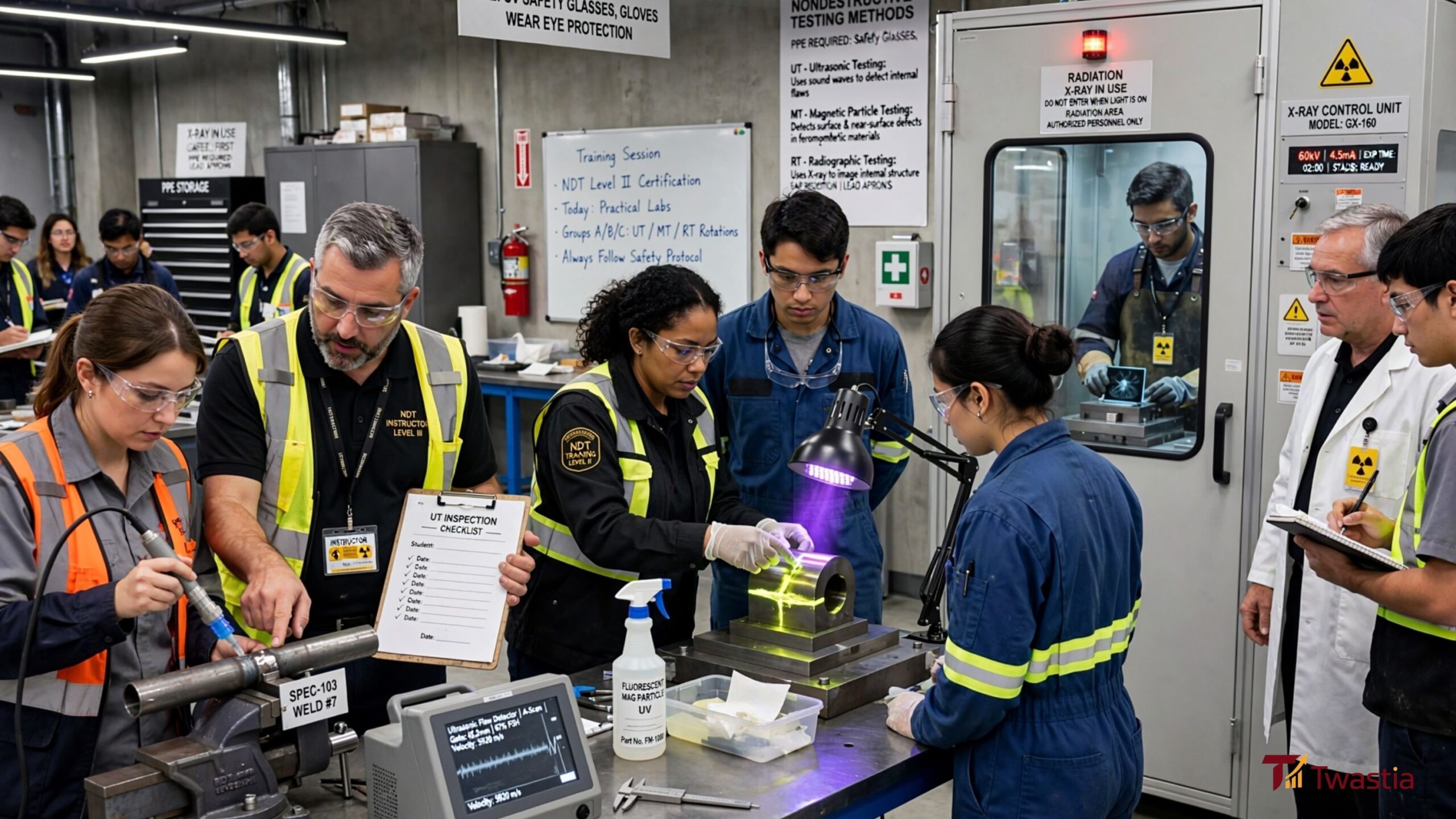
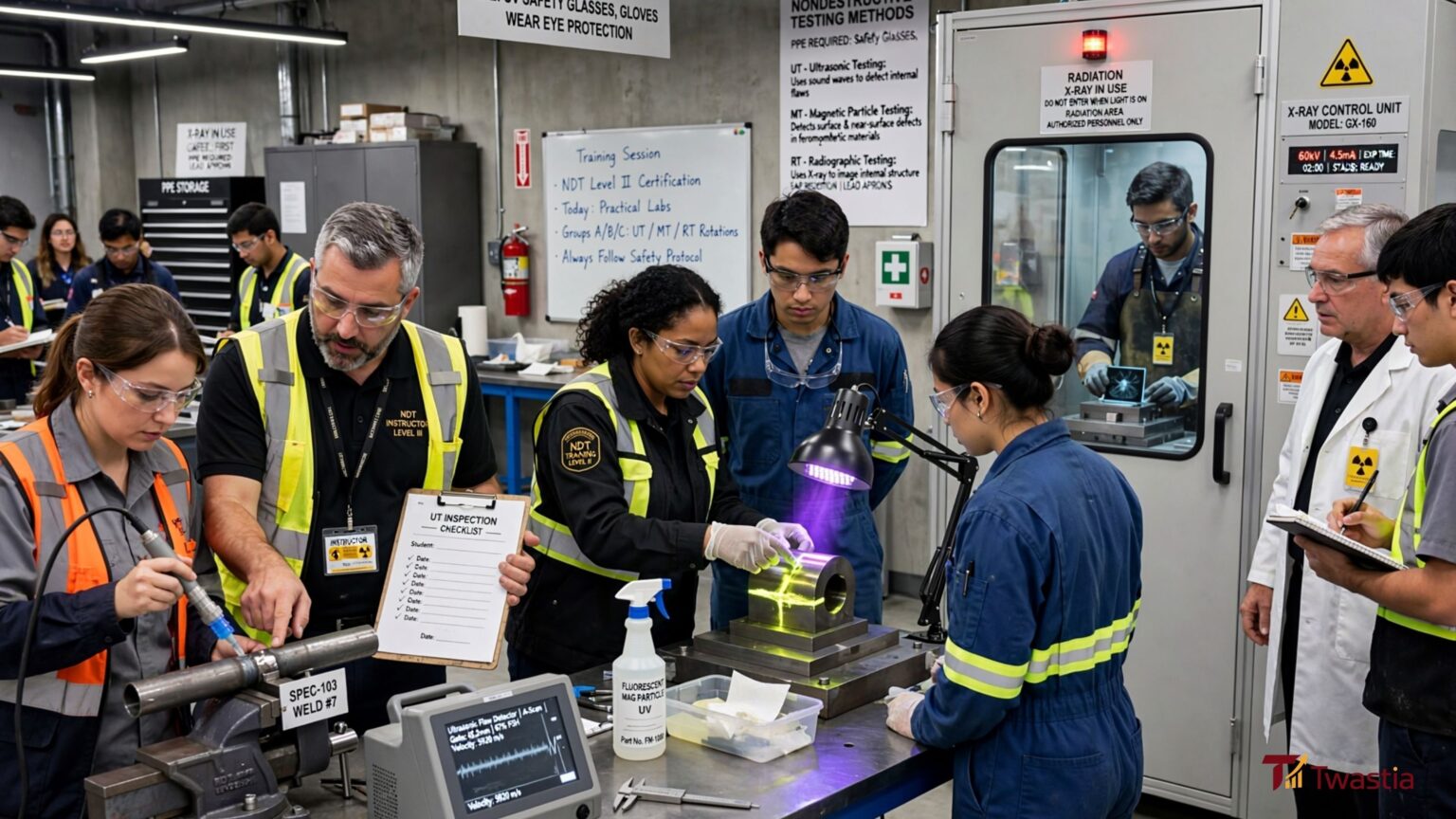
Industries such as aerospace, manufacturing, energy, construction, and transportation rely on inspection methods that help evaluate materials and components without causing damage. The American Institute of Nondestructive Testing (AINDT) is an educational institution that provides training in nondestructive testing (NDT), helping individuals develop technical knowledge and practical skills for inspection-related careers.
As demand for qualified inspection professionals continues across many industries, training in nondestructive testing can help prepare students for roles involving quality assurance, equipment inspection, and asset integrity. This guide explains the role of AINDT, the fundamentals of nondestructive testing, available training areas, and factors to consider when pursuing an NDT career.
What Is the American Institute of Nondestructive Testing (AINDT)?
The American Institute of Nondestructive Testing (AINDT) is a training institution focused on education in nondestructive testing methods. It offers instruction designed to help students understand inspection techniques used to evaluate materials, welds, components, and structures without damaging them.
Training offerings may vary over time but can include instruction in multiple NDT methods, classroom learning, and practical laboratory experience.
Prospective students should review AINDT’s official website for current program availability, admission requirements, and course details.
What Is Nondestructive Testing?
Nondestructive testing (NDT) refers to inspection techniques used to examine materials or components without permanently altering or damaging them.
NDT helps organizations evaluate:
- Material integrity
- Manufacturing quality
- Structural condition
- Equipment reliability
- Weld quality
- Safety compliance
These inspection methods are widely used across industries where equipment performance and safety are important.
Why the American Institute of Nondestructive Testing (AINDT) Matters
Quality inspection professionals play an important role in maintaining infrastructure, industrial equipment, and manufactured products.
Training through the American Institute of Nondestructive Testing (AINDT) may help students develop practical knowledge applicable to inspection environments while preparing for industry-recognized certification pathways where appropriate.
Employment opportunities and certification requirements vary by employer, industry, and jurisdiction.
Training Programs at the American Institute of Nondestructive Testing (AINDT)
Ultrasonic Testing (UT)
Ultrasonic Testing uses high-frequency sound waves to identify internal discontinuities within materials.
Common applications include:
- Weld inspections
- Pipeline evaluations
- Structural components
- Manufacturing quality control
Magnetic Particle Testing (MT)
Magnetic Particle Testing helps detect surface and near-surface discontinuities in ferromagnetic materials.
This method is frequently used in manufacturing and maintenance inspections.
Liquid Penetrant Testing (PT)
Liquid Penetrant Testing identifies surface-breaking discontinuities on non-porous materials.
Industries commonly use PT for:
- Aerospace components
- Metal fabrication
- Automotive manufacturing
- Industrial maintenance
Radiographic Testing (RT)
Radiographic Testing uses radiation to examine the internal structure of materials and welded joints.
Because this method involves radiation, specialized training and safety procedures are required.
Visual Testing (VT)
Visual Testing is often the first inspection method used during quality evaluations.
Inspectors assess visible conditions such as:
- Surface defects
- Weld appearance
- Material condition
- Dimensional accuracy
Industries That Use NDT Professionals
Graduates with nondestructive testing knowledge may pursue opportunities in industries including:
Aerospace
Aircraft components require inspection throughout manufacturing and maintenance processes.
Oil and Gas
Pipelines, storage tanks, and processing equipment frequently undergo nondestructive inspection.
Manufacturing
Manufacturers use NDT to verify product quality and reduce defects during production.
Construction
Structural steel, bridges, and infrastructure projects often require inspection before and after construction.
Power Generation
Power plants use NDT methods to monitor equipment condition and support preventive maintenance programs.
Skills Developed Through AINDT Training
Students studying nondestructive testing may develop skills such as:
- Inspection procedures
- Equipment operation
- Technical reporting
- Quality assurance
- Safety awareness
- Industry standards familiarity
Practical laboratory training may complement classroom instruction depending on the program.
Career Opportunities
Nondestructive testing professionals may work in positions such as:
- NDT Technician
- Quality Inspector
- Inspection Specialist
- Quality Assurance Technician
- Maintenance Inspector
- Field Inspection Technician
Specific job responsibilities depend on the employer, certifications, and level of experience.
Certification Considerations
Many employers require or prefer personnel qualified according to recognized industry standards.
Certification pathways depend on:
- Applicable industry standards
- Employer requirements
- Training
- Experience
- Examination requirements
Students should consult employers and certification organizations regarding specific qualification requirements.
Choosing an NDT Training Program
Before enrolling in a training program, consider:
Course Content
Review whether the curriculum aligns with your career goals and preferred inspection methods.
Practical Training
Hands-on instruction helps students gain experience with inspection equipment and procedures.
Instructor Experience
Experienced instructors may provide practical insights based on industry knowledge.
Student Support
Ask about:
- Career guidance
- Laboratory access
- Training materials
- Scheduling options
These resources may support the learning experience.
Benefits of Learning Nondestructive Testing
Studying NDT may provide opportunities to:
- Develop technical skills.
- Support quality assurance processes.
- Work across multiple industries.
- Build inspection expertise.
- Contribute to equipment safety and reliability.
Career outcomes depend on education, experience, certifications, and labor market conditions.
Frequently Asked Questions
1. What is the American Institute of Nondestructive Testing (AINDT)?
The American Institute of Nondestructive Testing (AINDT) is an educational institution that provides training in nondestructive testing methods for students and professionals.
2. What is nondestructive testing?
Nondestructive testing is a group of inspection methods used to evaluate materials and components without causing permanent damage.
3. Which industries use nondestructive testing?
Industries such as aerospace, manufacturing, construction, oil and gas, energy, transportation, and infrastructure commonly use NDT.
4. Does AINDT provide certification?
Training institutions may prepare students for industry-recognized certification pathways. Prospective students should review AINDT’s official information regarding available programs and certification preparation.
5. What skills are important for NDT professionals?
Technical knowledge, attention to detail, safety awareness, inspection techniques, problem-solving, and accurate documentation are valuable skills for NDT professionals.
6. Is nondestructive testing a good career?
Nondestructive testing can provide career opportunities across multiple industries, although employment prospects depend on education, experience, certifications, geographic location, and industry demand.
Conclusion
The American Institute of Nondestructive Testing (AINDT) offers education focused on inspection methods that help industries evaluate materials and equipment without causing damage. Through training in techniques such as ultrasonic, magnetic particle, liquid penetrant, radiographic, and visual testing, students can build practical knowledge applicable to quality assurance and industrial inspection roles. Before enrolling, prospective students should review program details, understand certification pathways, and evaluate how the available training aligns with their career goals. With the continued importance of safety, quality, and infrastructure reliability, nondestructive testing remains a valuable field for technical professionals across many industries.

Written by Twastia Editorial Team
Twastia Editorial Team shares practical insights about website design, SEO services, Google Ads, content marketing, social media, conversion rate optimization, and digital marketing strategy.
Last updated: Jul 18, 2026
Related posts from Twastia
Explore more useful articles from twastia.com about digital marketing, SEO, websites, ads, content, and growth strategy.