Asbestos Exposure: Health Risks, Prevention & Safety Guide
Asbestos exposure remains an important public health concern in the United States, especially for construction workers, homeowners, maintenance professionals, and […]
Asbestos exposure remains an important public health concern in the United States, especially for construction workers, homeowners, maintenance professionals, and people working in older buildings. Although many asbestos uses have been restricted or prohibited, materials containing this hazardous mineral can still be found in homes, schools, factories, and commercial properties.
The danger becomes especially concerning when asbestos-containing materials are damaged or disturbed, allowing microscopic fibers to enter the air. Breathing these fibers can lead to serious health conditions, including lung cancer, mesothelioma, and asbestosis.
Understanding where asbestos may be present, how exposure occurs, and which safety precautions are necessary can help protect workers and families.
This guide explains the health risks of asbestos, common exposure sources, U.S. workplace regulations, and practical prevention strategies.
What Is Asbestos and Why Is It Dangerous?
Asbestos refers to a group of naturally occurring fibrous minerals valued for their heat resistance, strength, and durability.
For decades, manufacturers used asbestos in insulation, roofing, flooring, cement products, and industrial equipment. Its resistance to fire and high temperatures made it particularly useful in construction and manufacturing.
However, research established that inhaling asbestos fibers can cause serious diseases.
According to the European Agency for Safety and Health at Work’s OSHwiki resource, asbestos presents significant occupational health risks, particularly when workers disturb older materials during renovation, maintenance, and demolition.
How Does Asbestos Exposure Occur?
Exposure primarily occurs when tiny asbestos fibers become airborne and are inhaled.
Activities such as drilling, cutting, sanding, breaking, or improperly removing asbestos-containing materials can release dangerous particles.
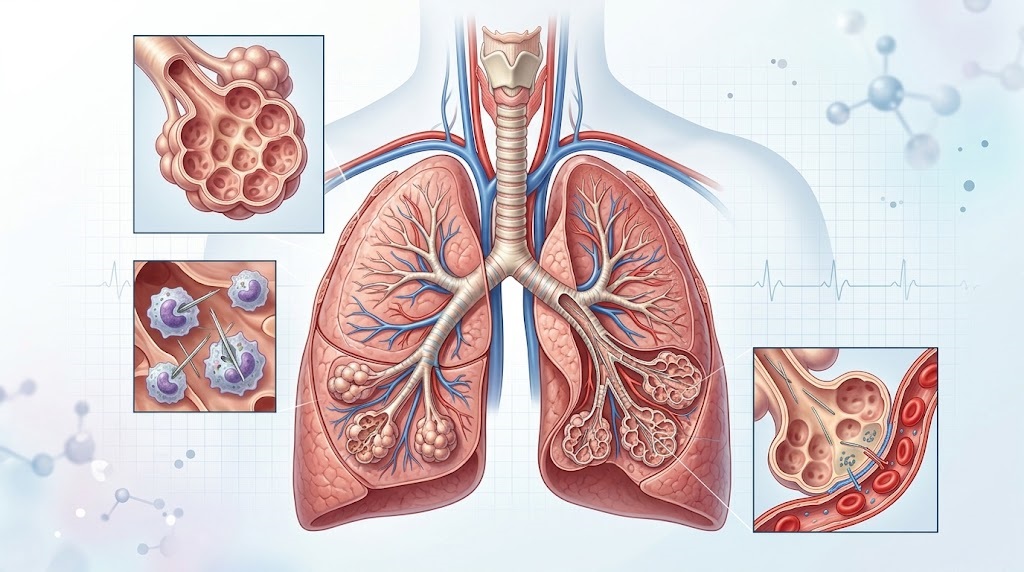
These fibers may remain suspended in the air and enter the lungs when someone breathes.
Unlike ordinary dust, asbestos fibers can persist in lung tissue, contributing to inflammation, scarring, and cancer.
A person may inhale asbestos without noticing anything unusual because the fibers are often invisible to the naked eye.
Common Sources of Asbestos Exposure in the USA
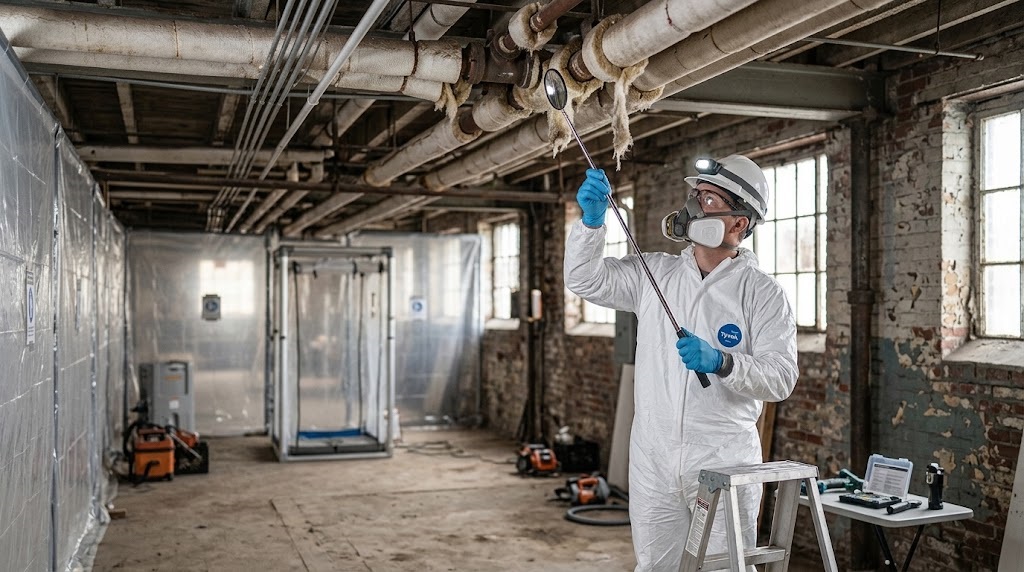
Older buildings and certain industrial workplaces are among the most common places where asbestos-containing materials may be encountered.
Asbestos in Residential Buildings
Many American homes built before the 1980s may contain asbestos materials, although construction age alone cannot confirm their presence.
Potential sources include:
- Old pipe and boiler insulation
- Vinyl floor tiles and flooring adhesives
- Certain ceiling tiles and textured coatings
- Roofing shingles and siding
- Vermiculite attic insulation
- Some cement-based building materials
Materials in good condition are generally less likely to release fibers when left undisturbed.
The U.S. Environmental Protection Agency (EPA) recommends leaving suspected asbestos-containing materials alone if they are undamaged and will not be disturbed.
Asbestos in Commercial and Industrial Buildings
Commercial buildings may contain asbestos in heating systems, fireproofing materials, mechanical insulation, and older construction components.
Factories and industrial facilities can also have legacy asbestos materials around boilers, furnaces, and high-temperature equipment.
Workers involved in repairing or replacing these materials may face exposure if appropriate safety controls are missing.
Asbestos During Renovation and Demolition
Renovation and demolition activities can create significant exposure risks.
Removing older flooring, cutting insulation, or demolishing walls may disturb asbestos that remained safely contained for decades.
Building owners and contractors should identify potential hazards before beginning work.
Health Risks Associated With Asbestos Exposure
Asbestos-related diseases frequently develop slowly. Symptoms may not appear until many years after exposure.
The severity of health effects depends on factors such as exposure concentration, duration, individual health, and the type of asbestos fibers involved.
Mesothelioma
Mesothelioma is a rare but aggressive cancer strongly associated with asbestos exposure.
It usually develops in the lining surrounding the lungs but can also affect the abdominal lining.
Symptoms may include chest pain, breathing difficulties, unexplained weight loss, and persistent fatigue.
Because mesothelioma can develop decades after exposure, individuals may not immediately connect their illness to previous workplace conditions.
Asbestosis
Asbestosis is a chronic lung disease caused by asbestos-related scarring.
As scar tissue develops, the lungs become less flexible, making breathing increasingly difficult.
Common symptoms include persistent coughing, shortness of breath, chest discomfort, and reduced exercise tolerance.
Asbestosis is generally associated with substantial or prolonged asbestos exposure.
Lung Cancer
Asbestos exposure increases the risk of developing lung cancer.
The risk becomes particularly concerning for individuals who both smoke cigarettes and have experienced asbestos exposure.
Avoiding tobacco and preventing additional exposure are important protective measures.
However, quitting smoking does not eliminate every risk associated with previous asbestos exposure.
Who Is Most at Risk of Asbestos Exposure?
Some occupations carry greater asbestos exposure risks because workers frequently handle older building materials or industrial equipment.
Higher-risk occupational groups include construction workers, demolition crews, electricians, plumbers, HVAC technicians, maintenance staff, shipyard workers, and asbestos abatement professionals.
Risk depends on the specific materials and tasks involved rather than the job title alone.
For example, an electrician drilling into an older wall may encounter suspected asbestos-containing material, while a maintenance worker replacing insulation may disturb previously enclosed fibers.
Family members may also experience secondary exposure if contaminated clothing or equipment is brought home.
Proper workplace decontamination procedures help reduce this risk.
How to Identify Asbestos-Containing Materials
One of the biggest challenges with asbestos safety is that suspected materials cannot reliably be identified through visual inspection.
A ceiling tile or insulation product may look ordinary while containing asbestos fibers.
Similarly, a building’s age can suggest possible exposure risks but cannot confirm whether asbestos is present.
Professional Asbestos Testing
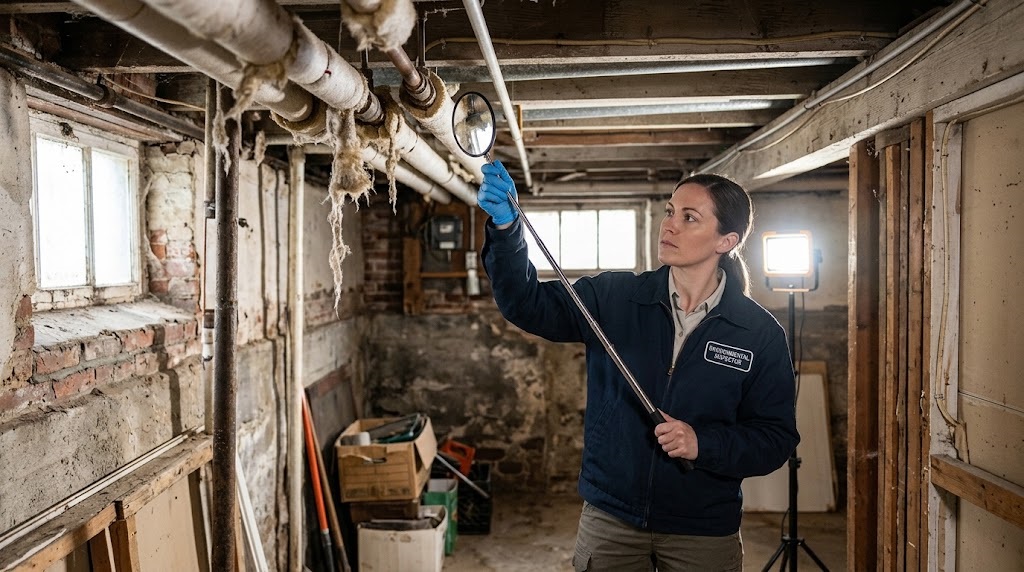
When suspected material is damaged or will be disturbed during renovation, qualified professionals can assess whether testing is necessary.
An accredited asbestos inspector can collect samples and arrange laboratory analysis.
Homeowners should avoid collecting samples themselves because improper sampling may release fibers.
Accurate identification allows property owners to make informed decisions about maintenance, containment, or removal.
OSHA Asbestos Regulations in the United States
The Occupational Safety and Health Administration (OSHA) establishes requirements intended to protect workers from occupational asbestos exposure.
Different standards cover construction, general industry, and shipyard employment.
OSHA Permissible Exposure Limits
Under applicable OSHA asbestos standards, the permissible exposure limit is:
- 0.1 fiber per cubic centimeter of air, averaged over an eight-hour workday.
- 1.0 fiber per cubic centimeter of air, averaged over a 30-minute sampling period.
These are regulatory exposure limits, not guarantees that exposure below them is harmless.
Employers must follow applicable requirements for exposure assessments, protective equipment, training, regulated work areas, and medical surveillance.
Additional requirements depend on the type of asbestos work and expected exposure.
Businesses should consult OSHA’s asbestos construction standard and other applicable regulations before work begins.
EPA Regulations and Asbestos Restrictions
In March 2024, the EPA finalized a rule prohibiting ongoing uses of chrysotile asbestos, with restrictions taking effect on different schedules depending on the use.
This does not mean that every asbestos-containing material has disappeared from existing American buildings.
Legacy asbestos remains a concern, particularly during building maintenance and demolition.
State and local governments may also have additional requirements concerning inspections, licensing, notification, and waste disposal.
How to Prevent Asbestos Exposure in the Workplace
Preventing asbestos exposure begins with identifying hazards before materials are disturbed.
Employers should establish appropriate safety procedures and ensure that workers understand the risks associated with their assignments.
Conduct Proper Hazard Assessments
Before renovation or demolition, building owners and contractors should determine whether asbestos-containing materials may be present.
Existing building records, professional inspections, and laboratory results can help identify potential hazards.
Work involving suspected materials should not proceed until appropriate assessments and controls are established.
Use Appropriate Protective Equipment
Where required, trained workers performing asbestos-related activities must use suitable respiratory protection and protective clothing.
Respiratory protection must be selected under applicable OSHA requirements.
Ordinary disposable dust masks are not an appropriate substitute for the respiratory protection required during regulated asbestos work.
Protective equipment should complement, rather than replace, engineering controls and safe work procedures.
Follow Safe Work Practices
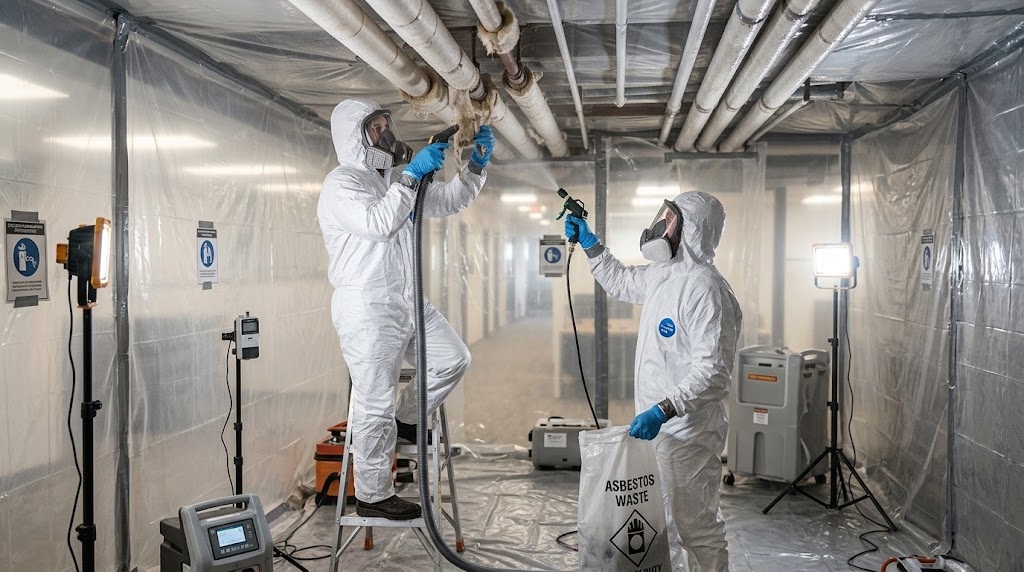
Professional asbestos operations may require controlled work areas, appropriate ventilation, wet methods, and specialized HEPA-filtered equipment.
OSHA prohibits certain practices, including dry sweeping asbestos-containing debris during covered construction activities.
Workers should never use ordinary household vacuum cleaners, dry brushing, or compressed air to clean suspected asbestos contamination.
Only trained personnel should carry out asbestos-disturbing activities using approved procedures.
Provide Employee Training
Workplace education plays an essential role in asbestos prevention.
Employees should understand how exposure occurs, how to recognize suspected materials, and whom to contact when potential hazards appear.
Training should also explain work restrictions, protective measures, and emergency reporting procedures.
Clear communication between property owners, contractors, supervisors, and employees helps prevent accidental exposure.
Asbestos Safety Tips for Homeowners
Homeowners renovating older properties should take asbestos risks seriously without assuming every old material is dangerous.
Before replacing floors, removing ceiling finishes, or disturbing pipe insulation, consider whether professional inspection is appropriate.
Do not drill, scrape, sand, or remove suspected asbestos-containing materials.
If materials remain intact and will not be disturbed, professional management without removal may be the safest option.
If materials are damaged, contact a qualified asbestos professional for an assessment.
Keep children and pets away from damaged suspected materials until the situation has been evaluated.
Importantly, asbestos removal is not always necessary. Properly managing intact materials can sometimes prevent unnecessary disturbance and expense.
What Should You Do After Suspected Asbestos Exposure?
Discovering that you may have encountered asbestos can be worrying, particularly after renovation or workplace maintenance.
First, stop the activity that may be releasing fibers and avoid further disturbance.
Keep other people away from the affected area and notify the property owner, supervisor, or responsible safety professional.
Do not attempt to clean suspected contamination using ordinary household equipment.
If exposure may have occurred, document the circumstances, including the location, date, activity, and approximate duration.
Consult a healthcare professional when exposure is significant, repeated, or accompanied by respiratory symptoms.
A healthcare provider can review occupational history and determine whether further evaluation is appropriate.
Asbestos-related illnesses usually take years to develop, so an immediate absence of symptoms does not establish that exposure was harmless.
Professional Asbestos Removal and Disposal
Asbestos removal requires specialized knowledge, planning, and compliance with relevant regulations.
Qualified asbestos abatement contractors are trained to assess risks, establish containment, use appropriate equipment, and handle contaminated materials.
Professional removal may involve controlled work areas, exposure monitoring, protective clothing, and regulated disposal procedures.
The specific approach depends on the material, condition, location, and legal requirements.
Before hiring a contractor, homeowners and building managers should verify licensing or accreditation requirements in their state.
Request written information about the work scope, safety procedures, and disposal arrangements.
Choosing properly qualified professionals is essential to limiting unnecessary exposure.
Frequently Asked Questions About Asbestos Exposure
Is a Small Amount of Asbestos Exposure Dangerous?
Even limited exposure should be avoided because asbestos is a known human carcinogen. However, a single brief exposure does not mean someone will develop an asbestos-related disease. Risk varies according to exposure intensity, duration, and other factors.
How Long Does It Take for Asbestos Symptoms to Appear?
Asbestos-related diseases often develop over several decades. Conditions such as mesothelioma, lung cancer, and asbestosis may not produce noticeable symptoms for many years after initial exposure.
Can Asbestos Be Found in Modern Homes?
Asbestos is more commonly associated with older construction materials. Modern homes are generally less likely to contain legacy asbestos materials, but construction date alone cannot establish whether a particular product is asbestos-free.
Can You Remove Asbestos Yourself?
DIY asbestos removal is strongly discouraged. Improper handling can release hazardous fibers and contaminate surrounding areas. A qualified asbestos professional can determine whether removal is necessary and how it should be performed safely.
Is Asbestos Exposure the Same as Mesothelioma?
No. Asbestos exposure means someone has encountered asbestos fibers, while mesothelioma is a cancer strongly associated with previous exposure. Not everyone exposed to asbestos develops mesothelioma or another asbestos-related illness.
What Should Employers Do When Asbestos Is Discovered?
Employers should prevent unnecessary disturbance, assess the hazard, inform affected personnel, and follow applicable OSHA requirements. Qualified professionals may be needed to inspect materials, evaluate exposure, and establish appropriate controls.
Conclusion
Asbestos exposure remains an important workplace and environmental health concern throughout the United States.
Although asbestos use has been restricted, older buildings and industrial materials can continue to present hazards when disturbed.
Understanding common exposure sources, recognizing potential health risks, following OSHA regulations, and obtaining professional assistance can significantly reduce avoidable exposure.
Homeowners should approach suspected asbestos carefully, while employers must prioritize hazard assessments, worker education, and appropriate safety controls.
The most effective approach is straightforward: identify potential asbestos hazards early, avoid disturbing suspicious materials, and rely on qualified professionals whenever assessment or removal is necessary.

Written by Twastia Editorial Team
Twastia Editorial Team shares practical insights about website design, SEO services, Google Ads, content marketing, social media, conversion rate optimization, and digital marketing strategy.
Last updated: Oct 11, 2026
Related posts from Twastia
Explore more useful articles from twastia.com about digital marketing, SEO, websites, ads, content, and growth strategy.