Bachelor Pad Ideas: How to Design a Stylish Apartment in 2026
Creating a home that reflects your personality is one of the most rewarding parts of living independently. Whether you’re moving […]
Creating a home that reflects your personality is one of the most rewarding parts of living independently. Whether you’re moving into your first apartment, decorating a downtown studio, or upgrading a larger home, thoughtful interior design can make your space more comfortable, functional, and inviting.
A well-designed bachelor pad isn’t simply a room with a large television, dark furniture, and a gaming console. It’s a complete living environment that balances style, practicality, entertainment, and everyday comfort.
The best interiors reflect the interests and lifestyle of the person living there rather than following a rigid decorating formula.
From choosing furniture and colors to improving lighting and organizing smaller rooms, even simple changes can make a noticeable difference.
This comprehensive guide explores stylish bachelor pad ideas for 2026, including modern layouts, affordable furniture, bedroom upgrades, entertainment spaces, storage solutions, and renter-friendly decorating tips.
What Is a Bachelor Pad?
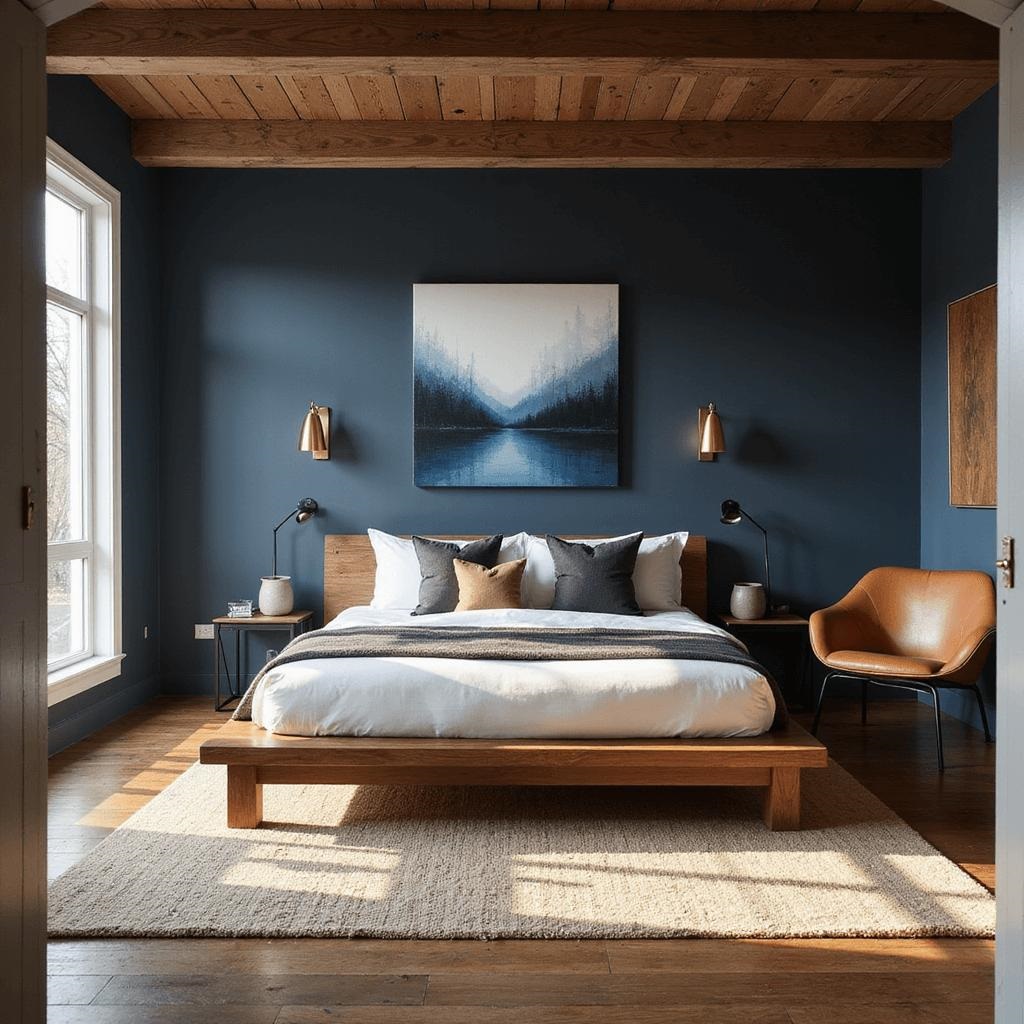
A bachelor pad traditionally refers to an apartment or home occupied by a single man.
The term often describes a living space designed around personal interests, independence, comfort, and entertainment.
However, a modern bachelor apartment doesn’t need to follow traditional expectations about masculine decorating.
It can be minimalist, colorful, industrial, contemporary, luxurious, or a combination of different styles.
Bachelor Pad vs. Man Cave
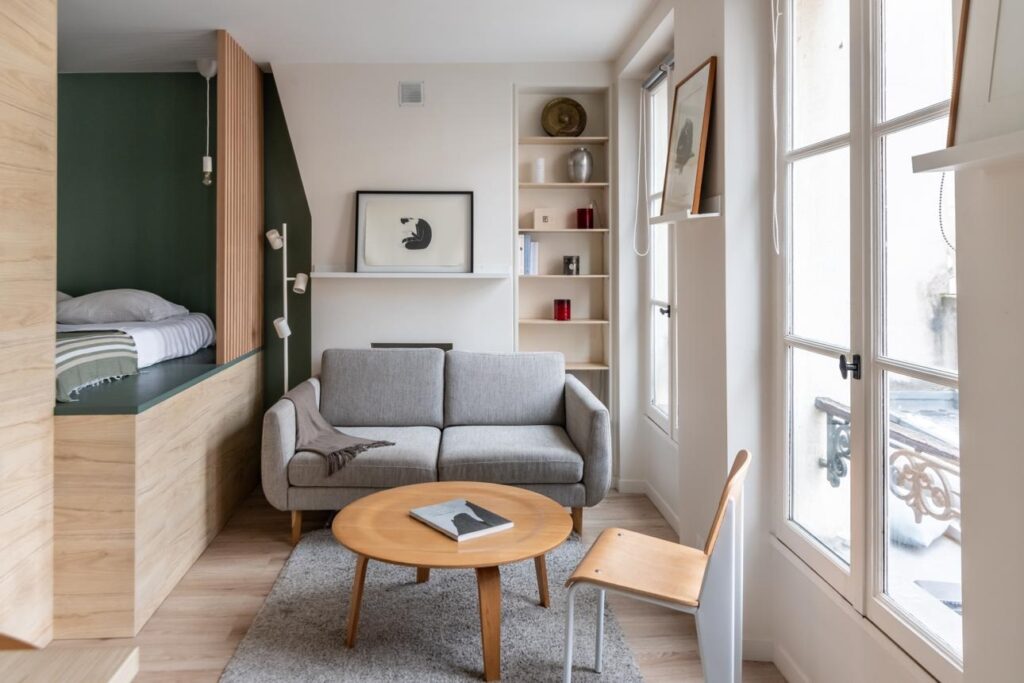
A bachelor pad is an entire residential space, while a man cave typically refers to one dedicated room within a larger home.
A bachelor apartment must accommodate everyday activities, including cooking, sleeping, working, relaxing, and entertaining.
This distinction makes practical planning especially important.
1. Start With a Functional Apartment Layout
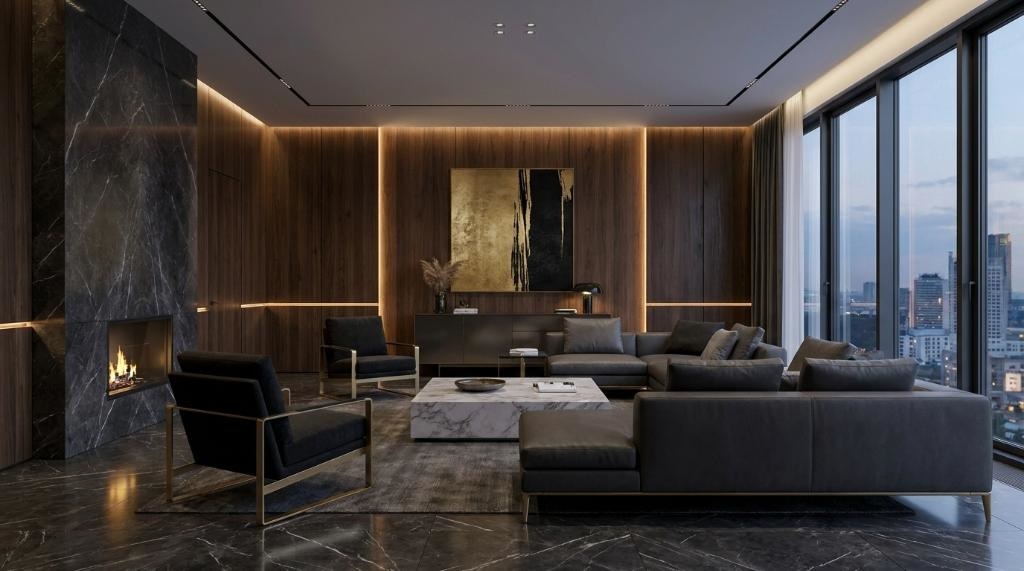
Before shopping for furniture, study the shape and dimensions of your available space.
A beautiful sofa or entertainment center can become an expensive mistake if it blocks movement or overwhelms the room.
Measure Before Buying
Measure walls, doorways, windows, and the available floor area.
Check whether large furniture can fit through entrances, elevators, and hallways.
Sketch a simple floor plan showing potential furniture positions.
Create Clear Walking Paths
Arrange furniture so you can move comfortably between the kitchen, living area, bedroom, and entrance.
Avoid placing bulky pieces directly in frequently used pathways.
In smaller apartments, clear circulation can make a room feel more spacious.
Define Activity Zones
A studio apartment may need separate places for working, dining, sleeping, and entertaining.
Area rugs, furniture placement, shelving, and lighting can visually distinguish these functions without constructing walls.
2. Choose a Modern Bachelor Pad Color Scheme
Color influences how an interior looks and feels.
A coordinated palette can make inexpensive furniture appear more intentional.
Charcoal, Black, and Gray
Dark neutral shades create a sophisticated contemporary appearance.
They work especially well when balanced with lighter walls, natural wood, or textured fabrics.
Navy Blue and Forest Green
Deep blue and muted green can introduce color without overwhelming the room.
These shades complement warm wood, tan upholstery, and black metal accents.
Warm Neutral Interiors
Beige, cream, taupe, and soft brown can make a bachelor apartment feel calm and welcoming.
They are particularly useful for small spaces that receive limited natural light.
Add an Accent Color
Consider rust orange, burgundy, mustard, or muted terracotta for cushions, artwork, and accessories.
Choose a consistent palette rather than introducing unrelated colors throughout the apartment.
3. Invest in Comfortable, Practical Furniture
Furniture is often the largest decorating expense, so prioritize pieces you use every day.
Choose the Right Sofa
A comfortable sofa can anchor the entire living room.
Look for durable upholstery, supportive cushions, and dimensions that fit the floor plan.
A compact two- or three-seat sofa may work better than a large sectional in a smaller apartment.
Select a Functional Coffee Table
A coffee table provides a convenient surface for drinks, books, and everyday essentials.
Models with drawers or shelves offer additional storage.
For a very small living room, nesting tables may provide greater flexibility.
Consider Multifunctional Pieces
Storage ottomans, sleeper sofas, expandable dining tables, and beds with built-in drawers can serve more than one purpose.
These options are especially valuable in studio apartments and rental homes.
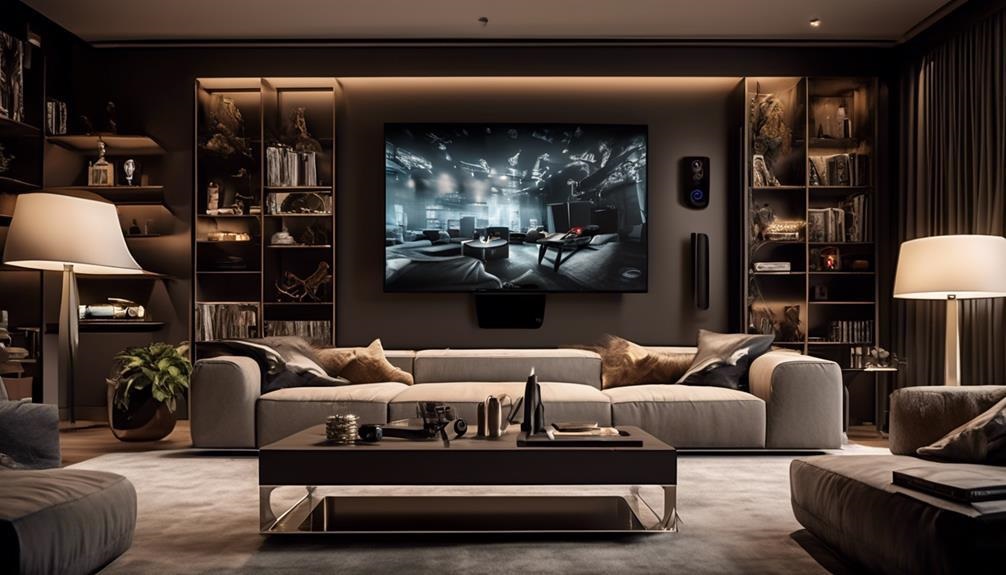
4. Create a Stylish Bachelor Pad Living Room
The living room is usually the center of entertainment and relaxation.
Design it around the activities you actually enjoy.
Establish a Focal Point
A television, large artwork, attractive window, or statement sofa can become the room’s visual centerpiece.
Arrange the remaining furniture around that feature.
Use a Properly Sized Area Rug
A rug can connect the sofa, coffee table, and accent chairs.
Avoid choosing a rug so small that it looks disconnected from the seating arrangement.
A larger rug often helps unify the room.
Balance Style With Comfort
Add cushions, textured throws, and practical side tables.
A room can look sophisticated without feeling like an untouchable furniture showroom.
5. Upgrade Your Apartment Lighting
Lighting is one of the most effective ways to improve a room without major renovations.
Relying exclusively on a bright ceiling fixture can make an otherwise attractive apartment feel flat.
Layer Different Light Sources
Combine ambient lighting with task and accent lighting.
A floor lamp can illuminate a seating area, while a desk lamp supports focused work.
A small table lamp adds warmth beside the sofa or bed.
Choose Comfortable Lighting
Warm-white lighting often suits living rooms and bedrooms.
Brighter task lighting may be more appropriate for kitchens and workstations.
Use dimmers and compatible smart bulbs when practical.
Take Advantage of Daylight
Avoid blocking windows with oversized furniture.
Light-filtering curtains can improve daytime privacy while admitting sunlight.
6. Design a Relaxing Bachelor Pad Bedroom
Your bedroom should prioritize comfort, restful sleep, and organization.
An expensive decorative theme is less important than having a supportive mattress and practical storage.
Keep the Bed as the Main Feature
Choose a bed frame that suits the room’s proportions.
Neutral bedding with layered textures can create a clean, hotel-inspired appearance.
Add Convenient Bedside Storage
Compact nightstands, wall-mounted shelves, or suitable narrow tables provide space for essential items.
Control Light and Clutter
Blackout curtains may help in bedrooms exposed to outdoor lighting.
Keep clothing, charging cables, and miscellaneous items organized rather than allowing them to accumulate around the bed.
A simple bedroom can feel more sophisticated than one filled with unnecessary accessories.
7. Build an Entertainment Area That Fits Your Lifestyle
Entertainment often influences how people design their apartments.
Some homeowners prioritize gaming, while others prefer music, movies, sports, or hosting friends.
Choose an Appropriately Sized Television
Consider viewing distance, wall space, and seating position before buying an oversized screen.
A wall-mounted television can save floor space, but installation must be appropriate for the wall and mounting hardware.
Organize Cables and Equipment
Use suitable cable management products and ventilated storage for electronics.
Avoid overloading outlets or concealing damaged electrical cords.
Add Personality Through Entertainment
A compact gaming station, record player, bookshelf, or carefully arranged speaker setup can make the room distinctly yours.
You don’t need every entertainment accessory to create an impressive apartment.
8. Add Artwork and Personal Decorations
The original Menprovement guide emphasizes artwork as an important feature of bachelor pad design.
Decorative pieces can transform a plain apartment into a home with a recognizable identity.
For inspiration, its guide explains how to design a bachelor pad using furniture, artwork, lighting, organization, and personalized details.
Choose Artwork You Actually Enjoy
Consider photography, abstract prints, travel artwork, architectural images, or pieces connected to your interests.
A coordinated gallery wall can look more polished than randomly positioned pictures.
Display Meaningful Objects
Books, musical instruments, travel souvenirs, and carefully chosen collectibles can create conversation starters.
Keep collections organized rather than filling every available shelf.
Avoid Excessive Decoration
Not every wall needs a picture, and not every table requires an ornament.
Leaving some open space creates visual balance.
9. Make a Small Bachelor Pad Look Bigger
Small apartments can feel stylish and comfortable when space is used effectively.
Choose Furniture With Visible Legs
Sofas and chairs raised above the floor can create a more open appearance.
Use Vertical Storage
Tall shelving, wall hooks, and suitable storage systems take advantage of otherwise unused space.
Secure tall or unstable furniture against tipping according to manufacturer instructions.
Select Reflective Surfaces
Mirrors can help distribute natural light.
Place them thoughtfully rather than assuming every small apartment needs a large mirror.
Limit Oversized Furniture
A few properly scaled pieces often work better than several bulky items.
10. Organize Your Closet and Everyday Essentials
An attractive apartment is easier to maintain when everyday belongings have designated places.
Simplify Clothing Storage
Organize clothing by category and keep frequently used items accessible.
Use drawer dividers, matching hangers, and stackable containers where helpful.
Create an Entryway Station
A small tray for keys, hooks for coats, and a convenient place for shoes can reduce clutter near the entrance.
Hide Visual Distractions
Store spare chargers, cleaning supplies, and miscellaneous items in cabinets or closed containers.
Organization should make the apartment easier to use, not create complicated systems you won’t maintain.
11. Add Plants and Natural Textures
Greenery can soften contemporary furniture and dark color palettes.
Indoor plants also introduce organic shapes that contrast with straight architectural lines.
Choose plant varieties suited to your available sunlight and maintenance preferences.
If you have pets, verify whether a plant is safe for them before bringing it home.
Natural materials such as wood, cotton, wool, and woven textiles can also make an apartment feel warmer.
12. Make Your Kitchen and Dining Area More Inviting
A bachelor apartment should support everyday cooking and entertaining.
You don’t need a large kitchen to create an organized, attractive space.
Keep Countertops Practical
Store appliances that aren’t used regularly.
Arrange essential cooking tools where they are easy to reach.
Use Coordinated Dinnerware
A modest collection of matching plates, glasses, and utensils can make everyday meals feel more intentional.
Create a Dining Spot
A compact table, breakfast bar, or foldable dining solution can provide a comfortable alternative to eating every meal on the sofa.
13. Design a Bachelor Pad on a Budget
A stylish interior doesn’t require luxury furniture or expensive renovations.
The most effective approach is prioritizing essential pieces.
Buy Important Furniture First
Start with a comfortable bed, practical seating, suitable lighting, and necessary storage.
Add artwork and accessories gradually.
Explore Secondhand Options
Thrift stores, resale marketplaces, and estate sales may offer quality furniture at lower prices.
Inspect used items carefully for structural problems, pests, and damage.
Upgrade Small Details
Changing cushion covers, adding a rug, organizing cables, or introducing better lighting can make a noticeable difference.
Use a Simple Budget Plan
For illustration, consider allocating approximately 40% of your decorating budget to furniture, 20% to lighting and textiles, 15% to storage, 15% to decor, and 10% to unexpected expenses.
Adjust the proportions according to what you already own.
14. Decorate a Rental Without Major Renovations
Many people designing their first apartment are renters.
Always review your lease before drilling walls, painting, or changing fixtures.
Choose Removable Solutions
Freestanding furniture, removable decorative accessories, and appropriately rated temporary hanging products can help personalize a rental.
Follow product instructions and test surfaces before application.
Keep Original Fixtures
If you obtain permission to replace hardware, store the original components carefully.
Avoid unapproved electrical or plumbing modifications.
Prioritize Portable Investments
Furniture, artwork, rugs, and lamps can move with you when your lease ends.
This makes them practical choices for people who expect to relocate.
Common Bachelor Pad Decorating Mistakes
One common mistake is purchasing oversized furniture before measuring the room.
Another is relying entirely on black or gray without incorporating lighter tones, textures, or natural materials.
Poor lighting can also make an otherwise attractive apartment feel uncomfortable.
Avoid displaying every collectible you own, neglecting basic storage, or choosing decorative items solely because they’re considered fashionable.
Finally, remember that cleanliness matters. Regular cleaning and basic organization can improve the appearance of an apartment as much as expensive accessories.
Frequently Asked Questions About Bachelor Pad Design
What Is a Bachelor Pad?
A bachelor pad traditionally refers to a home or apartment occupied by a single man, decorated to suit his lifestyle and personal preferences.
How Can I Make My Bachelor Pad Look Expensive?
Use a coordinated color palette, properly sized furniture, layered lighting, organized storage, and a few well-chosen decorative pieces.
What Colors Are Best for a Bachelor Apartment?
Charcoal, navy, forest green, warm gray, beige, and brown are popular options, but the best colors depend on the room and personal taste.
How Do I Decorate a Small Bachelor Pad?
Prioritize multifunctional furniture, vertical storage, clear walkways, effective lighting, and a restrained decorating scheme.
What Furniture Should I Buy First?
Begin with a comfortable mattress, practical sofa, suitable lighting, and basic storage. Add decorative items after the essentials are covered.
Can I Create a Bachelor Pad in a Studio Apartment?
Yes. Use rugs, lighting, furniture placement, and storage to distinguish sleeping, living, dining, and working areas.
How Much Does It Cost to Decorate a Bachelor Pad?
Costs vary based on apartment size, furniture quality, existing belongings, and whether items are purchased new or secondhand.
What Makes a Bachelor Pad Feel Welcoming?
Comfortable seating, balanced lighting, clean surfaces, personal artwork, and a functional layout help create an inviting atmosphere.
Conclusion: Create a Bachelor Pad That Reflects Your Personality
A successful bachelor pad combines comfort, functionality, and personal style.
Whether you prefer a modern minimalist apartment, an industrial-inspired loft, or a warm contemporary interior, thoughtful design decisions can make your home feel more complete.
Start with the layout, invest in essential furniture, improve lighting, and organize everyday belongings.
Then introduce artwork, textures, plants, and entertainment features that reflect your interests.
You don’t need a large apartment or unlimited budget to create a beautiful home.
With careful planning, practical purchases, and attention to detail, even a modest living space can become a stylish and enjoyable place to live.

Written by Twastia Editorial Team
Twastia Editorial Team shares practical insights about website design, SEO services, Google Ads, content marketing, social media, conversion rate optimization, and digital marketing strategy.
Last updated: Oct 15, 2026
Related posts from Twastia
Explore more useful articles from twastia.com about digital marketing, SEO, websites, ads, content, and growth strategy.