The Best Places to Travel as a Whole Class: Top Educational Trips
School trips offer students something a traditional classroom cannot always provide: the opportunity to experience what they are learning in […]
School trips offer students something a traditional classroom cannot always provide: the opportunity to experience what they are learning in real life. From exploring historical landmarks to discovering wildlife and conducting scientific activities, educational travel can make school subjects more engaging and memorable.
Planning a trip for an entire class, however, requires careful preparation. Teachers must consider educational objectives, transportation, student safety, accessibility, supervision, and overall expenses.
Choosing the right destination is one of the most important decisions.
If you’re searching for the best places to travel as a whole class, the United States offers numerous destinations that combine education, entertainment, and memorable group experiences.
National museums, historical cities, science centers, wildlife attractions, and national parks can all provide valuable opportunities for students of different ages.
The best destination depends on your class’s grade level, learning goals, available budget, and travel schedule.
This guide explores exciting educational travel destinations across America, explains what students can learn from each location, and provides practical advice for organizing a successful school group trip.
Why Are Educational Class Trips Important?
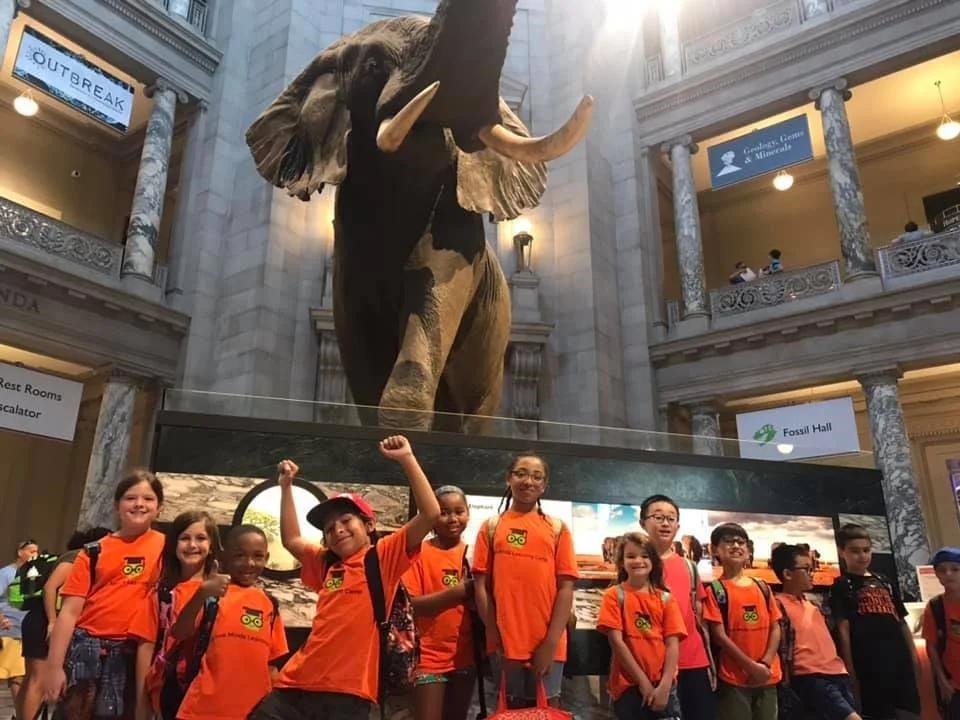
Educational travel can create meaningful connections between classroom lessons and real-world experiences.
Encourage Hands-On Learning
Students can examine historical objects, explore scientific exhibits, and observe natural environments directly.
These experiences can help make unfamiliar subjects easier to understand.
Develop Social Skills
Traveling with classmates provides opportunities to practice communication, cooperation, patience, and responsibility.
Support Different Learning Styles
Some students benefit from visual demonstrations, interactive activities, and guided exploration.
Field trips can complement textbooks and classroom discussions.
Create Shared Memories
A thoughtfully organized trip can strengthen classroom relationships and provide experiences students remember beyond the school year.
1. Washington, D.C. – Best for American History and Government
Washington, D.C., is one of the most versatile destinations for school groups interested in history, civics, and national institutions.
What Students Can Explore
The National Mall connects numerous monuments, memorials, and museums.
Students can study different periods of American history while examining places that represent important national events.
Visit the Smithsonian Museums
The Smithsonian Institution operates multiple museums offering educational collections and exhibits.
Popular subjects include natural history, American history, aerospace science, art, and cultural heritage.
General admission is free at most Smithsonian locations, although certain museums require timed-entry passes or advance arrangements.
Educational Benefits
A Washington trip can support lessons about the U.S. Constitution, government institutions, historical events, scientific discovery, and cultural change.
Planning Tips
Choose a manageable number of attractions rather than trying to visit everything.
Reserve required museum passes, schedule rest breaks, and plan suitable transportation between locations.
Best for: Middle school and high school classes studying history, government, and social studies.
2. New York City – Best for Culture, Science, and Art
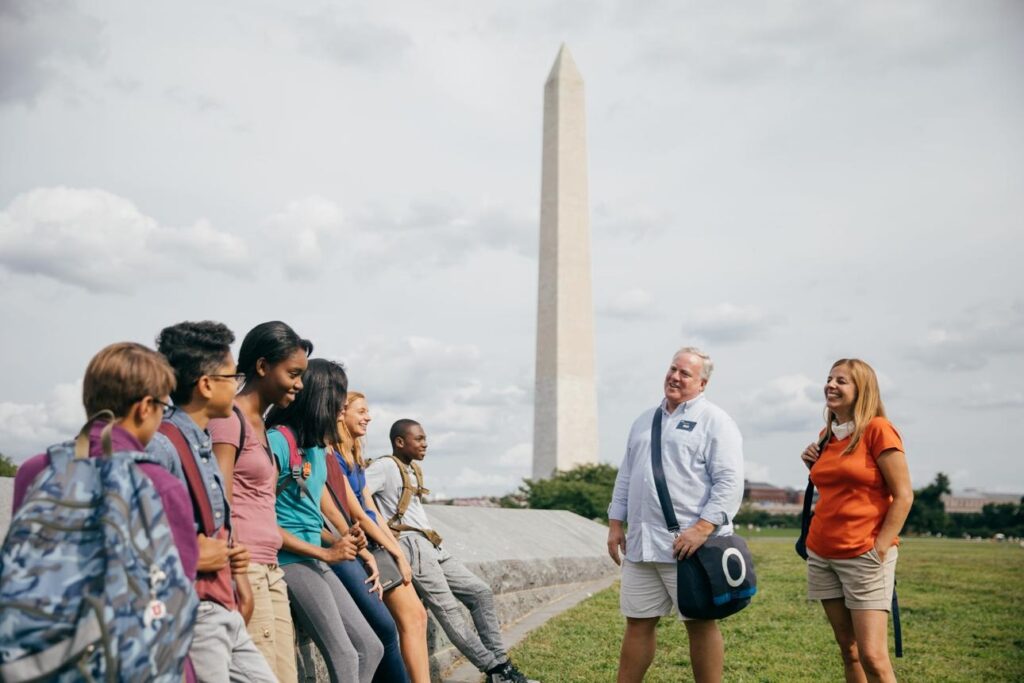
New York City offers educational experiences across science, architecture, performing arts, literature, and cultural history.
Explore the American Museum of Natural History
Students can examine dinosaur fossils, geological collections, biodiversity exhibits, and space-related displays.
The museum offers dedicated school field trip resources and specialized educational experiences.
Learn About Urban Life
Teachers can connect classroom discussions with the city’s transportation systems, architecture, neighborhoods, and public spaces.
Experience Art and Performance
Depending on the class’s interests and budget, students may visit museums, attend suitable theater performances, or participate in educational arts programs.
Educational Benefits
New York City is particularly useful for combining several subjects within one trip.
Students can explore science during the morning and examine art or urban geography later.
Planning Tips
Reserve major attractions well in advance.
For the American Museum of Natural History, school groups are encouraged to plan at least five weeks before their desired visit.
Best for: Middle school and high school students interested in science, arts, culture, and city life.
3. Chicago, Illinois – Best for Science and Innovation
Chicago combines educational museums with architecture, engineering, history, and technology.
Visit the Field Museum
The Field Museum offers exhibits covering natural history, ancient cultures, fossils, and scientific research.
Students can connect classroom lessons with authentic specimens and historical artifacts.
Discover the Griffin Museum of Science and Industry
The Griffin Museum of Science and Industry provides interactive educational exhibits related to science, technology, and engineering.
School groups can explore practical applications of classroom concepts.
Explore Architecture
Chicago’s buildings provide opportunities to discuss structural engineering, urban planning, and architectural design.
Educational Benefits
A Chicago trip can support STEM education while introducing students to history, geography, and cultural subjects.
Planning Tips
Check school-group admission policies.
The Field Museum offers free pre-registered field trips for eligible Illinois Pre-K–12 schools, while the Griffin Museum also provides school admission programs.
Best for: Elementary, middle school, and high school groups interested in science and engineering.
4. Kennedy Space Center, Florida – Best for STEM Education
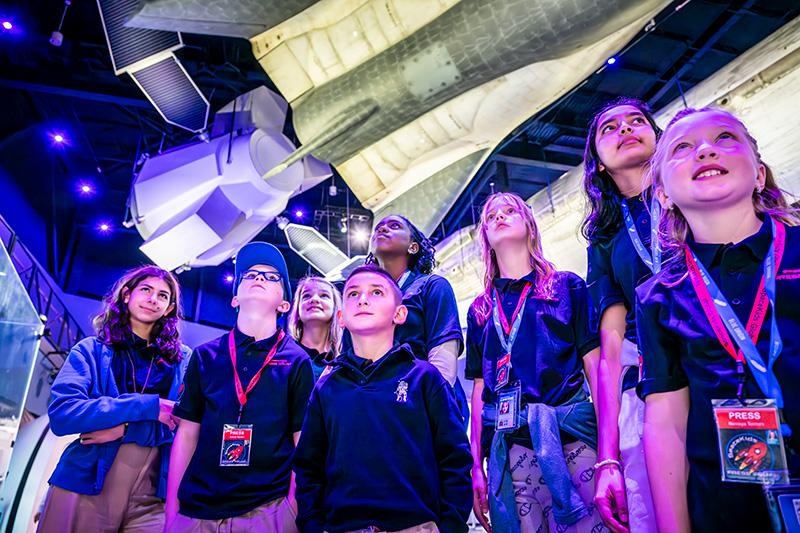
The Kennedy Space Center Visitor Complex is an exciting destination for students interested in space exploration.
Discover American Space History
Students can learn about NASA missions, astronauts, rockets, and the history of human spaceflight.
Exhibits include Space Shuttle Atlantis and the Apollo/Saturn V Center.
Explore Engineering Concepts
Space-related exhibits can introduce principles of physics, engineering, mathematics, and technological innovation.
Participate in Educational Activities
The visitor complex offers educational field trips and specialized STEM activities for qualifying school groups.
Educational Benefits
Students can connect concepts from science lessons with real-world space technology and exploration.
Planning Tips
Student and youth group discounts are available for qualifying groups of at least 15 participants.
Special engineering programs require advance reservations and have separate eligibility and supervision requirements.
Best for: Upper elementary, middle school, and high school students interested in STEM and aerospace.
5. San Diego, California – Best for Wildlife and Conservation
San Diego provides educational opportunities centered on wildlife, environmental science, and conservation.
Visit the San Diego Zoo
Students can observe a variety of animals and learn about habitats, biodiversity, and conservation work.
The zoo has dedicated school and youth group programs.
Explore Environmental Topics
Teachers can introduce subjects such as endangered species, food webs, adaptation, and ecosystems.
Encourage Scientific Observation
Students can record animal behaviors, compare habitats, and reflect on conservation challenges.
Educational Benefits
A wildlife-focused trip can make biology and environmental science more engaging.
Planning Tips
San Diego Zoo school group reservations currently require advance booking, with a minimum of 15 participants and a supervision ratio of at least one adult for every six students.
These rules should be checked again before booking.
Best for: Elementary and middle school students studying life science, wildlife, and the environment.
6. Grand Canyon National Park, Arizona – Best for Geography and Geology
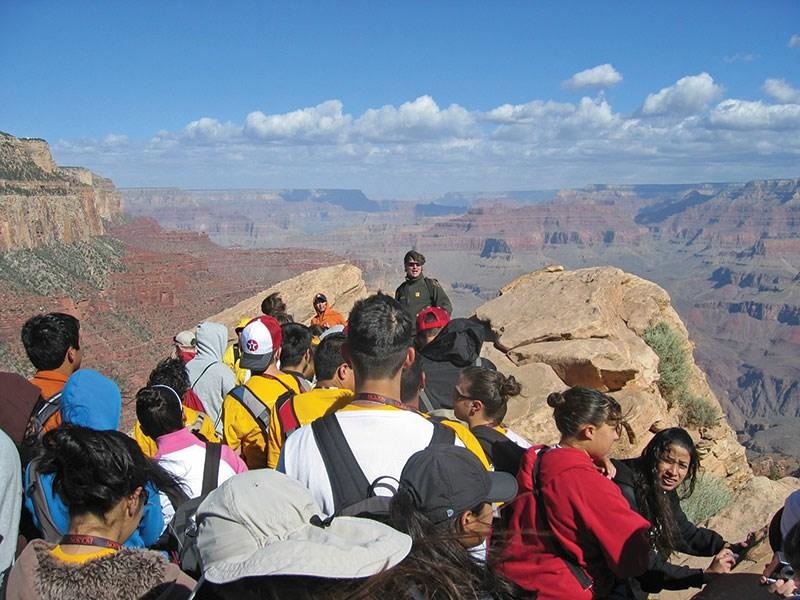
The Grand Canyon is an outstanding outdoor classroom for earth science and environmental education.
Observe Geological Formations
Students can learn how natural processes, including erosion, contributed to the canyon’s landscape over extremely long periods.
Study Natural Environments
The park offers opportunities to explore habitats, weather conditions, geological time, and land conservation.
Participate in Educational Programs
The National Park Service provides ranger-led and self-guided educational resources.
Ranger-led availability depends on staffing, schedules, and advance registration.
Educational Benefits
A Grand Canyon visit can connect classroom geology, geography, ecology, and environmental science lessons with direct observations.
Planning Tips
Use designated viewpoints and established trails.
Keep students together, prepare for changing weather, and establish strict rules around canyon edges.
Best for: Middle school and high school groups studying earth science, geography, and environmental education.
How to Choose the Best Destination for Your Class
The most exciting destination isn’t necessarily the best choice for every school.
Match the Trip With Learning Goals
A history class may benefit most from Washington, D.C., while a biology class may prefer a wildlife or natural history destination.
Consider Student Age
Younger students generally benefit from shorter travel times and manageable activities.
Older students may be better prepared for multi-day educational tours.
Evaluate Travel Distance
A nearby museum may offer excellent educational value without requiring airfare or overnight accommodation.
Check Accessibility
Confirm wheelchair access, transportation arrangements, restroom availability, and accommodations for students with disabilities.
Consider Your Budget
Balance educational benefits against transportation, admission, meals, lodging, and supervision expenses.
Planning a School Group Trip Step by Step
Effective planning helps teachers manage the needs of an entire class.
Step 1: Establish Educational Objectives
Identify what students should learn from the experience.
Create activities that connect the trip to classroom subjects.
Step 2: Obtain School Approval
Follow district policies for field trip requests, parental permission, supervision, and transportation.
Step 3: Create a Budget
Include admission fees, transportation, meals, supplies, accommodations, and a suitable emergency allowance.
Step 4: Reserve Activities
Contact museums and attractions to confirm group availability, age restrictions, and reservation requirements.
Step 5: Organize Transportation
Select transportation appropriate for the group size, accessibility needs, travel distance, and school policies.
Step 6: Prepare Students
Discuss educational goals, behavior expectations, schedules, and safety procedures before departure.
How to Save Money on Class Trips
School travel does not always have to be expensive.
Choose Nearby Educational Attractions
Local science centers, museums, farms, and historical sites may offer meaningful experiences without overnight expenses.
Look for School Admission Programs
Some museums provide reduced prices or free admission for qualifying school groups.
Eligibility may depend on school location and grade level.
Book in Advance
Early reservations can improve scheduling choices and help schools understand costs.
Plan Meals Carefully
Check whether attractions allow packed lunches and provide suitable eating areas.
Consider Fundraising
School-approved fundraising activities may help reduce student costs.
Ensure participation and payment arrangements are equitable.
School Trip Safety and Supervision Tips
Student safety should be part of every planning decision.
Establish Chaperone Responsibilities
Assign adults to manageable groups according to school requirements and venue policies.
Create an Emergency Plan
Provide staff with approved emergency contacts, medical procedures, and clear instructions for unexpected situations.
Set Meeting Points
Identify designated meeting areas and explain what students should do if separated from their group.
Review Transportation Safety
Use approved transportation providers and follow relevant seat belt and passenger safety requirements.
Prepare for Outdoor Conditions
Weather, terrain, sun exposure, and hydration require special attention during outdoor excursions.
Protect Student Privacy
Follow school policies regarding photographs, identification information, and online sharing.
Day Trips vs. Overnight School Trips
Both approaches can provide meaningful educational experiences.
Benefits of Day Trips
Day trips typically involve lower costs and simpler transportation arrangements.
They may be easier for younger students and families.
Benefits of Overnight Trips
Multi-day trips allow schools to explore destinations that are farther away and cover several subjects.
Additional Overnight Responsibilities
Overnight travel requires accommodation planning, room assignments, supervision procedures, medication arrangements, and clear emergency protocols.
Choosing the Right Format
Consider student maturity, learning goals, staff availability, and family financial circumstances.
Activities That Make Class Trips More Educational
Teachers can help students engage with the destination rather than simply observe it.
Educational Scavenger Hunts
Provide questions that encourage students to locate specific exhibits or identify important facts.
Observation Journals
Ask students to record what they notice and compare observations with classroom lessons.
Small Group Discussions
Encourage students to discuss exhibits and share different perspectives.
Reflection Activities
After returning, students can create presentations, journals, posters, or short research assignments.
These activities reinforce what they learned during the trip.
Common School Trip Planning Mistakes
Scheduling Too Many Attractions
A crowded itinerary can leave students exhausted and reduce opportunities for meaningful learning.
Ignoring Reservation Requirements
Some attractions require advance registration even when general admission is free.
Underestimating Transportation Time
Traffic, boarding, restroom breaks, and accessibility needs can affect schedules.
Insufficient Supervision
Every trip should follow the applicable school’s and venue’s chaperone requirements.
Forgetting Educational Follow-Up
Classroom activities after the visit help connect the trip to long-term learning goals.
Frequently Asked Questions About Whole-Class Travel
1. What are the best places to travel as a whole class?
Washington, D.C., New York City, Chicago, Kennedy Space Center, San Diego Zoo, and Grand Canyon National Park offer valuable educational opportunities.
2. What is the best educational trip for elementary students?
Local museums, science centers, zoos, and nature programs are often suitable because activities can be matched to younger learners.
3. Where should a high school class travel?
Washington, D.C., New York City, Chicago, and major national parks can support advanced studies in history, science, culture, and geography.
4. How much does a school class trip cost?
Costs depend on destination, transportation, group size, admission fees, meals, accommodations, and the length of the trip.
5. Are museums free for school groups?
Some offer free admission to eligible schools. Policies vary by museum, location, and advance-registration requirements.
6. How many chaperones should accompany a school group?
Follow school district policies and venue requirements. Different attractions may specify different student-to-adult ratios.
7. How early should teachers plan educational trips?
Start several months ahead for overnight travel. Some museums require reservations weeks in advance, while specialized programs may have limited availability.
8. How can teachers make school trips more educational?
Connect activities to classroom lessons, prepare students beforehand, encourage observation, and organize reflection exercises afterward.
Conclusion
Choosing the best places to travel as a whole class involves balancing educational value, student enjoyment, safety, and affordability.
The United States offers outstanding destinations for school groups, from the historic landmarks of Washington, D.C., to the scientific discoveries at Kennedy Space Center and the natural wonders of the Grand Canyon.
Museums, wildlife attractions, and cultural sites can help students explore subjects in ways that are difficult to reproduce inside a classroom.
However, a successful trip requires careful planning.
Teachers should establish learning objectives, compare destinations, confirm group policies, arrange appropriate supervision, and prepare students for the experience.
Whether your school organizes a local day trip or a multi-day educational tour, the right destination can turn a class outing into a memorable learning opportunity that students carry with them long after returning home.

Written by Twastia Editorial Team
Twastia Editorial Team shares practical insights about website design, SEO services, Google Ads, content marketing, social media, conversion rate optimization, and digital marketing strategy.
Last updated: Oct 29, 2026
Related posts from Twastia
Explore more useful articles from twastia.com about digital marketing, SEO, websites, ads, content, and growth strategy.