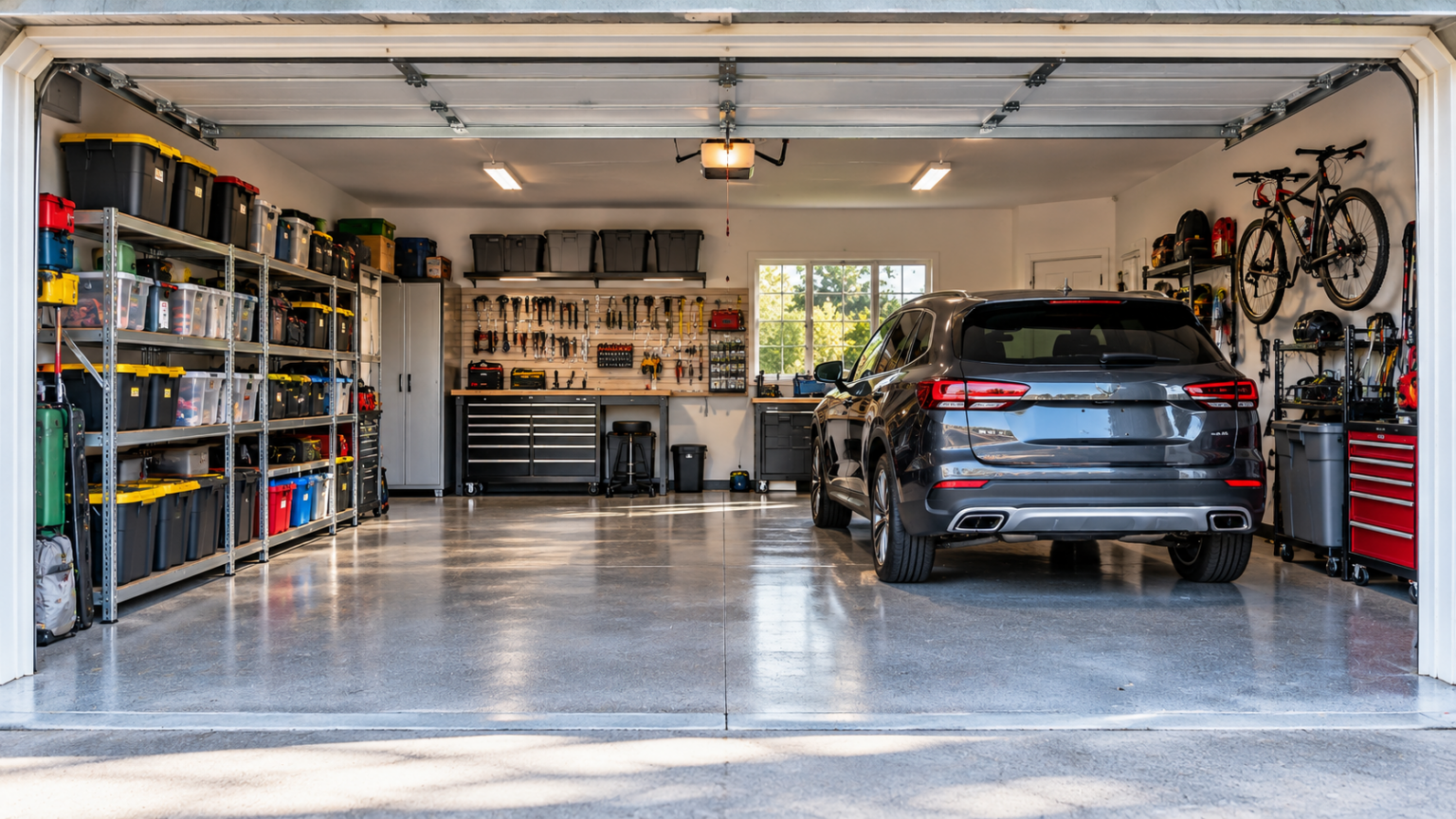
Declutter and Reduce Hazards: Best Garage Safety and Organization Tips
Your garage is more than a place to park your car. For many American homeowners, it also serves as a […]
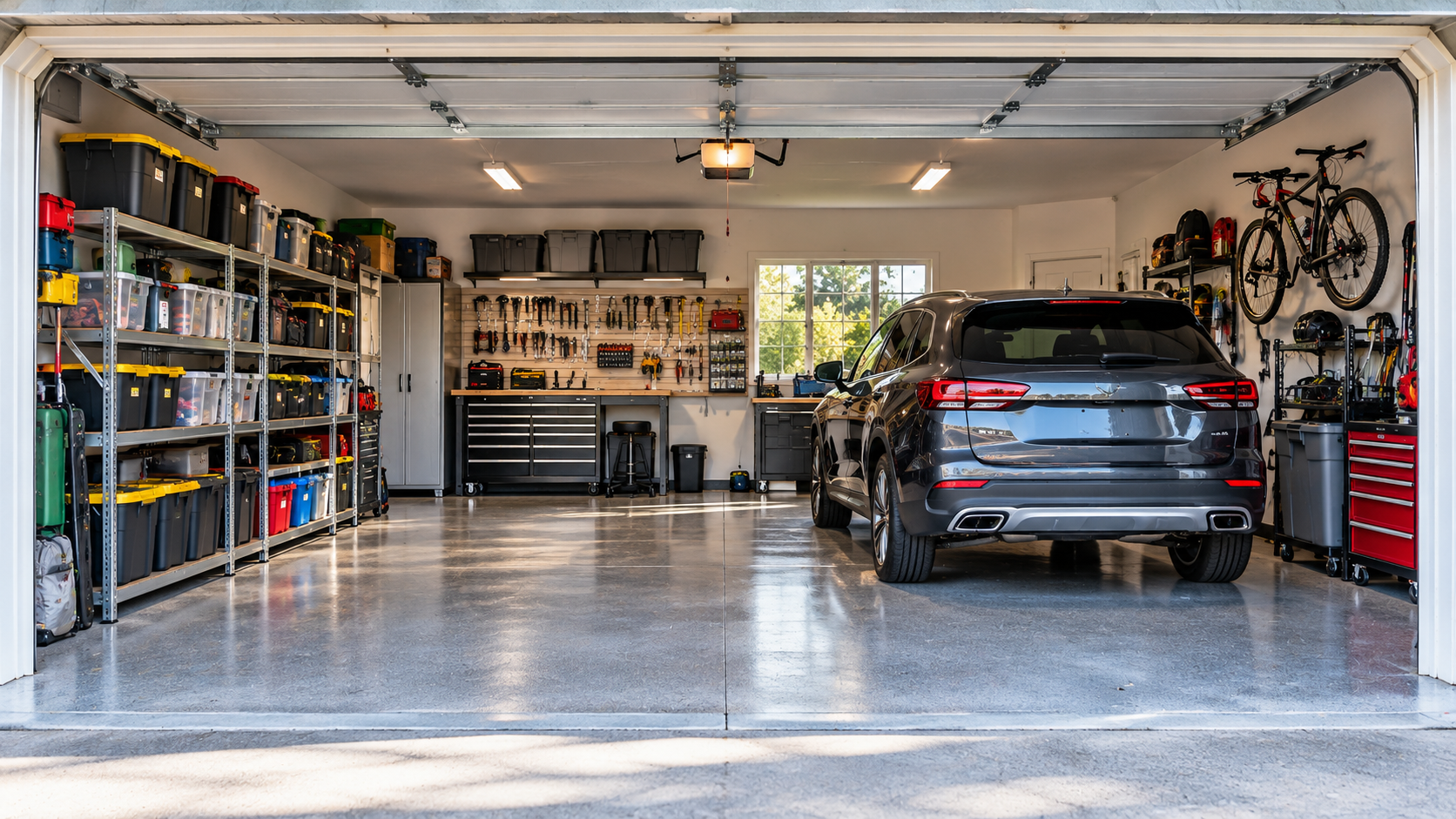
Your garage is more than a place to park your car. For many American homeowners, it also serves as a storage area for tools, gardening equipment, seasonal decorations, sports gear, and household supplies. However, without regular attention, this useful space can quickly become overcrowded and potentially dangerous.
Learning how to declutter and reduce hazards in your garage can improve safety, create more usable space, and make everyday activities easier. Loose tools, unstable storage shelves, chemical containers, and slippery floors can increase the likelihood of preventable accidents.
A clean garage also makes it easier to maintain your vehicle, locate essential equipment, and identify maintenance problems before they become serious.
Fortunately, improving garage safety does not always require expensive renovations. Simple organization strategies, regular cleaning, and preventive maintenance can make a noticeable difference.
This comprehensive guide explains how to organize your garage efficiently, identify common safety risks, protect your belongings, and maintain a safer environment for your family.
Why Garage Organization and Safety Matter
An overcrowded garage can create more than an inconvenience. When household items accumulate without a proper storage system, they may obstruct walking paths, block access to equipment, or create unstable piles.
Garage clutter may also interfere with garage door movement and make emergency exits difficult to access.
Taking time to declutter and reduce hazards offers several advantages:
- Improves walking space and reduces tripping risks.
- Makes tools and household supplies easier to find.
- Creates more room for vehicles and equipment.
- Helps protect stored belongings from damage.
- Reduces unnecessary fire and chemical exposure risks.
- Makes regular garage maintenance easier.
- Declutter and Reduce Hazards
A well-organized garage supports both daily convenience and long-term property care.
Common Garage Hazards Every Homeowner Should Know
Before reorganizing your garage, identify the conditions that could create safety problems.
Some hazards are immediately visible, while others develop gradually through poor storage or neglected maintenance.
Cluttered Floors and Walkways
Boxes, extension cords, loose tools, and sports equipment can create tripping hazards.
When items are scattered around the floor, family members may struggle to move safely between vehicles, doors, and storage areas.
Unstable Shelving and Heavy Objects
Overloaded shelves or poorly secured storage racks can collapse.
Heavy objects stored overhead may fall unexpectedly, especially when shelving is incorrectly installed or damaged.
Improper Chemical Storage
Garages often contain paints, cleaning supplies, automotive fluids, pesticides, and other potentially hazardous products.
Some materials are flammable, toxic, corrosive, or reactive and require special handling.
The U.S. Environmental Protection Agency recommends carefully managing household hazardous products and following appropriate disposal practices.
US EPA
Garage Door Malfunctions
Garage doors contain heavy moving components, including tracks, rollers, cables, and springs.
Damaged or malfunctioning parts may create dangerous operating conditions.
Keeping the area around the door clear and arranging professional maintenance are important safety measures.
10 Practical Ways to Declutter and Reduce Hazards in Your Garage
An effective garage organization plan should focus on improving accessibility, reducing unnecessary storage, and addressing potential safety concerns.
The following strategies can help homeowners create a cleaner, safer, and more functional garage.
declutter and reduce hazards
1. Remove Unnecessary Items
Start by taking inventory of everything stored in your garage.
Separate belongings into categories such as items to keep, donate, recycle, or dispose of.
Broken equipment, empty boxes, unused furniture, and duplicate tools often occupy valuable storage space.
Avoid holding onto items simply because they might be useful someday.
Keep equipment that serves a clear purpose, and remove belongings that no longer meet your household needs.
This first step helps declutter and reduce hazards by eliminating unnecessary obstacles and reducing overcrowding.
2. Install Strong and Reliable Storage Shelves
Shelving can dramatically improve garage organization.
Choose sturdy shelving systems designed to support the weight of your stored belongings.
Place heavier items on lower shelves and lighter objects higher up.
Always follow manufacturer weight limits and installation instructions.
Wall-mounted shelves should be securely anchored into suitable structural supports.

Heavy-Duty Garage Shelving
Durable storage racks help keep boxes, equipment, and household supplies off the floor. Properly installed shelving improves accessibility while reducing the risk of unstable piles.
3. Use Wall-Mounted Storage Solutions
Wall storage systems are useful for garages with limited floor space.
Pegboards, hooks, tool rails, and specialized equipment holders can accommodate many everyday items.
Securely hang gardening tools, extension cords, and lightweight sports equipment.
Keep sharp tools protected and outside children’s reach.
Avoid hanging heavy objects from hardware that is not rated for their weight.
Well-designed wall storage can help declutter and reduce hazards without requiring major renovations.
4. Keep Walkways and Exits Clear
Every garage should have unobstructed walking paths.
Avoid placing boxes, bicycles, or equipment directly in front of doors, stairs, electrical panels, or frequently used storage areas.
Maintain enough clearance around parked vehicles to allow safe entry and exit.

Clear Garage Walkways
Open walking areas make it easier to enter vehicles, carry groceries, and access household equipment without stepping around clutter.
Clear pathways are especially important when children, older adults, or visitors regularly use the garage.
5. Store Chemicals and Flammable Materials Properly
Chemical storage requires additional attention.
Keep products in their original, clearly labeled containers whenever possible.
Follow manufacturer instructions regarding temperature, ventilation, compatibility, and storage locations.
Never place incompatible chemicals together simply to save space.
For example, certain cleaning products and automotive chemicals can create dangerous reactions when mixed.
Gasoline and other flammable liquids require approved containers and suitable storage arrangements. Some products should not be stored in attached garages at all.
Check applicable local fire codes and manufacturer guidance.
Proper chemical management helps declutter and reduce hazards while protecting household members from unnecessary exposure.
6. Maintain Your Garage Door Regularly
Garage door maintenance is an essential part of garage safety.
Inspect the door visually for unusual movement, damaged panels, bent tracks, or frayed cables.
Keep stored belongings away from moving components and ensure that safety sensors remain unobstructed.
Homeowners can learn more about garage upkeep through this practical guide on how to declutter and reduce hazards while maintaining garage doors, organizing storage, and caring for garage floors.
Eastern Garage Doors
Do not attempt to adjust high-tension springs or cables yourself.
These components can cause severe injuries and should be handled by trained technicians.
7. Clean Garage Floors and Remove Spills
Garage floors frequently collect dust, dirt, moisture, and automotive residue.
Oil spills and slippery surfaces increase the risk of falls.
Sweep regularly and use cleaning products suitable for your flooring material.
Address spills promptly using appropriate absorbent materials and disposal procedures.

Clean and Slip-Resistant Garage Flooring
Well-maintained flooring makes spills easier to notice and clean. Suitable floor coatings may also protect concrete surfaces from wear, depending on the product and installation.
Avoid washing chemical spills into storm drains.
Certain automotive fluids and hazardous cleaning materials require specialized disposal.
8. Organize Tools and Power Equipment
Power tools, hand tools, and sharp equipment should have designated storage locations.
Use toolboxes, drawers, lockable cabinets, or securely mounted holders.
Unplug power tools before storage and follow manufacturer recommendations for batteries and accessories.
Keep cutting equipment protected when not in use.
Organizing equipment consistently helps declutter and reduce hazards while making workshop activities more efficient.
9. Improve Garage Lighting
Poor lighting makes it difficult to identify spills, obstacles, and damaged equipment.
Install suitable overhead lighting and consider additional illumination near workbenches and storage cabinets.
Use fixtures appropriate for garage conditions and have electrical modifications completed by qualified professionals.
Avoid overloaded outlets and damaged extension cords.
Better visibility improves everyday safety and makes cleaning more effective.
10. Establish a Regular Cleaning Routine
Garage organization works best when it becomes a consistent habit.
Schedule time each month to remove unnecessary items, return equipment to designated locations, and inspect storage systems.
Seasonal cleaning can address larger tasks such as reorganizing holiday decorations or checking moisture damage.
A practical routine allows homeowners to declutter and reduce hazards before clutter becomes difficult to manage.
Best Garage Storage Solutions for Different Items
Not every household item requires the same storage system. declutter and reduce hazards declutter and reduce hazards
Choosing appropriate storage equipment helps protect belongings and maintain an organized garage.

Pegboards and Tool Rails
Best for frequently used hand tools and lightweight workshop accessories. They make equipment visible and easy to return after use.

Labeled Storage Containers
Useful for seasonal decorations, camping supplies, sports equipment, and smaller household belongings.

Bicycle Racks
Wall-mounted bicycle holders can save floor space when installed according to weight and mounting requirements.

Lockable Garage Cabinets
Suitable for securing sharp tools and other items that should remain inaccessible to children. Hazardous chemicals still require product-specific storage precautions.
Combining several storage solutions often provides better results than relying on one large shelving unit.
How to Improve Garage Fire Safety
Fire prevention should be part of every garage maintenance routine.
Garages may contain combustible materials, electrical equipment, batteries, and fuel-powered machinery.
Store flammable products only where permitted and in accordance with their labels and relevant fire safety requirements.
Keep combustibles away from heat sources and electrical equipment.
Do not operate fuel-burning generators, grills, or vehicles in closed garages because of carbon monoxide risks.
Follow local requirements for smoke and carbon monoxide alarms, especially in homes with attached garages.
When disposing of leftover paints, solvents, pesticides, or automotive fluids, use approved local collection programs whenever required. The EPA advises against pouring household hazardous waste onto the ground, into drains, or into storm sewers.
US EPA
Taking these precautions helps homeowners declutter and reduce hazards associated with combustible or toxic materials.
Seasonal Garage Maintenance Checklist
Different seasons create different challenges for American homeowners.
A seasonal maintenance schedule keeps garage organization manageable throughout the year.
Spring Garage Maintenance
Spring is a good time for a complete garage cleanup.
Remove accumulated clutter, inspect shelving, clean floors, and look for winter-related moisture damage.
Check garage door components for visible deterioration and schedule servicing when necessary.
Summer Garage Maintenance
High temperatures can affect products stored inside garages.
Review chemical storage recommendations and avoid keeping temperature-sensitive products in unsuitable conditions.
Check ventilation and organize outdoor equipment.
Fall Garage Maintenance
Prepare for colder weather by reorganizing seasonal items and removing unnecessary belongings.
Inspect weatherstripping around garage doors and look for gaps that may allow water or pests to enter.
Winter Garage Maintenance
Snow, road salt, and moisture can accumulate around vehicles and garage entrances.
Clean wet floors promptly and use suitable mats where necessary.
Keep garage door tracks clear of debris without interfering with mechanical components.
Common Garage Organization Mistakes to Avoid
Even homeowners with good intentions sometimes make storage mistakes.
One common problem is placing heavy boxes on high shelves, creating unnecessary falling-object risks.
Another is purchasing storage cabinets before deciding what should actually remain in the garage.
Overfilling available storage can quickly recreate the original clutter.
Other mistakes include blocking electrical panels, leaving loose cords across walkways, and storing incompatible chemicals together.
Avoid using overhead storage systems without checking structural capacity and following installation requirements.
A thoughtful organization plan should prioritize safety, accessibility, and realistic storage needs.
Frequently Asked Questions About Garage Decluttering and Safety
How often should I declutter my garage?
Most homeowners benefit from a quick monthly cleanup and a more thorough seasonal review. Garages used frequently for hobbies or repairs may require additional attention.
What is the best way to declutter and reduce hazards in a garage?
Start by removing unnecessary items, organizing tools, clearing walking paths, securing shelves, and storing chemicals appropriately. Regular maintenance helps prevent clutter from returning.
How can I organize a small garage?
Use vertical storage, wall-mounted tool holders, labeled containers, and appropriately installed shelves. Keep floor space available for vehicles and safe movement.
What should not be stored in a garage?
Avoid storing items that cannot tolerate garage temperatures or humidity. Certain chemicals, fuel containers, and sensitive materials may also require different storage locations based on manufacturer instructions and local regulations.
How can I make my garage safer for children?
Secure sharp tools, lock appropriate storage cabinets, keep hazardous materials inaccessible, maintain clear walkways, and ensure garage door safety systems function correctly.
Can clutter affect garage door operation?
Yes. Items placed near tracks, moving panels, or safety sensors may interfere with normal garage door movement. Keep these areas unobstructed.
How do I prevent slips and falls in my garage?
Remove loose objects, clean spills promptly, improve lighting, and maintain appropriate flooring surfaces. Keep cords and equipment away from walking paths.
Is professional garage maintenance necessary?
Some cleaning and organization tasks are suitable for homeowners. However, garage door spring repairs, major electrical work, and structural storage modifications generally require qualified professionals.
Conclusion
A clean and organized garage improves more than your home’s appearance. It creates safer walking areas, protects stored belongings, and makes everyday household activities easier.
Learning how to declutter and reduce hazards begins with removing unnecessary items, selecting reliable storage systems, maintaining garage floors, and keeping potentially dangerous materials properly secured.
Regular garage door inspections, responsible chemical storage, and consistent cleaning routines also play important roles in maintaining a functional space.
Homeowners do not need to complete every improvement at once. Start with manageable tasks, address the most serious safety concerns first, and build a maintenance schedule that fits your household.
With practical organization strategies and preventive care, your garage can remain a convenient, efficient, and safer part of your home for years to come.

Written by Twastia Editorial Team
Twastia Editorial Team shares practical insights about website design, SEO services, Google Ads, content marketing, social media, conversion rate optimization, and digital marketing strategy.
Last updated: Oct 24, 2026
Related posts from Twastia
Explore more useful articles from twastia.com about digital marketing, SEO, websites, ads, content, and growth strategy.