different tile shapes: Best Designs, Patterns & Ideas for Modern Homes
Choosing tiles is one of the most important decisions in a bathroom, kitchen, or flooring renovation. Tiles influence how a […]
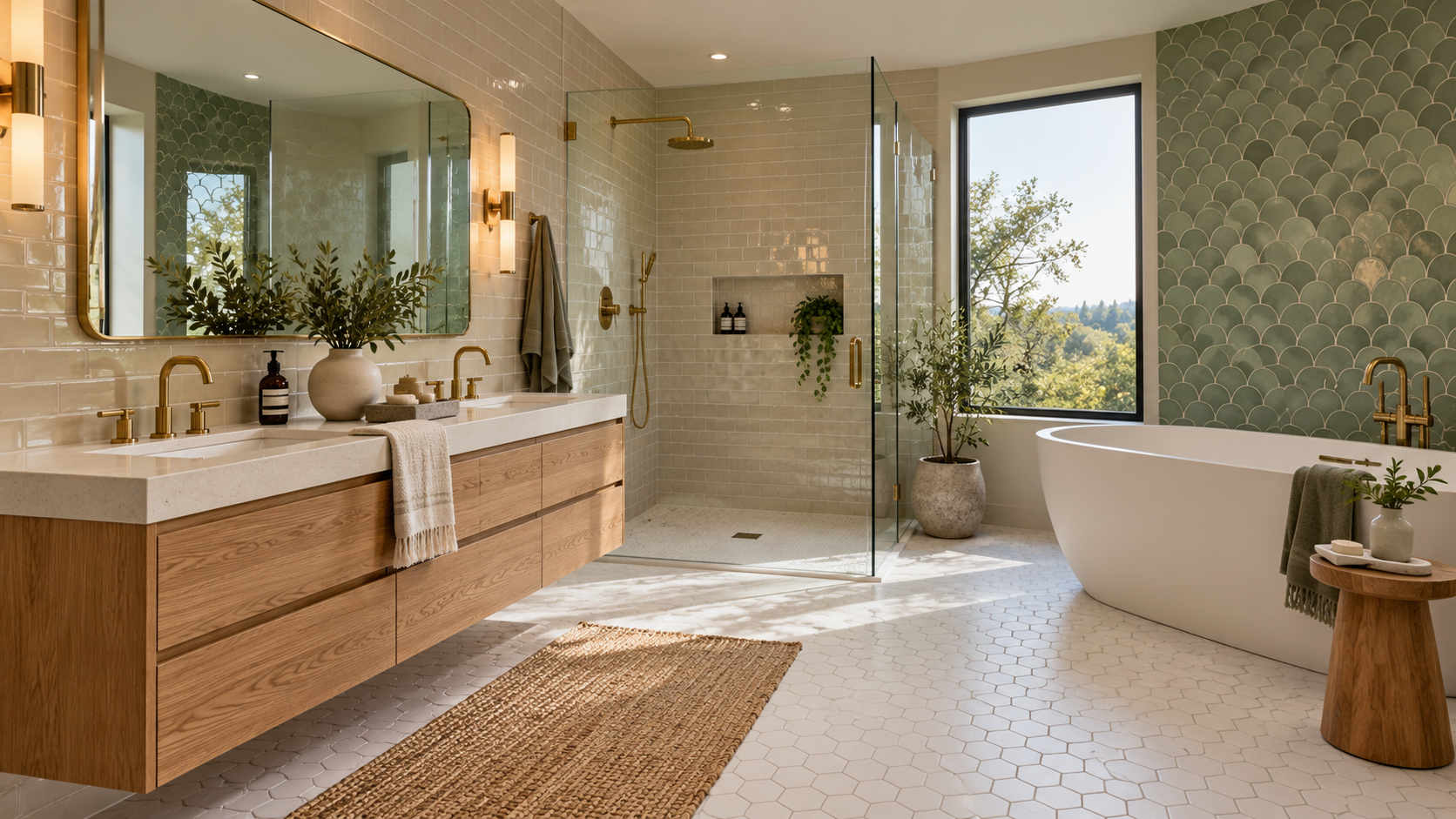
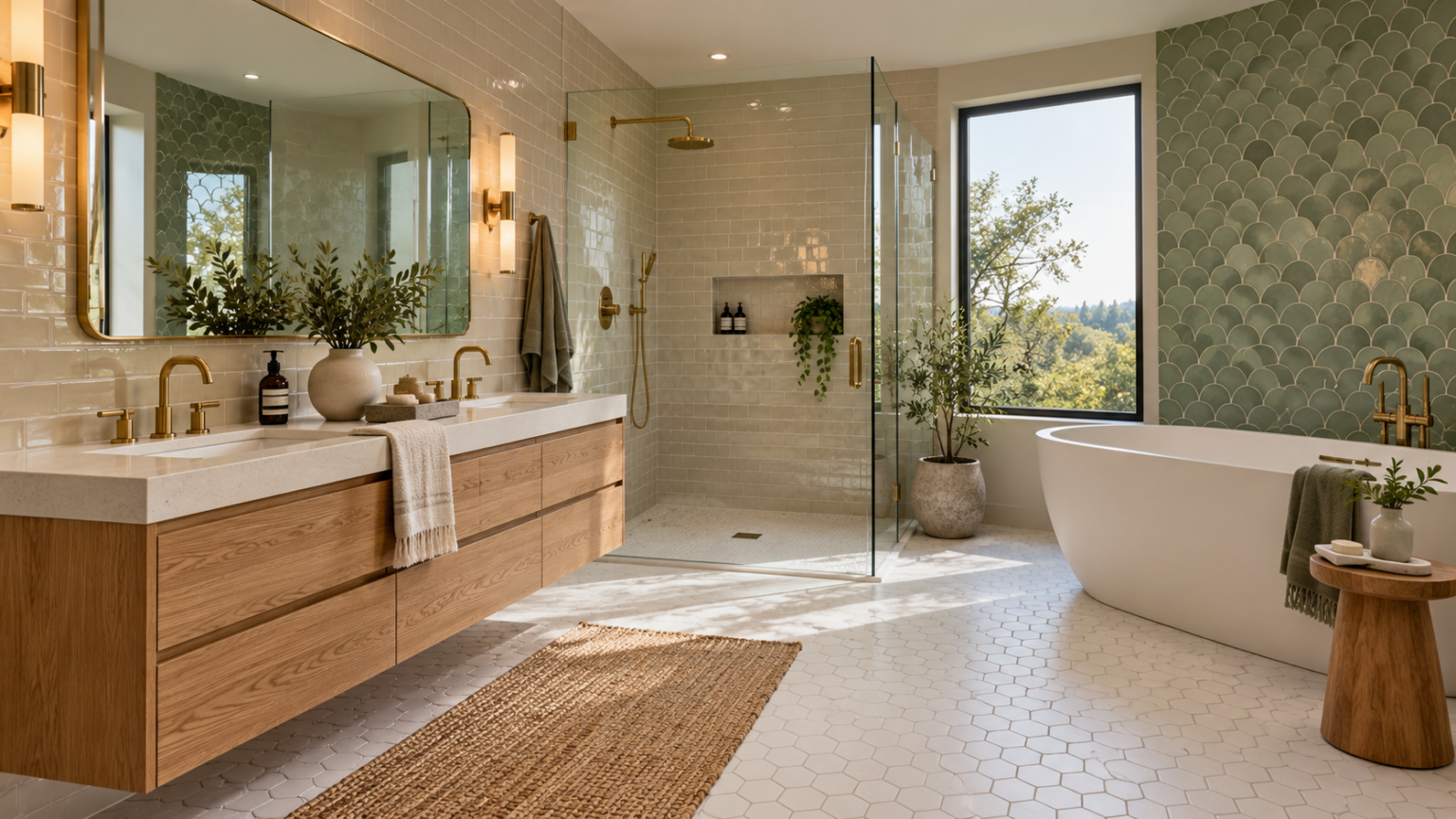
Choosing tiles is one of the most important decisions in a bathroom, kitchen, or flooring renovation. Tiles influence how a room looks, feels, and functions, and even small changes in their shape can dramatically affect the final design.
Today, homeowners can explore different tile shapes beyond traditional squares and rectangles. Hexagons, penny rounds, diamonds, scallops, and decorative geometric tiles offer opportunities to create distinctive interiors.
However, selecting tiles should involve more than appearance. Material quality, slip resistance, grout maintenance, installation complexity, and room dimensions all affect the finished result.
For American homeowners remodeling bathrooms or kitchens, understanding these factors can help prevent expensive design mistakes.
A thoughtful combination of shapes and finishes can make small bathrooms feel more spacious, create elegant kitchen backsplashes, or introduce subtle texture into otherwise simple rooms.
This guide explores popular tile designs, practical selection strategies, material comparisons, installation considerations, and creative ways to use tile patterns throughout your home.
Why Different Tile Shapes Matter in Interior Design
Tile shape affects the visual rhythm, proportion, and character of a room.
Large square tiles often create a clean, contemporary appearance. Smaller geometric mosaics introduce more pattern and texture, while rectangular tiles offer many layout possibilities.
The same tile color can produce noticeably different results depending on its proportions and arrangement.
Benefits of Choosing the Right Tile Shape
- Visual interest: Geometric shapes can create distinctive decorative features.
- Room proportions: Tile orientation can influence how wide or tall a space appears.
- Design flexibility: Different shapes suit modern, traditional, and vintage interiors.
- Surface suitability: Small tiles may be easier to arrange on certain sloped surfaces.
- Personal style: Decorative shapes allow greater creativity without relying on bold colors.
The ideal shape should suit both the room’s appearance and its practical requirements.
Common Mistakes and Challenges When Choosing Tiles
Selecting Appearance Over Practicality
A beautiful polished tile may work well on a decorative wall but be unsuitable for a wet shower floor.
Flooring products should be evaluated for their intended use, including slip resistance and maintenance.
Ignoring Room Dimensions
Large tiles can look elegant, but complex room layouts may require extensive cuts.
Very small mosaics introduce more grout joints, increasing the importance of proper installation and cleaning.
Combining Too Many Patterns
Using several bold tile shapes in one small room can make the design visually crowded.
A balanced combination of simple background tiles and one decorative feature often creates a more cohesive result.
Overlooking Installation Requirements
Unusual tile shapes may require additional cuts, careful alignment, and more installation time.
Discuss layout, substrate preparation, and material waste with your installer before purchasing.
10 Practical Ways to Choose Different Tile Shapes
The following design strategies can help you create attractive, functional spaces without sacrificing long-term practicality.
1. Match Tile Shape to Room Size
Start by measuring the room and identifying its main visual features.
A small bathroom can accommodate large tiles, but the layout should avoid awkward narrow cuts.
Similarly, small mosaics can work in large bathrooms when used as accents rather than across every surface.
2. Use Hexagon Tiles for Geometric Character

Six-sided tiles create a recognizable honeycomb pattern. Small hexagons can complement vintage bathroom designs, while larger versions suit modern floors and decorative feature walls.
Hexagons work particularly well with simple cabinetry and understated fixtures.
3. Explore Rectangular Subway Tiles
Rectangular subway tiles offer remarkable design flexibility.
They can be installed horizontally, vertically, in a stacked pattern, or in a staggered arrangement.
Traditional white subway tiles create a classic look, while longer, narrower formats can produce a contemporary effect.
4. Create Movement With Herringbone Layouts

Rectangular tiles arranged in alternating directions create an attractive zigzag effect. This pattern works well behind kitchen counters, on shower feature walls, and in selected entryways.
Herringbone is a layout rather than a unique tile shape, so standard rectangular tiles may be suitable.
5. Try Penny Round Tiles for Classic Style

Penny Round Mosaics
Small circular tiles create a soft, nostalgic appearance. They are popular in bathrooms and decorative niches, although their numerous grout joints require attentive maintenance.
For wet floors, verify the specific product’s suitability rather than assuming that additional grout automatically makes it safe.
6. Add Elegance With Arabesque Tiles
Arabesque tiles feature flowing, ornamental outlines often associated with traditional decorative architecture.
They can create striking kitchen backsplashes and bathroom feature walls.
Choose subdued colors when the tile silhouette already provides strong visual interest.
7. Consider Scalloped or Fish Scale Tiles

Fish Scale Tiles
Overlapping curved shapes introduce a flowing decorative pattern. These tiles are effective on bathroom walls, backsplashes, and smaller accent areas.
Because the outline is distinctive, neutral surrounding surfaces can help prevent the room from becoming overly busy.
8. Experiment With Diamond and Triangle Tiles
Diamond-shaped and triangular tiles introduce sharp angles and contemporary geometry.
They can be arranged in repeating color patterns or combined into larger visual shapes.
For beginners, a small backsplash or decorative wall section is often easier to plan than an entire floor.
9. Choose Suitable Tile Materials
Ceramic, porcelain, glass, and natural stone offer different durability and maintenance characteristics.
A tile’s shape does not determine whether it is appropriate for floors, showers, or outdoor use.
Read the manufacturer’s intended-use information before selecting a product.
10. Test the Layout Before Installation

Tile Layout Planning
Arrange samples in the actual room and examine them under natural and artificial lighting. A dry layout can reveal awkward cuts, unsuitable proportions, or overwhelming patterns before installation begins.
Remember to examine the grout color alongside the tile, since contrasting grout can substantially change its appearance.
Best Tile Shapes for Bathrooms, Kitchens, and Floors
The right shape depends on whether you want a subtle background, a decorative feature, or a surface that performs well in a demanding location.

1. Large Square Tiles — Best for Open Floors
Large square tiles create broad, uninterrupted surfaces with fewer visible grout joints. They suit contemporary kitchens, living areas, and bathrooms when the substrate and drainage layout accommodate them.

2. Rectangular Tiles — Best for Flexible Layouts
Rectangular formats support stacked, staggered, vertical, and herringbone patterns. Their versatility makes them useful for kitchen backsplashes, shower walls, and bathroom surrounds.

3. Small Hexagon Mosaics — Best for Detailed Floor Designs
Small hexagons can follow certain sloped shower-floor layouts more easily than large rigid tiles. Their actual suitability depends on the product’s wet-area classification and installation.

4. Arabesque Tiles — Best for Decorative Backsplashes
Their curved geometric silhouette creates an attractive focal point. Pair them with simple countertops and cabinetry to let the tile pattern stand out.
Comparing Different Tile Shapes and Materials
Shape and material should be considered together because they determine both appearance and maintenance requirements.
| Tile shape | Common application | Design effect |
|---|---|---|
| Square | Floors, shower walls | Balanced and clean |
| Rectangle | Backsplashes, walls | Classic or contemporary |
| Hexagon | Bathroom floors, feature walls | Geometric |
| Penny round | Mosaic floors, niches | Vintage and textured |
| Diamond | Accent walls, backsplashes | Decorative and angular |
| Arabesque | Backsplashes, feature walls | Ornamental |
| Scallop | Bathroom and kitchen walls | Soft and flowing |
| Triangle | Statement surfaces | Bold and modern |
Ceramic vs. Porcelain Tiles
Porcelain is a type of ceramic tile manufactured to meet more demanding water-absorption specifications.
It is often selected for durable flooring, while many conventional ceramic products work well on walls.
However, individual products differ. Always verify the tile’s classification and recommended use.
Natural Stone and Glass Tiles
Marble, slate, and travertine offer natural variations that manufactured tiles may imitate.
Some stones require sealing and specialized cleaning. Glass tiles can create beautiful decorative effects but need compatible installation materials and suitable applications.
How to Choose Safe Tiles for Bathroom Floors
Bathroom floor safety deserves particular attention because water and cleaning products can change surface traction.
The Tile Council of North America explains that ANSI A326.3 includes product-use classifications for interior dry, interior wet, more demanding wet conditions, exterior wet areas, and areas exposed to oils or grease.
Tile Council of North America
Ask suppliers whether a product is approved for the exact intended location.
No tile is completely slip-proof. Drainage, cleaning, footwear, surface texture, and water exposure also influence safety.
Does Tile Size Affect Shower Drainage?
Yes. Smaller tiles can sometimes follow the multiple slopes of a shower floor more easily, particularly around central drains.
Large-format shower floors may need carefully designed linear drainage or additional cuts.
The correct approach depends on the waterproofing system, drain location, tile dimensions, and applicable building requirements.
Design Inspiration From Martina Hayes
The Australian interior design studio Martina Hayes discusses tile material, size, edges, finishes, colors, and shapes in its bathroom tile selection guide.
The guide specifically highlights subway, hexagonal, and triangular tiles as alternatives to conventional square and rectangular designs.
It also explains how rectified tiles can create a precise contemporary appearance, while handmade uneven-edge tiles provide a more artisanal look.
For wet areas, the guide emphasizes choosing dimensions that work with the drainage arrangement. Its specific advice concerning Australian bathroom drain requirements should not be mistaken for U.S. building codes.
Martina Hayes
American homeowners can apply the general design principles while consulting local building requirements and qualified tile installers.
Step-by-Step Plan for Choosing and Installing Tiles
Step 1: Define the Room’s Requirements
Identify whether the surface is a wall, dry floor, shower floor, or exterior area.
Consider water exposure, foot traffic, cleaning needs, and desired appearance.
Step 2: Select Tile Shape and Finish
Choose a small collection of compatible samples.
Compare proportions, surface texture, color, grout requirements, and lighting conditions.
Step 3: Plan the Layout and Materials
Ask your installer to prepare an appropriate layout and estimate cutting waste.
Complex designs such as herringbone and irregular mosaics may require more labor and additional material.
Step 4: Confirm Installation Details
Discuss waterproofing, substrate preparation, movement joints, grout selection, drainage, and cleaning instructions.
Have the installer explain any limitations before work begins.
Common Tile Design Mistakes to Avoid
Choosing tiles solely from online photographs can lead to disappointment because actual colors and textures vary.
Another common mistake is combining too many competing patterns.
Homeowners may also select polished wall tiles for floors without confirming appropriate floor-use classification.
Poor grout selection, insufficient cutting allowances, and inadequate waterproofing can create additional problems.
Ordering extra tile from the same production lot is useful because replacement tiles may differ slightly in color or dimensions.
Finally, avoid assuming that a larger tile always makes a small bathroom look bigger. The overall layout, lighting, grout contrast, and room proportions matter more than size alone.
Frequently Asked Questions About Different Tile Shapes
What are the most popular different tile shapes for bathrooms?
Square, rectangular, subway, hexagon, penny round, scalloped, and diamond tiles are commonly used in bathrooms. The best option depends on room size, style, and surface requirements.
Which tile shape makes a small bathroom look bigger?
Large square or rectangular tiles with subtle grout lines may create a more continuous appearance. However, lighting, color, and layout also influence perceived space.
Are hexagon tiles good for shower floors?
Some small hexagonal mosaic products are suitable for shower floors. Check the manufacturer’s wet-area classification and ensure the installation provides proper drainage.
What is the difference between herringbone and chevron tiles?
Herringbone typically uses rectangular tiles arranged at alternating angles. Chevron patterns usually use tiles with angled ends that meet to create continuous V-shaped lines.
Are penny round tiles difficult to clean?
Penny round tiles contain numerous grout joints, which may require additional cleaning. Suitable grout, installation quality, and routine maintenance can make upkeep more manageable.
Are large tiles better than small tiles?
Neither is universally better. Large tiles can create a smooth visual appearance, while small mosaics offer detailed patterns and can accommodate some complex surface slopes.
Can I combine different tile shapes in one bathroom?
Yes. For example, rectangular wall tiles can complement a small hexagon floor. Use coordinating colors and finishes to maintain a balanced design.
What is the best grout color for geometric tiles?
Matching grout creates a subtle appearance, while contrasting grout emphasizes the shape. Consider stain visibility, cleaning needs, and the manufacturer’s recommended grout specifications.
Conclusion
Exploring different tile shapes allows homeowners to create bathrooms, kitchens, and living spaces that reflect their personal style while meeting practical needs.
Square and rectangular tiles provide timeless flexibility, while hexagons, penny rounds, diamonds, arabesques, and scalloped designs introduce decorative character.
However, the right tile is not determined by shape alone.
Material durability, surface texture, slip resistance, grout maintenance, drainage, and installation quality all deserve attention.
Before renovating, compare physical samples, examine the proposed layout, and confirm that selected products are approved for their intended location.
Use bold geometric patterns selectively and balance them with simpler surrounding finishes.
With careful planning and appropriate professional installation, tile shapes can transform ordinary surfaces into attractive, long-lasting design features without sacrificing functionality.

Written by Twastia Editorial Team
Twastia Editorial Team shares practical insights about website design, SEO services, Google Ads, content marketing, social media, conversion rate optimization, and digital marketing strategy.
Last updated: Oct 26, 2026
Related posts from Twastia
Explore more useful articles from twastia.com about digital marketing, SEO, websites, ads, content, and growth strategy.