football shoes: Best Guide to Choosing Football Boots for Every Playing Surface
The right footwear can make a football session more comfortable, whether you play weekend five-a-side games, train with a club, […]
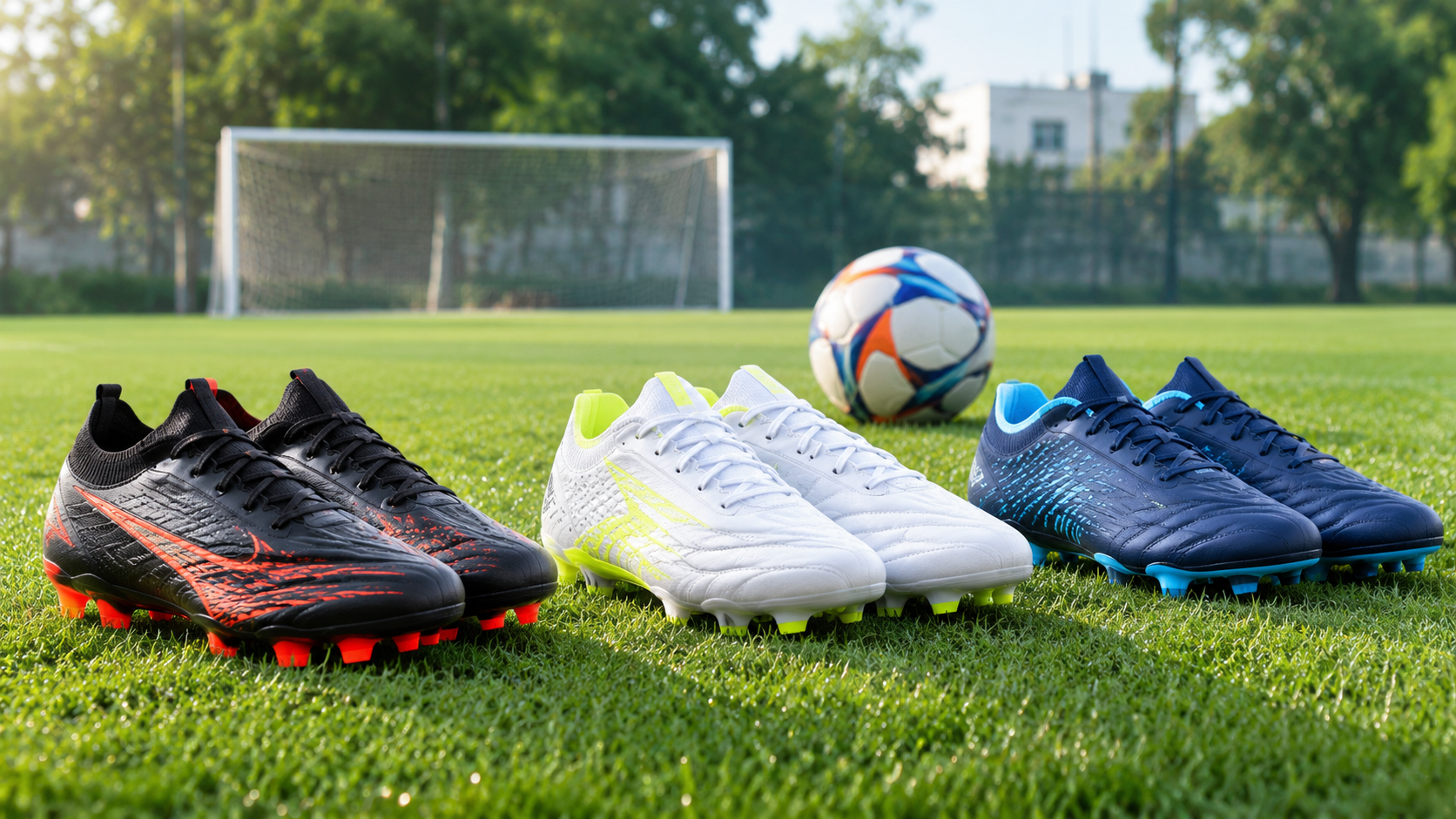
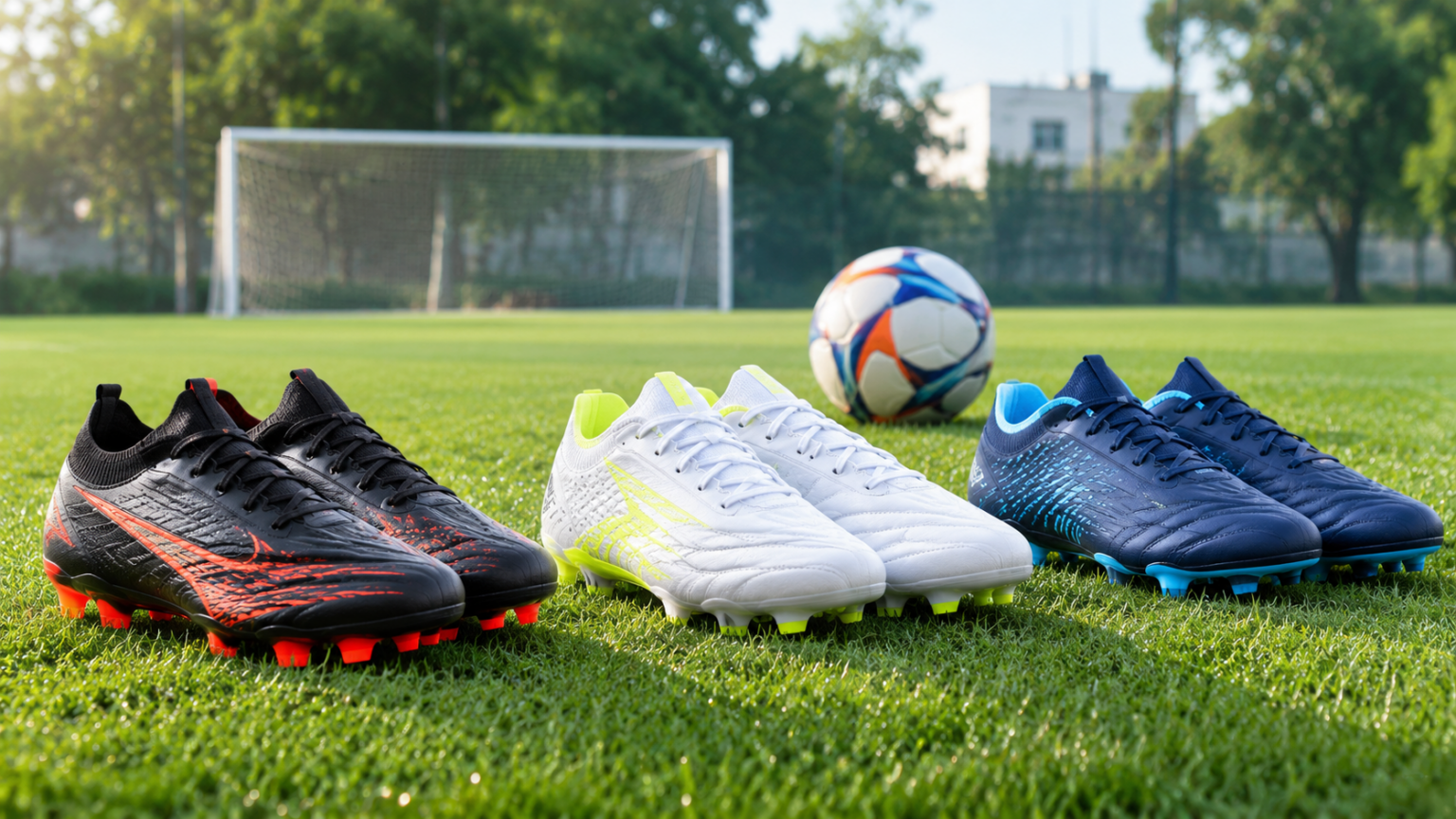
The right footwear can make a football session more comfortable, whether you play weekend five-a-side games, train with a club, or practice after school. Choosing football shoes is not simply about selecting a striking colour or the lightest-looking design. The surface beneath your feet, the shape of your foot, and the way the sole grips the ground all matter. A pair that works on natural grass may feel unsuitable on a short artificial-turf pitch.
For Indian players, venue conditions can vary considerably. One week may involve a maintained grass field, while the next match takes place on compact artificial turf or a smooth indoor court. This guide explains the main outsole categories, fit checks, materials, shopping considerations, and maintenance habits so you can choose equipment for where you actually play.
Start With the Surface, Not the Style
When comparing football shoes, identify your usual pitch before evaluating brands or prices. Manufacturers design different sole patterns to interact with different surfaces. A long stud that penetrates soil behaves differently from a small rubber lug intended to grip a shallow synthetic carpet. The wrong configuration may feel awkward, slip, or create too much resistance when changing direction. adidas
Firm Ground for Natural Grass
Firm-ground boots, often marked FG, typically use molded studs designed for reasonably firm natural-grass pitches. They can be appropriate when the ground offers enough give for the studs to engage. They are not universally suitable for concrete, indoor floors, very hard ground, or every type of artificial grass. Check the specific product guidance and examine the surface before play.
A player shopping for football shoes should also consider seasonal conditions. Wet, muddy fields behave differently from dry, firm grass. If the ground is unusually soft, a manufacturer may recommend a soft-ground option, but removable metal studs are subject to venue rules and are unsuitable for many artificial surfaces.
Artificial Grass and Multi-Ground Options
Artificial-grass boots, frequently identified as AG, generally have shorter, more numerous studs than conventional firm-ground designs. Multi-ground models, often labeled MG, may be intended for selected natural and synthetic outdoor pitches. These labels are helpful starting points, but the manufacturer’s specific surface guidance matters more than a broad category name.
Not all synthetic fields are identical. A long-pile 3G pitch differs from an older sand-filled carpet. The Football Association advises players to check the facility’s footwear requirements because permitted stud patterns differ across surfaces. Before buying football shoes for a booked ground, contact the venue if you are unsure what is allowed. www.thefa.com
Turf Shoes for Shorter Synthetic Surfaces
Turf footwear commonly has many small rubber lugs across the outsole. On suitable short-pile synthetic fields, this design can provide grip without the long studs used on natural grass. Turf models can also offer cushioning suited to comparatively hard playing surfaces. They should not automatically be used on a long-pile artificial pitch: some venues require molded studs instead.
Indoor Footwear for Smooth Courts
Indoor football shoes usually have flatter, non-marking rubber soles developed for smooth indoor playing areas. They are not substitutes for outdoor studded boots. Conversely, wearing grass cleats on a polished indoor court can compromise grip and violate venue rules. Indoor shoes should also meet any non-marking requirements specified by the facility. adidas US
Getting the Fit Right
Even the most carefully designed football shoes are a poor choice when they pinch, slide, or place pressure on your toes. Football footwear should feel secure around the midfoot and heel, with enough space to move your toes comfortably. Fit differs among manufacturers and individual models, so a familiar numerical size is only a starting point.
Measure and Try Them Properly
Try boots while wearing the socks you intend to use for training. Stand up, walk, jog lightly if permitted, and make controlled changes of direction. Your heel should not lift excessively, and your toes should not be compressed against the front. If one foot is slightly larger, fit for the larger foot rather than accepting painful pressure.
When ordering football shoes online, consult the seller’s sizing chart and measure your feet according to its instructions. Confirm whether the listed size is UK, EU, or another system. Check the exchange policy before removing labels or using the pair outdoors, because worn footwear may not qualify for ordinary returns.
Width, Lacing, and Heel Security
A secure fit should not depend on overtightening the laces. Examine the forefoot width and the way the upper wraps around the sides of your foot. A narrow model may squeeze a wider foot even when its length seems correct. Secure lacing can help reduce unwanted movement, but it cannot correct a fundamentally unsuitable shape.
What About Breaking In?
A brief adjustment period is possible, particularly when materials feel firm at first. Nevertheless, football shoes should be reasonably comfortable from the beginning. Do not buy a painfully tight pair expecting dramatic stretching. Begin with short practice sessions, monitor rubbing, and stop if the shoes cause persistent pain or numbness.
Materials, Construction, and Ball Feel
Modern footwear uses a variety of synthetic uppers, textiles, foam components, and molded outsoles. The balance between flexibility, durability, weight, and cushioning changes by model. A technical-sounding material name alone cannot tell you whether a shoe will suit your foot or the pitch.
Synthetic Uppers and Everyday Durability
Synthetic uppers can be relatively easy to wipe clean and may deliver a consistent fit, although their breathability and flexibility vary. Inspect stitching, joins between upper and sole, heel lining, and the quality of the lacing system. For football shoes used several times a week, durable construction and a comfortable fit may be more valuable than visual novelty.
Cushioning Without Losing Stability
Some footwear includes foam sockliners or cushioning layers to improve underfoot comfort. Too much softness is not automatically better: the shoe should still feel secure during stopping and turning. Consider where cushioning sits and whether the outsole remains stable on your usual surface. Personal comfort during movement is a more reliable indicator than an untested marketing promise.
Weight and Playing Position
Lightweight models can feel responsive, but choosing football shoes solely by weight ignores fit and durability. Defenders, midfielders, forwards, and goalkeepers all need secure footing, though their movement preferences may differ. There is no universal rule that one outsole or upper makes every player in a particular position perform better.
Shopping for Boots Online in India
Indian shoppers can browse football shoes through sports retailers and dedicated footwear collections. The supplied Cultsport link directs shoppers toward men’s footwear, while identifiable Avant product pages on the site describe football-specific models. Because the collection URL redirects and its live filtered inventory could not be verified, individual product pages provide a more dependable basis for discussing specifications.
For example, Cultsport describes the Avant TurboKick and Phantom models with synthetic uppers, studded TPU outsoles, and cushioned sockliners. Its TurfMaster Pro listing specifies a studded rubber outsole intended for artificial turf and hard-ground surfaces. These are seller descriptions, not independent performance-test findings, and product suitability still depends on your pitch and fit. Cultsport+2
Compare Features Before Discounts
A good comparison starts with outsole type, size availability, upper construction, cushioning, and intended playing surface. Check whether the product page clearly identifies the conditions it was designed for. Do not assume that the most discounted football shoes are the most appropriate ones. Retail prices, promotions, available sizes, and delivery conditions change, so verify them at checkout.
Understand Returns and Delivery
Look for the delivery estimate for your postcode and the exact return or exchange rules. Some product pages display return windows, but terms may differ by item and change over time. Save your invoice and inspect the pair indoors as soon as it arrives. If the studs, shape, or size do not match the description, contact the seller before using the footwear.
Care That Helps Your Boots Last
Caring for football shoes begins immediately after play. Remove loose soil or turf debris with a soft brush and wipe the uppers with a slightly damp cloth when appropriate for the material. Follow the maker’s cleaning directions. Avoid aggressive chemicals or unnecessary soaking that could affect adhesives or surface finishes.
Dry and Store With Care
Allow wet shoes to dry naturally in a ventilated location away from direct heaters or intense heat. Remove insoles if the manufacturer permits it, and loosen laces to improve airflow. Packing damp footwear inside a closed sports bag can encourage unpleasant odours. Examine the outsole periodically for worn studs, cracking, or separation.
Keep Surface-Specific Pairs Separate
If you play regularly on two substantially different surfaces, keeping separate football shoes may be worthwhile. This avoids relying on an inappropriate sole and may reduce unnecessary wear from walking on abrasive pavement. Carry your boots to the venue rather than wearing studded models for long stretches on the road.
Common Buying Errors to Avoid
The most common mistake is choosing a pair without knowing the surface. Another is ordering a smaller size for a supposedly tighter, more professional fit. Uncomfortable pressure can interfere with training, while an overly loose heel can feel unstable. Use real movement and the seller’s specifications to guide your choice rather than copying another player’s size.
Players also sometimes assume expensive football shoes must be better for every situation. Premium features have little value when the outsole is unsuitable for the pitch. Before buying, make sure the combination of surface compatibility, fit, comfort, and practical price makes sense for your own routine.
Frequently Asked Questions
Which Sole Is Best for Artificial Turf?
It depends on the exact turf construction. Short synthetic carpet may call for small rubber-lug turf shoes, while some longer-pile 3G pitches permit or require particular molded-stud designs. Ask the facility and check the manufacturer’s approved surfaces before purchasing football shoes.
Can I Wear Grass Boots on Concrete?
Conventional grass studs are not designed for concrete. They may offer poor stability and wear quickly on such an abrasive surface. Select footwear intended for the actual hard playing area, or ask the venue what is appropriate.
Should My Boots Feel Tight?
They should feel snug and secure, not painful. Good football shoes allow comfortable toe movement without excessive heel slipping. Persistent pinching, numbness, or rubbing is a sign to reassess the size or model rather than simply tightening the laces.
Are Lightweight Models Always Better?
No. Lower weight is only one attribute. Fit, traction, support, and durability also influence how a pair feels during training. The lightest design may not be the most comfortable or suitable for your usual pitch.
How Do I Choose a Size Online?
Measure both feet, check the brand’s published chart, and verify the sizing system. Read the exchange conditions and try new football shoes indoors with playing socks before using them outdoors.
How Often Should I Replace a Pair?
There is no fixed replacement schedule for everyone. Inspect football shoes for worn tread, damaged uppers, loose soles, or persistent fit problems. Frequency of play, pitch abrasiveness, and care all affect how quickly footwear deteriorates.
Conclusion
The best football shoes are the ones that fit your feet and match the surface where you spend most of your playing time. Understand the differences between grass studs, artificial-grass designs, turf lugs, and indoor soles before comparing appearance or price. Check the sizing chart, read product descriptions critically, and follow the venue’s footwear rules. With a little preparation and regular care, you can make a more confident purchase without relying on exaggerated performance claims.

Written by Twastia Editorial Team
Twastia Editorial Team shares practical insights about website design, SEO services, Google Ads, content marketing, social media, conversion rate optimization, and digital marketing strategy.
Last updated: Nov 12, 2026
Related posts from Twastia
Explore more useful articles from twastia.com about digital marketing, SEO, websites, ads, content, and growth strategy.