How Can I Decorate My Home On A Budget?: Best Ideas
Creating a beautiful home does not have to mean purchasing expensive furniture, hiring an interior designer, or undertaking a complete […]
Creating a beautiful home does not have to mean purchasing expensive furniture, hiring an interior designer, or undertaking a complete renovation. With a little creativity and careful planning, even a modest decorating budget can make your living space feel more comfortable, organized, and stylish.
Whether you have recently moved into a new apartment, want to refresh an outdated room, or simply feel ready for a change, affordable decorating offers countless opportunities to transform the appearance of your home.
The question How Can I Decorate My Home On A Budget? is especially relevant for homeowners and renters who want attractive interiors without sacrificing their financial priorities.
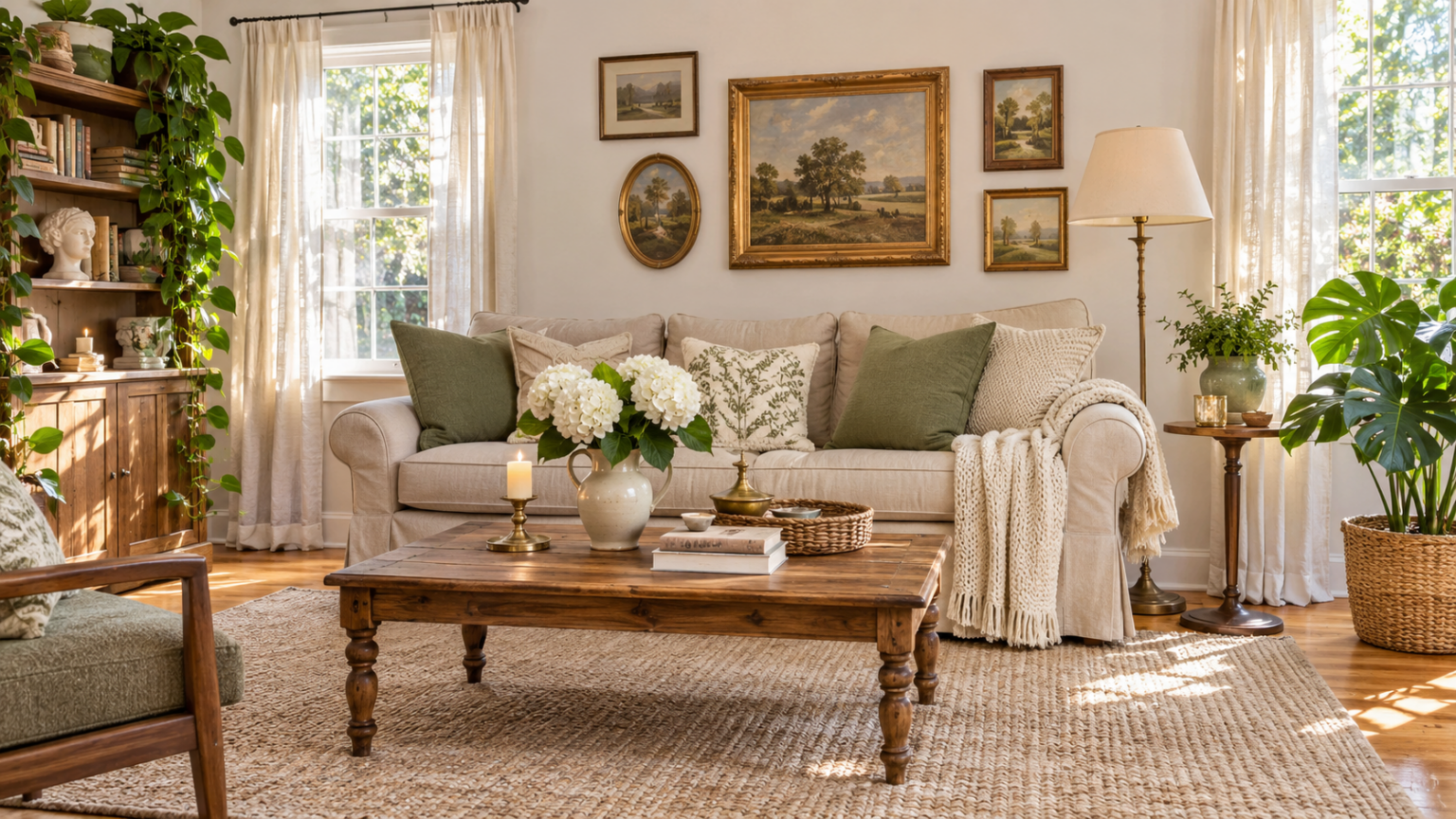
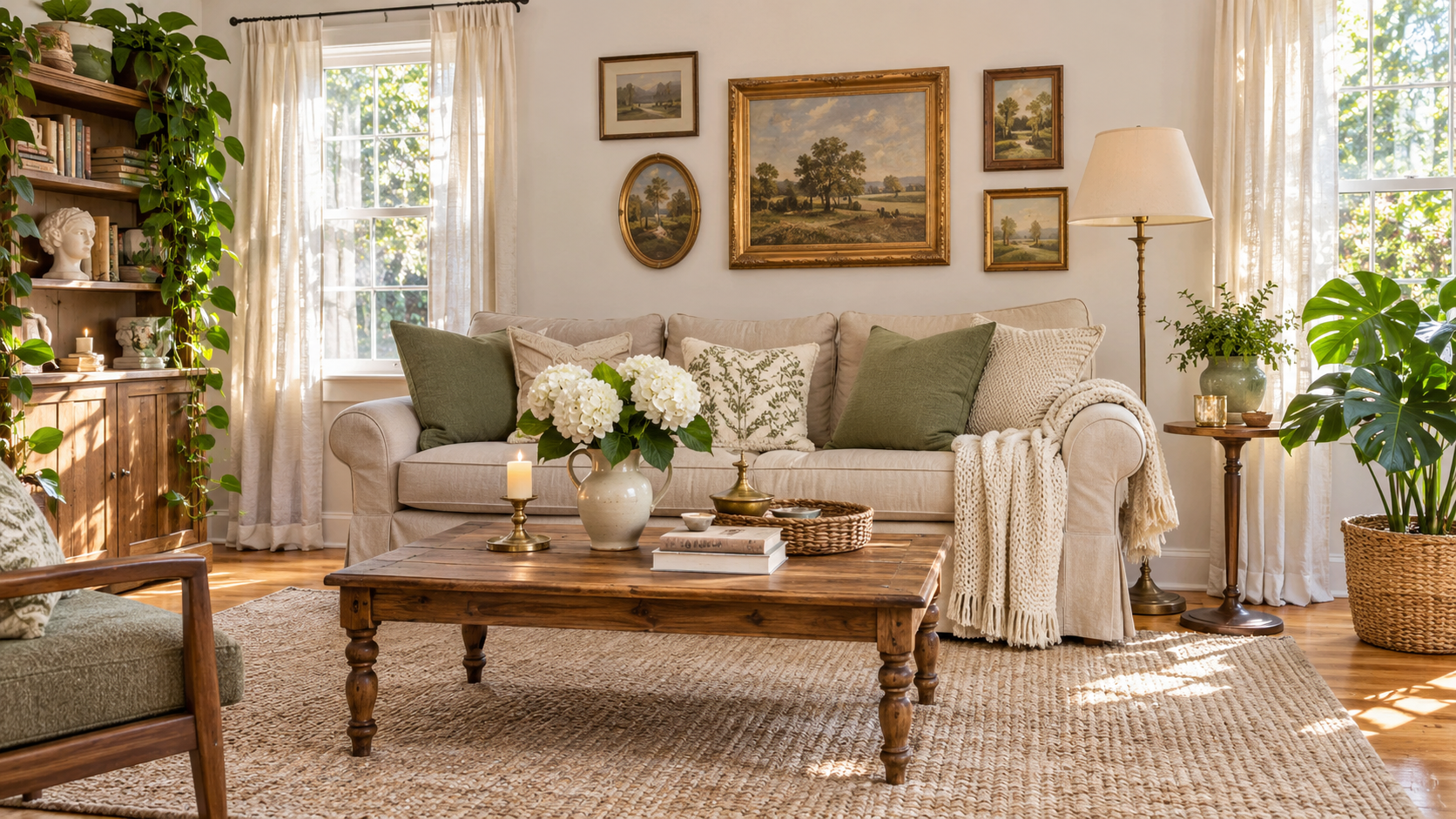
A successful makeover often begins with the things you already own. Rearranging furniture, changing cushion covers, repurposing accessories, and improving lighting can create a surprisingly fresh appearance without major spending.
You can then introduce carefully chosen secondhand furniture, inexpensive artwork, greenery, and decorative textiles to complete the room.
Recent budget decorating guidance from Public Storage similarly emphasizes prioritizing everyday comfort, shopping secondhand, using paint and textiles, and allowing a room to develop gradually instead of purchasing everything immediately. Public Storage
Understanding How Can I Decorate My Home On A Budget? also means knowing where to spend money, where to save, and which projects are worth completing yourself.
This guide explores practical ways to decorate every major room in your home while keeping costs under control.
1. Create a Decorating Budget and Prioritize Your Needs
The foundation of any affordable home makeover is a realistic spending plan.
Without a budget, it is easy to purchase inexpensive decorations individually and discover that their combined cost is much higher than expected.
A few cushions, lamps, baskets, picture frames, and decorative accessories can quickly consume money that might have been better spent on essential furniture or repairs.
The first step in How Can I Decorate My Home On A Budget? is to decide what you want to improve and how much you can comfortably afford.
Evaluate Your Existing Space
Walk through each room and identify what is working well.
Perhaps your sofa is comfortable but the living room lacks character. Maybe your bedroom furniture is functional, but the walls and lighting feel uninspiring.
Separating practical problems from cosmetic preferences will help you avoid unnecessary purchases.
Make a Priority List
Focus first on improvements that affect comfort and daily activities.
For example, better lighting may be more useful than expensive decorative artwork. A supportive desk chair may be a better investment than several ornamental accessories.
Prioritize purchases according to how frequently you will use them.
Divide Your Budget Into Categories
Consider allocating funds to lighting, textiles, furniture updates, wall decoration, and storage.
Keep a small reserve for unexpected expenses such as additional supplies, delivery charges, or replacement hardware.
Example $500 Decorating Budget
| Decorating category | Illustrative budget |
|---|---|
| Cushion covers and throw blankets | $65 |
| Secondhand side table | $60 |
| Lamps and lighting accessories | $85 |
| DIY wall art and picture frames | $45 |
| Paint and project supplies | $90 |
| Storage baskets and organizers | $55 |
| Plants and decorative accessories | $40 |
| Contingency reserve | $60 |
| Total | $500 |
These figures are hypothetical budget allocations, not verified retail prices. Your actual costs will depend on location, product choices, and items already available.
The budgeting lesson behind How Can I Decorate My Home On A Budget? is simple: intentional purchases usually create better results than buying inexpensive items without an overall plan.
2. Rearrange Furniture Before Buying Anything New
One of the most overlooked home decorating techniques costs absolutely nothing.
Changing the arrangement of existing furniture can improve how a room looks and functions.
The layout affects movement, conversation, natural light, and how spacious the room feels.
A particularly effective answer to How Can I Decorate My Home On A Budget? is to experiment with furniture placement before purchasing replacements.
Identify the Room’s Main Purpose
Start by thinking about how you use the room most frequently.
A living room might primarily serve as a family gathering area, television space, reading corner, or multipurpose workspace.
Arrange seating and tables around the main activity.
Create Clear Walking Paths
Avoid placing furniture where it blocks doors, windows, or frequently used routes.
A room can look more spacious when movement between furniture is comfortable.
You may discover that removing one unnecessary chair or table improves the overall appearance.
Make Better Use of Natural Light
Place suitable seating or work surfaces where daylight is useful without creating uncomfortable glare.
Avoid positioning tall furniture in ways that unnecessarily block windows.
Establish a Focal Point
A focal point gives the room visual direction.
It could be a fireplace, a large window, an artwork display, or an attractive sofa.
Arrange surrounding furniture so the room feels balanced.
Experiment Before Committing
Move smaller pieces first, or sketch possible layouts using room measurements.
Take photographs to compare different arrangements.
The furniture-layout strategy in How Can I Decorate My Home On A Budget? proves that a thoughtful arrangement can be more valuable than additional furniture.
3. Explore Thrift Stores and Secondhand Furniture
Secondhand shopping offers an opportunity to find useful furniture and decorative accessories at potentially lower prices than comparable new products.
Thrift stores, charity shops, estate sales, local resale platforms, and neighborhood exchanges can be useful starting points.
Some older furniture pieces also offer interesting designs and construction details that are difficult to find in inexpensive mass-produced products.
The secondhand approach to How Can I Decorate My Home On A Budget? combines affordability with creative reuse.
Look for Quality Construction
When evaluating a table, chair, dresser, or shelf, check its stability and overall condition.
Look for loose joints, significant water damage, broken supports, and other defects that might make restoration expensive or impractical.
Choose Items That Suit Your Space
A large vintage cabinet may look attractive in a store but overwhelm a small apartment.
Measure the available space and access routes before purchasing.
Inspect Upholstered Furniture Carefully
Secondhand sofas and upholstered chairs can present hygiene, odor, and pest concerns.
Examine them thoroughly and consider whether cleaning or refurbishment would cost more than purchasing a different item.
Check Product Safety
Older furniture may have missing or outdated safety features.
Tall storage units and certain dressers need appropriate anchoring, especially in homes with children.
The U.S. Consumer Product Safety Commission recommends securely anchoring furniture and televisions to prevent tip-over injuries. U.S. Consumer Product Safety Commission
Calculate the True Cost
Include transport, cleaning, repairs, replacement hardware, and refinishing materials before deciding whether a used item is a bargain.
The smart-shopping principle within How Can I Decorate My Home On A Budget? is to prioritize quality and usefulness rather than purchasing something simply because the price is low.
4. Refresh Your Walls With Paint and Affordable Artwork
Walls occupy a large part of every room, making them an effective area to update when working with a limited decorating budget.
A fresh color, carefully arranged artwork, or simple decorative feature can make a space feel noticeably different.
Wall decoration is one of the most versatile techniques in How Can I Decorate My Home On A Budget?
Choose a Coordinated Paint Color
Paint can change the overall appearance of a room without replacing furniture.
Warm white, soft beige, sage green, muted blue, and light gray are versatile options that work with many interior styles.
Before buying several gallons, test small color samples under different lighting conditions.
The same shade may look warmer in afternoon sunlight and cooler under artificial lighting.
Create a Simple Accent Wall
An accent wall can establish a focal point behind a bed, sofa, or dining table.
A single wall may require less paint and preparation than repainting the entire room.
However, choose a color that coordinates with existing flooring, furniture, and adjoining walls.
Make Your Own Wall Art
Beautiful artwork does not always require a gallery-level budget.
Consider framing personal photographs, original drawings, botanical prints, or meaningful travel memories.
A coordinated set of inexpensive frames can create a sophisticated gallery wall.
Explore Removable Decorations
For renters, suitable removable wall decals or temporary wallpaper may offer options that do not require permanent alterations.
However, adhesive products can still damage paint or wall finishes.
Test them in an inconspicuous location and confirm that your lease permits their use.
Remember Painting Safety
Homes built before 1978 in the United States may contain lead-based paint. Sanding, scraping, or other renovation activities can disturb hazardous lead dust.
The U.S. Environmental Protection Agency recommends using certified lead-safe professionals for renovation work involving potentially lead-painted surfaces in older homes. US EPA
The wall-decorating approach to How Can I Decorate My Home On A Budget? is most successful when attractive design decisions are paired with suitable surface preparation and safe working practices.
5. Update Your Living Room With Textiles and Lighting
The living room is often the most visible part of a home.
It is where family members gather, guests relax, and everyday activities take place.
Fortunately, you do not need to replace your sofa, television stand, or entire furniture collection to create a fresh appearance.
A major part of How Can I Decorate My Home On A Budget? is using textiles and lighting to transform the atmosphere of an existing room.
Replace Cushion Covers Instead of Cushions
If your cushions remain comfortable and in good condition, changing only the covers can be an economical option.
Choose colors and textures that complement your furniture.
For example, a cream sofa can work beautifully with olive-green, terracotta, or muted blue accents.
Add a Throw Blanket
A throw blanket can soften the appearance of a sofa while adding a useful layer of comfort.
Cotton, woven, and knit textures work with different decorating styles.
Choose materials that suit your cleaning preferences and household needs.
Use an Area Rug
A rug can help visually define a seating arrangement.
In a small living room, choose a size that coordinates with the furniture rather than placing an excessively small rug in the middle of the floor.
Consider durability and cleaning requirements, especially in homes with children or pets.
Introduce Layered Lighting
Instead of relying on a single overhead fixture, combine appropriate task, accent, and general lighting.
A floor lamp near a reading chair and a small table lamp near the sofa can create a warmer evening atmosphere.
Choose safe, appropriately rated products and avoid overloading electrical outlets.
Refresh Window Treatments
Curtains can soften a room, add texture, and improve privacy.
Lightweight curtains may enhance natural daylight, while more substantial coverings can help reduce glare.
Measure windows accurately before purchasing.
The living room strategy behind How Can I Decorate My Home On A Budget? is to change the elements people notice and use most, rather than replacing functional furniture unnecessarily.
6. Give Your Bedroom an Affordable Makeover
A bedroom should feel comfortable, calm, and personal.
However, decorating it does not require an expensive bed frame, designer furniture, or luxury bedding.
Small changes can create a more inviting atmosphere while retaining the furniture you already own.
The bedroom-focused side of How Can I Decorate My Home On A Budget? emphasizes comfort and visual coordination.
Refresh Your Bedding
Changing your duvet cover, pillowcases, or throw blanket can make the bed look entirely different.
A coordinated color palette can give the room a more polished appearance.
Consider comfortable, washable materials rather than choosing bedding based only on appearance.
Create a DIY Headboard
A simple headboard can become an attractive feature without replacing the entire bed.
Depending on your experience, options may include a painted wall design, a properly secured wooden panel, or a suitable upholstered headboard.
Avoid unstable constructions and ensure any wall-mounted components are installed correctly.
Update Bedside Tables
Older bedside tables may be refreshed with compatible paint or replacement handles.
Alternatively, a small secondhand table can provide enough space for a lamp and everyday essentials.
Improve Bedroom Lighting
Warm bedside lighting can create a relaxing evening atmosphere.
Use appropriately rated bulbs and fixtures, and keep combustible materials away from heat-producing light sources.
Reduce Visual Clutter
A tidy bedroom often feels more comfortable even before new decorations are introduced.
Organize clothing, remove unnecessary objects, and use existing drawers more effectively.
The bedroom makeover approach within How Can I Decorate My Home On A Budget? shows how comfort, cleanliness, and coordinated textiles can be more important than expensive decorative furniture.
7. Decorate Your Kitchen and Dining Area for Less
Kitchens and dining areas are frequently used spaces that benefit from functional organization and attractive finishes.
However, replacing cabinets, countertops, or appliances can become expensive.
For homeowners seeking a cosmetic update, smaller changes may provide a noticeable improvement without major renovation work.
An effective approach to How Can I Decorate My Home On A Budget? is using affordable accessories and safe cosmetic improvements to refresh existing kitchen features.
Change Cabinet Hardware
Replacing outdated handles or knobs can give cabinet doors a more contemporary look.
Measure existing screw-hole spacing before purchasing new hardware.
Choosing compatible replacements can reduce drilling and additional repair work.
Display Attractive Everyday Items
Useful objects can also serve as decoration.
A wooden cutting board, simple ceramic bowl, or organized collection of cooking utensils can add character to the kitchen.
Avoid overcrowding food preparation surfaces.
Add Affordable Dining Table Decor
A washable table runner, small centerpiece, or set of matching placemats can improve the appearance of a dining area.
Simple arrangements often look more coordinated than several unrelated decorative objects.
Organize Open Shelving
If your kitchen already has open shelves, arrange frequently used dishes and containers neatly.
Group similar items and leave enough space between objects for easy access.
Make sure shelves can safely support the weight of their contents.
Consider Painting Suitable Cabinets
Painting structurally sound cabinets can change the appearance of a kitchen at a lower cost than complete replacement.
However, cabinet materials and existing finishes require appropriate preparation.
In older homes, investigate possible lead-paint hazards before disturbing painted surfaces.
Avoid Unsafe Temporary Finishes
Decorative adhesive materials should not be placed near high heat, open flames, or wet surfaces unless the product manufacturer specifically approves those applications.
The kitchen decorating lesson from How Can I Decorate My Home On A Budget? is to improve visual consistency while preserving the safe functionality of the space.
8. Use Plants, Mirrors, and Natural Materials to Add Character
Some of the most appealing interior spaces use natural textures, greenery, and reflected light to create an inviting atmosphere.
These features can be introduced gradually without a complete home makeover.
The decorative details within How Can I Decorate My Home On A Budget? can make existing furniture feel more thoughtfully arranged.
Introduce Houseplants
Plants can add color and organic shapes to a room.
Low-maintenance varieties may be suitable for beginners, provided the available light and care requirements are appropriate.
If you have pets or young children, research plant toxicity and keep potentially harmful varieties out of reach.
Decorate With Mirrors
A well-positioned mirror reflects light and can make a space feel visually more open.
Consider placing a mirror where it reflects a window, artwork, or another attractive feature.
Secure wall-mounted mirrors using suitable fixings and follow the manufacturer’s instructions.
Choose Woven Accessories
Woven baskets, natural-fiber rugs, wooden trays, and similar accessories can introduce texture.
These items often work with modern, farmhouse, bohemian, and Scandinavian interiors.
Combine Different Textures
A room with only smooth surfaces can appear visually flat.
Mixing soft textiles with wood, ceramics, and woven materials adds depth without requiring a large number of accessories.
Avoid Overdecorating
Each decorative object should contribute to the room’s appearance or function.
Too many small items can make even a spacious room appear cluttered.
The natural-decor strategy in How Can I Decorate My Home On A Budget? is to use a few meaningful accessories rather than filling every surface.
9. Make Small Spaces Look Stylish With Multifunctional Furniture
Decorating a small home requires thoughtful planning.
Large furniture can restrict movement, while too many decorative objects may make the space feel crowded.
The goal is to create an attractive home that remains comfortable and functional.
For smaller properties, How Can I Decorate My Home On A Budget? involves selecting pieces that serve more than one purpose.
Choose Furniture With Storage
A storage ottoman can provide seating and a place to keep blankets or other household items.
Some coffee tables include shelves or drawers, while certain bed frames offer under-bed storage.
These features can help reduce the need for additional storage furniture.
Use Compact Tables
Nesting tables can provide additional surfaces when needed without occupying the same amount of space as several permanent side tables.
A folding dining table may also suit an apartment where dining space is limited.
Decorate Vertically
Make appropriate use of wall space with secure shelving and carefully positioned artwork.
Vertical storage can preserve floor space, but heavy objects require appropriate support.
Bookcases, dressers, and other potentially unstable furniture should be anchored according to the manufacturer’s instructions.
The CPSC recommends anchoring top-heavy furniture and televisions, particularly in homes where children live or visit. U.S. Consumer Product Safety Commission
Choose Furniture Proportions Carefully
A compact sofa may suit a small living room better than an oversized sectional.
Similarly, a narrow console table can offer useful storage without blocking movement.
Measure doorways and room dimensions before purchasing.
Keep a Consistent Color Palette
Coordinating major furnishings and wall colors can help a small room feel visually connected.
You do not have to use identical colors, but the overall combination should feel deliberate.
The small-space approach to How Can I Decorate My Home On A Budget? is to make each purchase contribute to comfort, storage, or visual balance.
10. Try Simple DIY Projects and Sustainable Decorating Ideas
DIY decorating allows homeowners to create personalized interiors while reducing some purchasing expenses.
It can also provide an opportunity to reuse existing materials and give older household items a new purpose.
However, successful DIY projects depend on the materials, required skills, tools, and safety conditions.
The creative element of How Can I Decorate My Home On A Budget? is selecting manageable projects that offer a worthwhile result.
Refinish a Small Piece of Furniture
An old side table or wooden stool may benefit from cleaning, minor repairs, or a suitable new finish.
Before sanding or painting, identify the existing coating and choose compatible products.
Work in an appropriate environment and follow safety instructions.
Create a Personal Gallery Wall
Gather favorite photographs, art prints, and meaningful illustrations.
Arrange them using matching or coordinated frames.
Planning the layout on paper before installing anything can help prevent unnecessary wall damage.
Repurpose Existing Containers
Decorative jars, baskets, and trays may provide inexpensive storage when reused appropriately.
Ensure containers are suitable for their intended purpose, especially around food, heat, or moisture.
Sew or Customize Cushion Covers
If you have basic sewing skills, leftover fabric can be used to create covers for existing cushions.
This can be a good way to coordinate colors without purchasing entirely new decorative pillows.
Refresh Furniture Hardware
Replacing handles or knobs on existing drawers and cabinets may provide a quick update.
Check compatibility and avoid altering the structural integrity of furniture.
Swap Decor Between Rooms
Move a lamp from the bedroom to the living room or display existing artwork in a different location.
This creates a fresh arrangement without buying new items.
The DIY approach behind How Can I Decorate My Home On A Budget? works best when the project is safe, affordable, and suited to your skills.
Affordable Decorating Ideas for Every Room
| Room | Budget-friendly idea | Main benefit | Difficulty |
|---|---|---|---|
| Living room | Replace cushion covers | Refreshes color and texture | Easy |
| Living room | Rearrange furniture | Improves layout and flow | Easy |
| Bedroom | Update bedding | Creates a coordinated look | Easy |
| Bedroom | Refinish bedside tables | Refreshes existing furniture | Moderate |
| Kitchen | Replace compatible cabinet handles | Modernizes cabinet appearance | Easy |
| Dining area | Add table runner and centerpiece | Improves visual styling | Easy |
| Bathroom | Coordinate towels and storage baskets | Adds organization and color | Easy |
| Entryway | Use a small mirror and shoe organizer | Improves convenience | Easy to moderate |
| Home office | Add task lighting and cable organizers | Improves functionality | Easy |
| Small apartment | Choose multifunctional furniture | Saves space | Depends on assembly |
A Simple 30-Day Budget Home Makeover Plan
You do not need to transform your entire house in one weekend.
Working gradually can help spread expenses and give you time to evaluate each improvement.
Week 1: Plan and declutter
Review each room, identify useful existing furniture, measure available space, select a color palette, and establish your spending limit.
Week 2: Refresh visible surfaces
Complete suitable painting or small DIY improvements, rearrange furniture, and organize existing accessories.
Week 3: Improve textiles and lighting
Add coordinated cushion covers, curtains, bedding, and lighting where needed. Compare secondhand options before buying new furniture.
Week 4: Add finishing touches
Arrange wall art, plants, mirrors, and storage accessories. Review your budget and remove decorations that make the room feel overcrowded.
Interactive Decorating Checklist
Track your makeover
0 of 10 completeSet a maximum decorating budgetChoose two or three coordinating colorsMeasure rooms and existing furnitureDeclutter before purchasing accessoriesRearrange furniture to improve layoutCheck thrift stores or resale listingsIdentify one manageable DIY projectRefresh lighting and decorative textilesSecure unstable furniture and wall-mounted itemsReview spending and save remaining funds
Reset checklist
Mistakes to Avoid When Decorating on a Small Budget
A low decorating budget does not mean you have to accept poor-quality results.
However, certain mistakes can make inexpensive updates less effective or even increase long-term expenses.
Buying furniture without measuring the room is a common problem. A discounted sofa may still be a poor purchase if it blocks a doorway or leaves little walking space.
Another mistake is purchasing many small decorations instead of choosing a few coordinated pieces.
Some homeowners also focus entirely on the lowest price while ignoring durability, cleaning requirements, or product safety.
DIY projects can become expensive when the required materials and tools cost more than expected. Certain renovation tasks may also involve hazardous materials or require professional assistance.
For renters, making permanent alterations without permission can create disputes or additional expenses.
A more effective interpretation of How Can I Decorate My Home On A Budget? is to combine careful planning, affordable materials, and gradual improvements rather than relying on impulse purchases.
Frequently Asked Questions
What is the cheapest way to decorate a home?
The least expensive approaches often include rearranging existing furniture, decluttering, using accessories you already own, swapping decorations between rooms, and creating simple DIY wall art. These changes can make a noticeable difference without requiring major purchases.
How can I make my house look expensive without spending much money?
Choose a coordinated color palette, reduce clutter, improve lighting, and focus on well-proportioned furniture. A few carefully selected textiles, attractive frames, and simple decorative accessories can create a polished appearance without luxury prices.
Can I decorate my living room with only $100?
Yes, a modest refresh may be possible if your existing furniture is functional. For example, you might purchase inexpensive cushion covers, a secondhand lamp, and simple wall art. Actual costs depend on local prices and what you already own.
Where can I find affordable home decor?
Thrift stores, charity shops, estate sales, local resale platforms, clearance departments, and community exchange groups can offer inexpensive options. Inspect used items for safety and condition before purchasing.
What are the best DIY decorating ideas for beginners?
Simple projects include creating framed artwork, painting a suitable small furniture item, replacing compatible cabinet handles, arranging a gallery wall, and making decorative cushion covers. Avoid specialist electrical, structural, or potentially hazardous renovation work without qualified assistance.
How can I decorate a rental home without damaging it?
Use freestanding furniture, rugs, lamps, textiles, and suitable nonpermanent accessories. Review your lease before painting, drilling, or installing wall coverings, and remember that some removable adhesives can still damage surfaces.
Conclusion
Decorating your home does not have to be expensive to produce attractive and comfortable results.
A thoughtful combination of furniture arrangement, affordable textiles, secondhand finds, lighting, artwork, storage, and small DIY projects can transform the appearance of a living space.
Understanding How Can I Decorate My Home On A Budget? begins with identifying your priorities and making the most of the furniture and accessories you already own.
Instead of purchasing everything at once, focus on improvements that create the greatest impact.
Refresh your living room with coordinated cushions and lighting, make your bedroom more inviting with simple bedding updates, and organize your kitchen with functional accessories.
Choose secondhand pieces carefully, follow appropriate safety guidance, and keep spending within a realistic limit.
Ultimately, How Can I Decorate My Home On A Budget? is about creating a home that reflects your personality without putting unnecessary pressure on your finances.
With creativity, patience, and careful planning, even small changes can make your home feel refreshed, welcoming, and uniquely yours.

Written by Twastia Editorial Team
Twastia Editorial Team shares practical insights about website design, SEO services, Google Ads, content marketing, social media, conversion rate optimization, and digital marketing strategy.
Last updated: Nov 8, 2026
Related posts from Twastia
Explore more useful articles from twastia.com about digital marketing, SEO, websites, ads, content, and growth strategy.