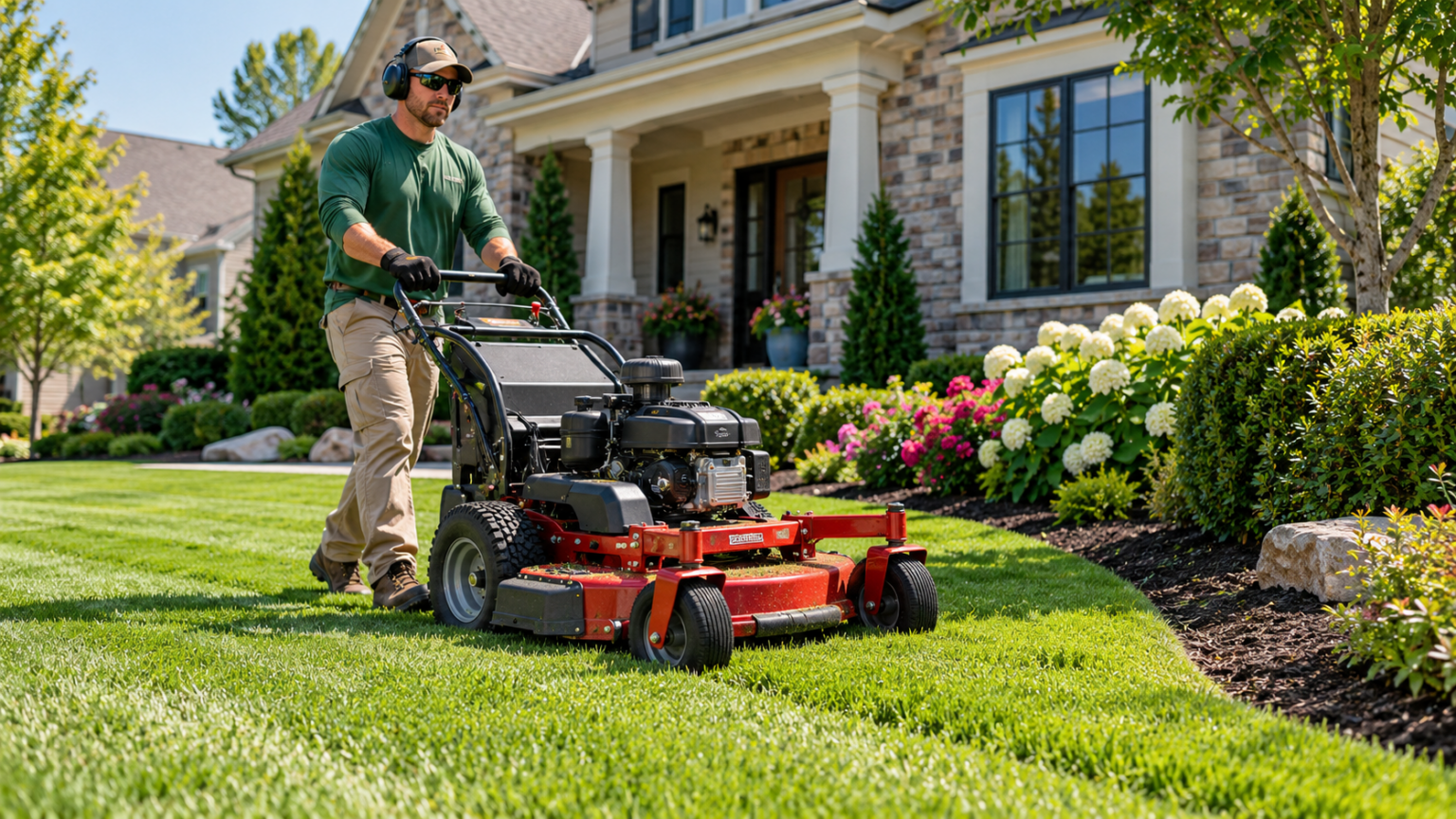
Lawn Care: Best Maintenance Tips, Seasonal Schedule & Healthy Grass Guide
A healthy lawn can make an ordinary backyard feel like a welcoming outdoor retreat. Whether you enjoy family gatherings, outdoor […]
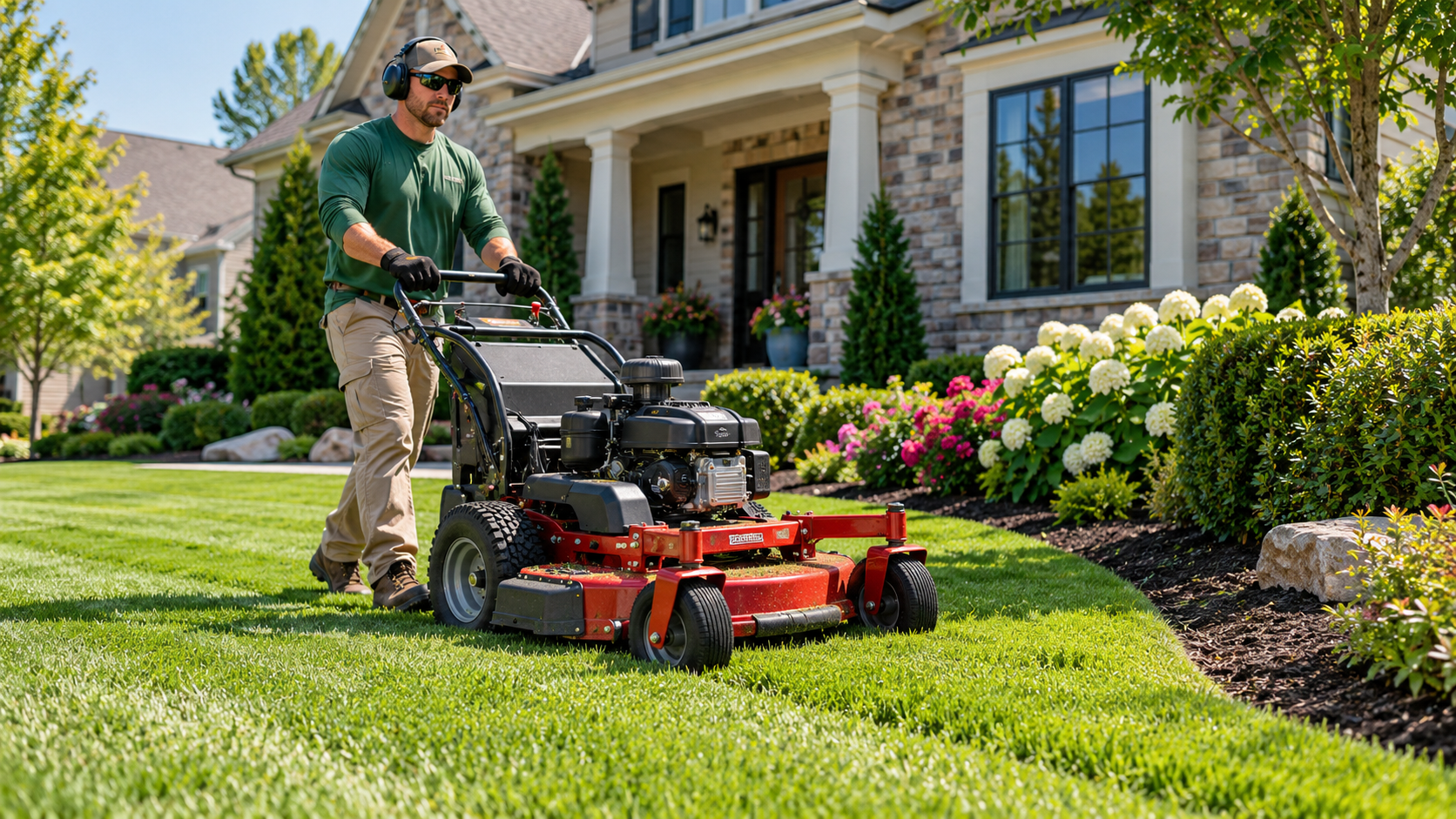
A healthy lawn can make an ordinary backyard feel like a welcoming outdoor retreat. Whether you enjoy family gatherings, outdoor games, gardening, or simply relaxing on the porch, well-maintained grass adds comfort and visual appeal to your property.
However, maintaining beautiful turf involves more than mowing it every weekend.
Effective lawn care requires the right combination of watering, mowing, soil management, weed prevention, fertilization, and seasonal maintenance. The best approach also depends on your climate, grass variety, sunlight, and soil conditions.
A lawn in Tennessee may require a different maintenance schedule from one in Arizona, Minnesota, or Florida.
Some grasses thrive during cooler months, while others grow most actively in summer. Applying the same products or mowing schedule everywhere can lead to wasted effort and disappointing results.
The U.S. Environmental Protection Agency recommends choosing plants suited to local conditions, maintaining healthy soil, watering wisely, and adjusting mowing height to support stronger turf.
US EPA
This guide explains essential lawn maintenance practices, common grass problems, seasonal tasks, and when professional landscaping services may be helpful.
Whether you’re maintaining a small suburban yard or managing a large commercial property, these practical steps can help you develop a more attractive and manageable outdoor space.
What Is Lawn Care?
Lawn care refers to the maintenance practices used to keep turfgrass healthy, functional, and visually appealing.
Common tasks include mowing, watering, fertilizing when necessary, managing weeds, improving soil conditions, and repairing damaged turf.
A complete maintenance plan also considers sunlight, drainage, foot traffic, and the type of grass planted.
Lawn Care vs. Landscaping
Although these terms are frequently used together, they describe different services.
Lawn care focuses primarily on maintaining grass and the conditions needed for healthy turf.
Landscaping covers a broader range of services, including planting trees and shrubs, designing flower beds, installing sod, improving drainage, and creating outdoor living areas.
Many professional landscape contractors provide both.
Why Regular Lawn Maintenance Matters
Healthy turf offers several practical benefits beyond appearance.
Improves Outdoor Usability
A maintained lawn creates space for recreation, relaxing, and everyday family activities.
Supports Soil Protection
Grass roots help hold soil in place and reduce erosion on appropriate sites.
Creates Attractive Curb Appeal
A tidy lawn, defined borders, and carefully maintained plants contribute to a welcoming property exterior.
Helps Identify Problems Early
Routine inspections make it easier to notice bare patches, drainage issues, pests, or unusual discoloration before problems spread.
The goal should be a healthy, functional lawn suited to your environment—not necessarily perfectly green grass every month of the year.
8 Essential Lawn Care Practices for Healthy Grass
A consistent routine can improve turf health while reducing unnecessary maintenance.

Avoid cutting grass excessively short. Taller grass within the recommended range for its species can shade the soil and support deeper root development.

2. Water According to Lawn Needs
Adjust irrigation based on rainfall, temperature, soil conditions, and grass type rather than following an inflexible daily schedule.

3. Fertilize Only When Necessary
Soil testing and grass requirements should guide fertilization. Excess nutrients can encourage weak growth and contribute to water pollution.

4. Aerate Compacted Soil
Core aeration may help relieve compaction and improve water movement into the soil, particularly in heavily used lawn areas.

5. Manage Weeds Early
Healthy, dense turf competes with weeds. Identify weeds correctly before deciding whether hand removal, improved maintenance, or an approved treatment is needed.

6. Repair Bare Patches
Use appropriate grass seed or sod to restore suitable areas. Address the cause of damage before reseeding or replacing turf.

7. Maintain Lawn Edges
Defined edges around pathways, beds, and driveways create a neat appearance and help keep turf from spreading into unwanted areas.

8. Inspect Lawn Health Regularly
Look for unusual browning, standing water, thinning grass, pest activity, and drainage problems. Different symptoms can have similar appearances.
How to Choose the Right Grass for Your Climate
One of the most important steps in creating a successful lawn is selecting grass suited to the local growing conditions.
The United States has several climate regions, and not all turfgrass varieties perform equally well everywhere.
Cool-Season Grasses
Kentucky bluegrass, tall fescue, and perennial ryegrass are commonly used in cooler regions.
They generally grow most actively during spring and fall.
Warm-Season Grasses
Bermudagrass, zoysiagrass, centipedegrass, and St. Augustinegrass are common in warmer areas.
Many warm-season varieties become dormant and turn brown during colder weather.
| Grass variety | Common suitability | Important consideration |
|---|---|---|
| Kentucky bluegrass | Cooler regions | Requires appropriate moisture and maintenance |
| Tall fescue | Cool and transitional regions | Selected varieties tolerate heat relatively well |
| Bermudagrass | Warm, sunny regions | Generally needs substantial sunlight |
| Zoysiagrass | Warm and transitional regions | Can establish slowly |
| St. Augustinegrass | Warm coastal and Southern regions | Performs differently under shade and cold conditions |
Before buying seed or sod, consult a local university Cooperative Extension office for region-specific recommendations.
Best Lawn Watering Practices
Watering is essential for growing and maintaining turfgrass, but excessive irrigation can be as harmful as insufficient moisture.
The EPA notes that many landscapes typically require around one inch of water weekly, including rainfall, although actual needs depend on climate, plants, and site conditions.
US EPA
Water During Cooler Hours
Early morning is often a practical time for irrigation because temperatures are lower and evaporation is reduced.
Avoid Frequent Shallow Watering
For established lawns where soil conditions permit, less frequent and more thorough watering can encourage deeper root growth.
However, clay soils and slopes may require shorter irrigation cycles to prevent runoff.
Inspect Sprinklers
Check that sprinkler heads are functioning correctly and directing water onto the lawn rather than sidewalks or driveways.

Smart Lawn Irrigation
Monitor rainfall, check soil moisture, and adjust sprinklers seasonally. Weather-based irrigation controllers can help reduce unnecessary watering.
The EPA recommends inspecting irrigation systems regularly for leaks, damaged sprinkler heads, and inaccurate watering patterns.
US EPA
Understanding Lawn Fertilization and Soil Testing
Fertilizer provides nutrients when soil cannot supply enough to support the desired turfgrass growth.
However, applying fertilizer without understanding the soil can waste money and contribute to nutrient runoff.
Test the Soil First
A soil test can identify important nutrient and pH conditions.
Local Cooperative Extension services often provide information about soil sampling and interpretation.
Use the Correct Fertilizer
Choose products according to test results and grass requirements.
Avoid assuming that higher nitrogen content automatically produces a healthier lawn.
Time Applications Appropriately
Cool-season and warm-season grasses have different active growing periods, so fertilization schedules should reflect the species.
The EPA recommends minimizing unnecessary fertilizer and considering slow-release products when nutrients are needed.
US EPA
Seasonal Lawn Care Schedule for American Homeowners
A seasonal plan helps property owners prepare for changing weather and grass growth.

Spring: Inspect and Prepare
Remove debris, inspect winter damage, service your mower, and assess irrigation equipment. Consider soil testing before applying fertilizer.

Summer: Protect Against Heat
Follow species-appropriate mowing heights, watch for drought stress, and water only as needed. Avoid unnecessary stress during extreme heat.

Fall: Repair and Strengthen
Fall is often useful for overseeding and aerating cool-season lawns. Remove heavy leaf accumulation that blocks sunlight.

Winter: Limit Damage
Minimize unnecessary traffic on frozen or dormant grass, maintain equipment, and prepare for the next growing season.
These are broad seasonal guidelines. Homeowners in Florida, Arizona, Minnesota, and Tennessee should adjust their schedules to local temperatures and turfgrass growth cycles.
Sod Installation vs. Growing Grass From Seed
Both sod and grass seed can create a lawn, but the methods differ in cost, preparation, and establishment.
| Feature | Sod installation | Grass seed |
|---|---|---|
| Initial appearance | Immediate grass coverage | Gradual establishment |
| Initial expense | Generally higher | Generally lower |
| Preparation | Proper soil preparation required | Proper soil preparation required |
| Establishment | Requires careful watering and rooting | Requires suitable germination conditions |
| Grass selection | Limited to available sod varieties | Often broader seed choices |
Sod may be useful when quick ground coverage is important.
Seeding can offer more flexibility for certain lawn renovations, but newly germinated grass needs protection.
Neither method will solve persistent shade, compaction, drainage, or soil problems without addressing those conditions first.
When Should You Hire a Professional Lawn Care Service?
Some homeowners enjoy maintaining their own grass. Others prefer professional assistance because of limited time, larger properties, specialized equipment, or persistent lawn problems.
Professional services may include mowing, trimming, weed management, irrigation maintenance, soil preparation, and turf establishment.

Professional Lawn Maintenance
A landscaping team can coordinate recurring mowing, irrigation checks, seasonal cleanups, and selected lawn renovation tasks.
Ask for a written service description explaining what is included, the visit frequency, and how unexpected problems are handled.
Exploring B&H Landscape and Tree Services
Homeowners interested in professional lawn care and landscaping services can explore B&H Landscape and Tree Services, which serves the Nashville, Tennessee, area.
According to its published landscaping page, the company offers residential and commercial landscaping, lawn mowing, planting, sod installation, irrigation systems, landscape design, and recurring maintenance.
It also describes storm cleanup, shrub trimming, and other outdoor property services.
B&H explains a three-step customer process: request a quote, schedule the agreed services, and enjoy the completed outdoor space.
The company offers both one-time and recurring maintenance arrangements and advertises free estimates.
Nashville Landscaping
Its broader website also identifies drainage, outdoor lighting, and tree work among its services.
Nashville’s #1 Landscaper
These are company-published descriptions. Customers should verify current service availability, pricing, scope, and terms before scheduling work.
Common Lawn Problems and Practical Solutions
Yellow or brown grass does not always mean the lawn needs more water.
Discoloration can result from drought, excess moisture, nutrient problems, disease, insect activity, or dormancy.

Diagnosing Lawn Problems
Examine the affected area, soil conditions, watering patterns, and recent weather before treating it. The same visible symptom can have several possible causes.
Compacted lawns may benefit from aeration during the appropriate growing season.
Bare patches may need improved drainage, soil preparation, additional sunlight, or more suitable grass varieties.
Persistent disease or insect problems should be correctly identified before applying treatments.
Eco-Friendly Lawn Care Practices
Environmentally responsible maintenance can support a functional landscape while reducing unnecessary inputs.
Leave suitable grass clippings on the lawn when mowing conditions permit.
Select regionally appropriate turfgrass and consider replacing difficult-to-maintain lawn sections with native plants or drought-tolerant landscaping.
Use mulch around flower beds and trees to limit moisture loss and reduce weed competition.
The EPA encourages water-smart landscape designs that match plants to local conditions and group vegetation according to watering needs.
US EPA
Homeowners should also follow local fertilizer and pesticide requirements and prevent products from entering storm drains.
Frequently Asked Questions About Lawn Care
How often should I mow my lawn?
Mowing frequency depends on grass growth rather than a fixed calendar. Avoid removing more than approximately one-third of the grass blade in a single mowing.
What is the best time to water a lawn?
Early morning is generally a practical choice because evaporation is lower. Adjust watering according to local weather, soil moisture, and restrictions.
How can I make my lawn thicker?
Choose suitable grass, correct soil problems, mow appropriately, manage weeds, and overseed when appropriate for your turfgrass species.
Should I fertilize my lawn every month?
Not necessarily. Fertilizer needs depend on soil test results, grass type, growing season, and existing nutrient levels.
Is sod better than grass seed?
Sod provides quick coverage, while seed generally costs less initially. The better option depends on budget, timing, and site conditions.
How often should lawns be aerated?
Aerate when soil compaction creates a genuine problem. High-traffic lawns may require more attention than lightly used spaces.
Why does my lawn have brown patches?
Possible causes include drought, overwatering, disease, insects, compacted soil, and seasonal dormancy. Identify the cause before treatment.
Are professional lawn care services worth hiring?
They can be useful for homeowners with limited time, large properties, or specialized maintenance needs. Compare the services and costs against your own requirements.
Conclusion
Effective lawn care begins with understanding your grass, soil, local climate, and maintenance needs.
Regular mowing, appropriate watering, careful fertilization, and timely inspections can help support healthier turf and more enjoyable outdoor spaces.
A seasonal maintenance plan makes it easier to manage changing weather, while professional landscaping services can assist with more complex projects such as sod installation, irrigation, and drainage improvements.
Companies such as B&H Landscape and Tree Services provide options for homeowners in the Nashville area seeking residential landscaping and ongoing maintenance.
Whether maintaining your yard independently or hiring professionals, focus on consistent practices suited to your property rather than unnecessary treatments.
With the right approach, your lawn can become a comfortable, attractive, and manageable part of your outdoor environment.

Written by Twastia Editorial Team
Twastia Editorial Team shares practical insights about website design, SEO services, Google Ads, content marketing, social media, conversion rate optimization, and digital marketing strategy.
Last updated: Oct 26, 2026
Related posts from Twastia
Explore more useful articles from twastia.com about digital marketing, SEO, websites, ads, content, and growth strategy.