Order Waste Management Bins: Best Guide to Dumpster Sizes, Costs & Rental Tips
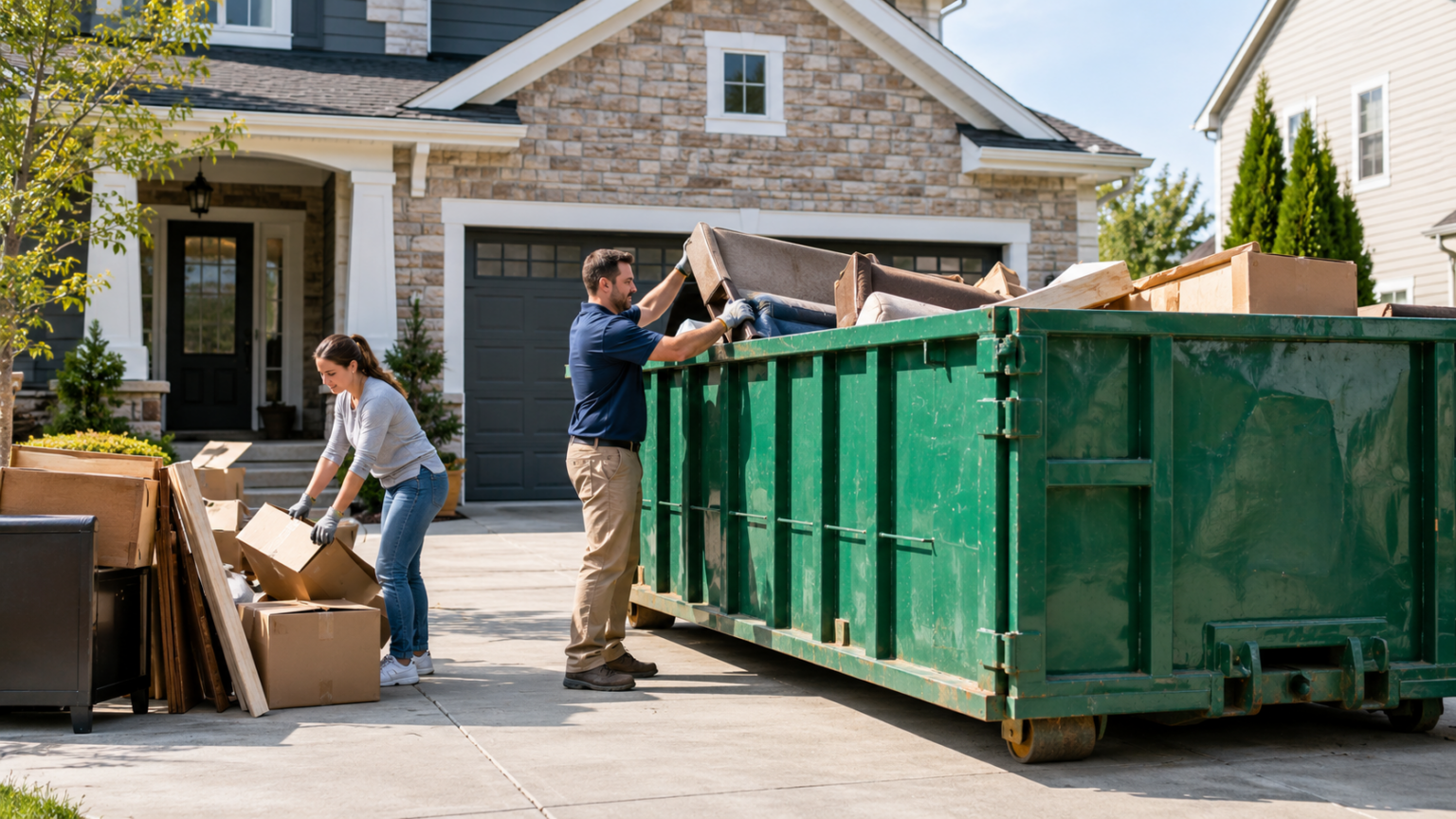
Home renovations, garage cleanouts, landscaping projects, and construction work often produce more waste than regular household trash collection can handle. […]
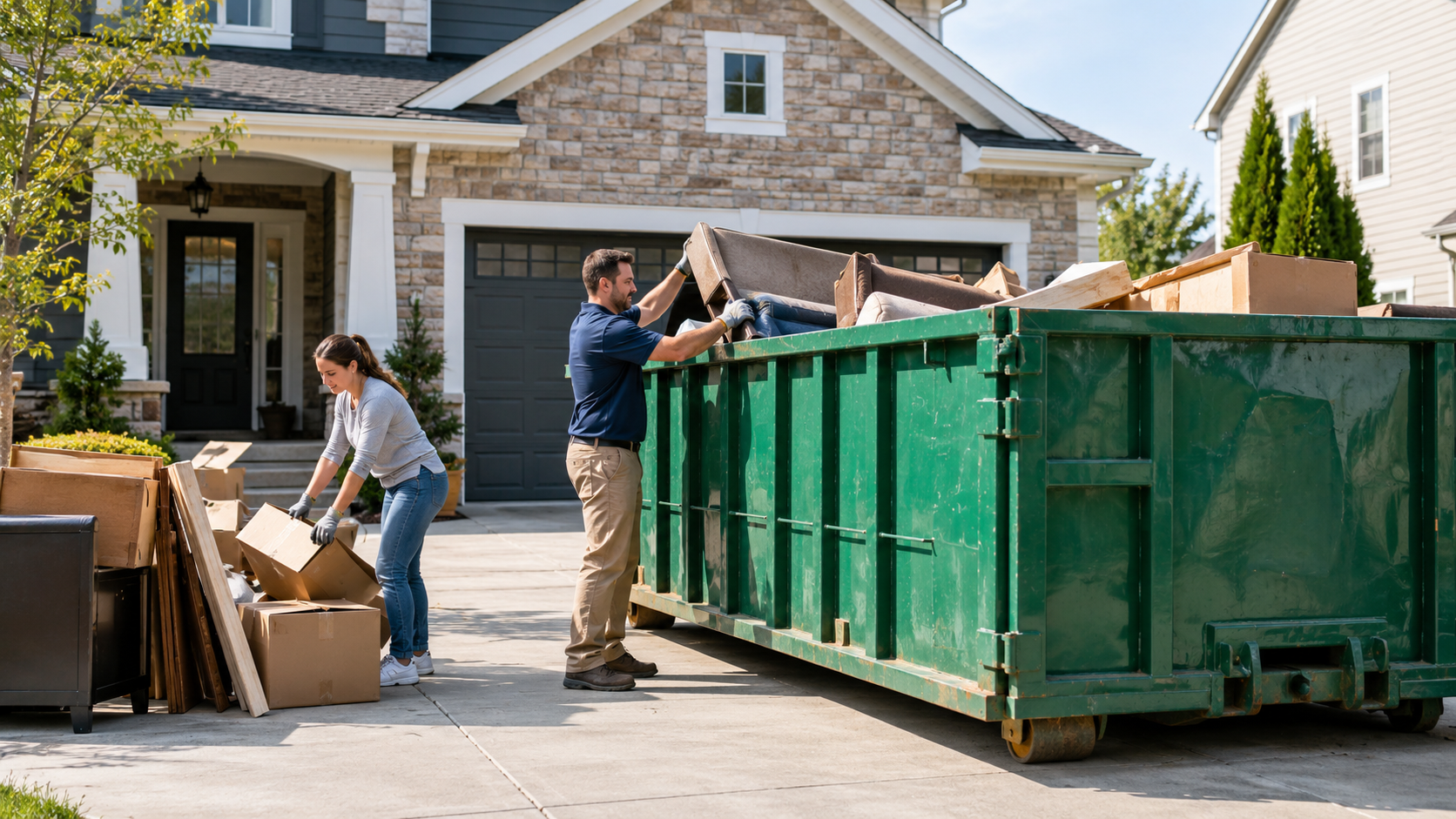
Home renovations, garage cleanouts, landscaping projects, and construction work often produce more waste than regular household trash collection can handle. Piles of unwanted furniture, broken drywall, wood scraps, packaging, and outdoor debris can quickly become difficult to manage.
Knowing how to order waste management bins makes the cleanup process more organized and convenient.
Waste management bins, commonly called roll-off dumpsters in the United States, provide temporary storage for approved materials until a professional disposal company collects them.
Instead of making multiple trips to a landfill or transfer station, homeowners and contractors can arrange for a container to be delivered to a suitable location.
However, ordering the right dumpster requires more than selecting the largest available container.
Bin size, material weight, rental duration, delivery access, disposal restrictions, and local permits can all influence the final cost.
The U.S. Environmental Protection Agency identifies construction and demolition debris as a major waste stream, including materials such as wood, drywall, concrete, metal, and asphalt shingles. Responsible management can involve reducing, separating, reusing, and recycling materials whenever practical.
US EPA
This guide explains the dumpster rental process, suitable sizes for different projects, common pricing factors, waste restrictions, and important questions to ask before booking a bin.
What Are Waste Management Bins?
Waste management bins are containers designed to temporarily collect and store unwanted materials before transportation to an approved disposal or processing facility.
For larger cleanup projects, rental companies commonly supply open-top metal dumpsters that can be delivered by specialized trucks.
These are different from the small wheeled garbage carts used for weekly household trash service.
Residential Waste Management Bins
Residential dumpsters are useful for garage cleanouts, moving projects, kitchen remodeling, basement clearing, and selected landscaping activities.
Smaller bins may be easier to place on residential driveways where space is limited.
Commercial and Construction Waste Bins
Commercial dumpsters are commonly used during office renovations, property maintenance, construction, and building demolition.
Larger projects may require multiple containers or separate bins for different types of material.
Why Renting a Waste Management Bin Makes Sense
A temporary dumpster can simplify cleanup by providing a designated collection point.
Convenient Waste Collection
Workers or homeowners can collect approved debris in one location instead of allowing it to accumulate around the property.
Fewer Disposal Trips
A suitably sized dumpster can reduce the need for repeated personal vehicle trips to disposal facilities.
Cleaner Work Areas
Organized debris collection can help keep walkways, driveways, and work zones clearer.
Flexible Rental Options
Many companies offer different container sizes and rental periods based on the project’s expected duration.
However, the benefits depend on choosing an appropriate container, following loading limits, and arranging timely collection.
6 Common Projects That Need Waste Management Bins
Different projects generate different volumes and types of waste.

1. Household and Garage Cleanouts
Large cleanouts may produce broken furniture, cardboard, old household items, and general non-hazardous debris. Check whether individual appliances or electronics need separate collection.

Kitchen and bathroom remodeling projects can generate cabinets, fixtures, flooring, and drywall. The appropriate dumpster depends on material volume and weight.

3. Roofing Projects
Removing shingles and roofing materials can create heavy loads. Contractors should confirm weight allowances and accepted roofing materials before booking.

4. Landscaping and Yard Cleanup
Garden renovations may generate branches, soil, sod, and plant waste. These materials may require dedicated containers or separate disposal arrangements.

5. Commercial Property Renovations
Offices, retail buildings, and managed properties may require temporary waste containers for construction materials and approved general debris.

6. Construction and Demolition Work
Larger building projects may benefit from designated containers for wood, masonry, metal, and other materials that can be recovered or disposed of appropriately.
How to Choose the Right Dumpster Size
Choosing the correct size is one of the most important decisions when renting a waste container.
Dumpster capacity is usually measured in cubic yards. One cubic yard represents 27 cubic feet of space.
| Dumpster size | Common applications |
|---|---|
| 5–8 cubic yards | Small cleanouts and selected heavy debris |
| 10 cubic yards | Small renovations and garage clearing |
| 15 cubic yards | Medium residential cleanouts |
| 20 cubic yards | Larger remodeling and household projects |
| 30 cubic yards | Major renovations and construction |
| 40 cubic yards | Large commercial and demolition projects |
These are general examples, not guaranteed capacities for specific materials. Each provider sets its own weight limits and acceptance rules.

Selecting Dumpster Capacity
Consider both waste volume and weight. A smaller heavy-debris container may be more appropriate for concrete than a larger container intended for lightweight household items.
How to Order Waste Management Bins: Step-by-Step
Ordering a dumpster is generally straightforward when you prepare the right information.
Step 1: Identify Your Waste Materials
List the main items you plan to discard. Separate ordinary household debris from concrete, soil, electronics, chemicals, and materials that require special handling.
Step 2: Estimate the Waste Volume
Measure large items and evaluate the size of your project. Ask the rental provider for help choosing a container if you are uncertain.
Step 3: Compare Local Dumpster Companies
Check service areas, customer feedback, container sizes, rental periods, disposal restrictions, and insurance arrangements.
Step 4: Request a Detailed Quote
Confirm the base rental price, weight allowance, delivery, collection, disposal charges, and any additional fees.
Step 5: Choose a Delivery Location
Inspect the driveway or other proposed location for adequate space, safe access, and overhead obstacles.
Step 6: Schedule Delivery
Confirm the delivery date, rental duration, and pickup arrangements.

Dumpster Delivery
Ensure vehicles are moved, access is available, and the designated surface can safely support the container and delivery equipment.
Step 7: Load Approved Waste and Arrange Pickup
Keep debris within the container’s loading limits. Once the cleanup is complete, confirm the pickup date and make sure the truck can reach the bin safely.
What Materials Can Go Into a Dumpster?
Accepted materials vary between waste management providers and local disposal facilities.
| Commonly accepted, subject to approval | Often restricted or separately handled |
|---|---|
| Household furniture | Paints and solvents |
| Cardboard and packaging | Fuels and motor oil |
| Approved renovation debris | Propane cylinders |
| Wood and selected flooring | Car batteries |
| Drywall and nonhazardous debris | Asbestos-containing materials |
| Certain yard wastes | Some electronics and appliances |
The EPA identifies paints, oils, pesticides, batteries, and certain household chemicals as materials that may require special handling. It recommends using appropriate local collection programs rather than placing hazardous products into ordinary trash.
US EPA
Never assume an item is acceptable simply because it physically fits inside the dumpster.
Understanding Dumpster Rental Costs
Waste bin rental prices vary by location, container size, waste type, and service terms.
A small residential dumpster for a short cleanup may cost less than a large construction container requiring several tons of disposal capacity.
Common pricing factors include delivery distance, rental duration, included disposal weight, landfill or transfer-station charges, and prohibited-material surcharges.
Some companies offer flat-rate packages, while others charge separately for transportation and disposal.
Questions to Ask Before Paying
Ask whether the quotation includes:
- Delivery and pickup
- Number of rental days
- Included disposal weight
- Additional weight charges
- Extension fees
- Taxes and environmental charges
- Permit expenses, if applicable
A low advertised rental rate may not represent the final bill. Compare complete written estimates before booking.
Where Should You Place a Waste Management Bin?
Most residential customers prefer driveway placement because it keeps the container close to the cleanup area.
However, the location must accommodate the delivery truck, container dimensions, and safe loading activities.

Safe Dumpster Placement
Select a level, accessible location away from overhead wires, vulnerable landscaping, entrances, and areas where the container could obstruct traffic.
Do You Need a Dumpster Permit?
Requirements depend on the city and placement location.
For example, Seattle requires a street-use permit for dumpsters placed in the public right-of-way, while Minneapolis requires a permit for dumpsters placed in streets.
seattle.gov
+1
Private-property placement may have different requirements, including neighborhood association restrictions.
Check local rules before delivery.
Renting Waste Management Bins From Express Bins
The supplied guide to ordering waste management bins currently redirects to the Express Bins homepage, so the original article’s exact instructions could not be reviewed.
However, its accessible website provides useful examples of how a dumpster rental service operates.
Express Bins serves communities in Ontario, Canada, including Newmarket, Vaughan, Markham, Richmond Hill, Barrie, and surrounding areas.
The company advertises residential and commercial bin rentals, mixed-waste containers, clean-fill options, and delivery and pickup services.
Its published fleet includes 5-, 8-, 10-, 14-, and 20-cubic-yard containers.
Express Bins
+1
Express Bins also explains that rental charges depend on location, material type, container size, and disposal weight. Its FAQ prohibits hazardous materials and advises customers not to fill containers above their top edges.
Express Bins
For American homeowners, these examples illustrate common rental practices, but Express Bins’ service area and policies should not be mistaken for nationwide U.S. coverage.
How to Reduce Waste During a Renovation
Responsible waste management begins before materials are placed into a dumpster.
The EPA recommends reducing unnecessary construction waste, salvaging reusable materials, and separating suitable items for recycling.
US EPA
Consider donating usable furniture, fixtures, and building supplies when suitable donation options are available.
Keep recyclable metal and approved clean materials separate if your local provider offers recovery services.

Responsible Waste Sorting
Separating reusable and recyclable materials before loading the dumpster may reduce disposal waste and improve recovery opportunities.
For construction sites, the EPA also recommends designated waste collection areas, timely pickup, and appropriate protection against waste entering stormwater runoff.
US EPA
Common Dumpster Rental Mistakes to Avoid
One mistake is underestimating the amount of debris and choosing a bin that is too small.
Another is selecting a large dumpster without considering the weight of concrete, soil, or roofing materials.
Customers may also overlook rental deadlines, extra charges, or delivery access requirements.
Never overload a container or place prohibited hazardous materials inside it.
Finally, remember to arrange pickup before the bin interferes with other scheduled construction activities.
Planning ahead can prevent unnecessary delays and unexpected costs.
Frequently Asked Questions About Ordering Waste Management Bins
How do I order waste management bins near me?
Contact a local dumpster rental company, describe your project, choose a suitable size, confirm accepted materials and pricing, and schedule delivery and pickup.
What size dumpster do I need for a house cleanout?
A 10- to 20-cubic-yard dumpster may suit many household cleanouts, but the correct size depends on the amount and type of waste.
How much does dumpster rental cost?
Prices depend on local disposal fees, bin size, rental period, transportation, and material weight. Request an itemized quote for an accurate estimate.
Can I put construction debris in a rental dumpster?
Many providers accept approved drywall, wood, flooring, and other renovation materials. Confirm the rules for heavy debris and restricted items.
How long can I keep a waste management bin?
Rental periods vary by company. Some providers offer short-term rentals, while others allow weekly or extended bookings.
Can a dumpster damage my driveway?
Heavy containers and delivery equipment can create pressure on driveways. Discuss surface conditions and appropriate protection measures with the rental company.
Are hazardous materials allowed in waste bins?
Usually not in ordinary mixed-waste rental dumpsters. Paints, fuels, batteries, chemicals, and similar items may require specialized collection.
Do I need to be home for dumpster delivery?
Not always. Some companies can deliver without the customer present when placement instructions and access arrangements are confirmed in advance.
Conclusion
Knowing how to order waste management bins can make residential cleanouts, renovations, and construction projects easier to organize.
The most important steps include estimating your waste volume, choosing the correct dumpster size, reviewing accepted materials, comparing complete rental prices, and preparing a suitable delivery location.
Proper waste sorting also matters. Reusable items, recyclable materials, and hazardous products should be handled according to local requirements rather than automatically entering a mixed-waste container.
Rental companies such as Express Bins demonstrate how different bin sizes, flexible collection services, and material-specific containers can support residential and commercial projects.
For U.S. customers, the final decision should reflect local disposal regulations, provider policies, project requirements, and overall rental costs.
With advance planning and clear communication, a temporary dumpster can provide a practical way to manage waste while keeping your project cleaner, safer, and better organized.Editorial note: The original Express Bins blog URL redirected to the company’s homepage during research. Company-specific details were checked against its accessible rental and FAQ pages. Dumpster rules, availability, prices, and waste acceptance vary by location. This article provides general guidance for U.S. readers, and the image descriptions are illustrative rather than photographs of Express Bins equipment.

Written by Twastia Editorial Team
Twastia Editorial Team shares practical insights about website design, SEO services, Google Ads, content marketing, social media, conversion rate optimization, and digital marketing strategy.
Last updated: Oct 26, 2026
Related posts from Twastia
Explore more useful articles from twastia.com about digital marketing, SEO, websites, ads, content, and growth strategy.