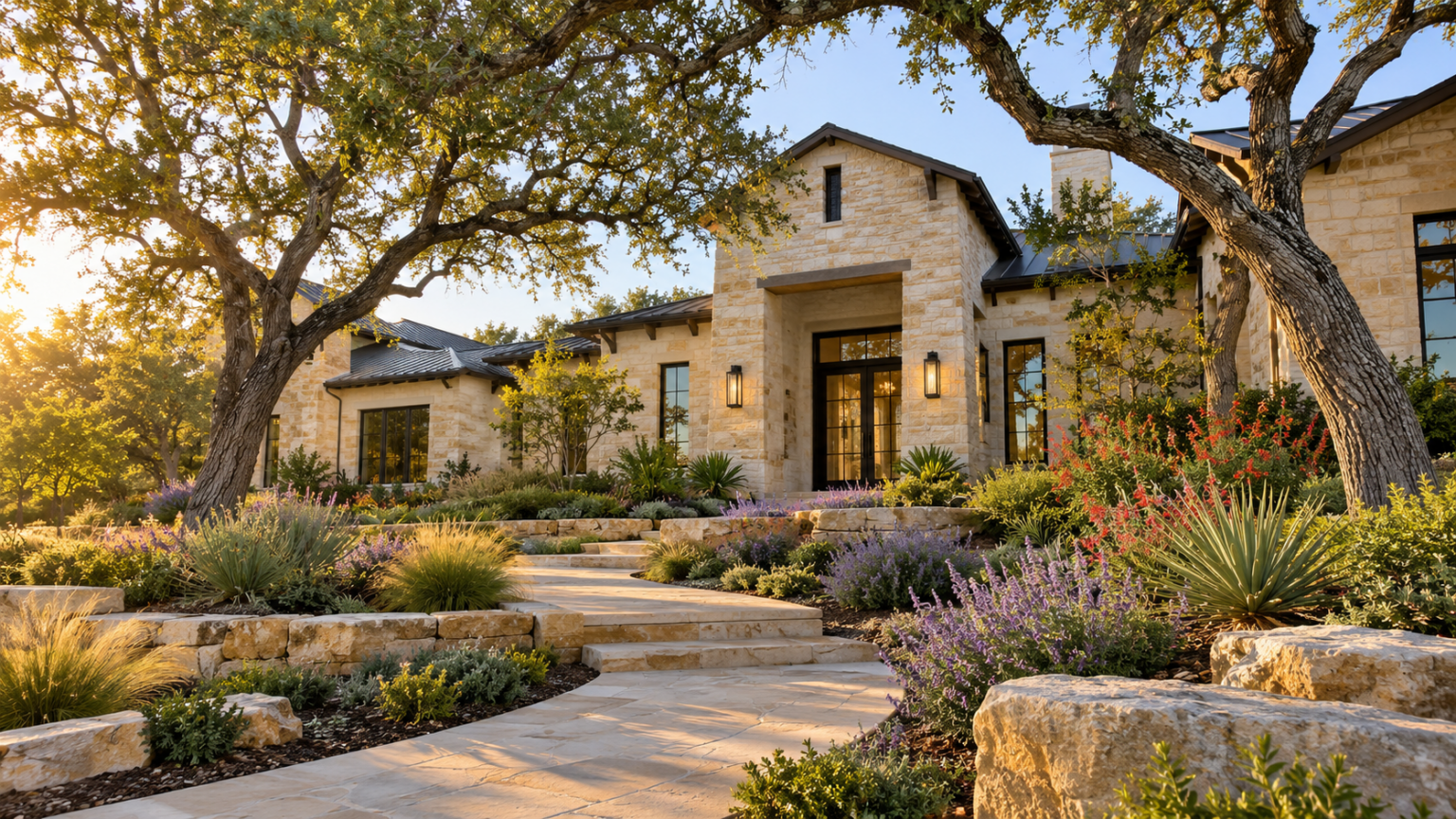
San Antonio, Texas Landscaping Company: Best Services, Design Ideas & Hiring Guide
A beautifully landscaped property can transform an ordinary outdoor area into a welcoming, functional space. From colorful planting beds and […]
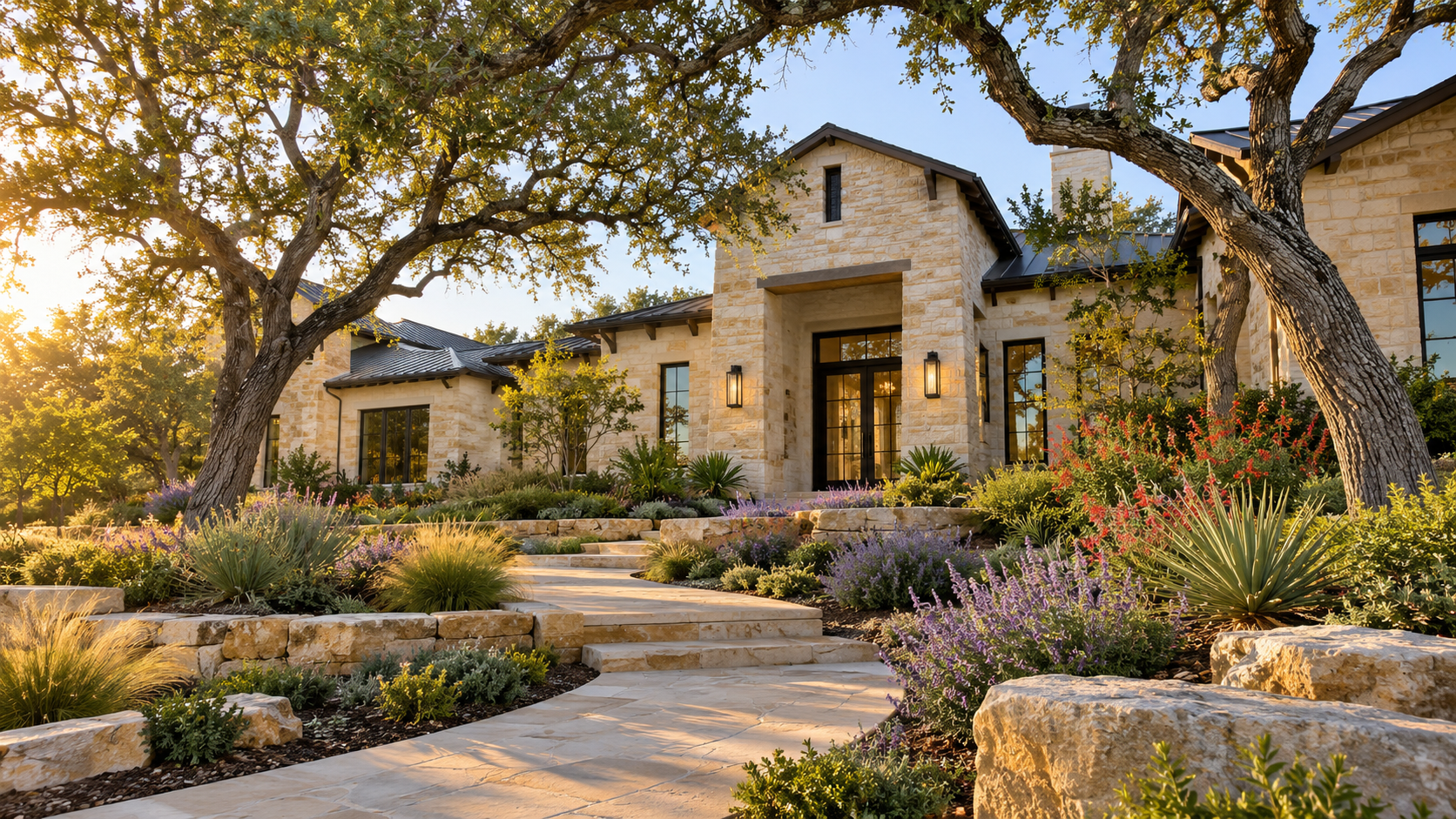
A beautifully landscaped property can transform an ordinary outdoor area into a welcoming, functional space. From colorful planting beds and shaded patios to well-planned walkways, professional landscaping can improve how homeowners enjoy their surroundings.
However, creating an attractive landscape in South Texas requires more than planting grass and flowers.
San Antonio experiences hot summers, periods of limited rainfall, variable soil conditions, and ongoing water conservation concerns. Plants and materials that perform well in cooler parts of the United States may not be suitable for the local environment.
Hiring a reliable San Antonio, Texas landscaping company can help homeowners and commercial property managers design outdoor spaces that balance appearance, practicality, and long-term maintenance.
Professional landscapers evaluate the property, recommend appropriate plants, improve drainage where necessary, and coordinate features such as patios, pathways, irrigation systems, and outdoor lighting.
The right landscape should reflect how the property will be used while accounting for sunlight, soil conditions, water availability, and the owner’s budget.
Whether you want a complete backyard renovation, drought-resistant planting, or improvements to your front entrance, understanding the available services can help you make informed decisions.
This guide explores landscaping services in San Antonio, popular design ideas, suitable Texas plants, hiring considerations, and ways to create attractive outdoor areas without unnecessary water consumption.
What Does a Landscaping Company in San Antonio Do?
A landscaping company designs, installs, improves, and sometimes maintains outdoor spaces around residential and commercial properties.
Services can range from planting shrubs to coordinating comprehensive outdoor renovations involving hardscaping, irrigation, drainage, and landscape lighting.
The exact services depend on the contractor’s experience and qualifications.
Residential Landscaping
Residential services focus on outdoor areas around houses, including front yards, backyards, gardens, and patios.
Projects may involve new planting beds, sod installation, walkways, retaining features, and outdoor living areas.
Commercial Landscaping
Commercial landscaping supports the appearance and functionality of office buildings, retail developments, apartment communities, and other managed properties.
These projects may require planned maintenance, durable materials, safe pedestrian routes, and efficient irrigation.
Why Landscaping in San Antonio Requires Special Planning
San Antonio’s climate creates unique considerations for outdoor design.
Hot weather can increase water demand, while intense rainfall during certain periods may produce drainage challenges.
Successful landscapes should also account for soil characteristics, sun exposure, available shade, and the changing needs of plants throughout the year.
Water Conservation
Water efficiency is particularly important.
San Antonio Water System (SAWS) manages outdoor watering restrictions based on Edwards Aquifer conditions.
After temporarily moving to Stage 2 in August 2026, the area returned to Stage 3 restrictions in September. The restrictions and designated watering times can change, so homeowners should check current rules before irrigating.
San Antonio Water System
San Antonio Irrigation Association
Climate-Appropriate Plants
Texas A&M AgriLife Extension recommends considering native landscaping, xeriscaping, and plant varieties suited to local growing conditions.
Texas A&M AgriLife Extension Service
Practical Outdoor Design
Landscape plans should consider where people will walk, gather, relax, and play.
Shade, drainage, safe pathways, and easy maintenance are often more valuable than decorative features alone.
7 Popular Landscaping Services for San Antonio Properties
Professional landscaping involves several specialized services. The most appropriate combination depends on the property and its intended use.

Landscape designers develop plans for planting areas, walkways, patios, and outdoor features. A thoughtful layout balances appearance, accessibility, drainage, and maintenance requirements.

2. Tree, Shrub, and Flower Installation
Selecting plants that suit local conditions helps create attractive gardens without unnecessary upkeep. Contractors should consider mature plant size and proper spacing.

3. Hardscaping and Stonework
Patios, retaining walls, decorative stone borders, and pathways introduce structure into outdoor spaces. Material choice should reflect durability and site conditions.

4. Irrigation System Installation
Properly designed irrigation delivers water to suitable planting zones. Drip systems and efficient controllers may help reduce unnecessary water use when maintained correctly.

5. Landscape Drainage Solutions
Drainage improvements can help manage standing water, erosion, and runoff. Solutions should be designed for the property’s soil, slope, and actual drainage problem.

6. Lawn Installation and Maintenance
Services may include turf selection, sod installation, mowing, edging, and lawn renovation. Grass varieties should match sunlight and available water.

7. Outdoor Living Spaces
Patios, gathering areas, landscape lighting, and outdoor kitchens can make backyards more functional for entertaining and everyday relaxation.
Best Plants for San Antonio Landscape Design
Choosing plants suited to South Texas is one of the most useful ways to make a landscape easier to maintain.
Native and well-adapted species can offer attractive foliage, seasonal flowers, and habitat for wildlife while reducing the need for intensive watering after establishment.

Texas Sage
This silver-leaved shrub produces attractive purple flowers and is well suited to sunny locations with appropriate drainage.

Red Yucca
Known for its arching foliage and tall flowering stalks, red yucca brings structure to water-wise planting beds.

Autumn Sage
This flowering perennial provides seasonal color and can attract pollinators when grown under suitable conditions.

Live Oak
Where sufficient space is available, live oaks can provide long-term shade and a distinctive South Texas appearance.
Plant performance still depends on soil drainage, available sunlight, planting techniques, and establishment care.
Texas A&M AgriLife’s landscaping resources provide additional educational guidance on regional plant selection and water conservation.
Xeriscaping vs. Traditional Landscaping
Xeriscaping is a landscape design approach that emphasizes efficient water use.
It does not require replacing every plant with gravel or cactus. A well-designed xeriscape may include trees, flowers, shrubs, turf areas, and shaded gathering spaces.
| Feature | Traditional lawn-focused design | Water-wise landscape |
|---|---|---|
| Primary appearance | Larger turf areas | Mixed planting beds and selected turf |
| Plant selection | Often lawn-centered | Climate-adapted plants emphasized |
| Irrigation | Potentially higher demand | Designed around plant water needs |
| Maintenance | Regular mowing and edging | Pruning, mulching, and periodic care |
| Design flexibility | Open lawns and formal borders | Native gardens, pathways, and outdoor areas |
Neither design is automatically maintenance-free.
The best approach often combines a practical lawn area with drought-tolerant plants and suitable hardscaping.
How to Plan a Successful Landscape Project
A structured planning process helps prevent expensive changes after installation begins.
Step 1: Identify Your Priorities
Decide whether the project should improve curb appeal, create a seating area, provide shade, reduce lawn maintenance, or correct drainage problems.
Step 2: Assess the Property
Review sunlight, soil conditions, slopes, existing trees, underground utilities, and water access.
A site assessment should also identify areas where runoff could create problems for the home or neighboring properties.
Step 3: Establish a Realistic Budget
Separate essential improvements from optional decorative features.
For example, correcting drainage may need to take priority over installing an outdoor kitchen.
Step 4: Review a Design and Written Quote
Ask for a clearly defined scope that identifies materials, plants, installation work, and exclusions.
Step 5: Plan for Long-Term Care
New landscapes require establishment care, even when drought-tolerant species are selected.
Discuss watering, pruning, warranties, and maintenance responsibilities before work begins.
Landscaping Costs in San Antonio: What Affects Pricing?
Landscaping costs vary considerably between properties.
A small planting-bed renovation requires different labor and materials from a comprehensive backyard project with retaining walls, irrigation, and an outdoor kitchen.
| Cost factor | Why it matters |
|---|---|
| Property size | Larger areas usually require more labor and material |
| Site preparation | Grading and removal work add complexity |
| Plant selection | Size, availability, and quantity affect expense |
| Hardscaping | Stone, concrete, and structural features increase scope |
| Irrigation | Equipment, connections, and installation influence costs |
| Drainage | Complex site conditions may need specialist design |
| Access | Restricted access can increase labor requirements |
Ask contractors for itemized estimates rather than relying on a generic price per square foot.
Also clarify whether demolition, debris removal, permits, soil preparation, and maintenance are included.
How to Choose a Reliable San Antonio Landscaping Contractor
A reputable contractor should understand local conditions and communicate clearly about project requirements.
Verify Experience and Insurance
Request examples of similar completed projects and confirm appropriate insurance.
For regulated work, such as landscape irrigation, verify the relevant Texas licensing requirements.
Compare Written Proposals
Look beyond the total price. Compare plants, quantities, material specifications, drainage methods, estimated timelines, and warranty terms.
Ask About Water Conservation
A contractor familiar with San Antonio should account for SAWS watering restrictions, suitable planting methods, and irrigation efficiency.
Discuss Ongoing Maintenance
Ask how new plants should be cared for and who will handle problems discovered after installation.
Be cautious of contractors who promise completely maintenance-free landscapes or guaranteed savings without examining the site.
Exploring Landman Group Inc. in the San Antonio Area
People researching a San Antonio, Texas landscaping company may encounter Landman Group Inc.
Historical business listings describe Landman Group as a locally owned business specializing in custom landscape design, construction, and outdoor entertainment areas in the San Antonio region.
about.me
Better Business Bureau listings also identify Landman Group in the Bulverde area under categories including landscape contracting, concrete contracting, and drainage services.
Better Business Bureau
However, the supplied website currently redirects to an unrelated domain, and an indexed page previously appeared as a parked domain. The website therefore could not be used to verify the company’s current services or operating status.
landmangroupinc.com
Before considering the company, verify its current business identity, contact information, insurance, availability, and recent completed projects through independent sources.
Seasonal Landscaping Tips for San Antonio Homeowners
A good maintenance schedule changes with the seasons.
Spring
Inspect irrigation equipment, remove winter-damaged plant material, refresh mulch, and prepare planting beds.
Summer
Monitor plant stress, maintain mulch, and follow current watering restrictions. Avoid unnecessary planting during extreme heat.
Fall
Consider suitable tree, shrub, and perennial planting as temperatures moderate. Review drainage before wetter periods.
Winter
Protect sensitive plants during freezes, inspect irrigation components, and plan improvements for the coming year.

Year-Round Landscape Care
Adjust maintenance to weather and plant growth rather than following the same routine every month.
Common Landscaping Mistakes to Avoid
Overplanting is a common problem. Young shrubs may look small initially but can become crowded as they mature.
Other mistakes include poor drainage planning, using unsuitable grass varieties, placing large trees too close to structures, and installing irrigation without considering water restrictions.
San Antonio homeowners should also avoid assuming that drought-tolerant plants never need watering.
Even well-adapted plants require appropriate establishment care.
A thoughtful design should address these issues before construction begins.
Frequently Asked Questions About Landscaping in San Antonio
What services does a San Antonio, Texas landscaping company provide?
Services may include landscape design, planting, lawn installation, hardscaping, patios, drainage improvements, irrigation, outdoor lighting, and ongoing maintenance. Each contractor’s offerings vary.
What is the best landscaping style for San Antonio?
Water-wise landscaping with native and climate-adapted plants is a practical choice. Homeowners can combine drought-tolerant planting beds with patios, shade trees, and selected turf areas.
How much does professional landscaping cost in San Antonio?
Pricing depends on project size, materials, site conditions, and labor requirements. Request a detailed quotation for accurate property-specific costs.
Which plants grow well in San Antonio?
Texas sage, red yucca, autumn sage, and live oak are examples worth considering. Select varieties based on mature size, sunlight, soil, and drainage.
Are there watering restrictions in San Antonio?
Yes. SAWS applies year-round rules and additional restrictions during drought stages. Check the current SAWS watering requirements before scheduling irrigation.
Is xeriscaping better than a traditional lawn?
Xeriscaping can help reduce irrigation demand when properly designed. Traditional lawns may still be appropriate for recreation and other practical uses.
Do I need a professional landscaper for a small yard?
Not necessarily. Simple planting and maintenance can be suitable DIY projects, while drainage, structural hardscaping, and irrigation work may require specialist expertise.
How do I find a trustworthy landscaping contractor?
Check relevant credentials, insurance, recent projects, written estimates, references, and clear service agreements before hiring.
Conclusion
Choosing the right San Antonio, Texas landscaping company can make a significant difference when planning a residential or commercial outdoor improvement.
Successful landscaping in South Texas requires careful plant selection, effective drainage, efficient irrigation, and materials suited to the local climate.
Native plants, drought-tolerant gardens, shaded patios, and thoughtfully arranged stone features can help create attractive outdoor spaces without relying entirely on large, water-intensive lawns.
Before hiring a contractor, define your project goals, compare detailed quotations, and verify experience and qualifications.
For homeowners researching established businesses such as Landman Group Inc., independently confirming current operations is especially important when the supplied website is unavailable.
With realistic planning and consistent maintenance, an attractive landscape can remain functional, welcoming, and better suited to San Antonio’s changing weather conditions.

Written by Twastia Editorial Team
Twastia Editorial Team shares practical insights about website design, SEO services, Google Ads, content marketing, social media, conversion rate optimization, and digital marketing strategy.
Last updated: Oct 26, 2026
Related posts from Twastia
Explore more useful articles from twastia.com about digital marketing, SEO, websites, ads, content, and growth strategy.