High-Pressure Cleaning Service in Sydney: Best Guide to Costs, Benefits & Safe Exterior Cleaning
Outdoor surfaces face constant exposure to dirt, rain, sunlight, pollution, and everyday foot traffic. Over time, driveways, patios, pathways, walls, […]
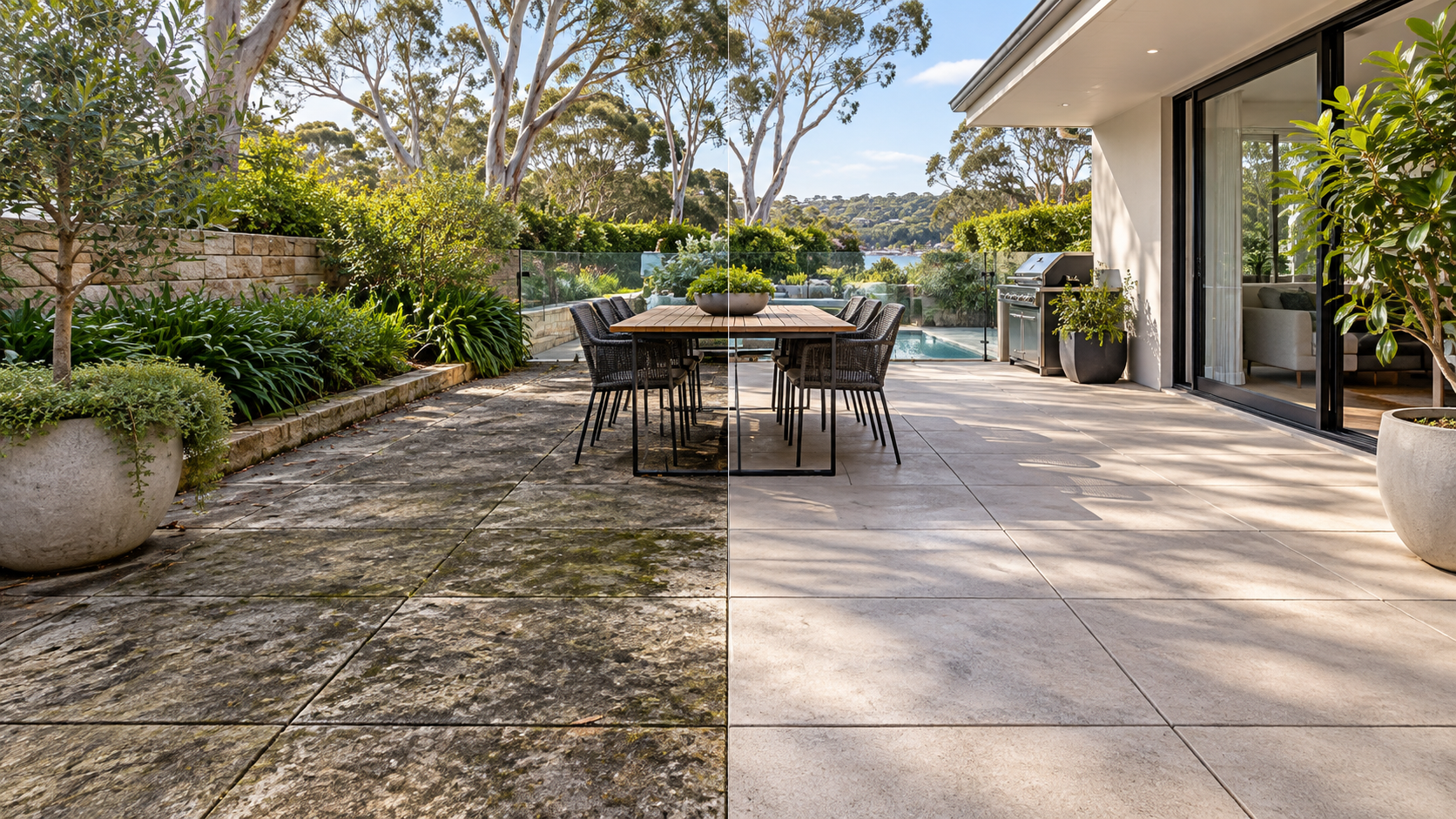
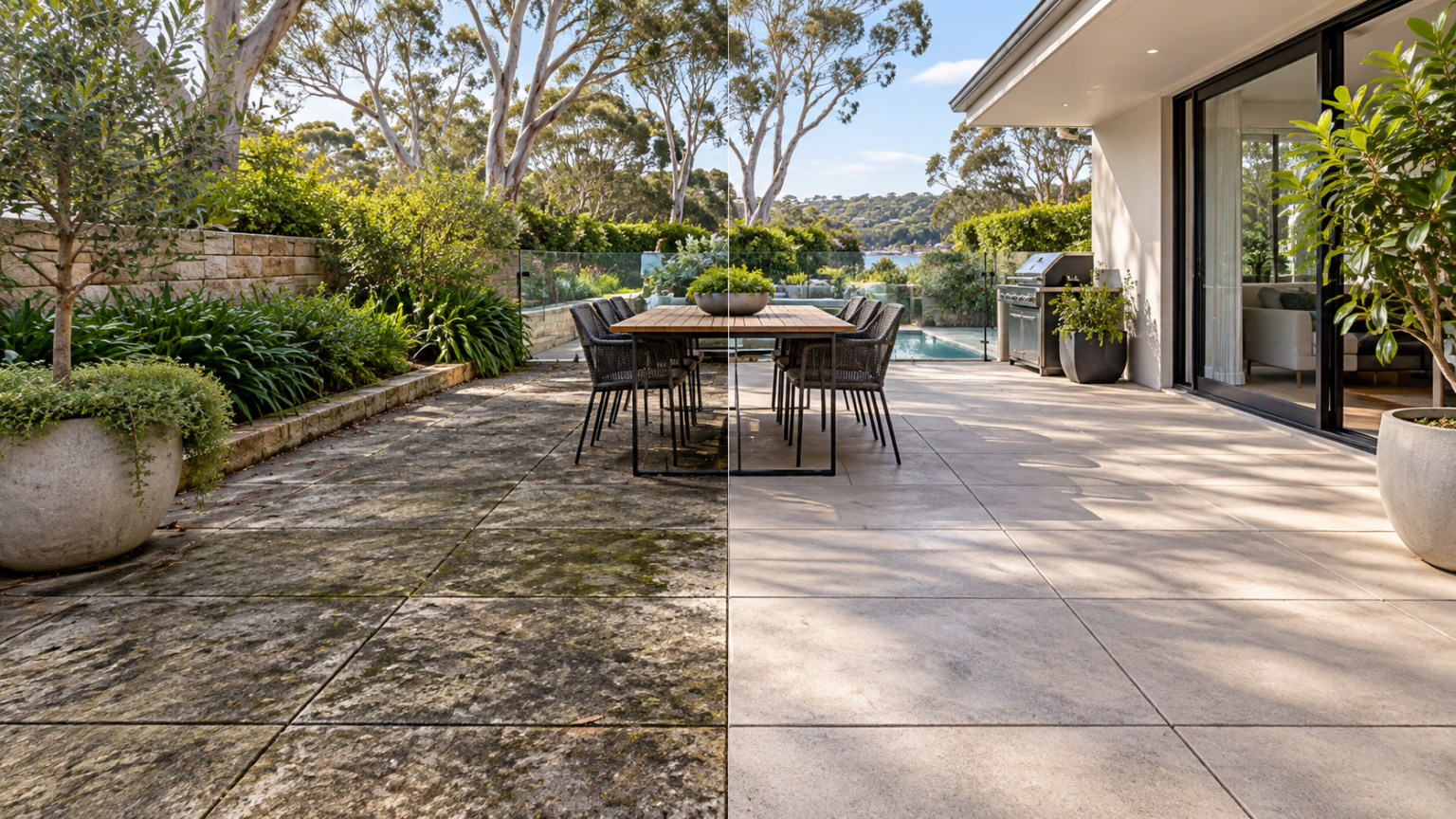
Outdoor surfaces face constant exposure to dirt, rain, sunlight, pollution, and everyday foot traffic. Over time, driveways, patios, pathways, walls, and commercial building exteriors can develop stains, discoloration, and slippery organic buildup.
Keeping these surfaces clean contributes to the overall appearance and maintenance of a property.
For homeowners and property managers researching a high-pressure cleaning service in Sydney, understanding the available cleaning methods, surface limitations, costs, and safety considerations is essential.
Professional pressure cleaning uses controlled water pressure to remove suitable types of surface contamination. Depending on the materials and condition, contractors may use pressure washing, low-pressure cleaning, specialized surface equipment, or a combination of methods.
Sydney properties present different challenges, including coastal salt exposure, outdoor moisture, pollution, and weathering of concrete, brick, stone, and rendered surfaces.
However, stronger water pressure does not automatically produce better cleaning results. Excessive force can damage paint, mortar, timber, and delicate masonry.
American homeowners may recognize similar services as pressure washing or power washing, although the terms can describe different equipment and techniques.
This guide explains how professional high-pressure cleaning works, which areas can benefit, what affects pricing, and how to choose a suitable contractor for residential or commercial property maintenance.
What Is High-Pressure Cleaning?
High-pressure cleaning is a method of removing dirt, grime, and selected surface deposits using pressurized water.
A typical system includes a motor-driven pump, hoses, control equipment, and a nozzle that directs water onto the surface.
Professional contractors select suitable equipment and cleaning techniques based on the material, contamination, and surrounding environment.
High-pressure water cleaning may be appropriate for durable materials such as certain concrete surfaces, but it is not suitable for everything.
Pressure Washing vs. Soft Washing
Pressure washing relies on pressurized water for mechanical cleaning.
Soft washing uses much lower pressure, often combined with compatible cleaning products and controlled application methods.
Soft washing may be preferable for selected painted, rendered, or otherwise delicate surfaces.
Both methods require correct techniques and appropriate runoff management.
Benefits of Professional High-Pressure Cleaning
Exterior cleaning offers several practical advantages when performed safely.
Improves Property Appearance
Dirt and discoloration can make otherwise well-maintained buildings look neglected.
Removing suitable deposits can refresh visible surfaces and improve presentation.
Removes Selected Surface Contamination
Pressure cleaning may remove loose dirt, mud, and some organic deposits from compatible materials.
Stubborn stains may require specialist products or treatments.
Supports Routine Property Maintenance
Cleaning gives property owners an opportunity to identify cracks, damaged joints, deteriorating coatings, and drainage concerns.
It does not replace structural inspection or repair.
Helps Address Slippery Buildup
Organic growth can become slippery in damp conditions.
Appropriate cleaning may improve surface cleanliness, although safe traction also depends on the underlying material.
Prepares Suitable Surfaces for Coating
Some repainting and surface restoration projects require cleaning before preparation or coating.
The correct process depends on the substrate and product specifications.
6 Areas That May Benefit From Professional Pressure Cleaning
Different exterior areas require different cleaning approaches.

1. Driveways
Compatible concrete driveways can accumulate dirt, tire marks, and organic buildup. A professional assesses stains and surface condition before selecting equipment.

2. Patios and Courtyards
Outdoor entertaining areas may develop stains and weathering. Natural stone and decorative pavers require careful pressure selection to avoid damage.

Suitable masonry may benefit from controlled washing. Older mortar, loose bricks, and weathered surfaces require special attention.

4. Residential Building Exteriors
Walls and exterior finishes may require a combination of rinsing and low-pressure cleaning. Incorrect techniques can force water into building cavities.

5. Commercial Entrances
Shops, offices, and shared facilities may require scheduled cleaning to maintain presentation and address accumulated surface dirt.

6. High-Rise Building Façades
Difficult-access exterior cleaning may require rope-access specialists, elevated work platforms, additional safety planning, and methods suited to the building material.
How Professional High-Pressure Cleaning Works
A reliable contractor should begin with an assessment rather than immediately applying maximum water pressure.
Step 1: Inspect the Property
The cleaning team checks surface types, existing damage, drainage, nearby electrical equipment, and surrounding landscaping.
They should identify fragile finishes, loose materials, and areas needing special treatment.
Step 2: Choose Suitable Equipment
The contractor selects the appropriate nozzle, water pressure, flow rate, and cleaning method.
Different materials may require different settings, even when they are part of the same property.
Step 3: Protect Surrounding Areas
Outdoor furniture, vulnerable plants, electrical installations, doors, and windows may require protection.
The contractor should also consider where wastewater will travel.
Step 4: Clean the Approved Surfaces

Controlled Surface Cleaning
Professional cleaning relies on selecting the right technique for the surface, not simply using the strongest available water pressure.
The cleaning process should follow a planned sequence to avoid spreading debris into previously cleaned areas.
Step 5: Inspect the Results
After cleaning, the contractor checks for remaining stains, surface damage, and areas that may need additional attention.
Some permanent discoloration may remain even after proper cleaning.
Pressure Washing vs. Soft Washing: Which Is Better?
Choosing a cleaning method depends on surface durability and the type of contamination.
| Feature | High-pressure cleaning | Soft washing |
|---|---|---|
| Main technique | Mechanical water force | Low pressure and compatible cleaning solutions |
| Typical applications | Selected concrete and durable paving | Certain painted or delicate exterior finishes |
| Surface damage risk | Higher if used incorrectly | Lower mechanical force, but chemical risks remain |
| Organic deposits | May remove surface buildup | May help treat selected organic contamination |
| Professional assessment | Essential | Essential |
Neither method is universally better.
For example, weathered render may be unsuitable for aggressive pressure washing, while sound concrete might tolerate a properly controlled cleaning process.
Older buildings and unusual materials should receive particular attention.
High-Pressure Cleaning Safety Considerations
Pressurized water can cause serious injury.
Potential hazards include skin penetration, flying debris, electrical contact, unstable footing, and damaged equipment.
Safe Work Australia publishes guidance covering hazard assessment, equipment checks, operator training, personal protective equipment, and safe working procedures for high-pressure water jetting.
Safe Work Australia
Professional contractors should evaluate risks before beginning work.
Operators may need eye protection, suitable clothing, controlled work areas, and specialized equipment.
High-rise work adds hazards involving access, falling objects, and the protection of people below.
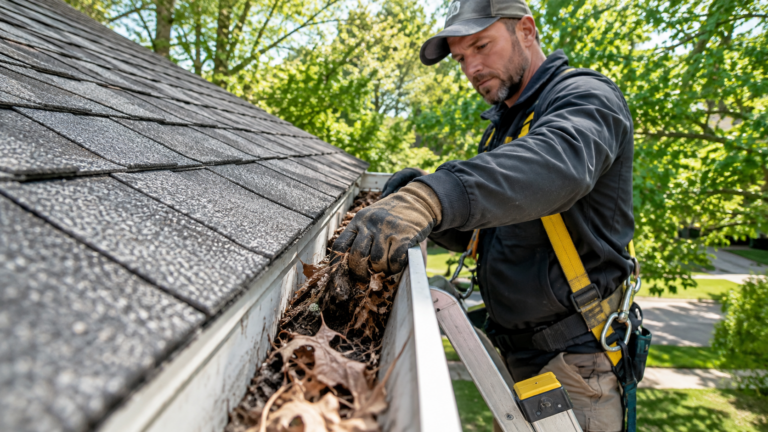
Homeowners should not attempt pressure cleaning at heights or near electrical installations without appropriate competence and safety controls.

Protective Equipment and Safe Work Practices
Proper training, suitable protective equipment, controlled work areas, and surface inspections are essential to reducing cleaning-related risks.
Sydney Water Restrictions and Environmental Responsibilities
Water-use requirements are especially important in Sydney.
Sydney Water’s Water Wise Guidelines establish rules for residents and businesses, including restrictions on using water for ordinary hard-surface cleaning.
Under the published guidelines, washing paths, driveways, concrete, and other paved areas with water is generally not permitted unless it is necessary for specified reasons such as health, safety, emergency needs, construction activity, or contamination. Different provisions apply to building washing.
sydneywater.com.au
Property owners should therefore check whether a proposed cleaning activity is permitted before scheduling the work.
Managing Cleaning Wastewater
Dirty cleaning water may contain sediment, detergents, oils, and other contaminants.
The NSW Environment Protection Authority advises that wash water should not enter stormwater drains and explains the importance of suitable collection and disposal arrangements.
EPA
Ask the contractor how wastewater will be managed, especially for commercial sites and heavily contaminated areas.
Responsible cleaning should protect nearby gardens, public pathways, and waterways.
How Much Does High-Pressure Cleaning Cost in Sydney?
The cost of exterior cleaning depends on the size, accessibility, surface condition, and complexity of the work.
A small accessible patio is different from a commercial building façade requiring specialist access arrangements.

Understanding Cleaning Quotes
Compare itemized quotations covering surface preparation, cleaning methods, access equipment, wastewater handling, and any special stain treatments.
| Pricing factor | Why it affects cost |
|---|---|
| Cleaning area | Larger surfaces generally need more work |
| Surface material | Delicate materials require different methods |
| Dirt and stains | Heavy contamination may require extra treatment |
| Access requirements | Elevated areas may need specialist equipment |
| Wastewater management | Collection and disposal can add complexity |
| Site conditions | Obstacles and restricted access affect labor |
There is no single reliable price for every Sydney property.
Request a written quotation and confirm whether the price includes taxes, materials, access equipment, and additional cleaning products.
When Should You Schedule Exterior Cleaning?
Cleaning frequency depends on the property’s location, material, exposure, and condition.
Coastal properties may experience salt deposits, while shaded outdoor areas may remain damp for longer periods.
High-traffic commercial entrances can accumulate dirt more quickly than lightly used residential patios.
Instead of following an inflexible annual schedule, inspect the surfaces periodically.
Arrange professional cleaning when suitable, permitted, and necessary.
A contractor may recommend a gentler cleaning technique or remedial repairs before washing.
Choosing a High-Pressure Cleaning Contractor in Sydney
Selecting the right contractor can help prevent unnecessary surface damage and misunderstandings about the work.
Look for experience with your specific property type and exterior materials.
Ask about insurance, safety procedures, equipment, and the handling of wastewater.
For buildings requiring rope access or elevated work, verify that the team has relevant training and uses appropriate access systems.

Professional Contractor Assessment
A useful consultation should explain the proposed cleaning method, surface limitations, safety arrangements, and expected results.
Review recent project examples where available and request a clear scope of work.
Avoid contractors who promise that every stain will disappear or claim that all surfaces can tolerate the same pressure.
Exploring Next Level Painting’s Exterior Cleaning Services
Property managers interested in a high-pressure cleaning service in Sydney can explore Next Level Painting.
The company’s accessible Sydney service information identifies high-pressure cleaning among its rope-access and building maintenance services.
It also lists high-rise painting, concrete repairs, façade-related work, caulking, and height-safety services.
Next Level Painting describes working with strata managers, commercial property owners, builders, remedial contractors, and facilities managers across Sydney and other Australian service areas.
Rope Access Services Sydney
Its published information emphasizes difficult-access exterior work and practical methods intended to minimize disruption.
The specific high-pressure cleaning service page could not be retrieved during research. Therefore, precise equipment specifications, cleaning packages, prices, and guarantees should be confirmed directly with the company.
Common Mistakes to Avoid With Pressure Cleaning
One common mistake is assuming higher pressure automatically means better cleaning.
Excessive force may damage paint, loosen mortar, or mark softer stone.
Another mistake is ignoring nearby electrical equipment or allowing contaminated runoff to reach stormwater drains.
Some property owners also choose cleaning methods without investigating the underlying surface.
For example, pressure washing may not be the correct approach when paint is failing or moisture damage is already present.
Finally, booking a contractor without discussing water restrictions or waste management may create avoidable compliance problems.
A careful assessment helps determine whether cleaning is appropriate and how it should be performed.
Frequently Asked Questions About High-Pressure Cleaning in Sydney
What is a high-pressure cleaning service?
It is a professional service that uses pressurized water and suitable cleaning equipment to remove certain types of dirt and surface contamination from compatible materials.
How much does high-pressure cleaning cost in Sydney?
Costs depend on surface size, material, condition, accessibility, and equipment requirements. Request a property-specific quotation from a qualified contractor.
Can pressure washing damage concrete?
Yes. Excessive pressure or incorrect techniques can damage or mark concrete surfaces, particularly where the material is already deteriorating.
Is high-pressure cleaning suitable for sandstone?
Some sandstone surfaces require low-pressure or specialist cleaning methods. The correct approach depends on the stone’s condition and characteristics.
How often should outdoor surfaces be cleaned?
There is no universal schedule. Cleaning requirements depend on dirt buildup, weather exposure, surface condition, and applicable water-use rules.
Are professional pressure cleaning services environmentally friendly?
Environmental performance depends on water consumption, cleaning products, and wastewater management. A responsible contractor should explain how runoff and contaminants are controlled.
Can high-rise buildings receive pressure cleaning?
Certain high-rise surfaces can be cleaned using suitable methods and specialist access equipment. Professional assessment and safety planning are essential.
Does Next Level Painting provide exterior cleaning in Sydney?
Its Sydney service information lists high-pressure cleaning and other building maintenance services. Confirm current availability, service scope, and quotation details directly with the company.
Conclusion
Choosing a reliable high-pressure cleaning service in Sydney can help property owners maintain suitable outdoor surfaces, improve building presentation, and address accumulated dirt and surface contamination.
However, successful cleaning depends on selecting the correct method for each material.
Concrete, brick, sandstone, painted walls, and commercial façades may require different equipment and techniques.
Safety is equally important. Professional contractors should assess hazards, protect surrounding areas, and manage wastewater appropriately.
Sydney’s water-use guidelines also mean that not every routine outdoor washing activity is permitted.
Before scheduling cleaning, compare experienced contractors, request a detailed quotation, and confirm that the proposed work complies with applicable requirements.
Businesses such as Next Level Painting provide exterior maintenance and difficult-access services that property managers may wish to investigate.
With careful planning and appropriate professional advice, exterior cleaning can remain a useful part of responsible residential and commercial property maintenance.

Written by Twastia Editorial Team
Twastia Editorial Team shares practical insights about website design, SEO services, Google Ads, content marketing, social media, conversion rate optimization, and digital marketing strategy.
Last updated: Oct 25, 2026
Related posts from Twastia
Explore more useful articles from twastia.com about digital marketing, SEO, websites, ads, content, and growth strategy.