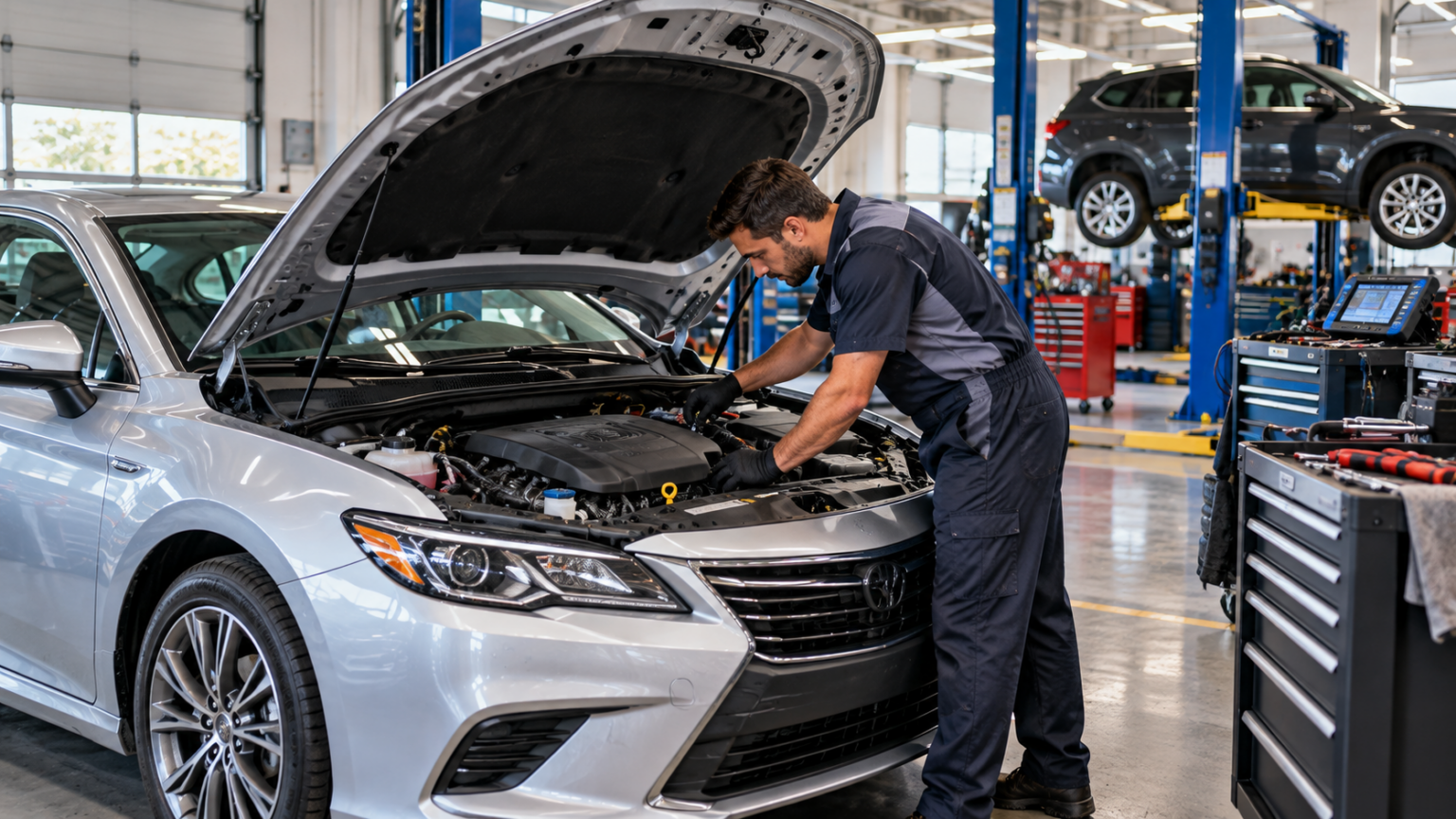
Standard Cars: Best Maintenance Tips, Features & Ownership Guide for 2026
Owning a car offers convenience, independence, and flexibility. Whether you drive to work, take children to school, or enjoy weekend […]
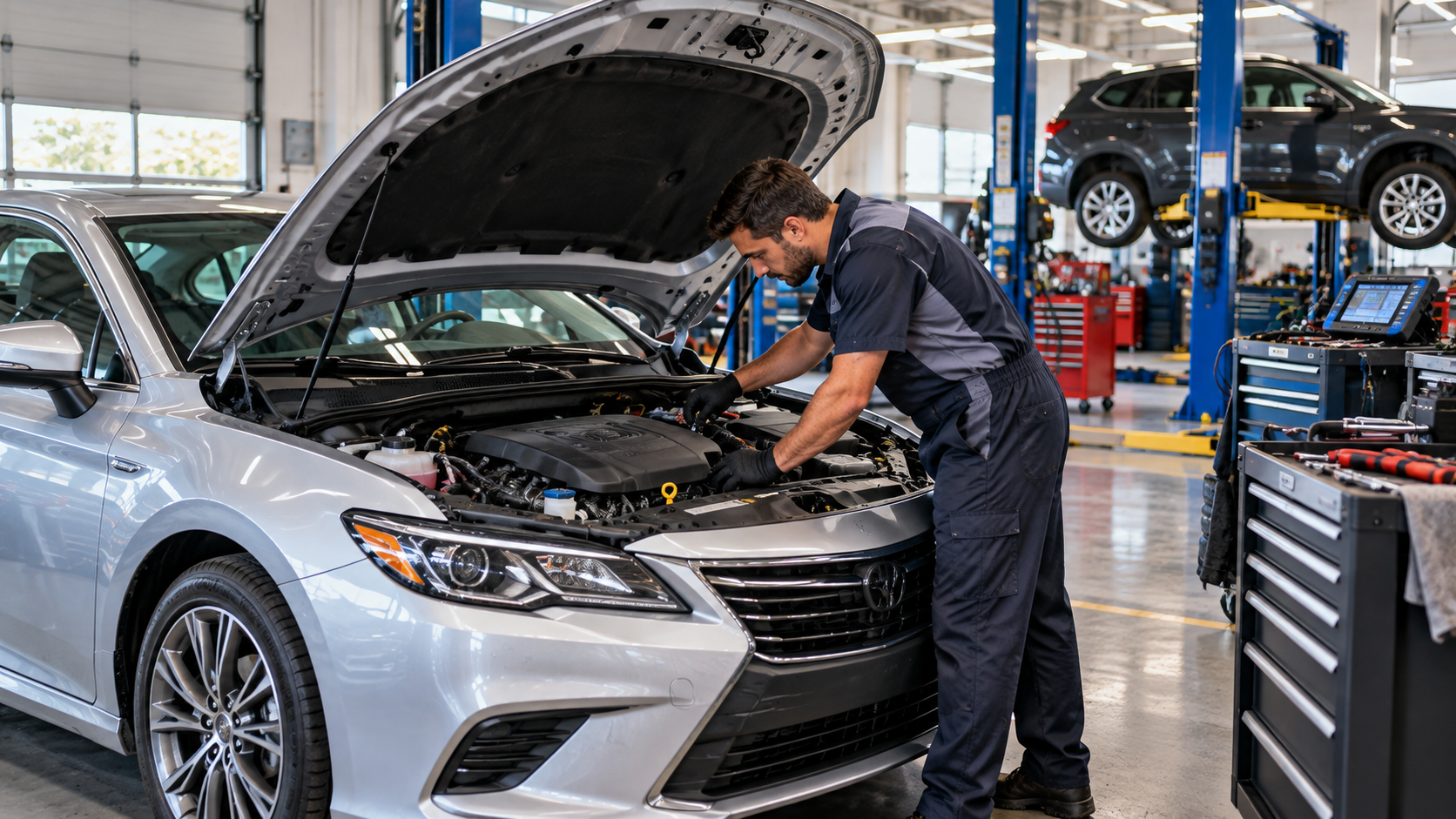
Owning a car offers convenience, independence, and flexibility. Whether you drive to work, take children to school, or enjoy weekend road trips, keeping your vehicle in good condition is essential for safe and dependable transportation.
Standard cars remain an important part of everyday driving in the United States. The term can refer to ordinary passenger vehicles, although many American drivers also use standard transmission to describe vehicles equipped with a manual gearbox.
Regardless of transmission type, every car requires regular inspections, appropriate maintenance, and timely repairs.
Unfortunately, some drivers focus on oil changes while overlooking equally important components such as tires, brakes, batteries, filters, and cooling systems.
These neglected areas can affect vehicle performance, reliability, and safety.
According to Consumer Reports’ updated 2026 car maintenance guide, routine care is one of the most effective ways to help vehicles last longer and avoid unnecessary repairs.
Consumer Reports
This guide explains what standard cars are, how manual and automatic transmissions differ, which maintenance procedures owners should prioritize, and how to establish a practical vehicle care routine.
Whether you own a compact sedan, family car, or older manual-transmission vehicle, understanding basic maintenance can help you make more informed ownership decisions.
What Are Standard Cars?
The phrase standard cars can have different meanings depending on the context.
In everyday conversation, it may describe ordinary passenger vehicles used for commuting, shopping, and family transportation.
However, in American automotive terminology, a standard transmission usually means a manual transmission.
Standard Transmission Cars
A standard transmission car requires the driver to change gears manually.
The vehicle generally has a clutch pedal and a gear selector, allowing the driver to control gear changes.
Automatic Transmission Cars
Automatic vehicles change gears without requiring the driver to operate a clutch pedal.
They are generally convenient for everyday commuting, particularly in heavy traffic.
Edmunds identifies manual transmissions as systems where drivers select gears using a gear selector and clutch, while traditional automatic transmissions handle shifting automatically.
Edmunds Help Center
The appropriate maintenance requirements depend on the vehicle’s specific design, engine, transmission, and manufacturer’s recommendations.
Standard Cars vs. Automatic Cars: Key Differences
Understanding the distinction between manual and automatic vehicles can help owners recognize their maintenance needs.
| Feature | Standard/manual car | Automatic car |
|---|---|---|
| Gear selection | Driver-controlled | Generally automatic |
| Clutch pedal | Usually present | Not normally present |
| Learning process | Requires clutch and shifting practice | Usually simpler initially |
| Traffic convenience | More driver involvement | Less shifting effort |
| Transmission maintenance | Manual gearbox and clutch components | Automatic transmission system |
| Driving experience | Greater direct control over shifting | Convenient everyday operation |
Neither transmission type is universally better.
Driving preferences, vehicle availability, traffic conditions, maintenance costs, and intended use influence the decision.
8 Essential Maintenance Procedures for Standard Cars
Regular vehicle maintenance involves more than replacing engine oil.
The following tasks help drivers identify developing problems and maintain important vehicle systems.

1. Engine Oil and Filter Maintenance
Engine oil lubricates moving components and helps manage heat and wear. Follow the manufacturer’s oil specification and service interval rather than assuming one schedule suits every engine.

2. Tire Pressure and Tread Inspection
Check tire pressure, tread depth, and visible damage regularly. Incorrect inflation can affect handling, tire life, and fuel efficiency.

3. Brake System Inspection
Brakes are essential safety equipment. Unusual noises, vibrations, changes in pedal feel, or reduced stopping performance require prompt professional attention.

4. Battery and Electrical Checks
Weak batteries can cause starting difficulties. Testing battery condition and inspecting connections may help identify developing problems.
5. Cooling System Maintenance
The cooling system helps regulate engine temperature. Inspect accessible coolant levels when the engine is cold and seek professional help for leaks or overheating.

6. Engine and Cabin Air Filters
Engine filters help protect the intake system from debris. Cabin filters help remove certain airborne particles from incoming ventilation air.

7. Windshield Wipers and Lighting
Clear visibility matters in rain, snow, and darkness. Inspect wipers, headlights, turn signals, and brake lights regularly.

8. Steering and Suspension
Worn components can affect handling and tire wear. Unusual pulling, bouncing, vibrations, or steering noises should be investigated.
AAA identifies brake fluid, batteries, transmission fluid, tires, and coolant among maintenance items frequently overlooked by vehicle owners.
AAA Newsroom
Why Routine Car Maintenance Is Important
Preventive maintenance helps identify small issues before they become more serious.
A low tire, worn brake component, or coolant leak may initially appear minor but can create safety or reliability concerns if ignored.
Better Road Safety
Properly functioning tires, brakes, steering, lights, and windshield wipers contribute to safer driving.
More Reliable Transportation
Routine inspections can reveal worn components and developing mechanical problems.
More Predictable Ownership Expenses
Scheduled maintenance can help reduce unexpected repair surprises, although it cannot prevent every breakdown.
Better Resale Preparation
A documented service history may help demonstrate that a vehicle received appropriate maintenance.
Condition, mileage, accident history, and market demand also influence resale value.
How Often Should You Service Standard Cars?
Maintenance intervals vary considerably between vehicles.
A newer hybrid, an older manual sedan, and a high-mileage family car may require different procedures.
The manufacturer’s maintenance schedule should always take priority over general recommendations.
| Maintenance task | General guidance |
|---|---|
| Tire pressure | Check monthly and before long trips |
| Engine oil | Follow the owner’s manual or oil-life monitor |
| Brake inspection | Follow scheduled service and respond to symptoms |
| Battery | Test when recommended, especially with age or starting concerns |
| Tire rotation | Follow vehicle-specific guidance |
| Air filters | Inspect according to service schedule and conditions |
| Coolant | Follow manufacturer specification and replacement interval |
| Lights and wipers | Inspect regularly and replace when defective |
NHTSA recommends checking tire pressure at least monthly when tires are cold and using the pressure shown on the vehicle’s placard, not the maximum pressure printed on the tire.
NHTSA
AAA also recommends following vehicle-specific maintenance intervals instead of assuming that a universal schedule applies to all cars.
AAA Club Alliance
Special Maintenance Tips for Manual Transmission Cars
Manual-transmission vehicles have several maintenance considerations that differ from those of automatics.
Inspect Clutch Performance
A worn clutch may cause slipping, difficulty engaging gears, or unusual changes in pedal feel.
These symptoms should be evaluated by a qualified technician.
Follow Gearbox Fluid Requirements
Manual transmissions use specified lubricants to protect their internal components.
The correct type and replacement interval depend on the vehicle.
Never substitute transmission fluid without confirming manufacturer compatibility.
Avoid Unnecessary Clutch Wear
Drivers should avoid resting a foot on the clutch pedal while driving.
Using the clutch to hold a vehicle stationary on a hill can also increase wear.
Pay Attention to Gear Changes
Grinding, unusual noises, or difficulty shifting may indicate a mechanical or hydraulic issue.
Early diagnosis may prevent further component damage.

Manual Transmission Care
Proper clutch technique, suitable gearbox lubrication, and attention to changing shift quality help maintain the driving experience of a standard-transmission car.
Seasonal Maintenance for American Drivers
Weather conditions influence vehicle care.
Drivers in northern states face freezing temperatures, road salt, and snow, while motorists in hotter regions must consider high temperatures and air-conditioning performance.
Summer Vehicle Maintenance
Check tire condition, cooling performance, battery health, and air-conditioning operation.
Heat can increase stress on certain vehicle components.
Winter Vehicle Maintenance
Inspect tires, battery performance, windshield washer fluid, wipers, and exterior lighting.
Choose tires appropriate for local winter conditions.

Winter Car Preparation
Cold temperatures can reduce tire pressure and expose weak batteries. Inspect the vehicle before severe weather and long winter drives.
The National Highway Traffic Safety Administration publishes seasonal driving guidance covering tires, batteries, fluids, and emergency preparation.
NHTSA
How to Choose Reliable Replacement Auto Parts
Replacing worn components is part of maintaining older or heavily used cars.
Vehicle owners may encounter original equipment manufacturer (OEM) parts, aftermarket replacement parts, and used components.
Each option has advantages and limitations.
OEM Parts
OEM components are made by or for the original vehicle manufacturer.
They are intended to match specified original vehicle applications.
Aftermarket Parts
Aftermarket components come from independent manufacturers.
Quality and compatibility vary, so selecting parts from reputable suppliers is important.
Used or Reconditioned Parts
Used parts may be appropriate for selected repairs, but their condition, compatibility, and warranty require careful review.
Safety-critical components deserve particular attention.

Choosing Replacement Components
Compare product specifications, fitment, warranty, and supplier reliability rather than selecting parts solely because they have the lowest price.
Learning About Car Care From Hi Tech Auto Parts
Vehicle owners looking for additional automotive maintenance information can explore car care procedures that are often overlooked from Hi Tech Auto Parts.
The supplied article URL was unavailable during research, so its exact recommendations could not be independently reviewed.
However, the company’s current website provides other automotive resources discussing replacement parts, restoration, and component selection.
Hi Tech Auto Parts World is a New Zealand-based supplier specializing in Chrysler, Jeep, and Dodge components, including OEM, aftermarket, and selected used parts.
hitechautoparts.co.nz
Its accessible article about OEM and aftermarket parts explains why customers should evaluate compatibility and quality when selecting replacement components.
What’s The Difference?
For American drivers, the broader lesson is to research parts carefully, confirm compatibility using the vehicle identification number when appropriate, and choose reputable suppliers.
DIY Maintenance vs. Professional Servicing
Many vehicle owners can perform basic visual checks without specialized automotive training.
However, repairs involving brakes, steering, suspension, high-voltage systems, or complex diagnostics may require professional expertise.
| DIY-friendly inspections | Usually professional tasks |
|---|---|
| Checking tire pressure | Brake system repairs |
| Inspecting exterior lights | Suspension replacement |
| Monitoring washer fluid | Major transmission repairs |
| Looking for visible tire damage | Complex electrical diagnosis |
| Reviewing maintenance records | Air-conditioning refrigerant service |
Avoid working beneath an unsupported vehicle or opening a hot cooling system.
If a repair requires tools or knowledge you do not have, seek qualified assistance.
Common Car Maintenance Mistakes to Avoid
One common mistake is ignoring dashboard warning lights.
Another is postponing necessary repairs because the car still seems drivable.
Drivers may also install incorrect replacement parts, overinflate tires, or overlook manufacturer-specific fluid requirements.
Skipping maintenance records makes it difficult to determine which services have already been completed.
Additionally, relying on generic internet advice without checking the owner’s manual can lead to unnecessary service or missed maintenance.

Keep a Vehicle Maintenance Record
Record service dates, mileage, completed repairs, and replacement parts. Organized records help owners plan future maintenance and explain vehicle history.
A responsible maintenance routine combines regular inspections, appropriate professional repairs, and attention to changes in vehicle performance.
Frequently Asked Questions About Standard Cars
What are standard cars?
The term can refer to ordinary passenger vehicles. In American automotive language, a standard-transmission car usually means a vehicle with a manual gearbox.
Are standard cars better than automatic cars?
Neither is universally better. Manual transmissions offer direct gear control, while automatics generally provide easier operation in heavy traffic.
Do manual cars require more maintenance?
Both transmission types need maintenance. Manual cars have clutch components and gearbox requirements, while automatic transmissions have their own servicing needs.
How often should I change engine oil?
Follow the interval in your owner’s manual or vehicle oil-life monitoring system. Requirements vary according to engine design, oil specification, and driving conditions.
How often should I check tire pressure?
NHTSA recommends checking tire pressure at least once a month and before long trips, using the manufacturer’s recommended cold tire pressure.
What are the most overlooked car maintenance tasks?
Drivers sometimes neglect brake fluid, battery testing, transmission fluid, tire condition, and coolant maintenance.
Can I maintain my car without visiting a mechanic?
You can perform many basic inspections yourself, but complex or safety-critical repairs should be handled by qualified professionals.
How can I make my standard car last longer?
Follow the manufacturer’s maintenance schedule, address warning signs promptly, keep tires properly inflated, choose compatible replacement parts, and maintain service records.
Conclusion
Standard cars remain important for everyday transportation, whether the term refers to regular passenger vehicles or cars equipped with manual transmissions.
Regardless of vehicle type, proper maintenance plays a major role in reliability, safety, and long-term ownership costs.
Essential tasks include inspecting tires, monitoring fluids, maintaining brakes, checking batteries, replacing worn filters, and responding to unusual driving symptoms.
Manual-transmission owners should also pay attention to clutch operation and gearbox lubrication.
By following manufacturer recommendations, keeping accurate service records, and choosing suitable replacement components, American drivers can make better maintenance decisions.
A well-maintained car is not guaranteed to avoid every mechanical problem, but consistent preventive care can help reduce unnecessary risks and keep everyday transportation more dependable.

Written by Twastia Editorial Team
Twastia Editorial Team shares practical insights about website design, SEO services, Google Ads, content marketing, social media, conversion rate optimization, and digital marketing strategy.
Last updated: Oct 25, 2026
Related posts from Twastia
Explore more useful articles from twastia.com about digital marketing, SEO, websites, ads, content, and growth strategy.