Prevent Causing Damage to Your Roof: Best Maintenance Tips for Homeowners
Your roof is one of the most important parts of your home. It protects your family, belongings, and interior spaces […]
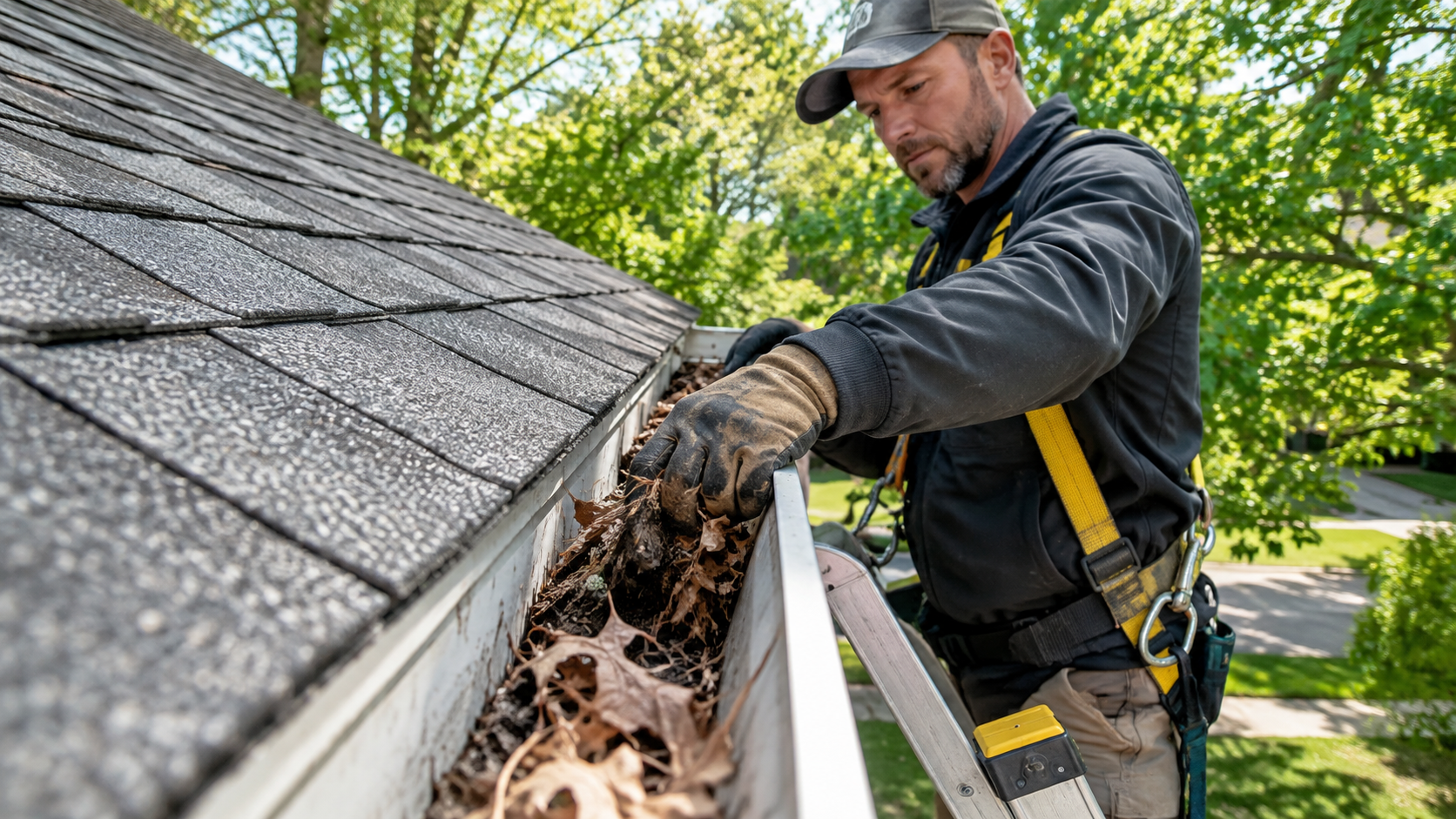
Your roof is one of the most important parts of your home. It protects your family, belongings, and interior spaces from rain, snow, wind, extreme temperatures, and other outdoor conditions. However, everyday neglect, improper maintenance, and harsh weather can gradually weaken roofing materials and create expensive problems.
Learning how to prevent causing damage to your roof can help you avoid unexpected repairs, reduce moisture-related problems, and extend the useful life of your roofing system. Many roofing issues begin with small warning signs, including loose shingles, clogged gutters, damaged flashing, or poor attic ventilation.
Fortunately, protecting your roof does not always require major improvements. Regular inspections, responsible cleaning, timely repairs, and professional maintenance can make a significant difference.
This guide explains the most common causes of roof damage, practical prevention methods, seasonal maintenance recommendations, and warning signs homeowners should never ignore.
Why Preventing Roof Damage Is Important
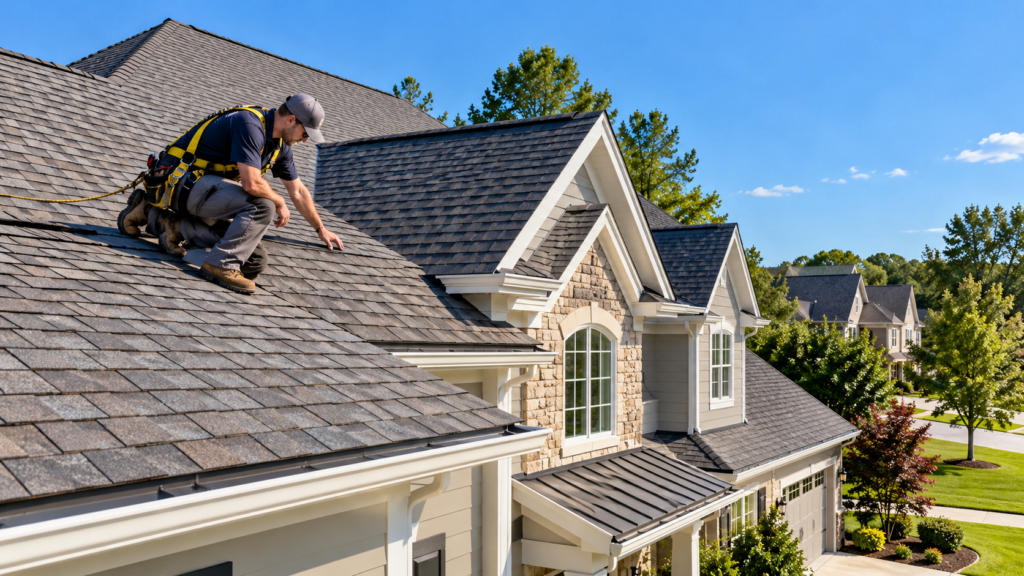
Your roof serves as the primary barrier between your home and outdoor weather conditions. When roofing materials deteriorate, moisture can reach the roof deck, insulation, attic, ceilings, and interior walls.
A small leak can eventually lead to damaged drywall, mold growth, rotting wood, and expensive structural repairs.
Taking preventive steps to protect your roof offers several advantages.
- Reduces the likelihood of unexpected roof leaks.
- Helps roofing materials reach their expected service life.
- Protects insulation, ceilings, and attic components.
- Reduces avoidable repair expenses.
- Maintains your home’s appearance and overall condition.
- Helps identify potential problems before they become serious.
Homeowners who understand how to prevent causing damage to your roof can also make better decisions about inspections, maintenance, and repairs.
Common Causes of Roof Damage Every Homeowner Should Know
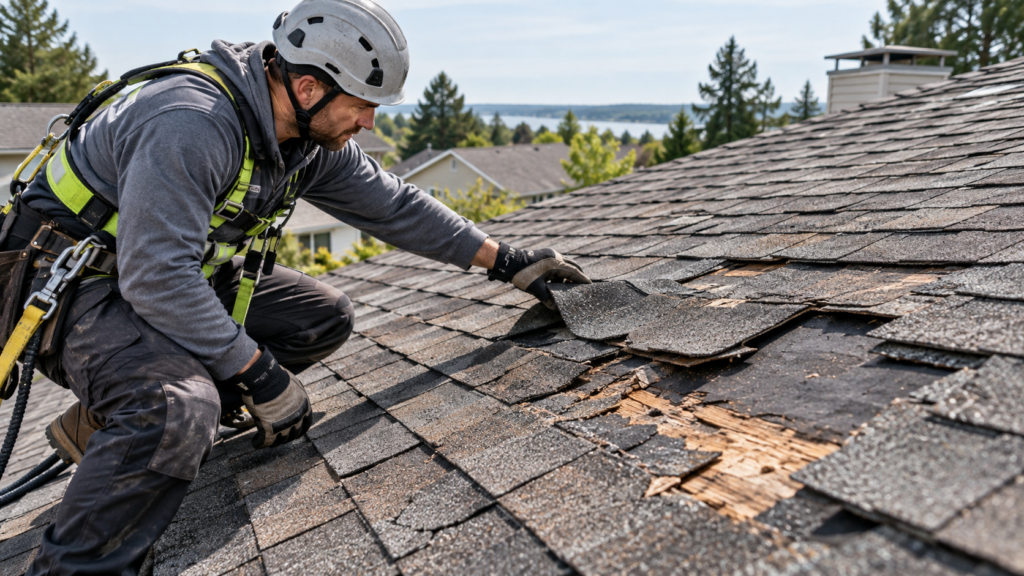
Roof damage can develop for several reasons. Some problems are caused by severe weather, while others result from improper installation or neglected maintenance.
Understanding these risks is the first step toward effective prevention.
Severe Weather and Storm Damage
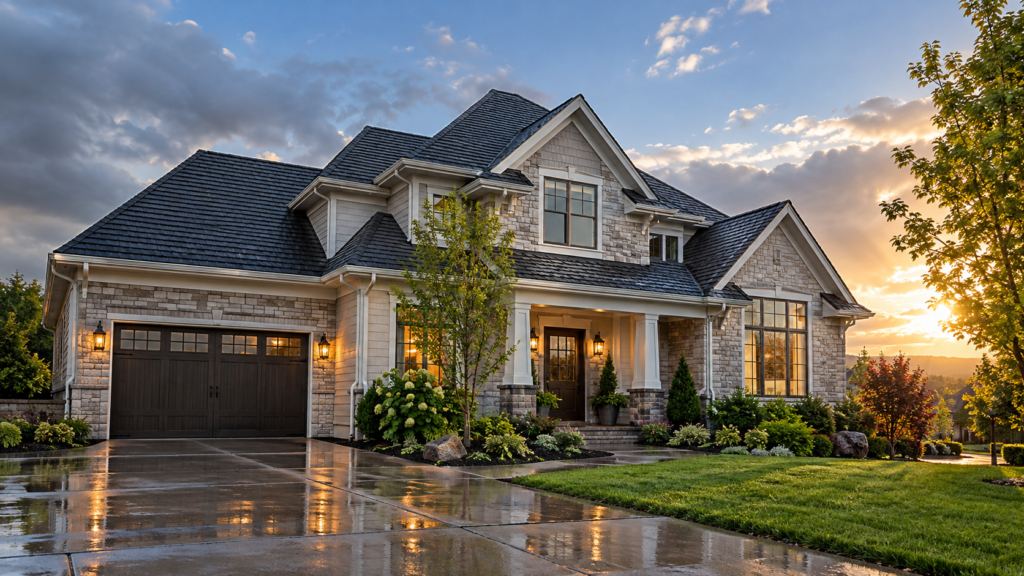
Strong winds, hailstorms, heavy rainfall, and falling branches can damage residential roofing materials.
Wind may loosen shingles or lift their edges, allowing water to enter beneath the roofing surface. Hail can bruise or fracture shingles, depending on its size and the roof’s condition.
Homeowners in storm-prone areas, including Oklahoma, should pay particular attention to roof conditions following severe weather events.
Clogged Gutters and Poor Drainage
Gutters direct rainwater away from your roof and foundation.
When leaves, dirt, and other debris accumulate, water may overflow or back up beneath vulnerable roofing edges.
Over time, persistent moisture can damage fascia boards, roof decking, and nearby exterior materials.
Keeping drainage systems clear is a simple way to prevent causing damage to your roof.
Overhanging Trees and Falling Branches
Trees can improve your property’s appearance and provide natural shade. However, branches extending directly over roofing surfaces may create maintenance problems.
During strong winds, branches can scrape shingles or break and fall onto the roof.
Leaves and twigs may also collect in gutters and roof valleys, restricting proper water drainage.
Aging Roofing Materials
All roofing systems experience gradual wear.
Asphalt shingles may become brittle, crack, curl, or lose protective granules as they age.
Metal roofing components can develop problems around fasteners, seams, or protective coatings.
Routine inspections help homeowners understand when maintenance or replacement may be necessary.
10 Best Ways to Prevent Causing Damage to Your Roof
Effective roof protection begins with consistent maintenance and responsible homeownership.
The following strategies can reduce preventable roofing problems and help maintain your roof’s performance.
1. Schedule Regular Roof Inspections
Professional roof inspections can identify problems that may not be visible from the ground.
A qualified contractor can assess shingles, flashing, roof penetrations, ventilation components, and other areas vulnerable to moisture intrusion.
The National Roofing Contractors Association recommends inspecting residential roof systems at least twice annually, preferably during spring and fall, with additional checks following severe weather.
nrca.net
Regular inspections are one of the most reliable ways to prevent causing damage to your roof before minor problems become major repairs.
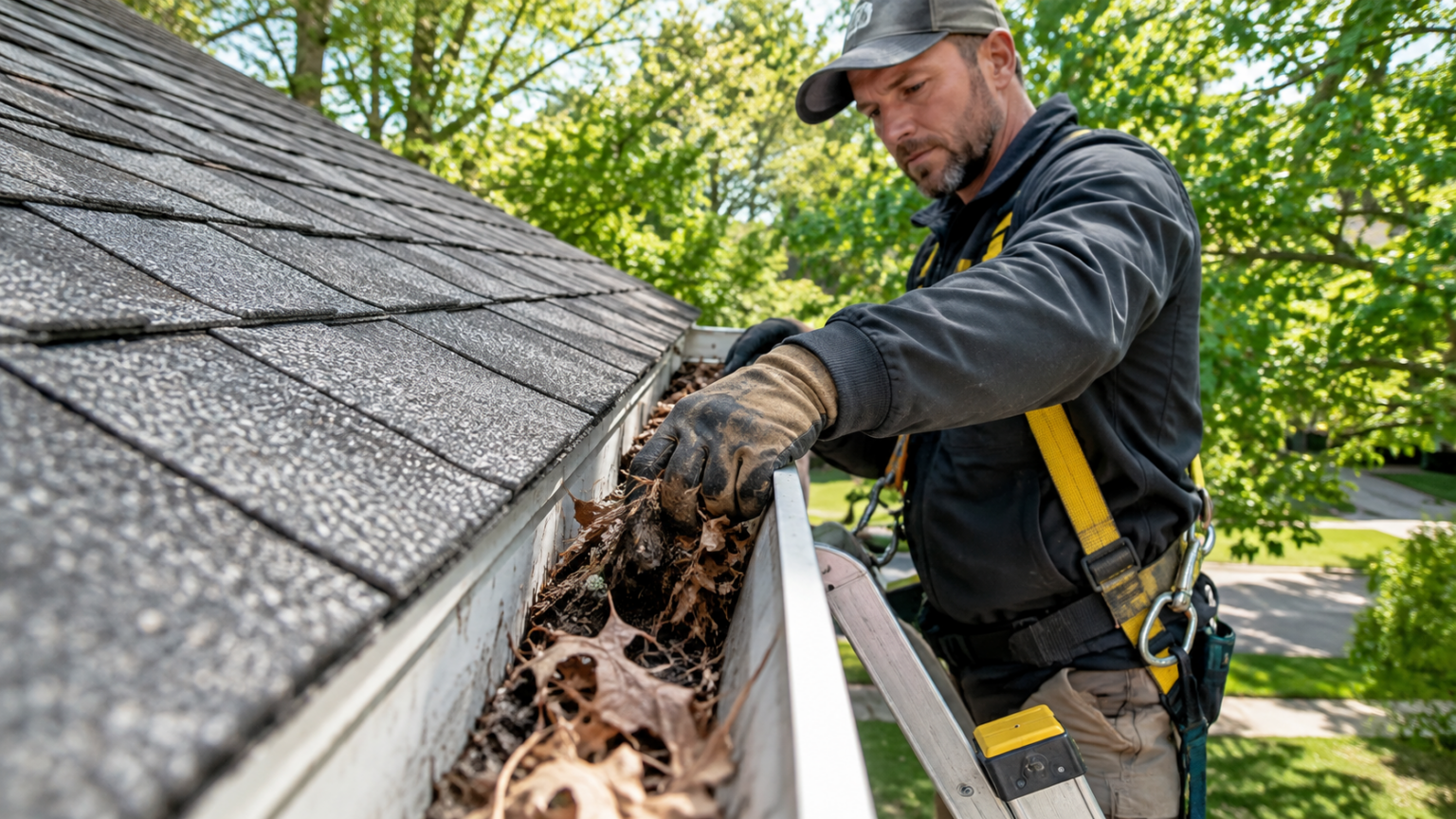
2. Keep Your Gutters Clean
Blocked gutters can create water overflow and drainage problems.
Leaves, dirt, pine needles, and small branches should be removed regularly to maintain proper water movement.
Pay additional attention during autumn or after major storms.
Consider professional gutter cleaning when your home has multiple stories, steep roofing sections, or difficult-to-reach drainage areas.
Proper gutter maintenance protects both your roofing system and the surrounding exterior structure.
3. Trim Trees Near Your Roof
Overhanging branches create unnecessary risks, particularly during thunderstorms and high winds.
Maintain appropriate clearance between nearby trees and roofing surfaces.
Have dead, damaged, or unstable branches removed by a qualified tree professional.
Avoid attempting to cut large branches directly above your home without proper equipment and experience.
Maintaining nearby trees helps prevent causing damage to your roof from falling limbs and accumulated debris.
4. Repair Damaged Shingles Promptly
Missing, cracked, loose, or curling shingles should never be ignored.
Damaged shingles can expose vulnerable roofing layers to rainwater and wind.
Even a small compromised area may eventually produce leaks if left untreated.
A professional roofing contractor can determine whether individual shingles require replacement or whether more extensive repairs are necessary.
Prompt repairs may help preserve surrounding roofing materials.
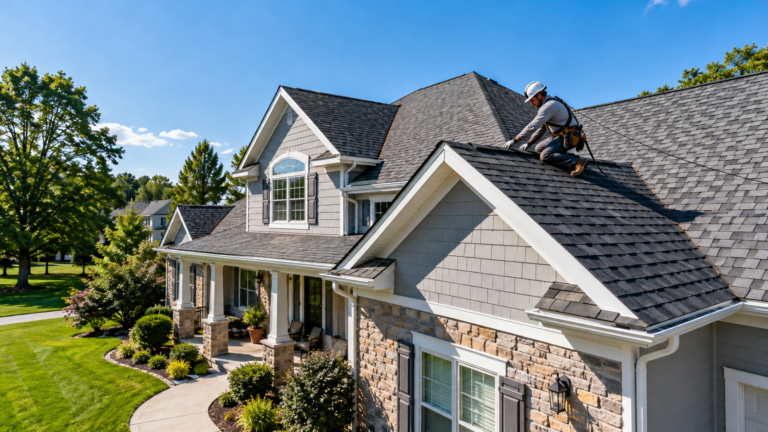
5. Avoid Walking on Your Roof
Walking directly on residential roofing materials can damage shingles, dislodge protective granules, or crack fragile components.
Foot traffic also creates a serious risk of personal injury.
The National Roofing Contractors Association advises homeowners without appropriate experience and safety equipment to avoid accessing or walking on roofs.
National Roofing Contractors Association
Whenever possible, perform visual inspections from ground level and hire trained professionals for elevated work.
This precaution helps prevent causing damage to your roof while reducing avoidable safety risks.
6. Maintain Proper Attic Ventilation
Attic ventilation plays an important role in controlling excessive heat and moisture.
Poor ventilation may contribute to condensation, damp insulation, and deterioration of wooden roof components.
Check that existing intake and exhaust vents are not blocked by insulation or debris.
However, ventilation requirements vary by roof design and climate. Some homes use conditioned or unvented attic systems.
A roofing or building professional can recommend the appropriate solution for your home.
7. Inspect Roof Flashing and Seals
Flashing is installed around chimneys, skylights, vents, and other roof openings to help direct water away from vulnerable joints.
Loose, corroded, or improperly installed flashing can allow water to penetrate the roofing system.
Check for visible deterioration, displaced metal, or moisture stains near roof penetrations.
Because flashing repairs require appropriate materials and installation methods, professional assistance is generally recommended.
8. Remove Roof Debris Safely
Leaves, branches, and other debris may accumulate in roof valleys and drainage channels.
These materials can retain moisture and interfere with normal rainwater movement.
Avoid scraping roofing surfaces with sharp tools or using aggressive cleaning methods that may damage protective coatings.
Professional roof cleaning is especially useful for steep roofs or delicate roofing materials.
Removing accumulated debris helps prevent causing damage to your roof and supports proper drainage.
9. Avoid Pressure Washing Roofing Materials
High-pressure water can loosen shingles, remove protective granules, damage seals, or force moisture beneath roofing materials.
Roof cleaning techniques should always match the specific roofing product and manufacturer recommendations.
For moss, algae, or staining, consult a roofing professional about suitable cleaning solutions.
Avoid harsh chemicals and abrasive tools unless their use is specifically approved for your roofing system.
10. Hire Qualified Roofing Contractors
Roof repairs and installation work require specialized knowledge.
Improperly installed shingles, flashing, underlayment, or fasteners may create water intrusion problems.
Choose contractors with appropriate licensing where required, insurance, relevant experience, and clear written estimates.
Homeowners in Oklahoma City can explore professional residential roofing services from Salazar Roofing for inspections, storm damage assessments, roof repairs, and replacement options.
Salazar Roofing
Working with qualified professionals can help prevent causing damage to your roof through incorrect repairs or unsuitable installation methods.
How to Protect Your Roof From Severe Weather
Severe weather can damage even well-maintained roofing systems.
Although no roof is completely immune to storms, preventive preparation can reduce unnecessary risks.
Before a Storm
Check accessible drainage areas, secure loose outdoor objects, and arrange removal of hazardous tree branches.
Inspect visible roofing components for existing damage and schedule necessary repairs before severe weather arrives.
Avoid climbing onto a roof when strong winds or thunderstorms are expected.
After a Storm
Inspect your home from a safe location.
Look for missing shingles, fallen branches, displaced flashing, damaged gutters, or visible debris.
Inside your home, check ceilings and attic spaces for water stains or unusual moisture.
If you notice possible storm damage, schedule a professional inspection rather than attempting rooftop repairs yourself.
National Roofing Contractors Association
These precautions help prevent causing damage to your roof from worsening after severe weather.
Seasonal Roof Maintenance Checklist
Roof maintenance should change with seasonal weather patterns.
Different conditions create different roofing risks, so a consistent maintenance routine is valuable.
Spring Roof Maintenance
Spring provides an opportunity to check for winter-related deterioration.
Inspect visible shingles, clear gutters, examine drainage areas, and look for moisture damage in attic spaces.
Schedule professional repairs when necessary.
Summer Roof Maintenance
High temperatures and intense sunlight can accelerate aging in certain roofing materials.
Check attic ventilation, examine visible roof components, and watch for cracking or curling shingles.
Avoid unnecessary roof traffic during extremely hot conditions.
Fall Roof Maintenance
Falling leaves can quickly block gutters and roof valleys.
Remove accumulated debris, inspect drainage systems, and arrange professional repairs before winter.
Fall maintenance helps prevent causing damage to your roof during colder months.
Winter Roof Maintenance
In colder American climates, heavy snow accumulation and ice dams can create roofing problems.
Maintain suitable attic insulation and ventilation, and monitor signs of water intrusion.
Avoid using sharp tools to remove rooftop ice. Consult a professional for hazardous snow or ice conditions.
Warning Signs Your Roof May Already Be Damaged
Even well-maintained roofing systems can develop problems.
Recognizing early warning signs allows homeowners to arrange repairs before damage spreads.
Common indicators include:
- Missing, cracked, curling, or loose shingles.
- Water stains on ceilings or interior walls.
- Excessive roofing granules collecting in gutters.
- Damaged or separated flashing.
- Damp insulation or persistent attic moisture.
- Visible sagging or uneven roof sections.
- Recurring leaks during rainfall.
- Unusual roofing debris around the property.
Some warning signs may indicate significant damage, particularly a sagging roof structure or active water intrusion.
If you notice these conditions, avoid entering unsafe areas and arrange prompt professional assessment.
Understanding these symptoms is essential when trying to prevent causing damage to your roof from progressing.
DIY Roof Maintenance vs. Professional Roofing Services
Some maintenance activities are manageable for homeowners, while others require trained specialists.
Simple tasks may include monitoring the roof from ground level, checking interior ceilings for moisture, and keeping safely accessible drainage areas clear.
However, climbing onto steep roofs, replacing shingles, repairing flashing, and diagnosing structural problems should generally be left to qualified professionals.
Roofing work involves fall hazards, specialized installation techniques, and risks of unintentionally damaging weatherproofing components.
Professional assessments are particularly valuable following severe storms or when recurring leaks remain unexplained.
Knowing when to request assistance can prevent causing damage to your roof and avoid potentially serious injuries.
Frequently Asked Questions About Preventing Roof Damage
How often should I inspect my roof?
Residential roofs should generally receive visual inspections in spring and fall, with additional inspections after severe storms.
Homes with aging roofing materials or recurring problems may require more frequent professional evaluations.
What is the best way to prevent causing damage to your roof?
The best approach combines regular inspections, clean gutters, properly maintained trees, prompt repairs, and limited roof traffic.
Professional maintenance helps identify hidden problems and supports long-term roofing performance.
Can clogged gutters cause roof leaks?
Yes. Blocked gutters can restrict drainage and contribute to water accumulation around roof edges.
Depending on the roofing design, this may increase the risk of water intrusion and moisture-related deterioration.
Does walking on a roof damage shingles?
Walking on shingles can cause damage, especially when roofing materials are old, brittle, extremely hot, or already deteriorating.
Homeowners should avoid unnecessary rooftop access and rely on qualified professionals.
How can I protect my roof from heavy rain?
Keep gutters and downspouts clear, repair damaged shingles, maintain flashing, and monitor drainage around the home.
Regular inspections help identify vulnerable areas before prolonged rainfall.
Should I repair or replace my damaged roof?
The decision depends on the roof’s age, damage severity, roofing material, and overall condition.
Localized problems may require repairs, while widespread deterioration may justify replacement.
A professional inspection can help determine the appropriate approach.
Can regular maintenance extend the life of my roof?
Yes. Routine maintenance can help roofing materials achieve their expected service life by addressing problems before they become more severe.
However, maintenance cannot completely prevent natural aging or extreme weather damage.
Conclusion
Taking care of your roof is an important part of protecting your home and avoiding preventable repair expenses. Small maintenance activities, including cleaning gutters, trimming nearby trees, monitoring shingles, and scheduling inspections, can help preserve the condition of your roofing system.
Learning how to prevent causing damage to your roof also means recognizing when professional assistance is necessary. Avoid unsafe rooftop activities, respond promptly to leaks, and choose qualified roofing contractors for repairs and inspections.
With consistent preventive maintenance and timely attention to warning signs, homeowners can reduce avoidable roofing problems, protect their investment, and maintain a safer, more comfortable living environment.

Written by Twastia Editorial Team
Twastia Editorial Team shares practical insights about website design, SEO services, Google Ads, content marketing, social media, conversion rate optimization, and digital marketing strategy.
Last updated: Oct 24, 2026
Related posts from Twastia
Explore more useful articles from twastia.com about digital marketing, SEO, websites, ads, content, and growth strategy.