Local Metal Fabricator: Best Guide to Custom Metal Fabrication Services
Finding a reliable local metal fabricator can make a significant difference when your project requires accurately cut, shaped, or assembled […]
Finding a reliable local metal fabricator can make a significant difference when your project requires accurately cut, shaped, or assembled metal components. Whether you are renovating your home, developing custom equipment, completing a DIY project, or managing commercial construction, professional metal fabrication helps turn your ideas into practical products.
Metal fabrication involves transforming raw metal materials into finished components through processes such as cutting, bending, welding, and forming. These services are valuable for projects requiring specific measurements, material properties, or designs that standard hardware stores cannot provide.
However, choosing the right fabrication service involves more than finding the nearest workshop. Material availability, equipment capabilities, manufacturing experience, pricing, and production timelines all influence the final result.
This guide explores the services metal fabricators offer, common materials, practical applications, and important factors to consider when selecting a fabrication provider in the United States.
What Is a Local Metal Fabricator?
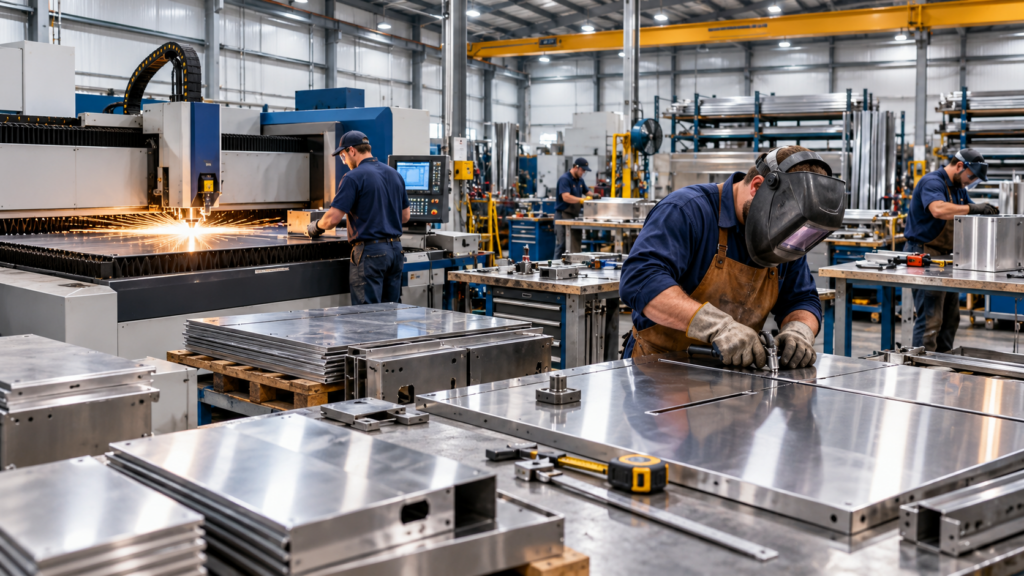
A local metal fabricator is a professional or business that specializes in transforming raw metal into customized parts and finished products for customers within a particular geographic area.
Fabricators work with materials such as stainless steel, aluminum, carbon steel, and galvanized steel to create components that meet specific dimensional and functional requirements.
Unlike standard metal suppliers that primarily sell raw materials, fabrication businesses perform additional manufacturing operations.
These may include cutting metal sheets to size, bending components into precise angles, creating openings, and joining multiple pieces.
A local metal fabricator may serve homeowners, contractors, repair specialists, manufacturers, and small businesses requiring customized metal solutions.
Some companies focus on small individual projects, while others specialize in industrial manufacturing or large-scale structural fabrication.
Common Services Offered by Metal Fabricators
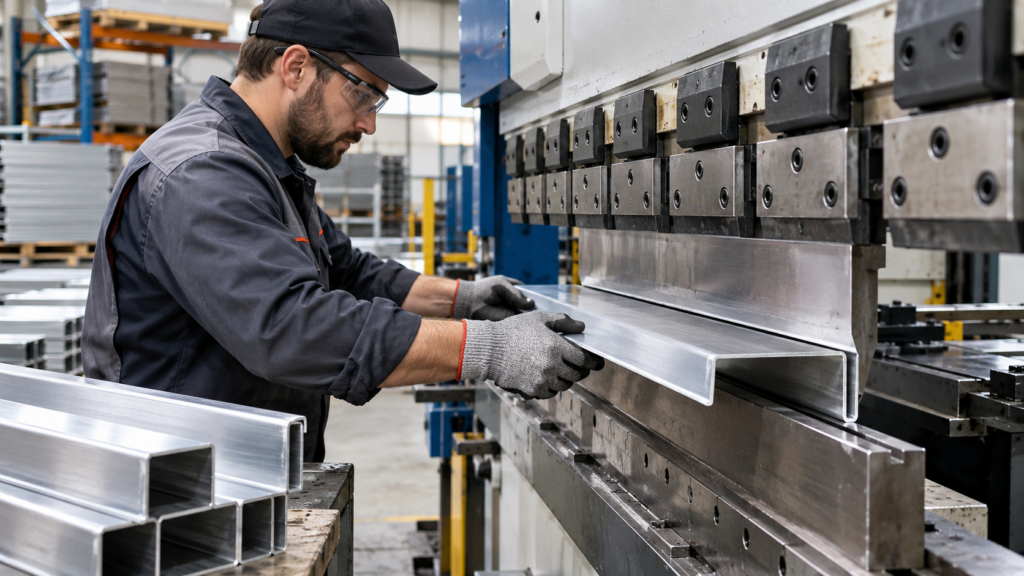
Metal fabrication encompasses several manufacturing processes. Understanding these services helps customers determine which capabilities their projects require.
Custom Sheet Metal Cutting
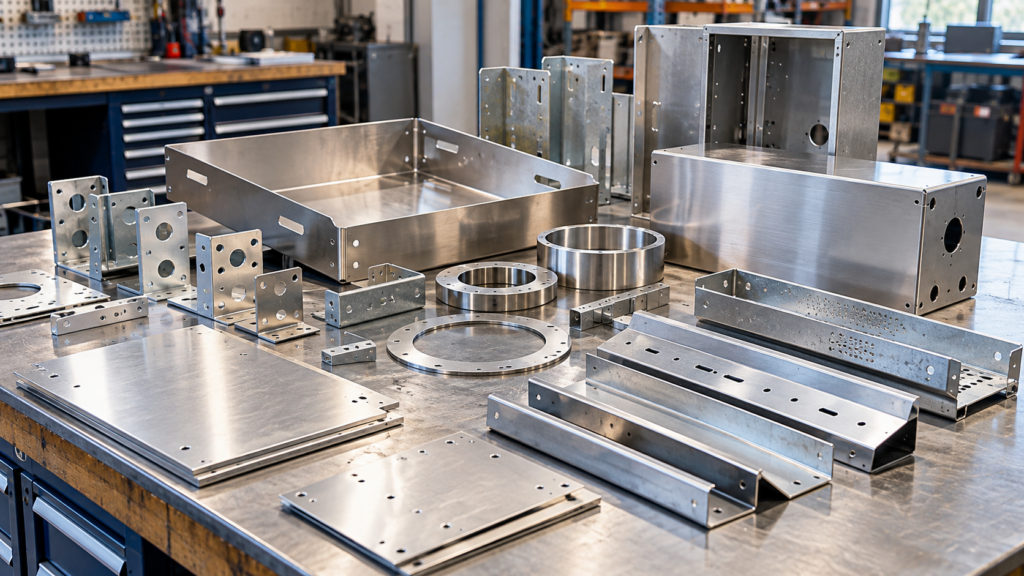
Sheet metal cutting involves dividing metal sheets into specified dimensions or shapes.
Fabricators use different cutting technologies depending on the metal type, thickness, required precision, and production volume.
Common techniques include laser cutting, shearing, plasma cutting, and waterjet cutting.
Precision cutting is especially useful when manufacturing brackets, panels, covers, and other components that must fit existing structures.
Metal Bending and Forming
Metal bending transforms flat metal sheets into angles, channels, boxes, and other three-dimensional shapes.
Professional fabrication workshops often use press brake machinery to create consistent bends.
Common applications include U-channels, mounting brackets, protective covers, equipment trays, and custom enclosures.
Proper bending requires careful consideration of material thickness, bend radius, and the metal’s physical properties.
Metal Welding and Assembly
Welding joins separate metal components using heat and specialized equipment.
Different welding techniques are suitable for different metals and project requirements.
Fabricators may also use mechanical fasteners or other joining methods when welding is unnecessary.
Welding and assembly services are particularly important for larger structures or products consisting of multiple components.
CNC Laser Cutting
Computer numerical control, or CNC, technology allows machines to follow digitally programmed cutting instructions.
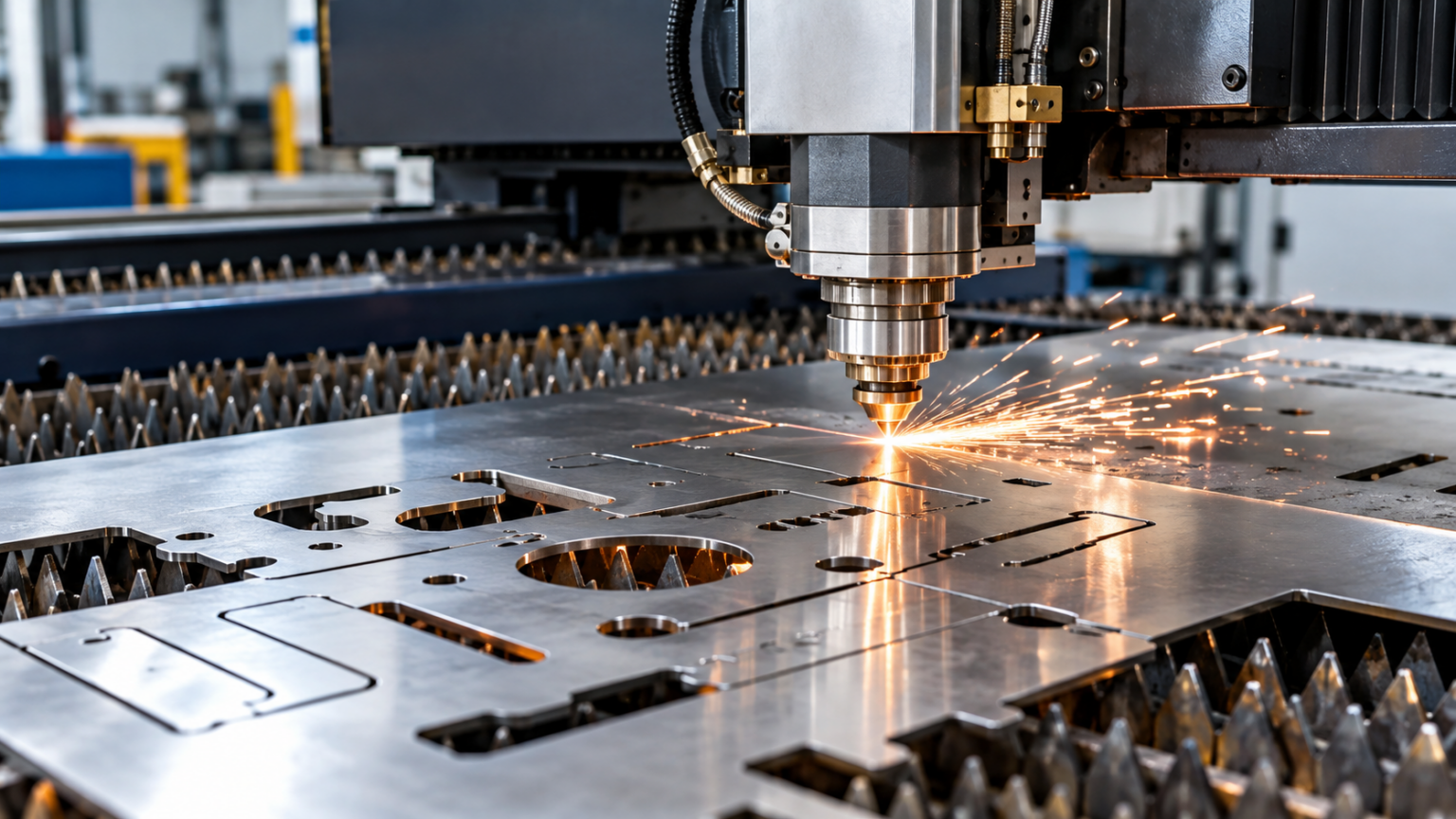
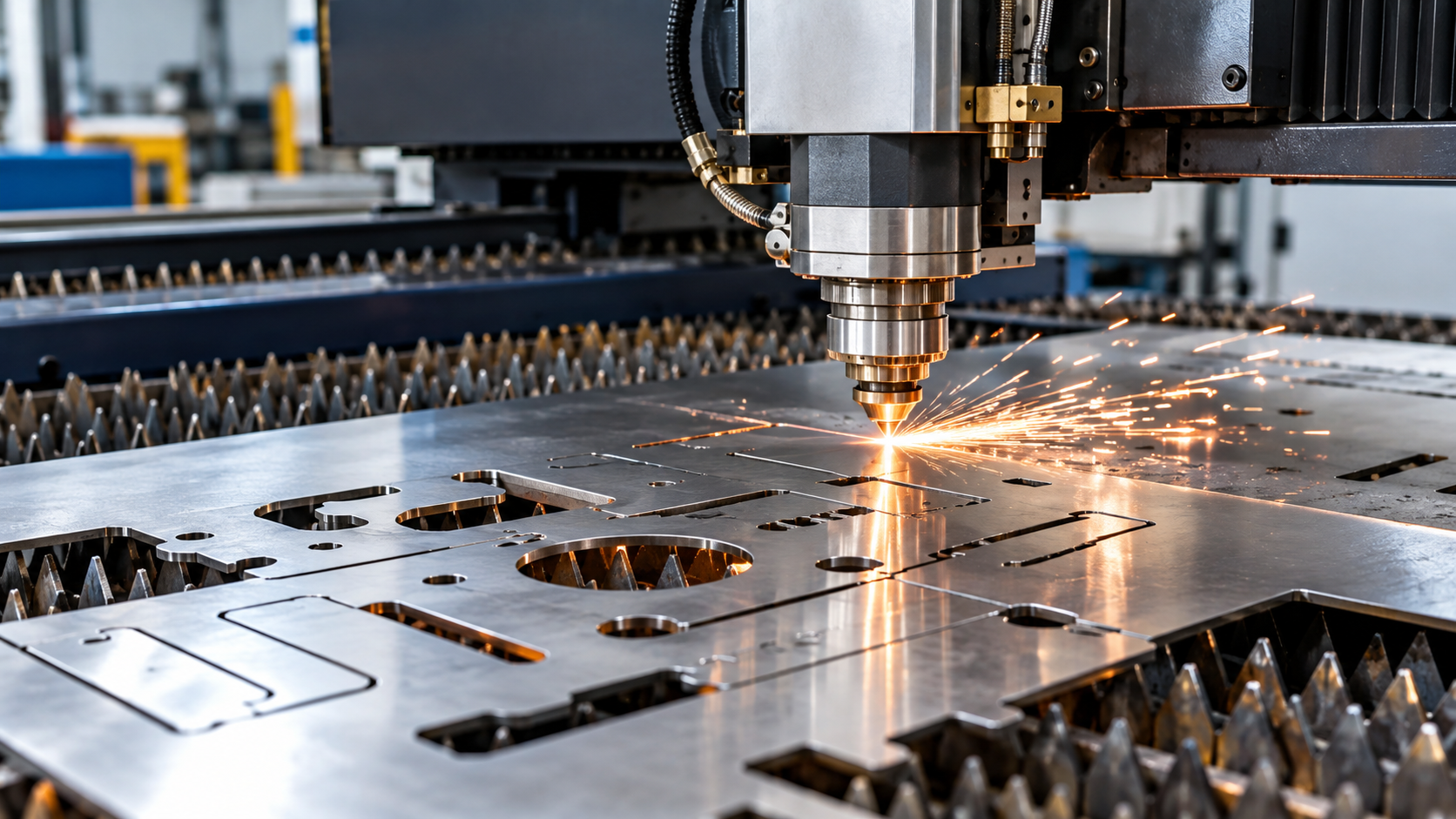
Laser cutting can produce complex profiles, detailed openings, and repeatable parts.
A professional local metal fabricator may recommend CNC laser cutting for projects requiring intricate shapes or consistent dimensions.
The suitability of this process depends on material thickness, equipment capacity, and manufacturing requirements.
Types of Metals Used in Custom Fabrication
Selecting the appropriate material is essential for durability, appearance, cost, and performance.
Different metals provide distinct advantages for residential, commercial, and industrial applications.
Stainless Steel
Stainless steel is widely used because of its corrosion resistance, strength, and attractive appearance.
It is suitable for kitchen equipment, decorative panels, equipment covers, brackets, and many outdoor applications.
Different stainless steel grades offer varying levels of corrosion resistance and mechanical performance.
Aluminum
Aluminum is lightweight, versatile, and naturally resistant to many forms of corrosion.
It is frequently used for custom panels, enclosures, automotive components, and home improvement projects.
Its relatively low weight makes it useful when minimizing the overall mass of a product is important.
Carbon Steel
Carbon steel offers strength, versatility, and generally economical material options.
It is commonly used in brackets, supports, machinery components, and general fabrication work.
However, untreated carbon steel can rust when exposed to moisture.
Painting, coating, or other protective treatments may be necessary depending on the application.
Galvanized Steel
Galvanized steel has a protective zinc coating designed to reduce corrosion.
It is often selected for ventilation components, outdoor covers, ductwork, and other applications where moisture resistance matters.
A qualified fabricator can explain how cutting, welding, and finishing may affect the coating.
Benefits of Hiring a Local Metal Fabricator
Working with an experienced metal fabrication provider offers several advantages over attempting complicated metalworking projects independently.
Customized Components for Specific Projects
Standard metal products may not match your required dimensions.
A professional local metal fabricator can create components based on drawings, measurements, and project specifications.
This customization helps reduce unnecessary material modifications during installation.
Access to Specialized Equipment
Professional fabrication machinery can perform operations that are difficult to complete accurately with basic household tools.
Laser cutting systems, press brakes, and industrial measuring equipment support precision and consistency.
Using professional services also eliminates the need to purchase expensive equipment for occasional projects.
Professional Material Guidance
Experienced fabricators understand the characteristics of different metals.
They can discuss material options, appropriate thicknesses, finishing requirements, and fabrication limitations.
For structural, load-bearing, or safety-critical applications, a qualified engineer should verify the design and material specifications.
Convenient Communication and Project Coordination
Nearby fabrication businesses may offer opportunities for direct consultations, measurements, and project discussions.
Local access can also simplify pickup and coordination for unusually shaped or heavy components.
However, online fabrication services may provide greater convenience for straightforward custom-cut parts that can be shipped directly to your location.
How to Choose the Best Local Metal Fabricator
Selecting a suitable provider requires evaluating several practical factors.
The closest workshop is not necessarily the best choice for every metal fabrication project.
Review Experience and Capabilities
Look for fabrication companies with experience handling projects similar to yours.
A business specializing in decorative metalwork may not have the same equipment or expertise as one focused on industrial components.
Ask about available machinery, supported materials, thickness limitations, and previous project examples.
Confirm Material Availability
Before placing an order, verify that the required metal type, thickness, and finish are available.
Some businesses maintain inventory, while others purchase materials after receiving customer orders.
Material availability may affect both pricing and production schedules.
Discuss Measurements and Tolerances
Accurate dimensions are critical for custom metal fabrication.
Provide detailed drawings and confirm acceptable manufacturing tolerances before approving production.
A reliable local metal fabricator should explain which dimensions can be achieved with its equipment.
Compare Quotes Carefully
Request written estimates describing materials, fabrication operations, finishing, delivery, and applicable fees.
Avoid selecting a service based entirely on the lowest advertised price.
Consider the quality of the workmanship, project complexity, and overall value.
Check Production and Delivery Times
Custom metal parts are not always available immediately.
Fabrication schedules depend on material availability, machinery workload, design complexity, and required finishing.
Ask for realistic production expectations before committing to a deadline.
Local Metal Fabrication vs. Online Metal Fabrication Services
Traditional fabrication workshops remain useful for customers requiring face-to-face consultations, complicated installations, or large components.
However, online fabrication services provide another option for individuals seeking customized sheet metal without visiting a local workshop.
Online ordering platforms may allow customers to select a metal, specify dimensions, choose a shape, and arrange delivery.
For example, MetalsCut4U offers an online alternative to a local metal fabricator, allowing customers to configure custom-cut metal components using aluminum, stainless steel, carbon steel, and galvanized steel. Its services include cutting, bending, and selected welding operations.
MetalsCut4U
+1
The company also accepts drawings for custom requests outside its standard online configuration options.
An online service may be suitable when your project involves smaller components that can be shipped economically.
By contrast, a nearby workshop may be preferable for oversized items, on-site measurements, installation, or complex structural fabrication.
The right choice depends on your project requirements rather than location alone.
Common Applications of Custom Metal Fabrication
Metal fabrication supports a wide variety of residential, commercial, and industrial projects.
Home Improvement Projects
Homeowners may need customized metal panels, protective covers, shelving brackets, fireplace surrounds, or replacement components.
These projects often require measurements that standard retail products cannot accommodate.
A local metal fabricator can help produce parts designed for specific spaces or existing equipment.
Commercial Construction
Commercial projects frequently use custom metal components for equipment housings, building finishes, mounting systems, and architectural details.
Fabrication providers may coordinate with contractors and design professionals to meet project requirements.
Automotive and Equipment Repairs
Vehicle restoration and machinery maintenance sometimes require replacement brackets, metal plates, or protective panels.
Custom fabrication can be useful when original components are unavailable or require modification.
Safety-critical vehicle and machinery components should be designed and evaluated by appropriately qualified professionals.
DIY and Creative Projects
DIY enthusiasts use fabricated metal for decorative designs, furniture, garden features, workshop organizers, and custom storage solutions.
Ordering accurately sized components can simplify assembly and reduce the need for specialized cutting equipment.
How Much Does Custom Metal Fabrication Cost?
The cost of metal fabrication varies considerably.
A simple flat aluminum plate generally requires fewer manufacturing operations than a complex stainless steel enclosure with multiple bends and welded joints.
Several factors influence pricing.
- Material type: Stainless steel, aluminum, and different grades of steel have different costs.
- Material thickness: Thicker metals may require additional cutting capacity or processing time.
- Part complexity: Detailed openings, unusual shapes, and multiple bends increase production requirements.
- Order quantity: Larger production runs may reduce certain setup costs per unit.
- Finishing requirements: Polishing, coating, deburring, and other treatments may add expenses.
- Shipping or pickup: Large and heavy metal components can create substantial transportation costs.
For accurate pricing, provide complete measurements and request a project-specific quotation.
Comparing several providers can help determine whether a local metal fabricator or online manufacturing service offers better overall value.
What to Prepare Before Ordering Custom Metal Parts
Good preparation makes the fabrication process more efficient and reduces misunderstandings.
Start by identifying the intended purpose of the component.
Next, determine the material, thickness, shape, and required dimensions.
Include the location and diameter of holes, cutouts, and other important features.
A technical drawing is helpful, but some fabrication providers also accept clearly labeled sketches.
MetalsCut4U, for example, accepts DXF, DWG, and PDF drawings for individual quotation requests.
metalscut4u.com
Before production, confirm measurement units, dimensional tolerances, surface finish, quantity, and delivery requirements.
Remember that custom-manufactured products may have limited cancellation or return options.
Carefully reviewing your specifications before submitting an order can prevent expensive mistakes.
Safety and Quality Considerations in Metal Fabrication
Metal fabrication requires appropriate training, equipment, and protective measures.
Cut sheet metal can have sharp edges, while large components may be difficult to lift or position safely.
Industrial cutting and welding operations can also involve heat, fumes, noise, and other workplace hazards.
The Occupational Safety and Health Administration provides guidance covering sheet metal handling and fabrication-related safety concerns.
obis.osha.gov
Customers should ask about appropriate edge finishing, material handling, and product inspection when these factors affect their projects.
For structural, electrical, or other regulated applications, confirm that the finished component meets applicable design requirements.
A reliable fabrication provider should communicate manufacturing capabilities and limitations clearly rather than promising that every design is suitable for every application.
Frequently Asked Questions About Local Metal Fabricators
What does a local metal fabricator do?
A local metal fabricator cuts, bends, forms, welds, or assembles metal materials into customized components.
Services may include custom sheet metal cutting, brackets, panels, enclosures, and specialized manufacturing work.
How do I find a reliable metal fabricator near me?
Search for established fabrication businesses in your area and evaluate their experience, equipment, customer reviews, and project capabilities.
Request detailed quotes and confirm whether they handle your required material and dimensions.
Can I order just one custom metal part?
Yes. Some fabrication businesses accept single-piece orders, although minimum order requirements vary.
Online providers such as MetalsCut4U specifically accommodate orders for individual custom metal components.
metalscut4u.com
What is the difference between metal fabrication and welding?
Metal fabrication includes several processes used to create finished metal products.
Welding is one joining method within the broader fabrication process.
Not every fabricated component requires welding.
Which metal is best for outdoor projects?
Stainless steel, aluminum, and properly coated or galvanized steel are common options for outdoor applications.
The best material depends on environmental exposure, strength requirements, appearance, and budget.
Can a metal fabricator create parts from drawings?
Yes. Many fabrication businesses can work from CAD files, technical drawings, or detailed sketches.
Provide accurate dimensions, material specifications, and any required tolerances before production.
Is online metal fabrication better than local fabrication?
Neither option is universally better.
Online fabrication can be convenient for smaller, clearly specified parts, while local workshops may be more practical for oversized components, direct consultations, or installation services.
How long does custom metal fabrication take?
Production time depends on the materials, complexity, quantity, and workload of the fabrication provider.
Some simple projects may be completed quickly, while more complex orders require additional time.
Always confirm the estimated schedule before ordering.
Conclusion
Choosing the right metal fabrication provider is essential for achieving accurate dimensions, suitable materials, and dependable finished components. Whether your project involves a simple aluminum bracket, a stainless steel panel, or a custom enclosure, professional fabrication can help transform your specifications into a usable product.
A qualified local metal fabricator offers valuable technical experience, specialized equipment, and practical manufacturing knowledge. However, online fabrication services can also provide convenient solutions for projects that do not require in-person consultations or on-site installation.
Before placing an order, compare fabrication capabilities, material options, pricing, tolerances, and production schedules. With careful planning and the right provider, homeowners, contractors, and businesses can obtain custom metal components that meet their project requirements.

Written by Twastia Editorial Team
Twastia Editorial Team shares practical insights about website design, SEO services, Google Ads, content marketing, social media, conversion rate optimization, and digital marketing strategy.
Last updated: Oct 24, 2026
Related posts from Twastia
Explore more useful articles from twastia.com about digital marketing, SEO, websites, ads, content, and growth strategy.