When and Why You Should Clean Your Air Ducts
Your home’s heating and cooling system works quietly in the background, moving air through a network of ducts hidden behind […]
Your home’s heating and cooling system works quietly in the background, moving air through a network of ducts hidden behind walls, ceilings, and floors. While these passages are rarely visible, their condition can affect how effectively air travels throughout your home.
Over time, dust, debris, pet hair, and other particles may collect inside ductwork. Some accumulation is normal, but excessive contamination can create maintenance concerns. Knowing when to clean your air ducts helps you make informed decisions instead of spending money on unnecessary services.
Air duct cleaning isn’t something every home needs on a fixed schedule. However, visible contamination, pest activity, or debris entering living spaces can make a professional inspection worthwhile.
This guide explains how air duct cleaning works, warning signs to watch for, potential benefits, costs, and practical steps for maintaining your HVAC system.
What Is Air Duct Cleaning?
Air duct cleaning involves removing accumulated dirt and debris from the air distribution system connected to your heating, ventilation, and air conditioning (HVAC) equipment.
A typical forced-air system includes supply ducts that deliver conditioned air into rooms and return ducts that bring air back to the equipment. Registers, grilles, and other components help control this circulation.
Professional HVAC cleaning may involve several components:
- Supply and return air ducts
- Air registers and return grilles
- Supply and return plenums
- Blower assemblies and housings
- Cooling coils and drain pans
- Other accessible HVAC components
The exact cleaning scope depends on system design and condition.
A thorough service should address contamination throughout the affected system, rather than simply wiping visible vents. Otherwise, debris remaining in connected components may contribute to recontamination.
Why Is It Important to Clean Your Air Ducts?
Air duct cleaning can be useful when a system contains substantial contamination. However, its benefits depend on the condition of the ducts and the quality of the cleaning work.
1. Remove Excessive Dust and Debris
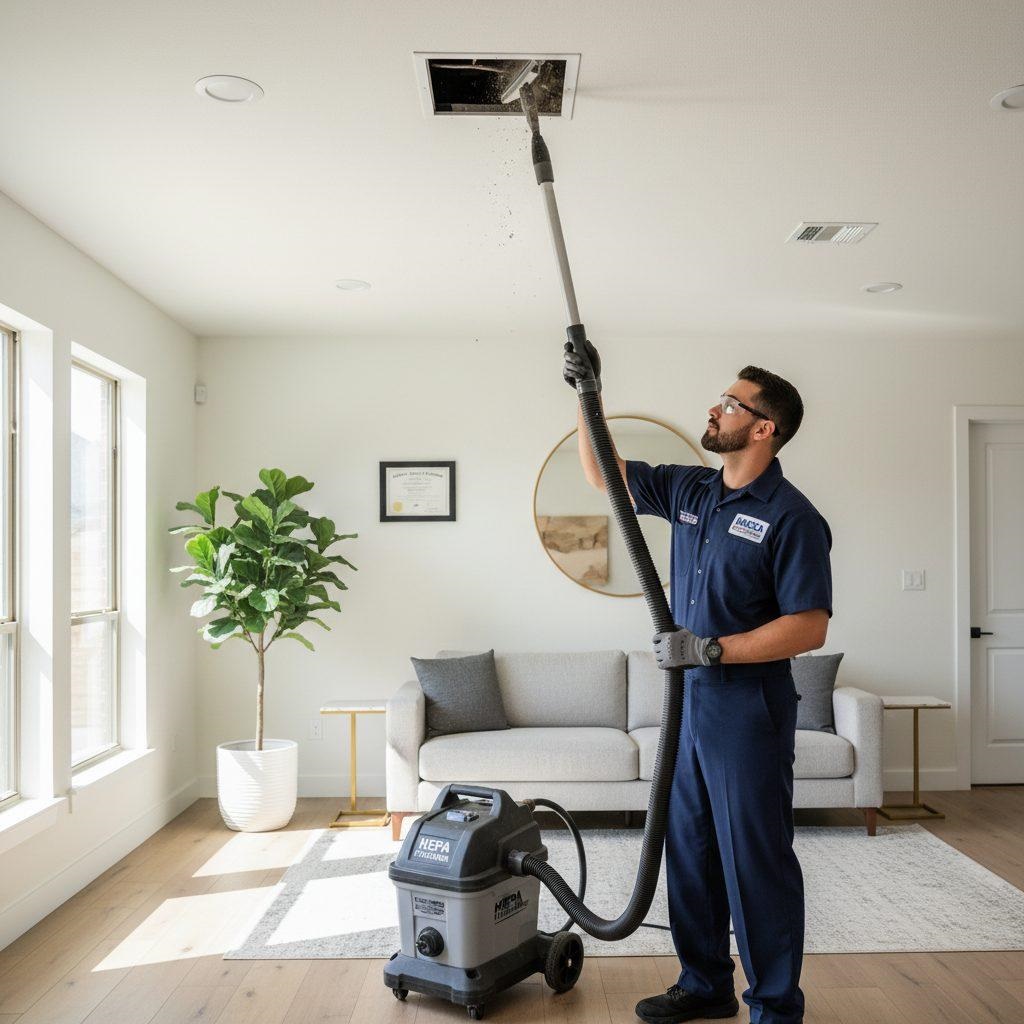
Dust enters homes through open doors, windows, clothing, and everyday activities. Some particles eventually settle inside air ducts.
When significant buildup is present, professional cleaning can physically remove accumulated material.
This is particularly relevant when debris is visibly blowing from supply registers or obstructing duct passages.
2. Address Contamination After Pest Activity
Rodents and insects sometimes enter ductwork through damaged openings or accessible connections.
Nesting materials, droppings, and other contamination require appropriate attention. Cleaning may be necessary after pests have been removed and entry points repaired.
The underlying infestation must be addressed first to prevent the problem from returning.
3. Support HVAC Maintenance
Restricted airflow can affect HVAC operation, although duct contamination is only one possible cause.
Dirty filters, failing blower components, blocked coils, and poorly designed ductwork can also contribute to airflow problems.
Cleaning heavily contaminated components may support system performance, but cleaning ducts alone does not guarantee lower utility bills or improved energy efficiency.
4. Address Specific Indoor Air Concerns
Indoor air quality depends on ventilation, filtration, moisture, outdoor pollution, and indoor activities.
Removing significant contaminants from ductwork may be appropriate in certain situations. However, routine duct cleaning has not been proven to prevent illnesses or consistently reduce household particle levels.
For this reason, homeowners should investigate the actual source of an air quality concern rather than assuming dirty ducts are responsible.
7 Signs You May Need to Clean Your Air Ducts
Certain conditions suggest that an HVAC duct inspection may be necessary.
1. Visible Debris Coming From Air Vents
A little dust around a return grille is normal.
However, noticeable particles blowing from supply registers can indicate substantial buildup or another system problem.
2. Heavy Deposits Inside Ductwork
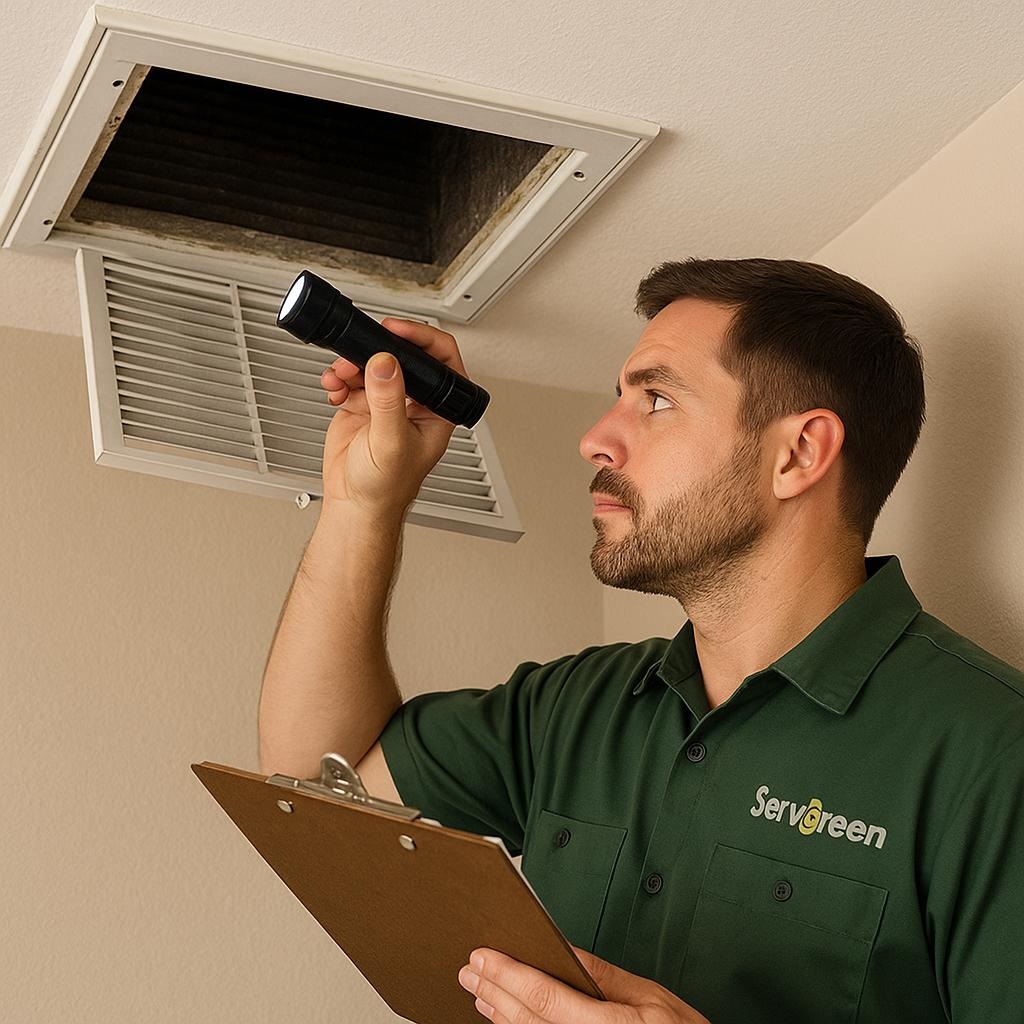
Remove an accessible vent cover safely and inspect the visible duct opening with a flashlight.
Large accumulations of debris warrant further investigation. A professional can inspect less accessible areas without damaging the system.
3. Evidence of Rodents or Insects
Droppings, nesting materials, scratching noises, or damaged duct connections may indicate pest activity.
Arrange appropriate pest control and repair damaged openings before considering duct cleaning.
4. Suspected Mold Growth
Moisture inside HVAC equipment can create conditions that support microbial growth.
If you notice suspicious growth, request a qualified assessment. Not every dark stain is mold, and some materials require professional testing.
Wet or mold-contaminated fiberglass duct insulation may need replacement rather than cleaning.
5. Significant Construction Debris
Renovations involving drywall, cutting, sanding, or demolition generate substantial dust.
If ducts were left exposed during construction, an inspection may reveal debris that should be removed.
6. Persistent Musty Odors
Unusual odors near vents can have several causes, including moisture problems, dirty cooling components, or contaminants elsewhere in the home.
Inspecting the HVAC system can help identify the source before choosing a cleaning or repair service.
7. Unexplained Airflow Problems
Weak airflow from certain rooms may indicate blocked ducts, disconnected sections, closed dampers, or mechanical issues.
Have the cause diagnosed before purchasing duct cleaning. Repair or airflow balancing may be more appropriate.
How Often Should You Clean Your Air Ducts?
There is no universal cleaning interval suitable for every household.
The U.S. Environmental Protection Agency (EPA) recommends cleaning residential air ducts when needed rather than automatically scheduling routine cleaning.
Some households may go years without significant contamination. Others may require attention sooner because of renovations, pest problems, water damage, or unusual debris accumulation.
Factors That Influence Cleaning Needs
Several circumstances may justify more frequent inspections:
- Major home renovations
- Previous pest infestations
- Water intrusion or moisture damage
- Excessive debris entering supply registers
- Poorly maintained filtration systems
- Evidence of contamination after moving into a property
A professional inspection provides more useful information than relying exclusively on a calendar.
How Does Professional Air Duct Cleaning Work?
Professional duct cleaning uses specialized equipment to loosen contamination and collect the removed material.
Methods vary depending on duct construction, accessibility, and the equipment used.
Step 1: Inspect the HVAC System
The technician examines accessible ductwork, registers, and relevant HVAC components.
The inspection helps identify contamination, existing damage, moisture concerns, and duct materials requiring special handling.
Step 2: Prepare the Work Area
Technicians protect nearby furnishings and establish access to the system.
Appropriate containment and vacuum equipment help prevent loosened particles from spreading into occupied rooms.
Step 3: Loosen Accumulated Debris
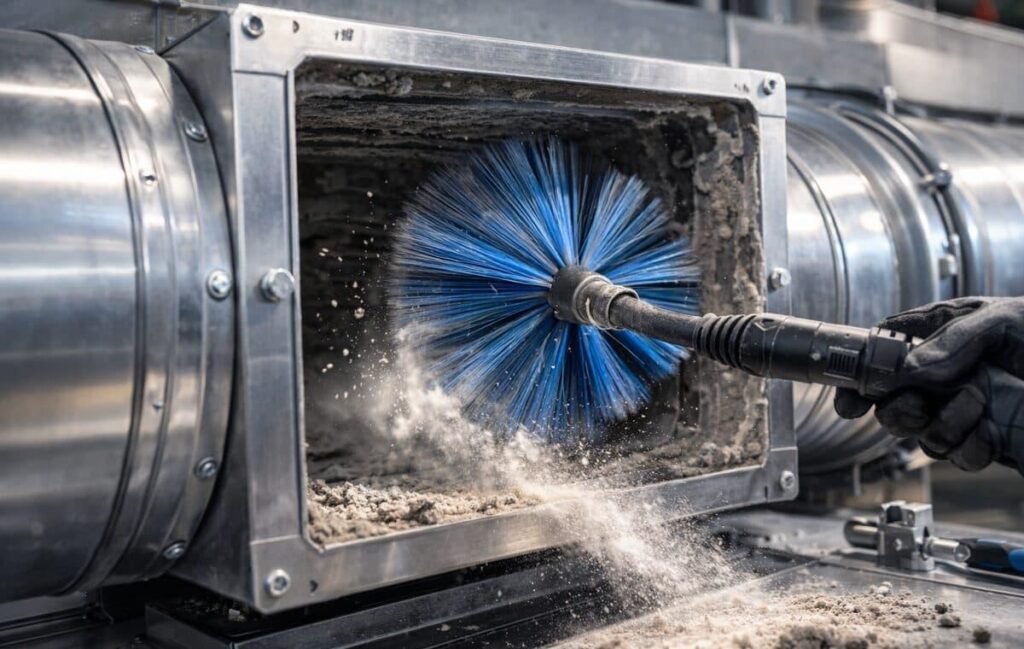
Specialized brushes, air-powered tools, or controlled agitation devices dislodge debris from duct surfaces.
The tools must be appropriate for the material. Flexible ducts and fiberglass-lined sections can be damaged by aggressive cleaning.
Step 4: Collect Contaminants
Professional systems use controlled vacuum collection to capture loosened particles.
Depending on the setup, equipment may exhaust outdoors or use suitable high-efficiency filtration.
Step 5: Clean Relevant Components
The agreed scope may include grilles, plenums, blower components, and other accessible HVAC areas.
Components should be cleaned using procedures suitable for their construction and condition.
Step 6: Inspect the Finished Work
After cleaning, technicians should restore access panels, reattach registers, and check system operation.
Homeowners can request photographs or visual confirmation showing the condition of cleaned areas.
Can You Clean Your Air Ducts Yourself?
Homeowners can safely handle certain basic maintenance tasks, but cleaning an entire duct network generally requires specialized equipment.
Simple DIY Maintenance Tasks
You can help maintain your system by:
- Removing and cleaning accessible vent covers
- Vacuuming surface dust around registers
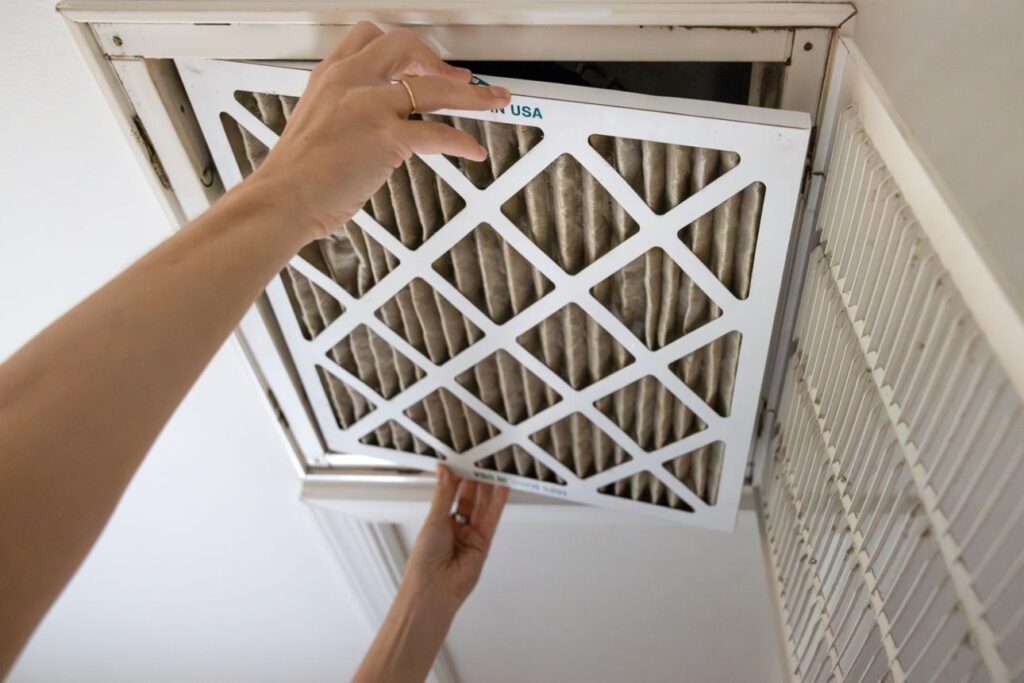
- Replacing HVAC filters according to manufacturer recommendations
- Keeping furniture away from supply and return openings
- Scheduling routine heating and cooling equipment maintenance
Turn off the appropriate equipment before removing vent covers or performing accessible cleaning.
Avoid inserting sharp objects, unsuitable brushes, or household chemicals deep into ductwork.
When Professional Help Is Better
Professional assistance is more appropriate when contamination extends deep into the ducts or involves pests, suspected mold, or extensive construction debris.
Older insulation and unknown materials also require caution. Suspected asbestos-containing materials should not be disturbed.
How Much Does Air Duct Cleaning Cost?
Air duct cleaning costs vary throughout the United States.
Pricing depends on the home’s layout, HVAC configuration, accessibility, contamination level, and services included.
Some contractors quote a complete-system price, while others charge according to the number of vents and returns.
Common pricing factors include:
| Cost Factor | Why It Matters |
|---|---|
| Home size | Larger systems may require more labor |
| Number of HVAC systems | Multiple systems increase cleaning scope |
| Duct accessibility | Difficult access can require additional work |
| Contamination level | Heavy buildup may need extra cleaning |
| Duct materials | Different materials require appropriate techniques |
| Additional services | Repairs and specialized treatments may cost extra |
Ask for a detailed written estimate outlining the work included.
Be cautious with unusually low promotional prices that exclude essential components or introduce unexpected charges after work begins.
How to Choose a Reliable Air Duct Cleaning Company
Hiring a qualified contractor is important because improper cleaning can damage ductwork or release additional contaminants indoors.
Ask About Cleaning Methods
A reputable contractor should explain how debris will be loosened, collected, and contained.
Ask whether the service includes supply ducts, return ducts, plenums, and relevant HVAC components.
Verify Experience and Credentials
Look for contractors experienced with your type of system.
Ask about applicable licensing, insurance, technician training, and whether the company follows recognized industry guidance, such as standards from the National Air Duct Cleaners Association (NADCA).
Request a Written Estimate
The estimate should clearly identify the cleaning scope, price, possible additional charges, and any limitations.
Compare multiple providers before committing.
Evaluate Local Service Options
For homeowners in central Oklahoma, clean your air ducts is a service offered by Oklahoma Duct Cleaning, which describes residential duct cleaning in Oklahoma City and surrounding communities.
The company outlines cleaning methods and additional HVAC-related services on its service pages. Homeowners should confirm the current cleaning scope, pricing, and appointment availability directly before booking.
Regardless of location, prioritize clear explanations and evidence of actual contamination over dramatic promises.
Common Air Duct Cleaning Mistakes to Avoid
Several mistakes can lead to unnecessary expenses or ineffective results.
Cleaning without inspecting: Not every dusty register indicates contaminated ductwork. Inspect the system before deciding.
Ignoring moisture problems: Mold-related contamination may return if leaks, condensation, or drainage problems remain unresolved.
Hiring solely on price: A low quote may not cover the complete system or appropriate containment procedures.
Assuming cleaning cures allergies: Indoor allergens can originate from bedding, carpeting, pets, moisture, and outdoor air. Duct cleaning is not a medical treatment.
Approving unnecessary chemical treatments: Disinfectants, sealants, and deodorizing products should not be automatic additions to a cleaning service. Ask why any treatment is necessary and whether its intended use is permitted.
Neglecting HVAC filters: Good filtration and regular system maintenance remain important whether or not the ducts have been cleaned.
How to Keep Your Air Ducts Cleaner for Longer
Preventing contamination is usually more practical than repeatedly removing it.
Maintain Your Air Filters
Use filters compatible with your HVAC equipment and replace them as recommended by the manufacturer.
Inspect filters more often during heavy system use or dusty household conditions.
Control Indoor Dust
Regular vacuuming, surface cleaning, and appropriate entryway mats can reduce the amount of debris circulating indoors.
A vacuum with suitable high-efficiency filtration can help capture fine particles.
Keep Moisture Under Control
Repair plumbing leaks promptly, maintain condensate drains, and address wet insulation.
Proper moisture management helps prevent conditions that encourage microbial growth.
Protect Ducts During Renovations
Keep construction debris away from registers and avoid operating the HVAC system while substantial dust-producing work is underway.
Afterward, inspect exposed openings and clean affected areas appropriately.
Schedule Routine HVAC Maintenance
Professional maintenance can identify filter problems, dirty coils, drainage issues, and equipment faults before they become more serious.
Frequently Asked Questions About Air Duct Cleaning
1. Is it really necessary to clean your air ducts?
Not always. Cleaning is most appropriate when ducts contain substantial visible contamination, pest infestations, or excessive debris. A routine cleaning schedule is not necessary for every household.
2. Does air duct cleaning improve indoor air quality?
Removing substantial contaminants may address a specific pollution source. However, evidence does not establish that routine duct cleaning consistently improves indoor air quality in otherwise normal systems.
3. Can dirty air ducts make you sick?
Significant contamination may present concerns, depending on what is present and whether occupants are exposed. However, ordinary dust inside ducts has not been shown to cause illness, and symptoms should be discussed with a healthcare professional.
4. How long does professional duct cleaning take?
The duration depends on home size, duct accessibility, equipment, and cleaning scope. A contractor should provide a realistic estimate after reviewing your system.
5. Should air ducts be cleaned after home renovations?
Consider an inspection if renovation dust entered the ductwork. Cleaning may be worthwhile when substantial construction debris is discovered.
6. Can duct cleaning lower energy bills?
Cleaning dirty mechanical HVAC components may support efficiency, but evidence that duct cleaning alone reduces energy bills is limited. Filter maintenance, equipment servicing, and duct sealing may be more relevant.
7. Is air duct cleaning safe for all types of ductwork?
Cleaning methods must match the material. Flexible ducts, fiberglass-lined ducts, and damaged sections require special care. Wet or mold-contaminated insulation may need replacement.
8. What should I do after air duct cleaning?
Confirm that registers and access panels are secure, inspect the completed work, maintain appropriate filtration, and continue regular HVAC servicing. Address any remaining moisture, pest, or airflow problems.
Conclusion
Knowing when to clean your air ducts can help you protect your HVAC system from unnecessary work while addressing genuine contamination problems.
Substantial dust buildup, pest activity, construction debris, and suspected microbial growth are valid reasons to investigate duct conditions. However, ordinary household dust does not automatically mean professional cleaning is required.
Start with an inspection, identify underlying problems, and choose qualified professionals when cleaning is justified. Combine this approach with regular filter replacement, moisture control, and routine HVAC maintenance.
The goal isn’t simply to have spotless ducts. It’s to maintain a properly functioning heating and cooling system through sensible, evidence-based care.

Written by Twastia Editorial Team
Twastia Editorial Team shares practical insights about website design, SEO services, Google Ads, content marketing, social media, conversion rate optimization, and digital marketing strategy.
Last updated: Oct 24, 2026
Related posts from Twastia
Explore more useful articles from twastia.com about digital marketing, SEO, websites, ads, content, and growth strategy.