Metal Fabrication in Tulsa, OK: Best Guide to Services & Costs
Metal fabrication is an essential part of construction, manufacturing, transportation, and industrial operations. From structural steel frames to custom machine […]
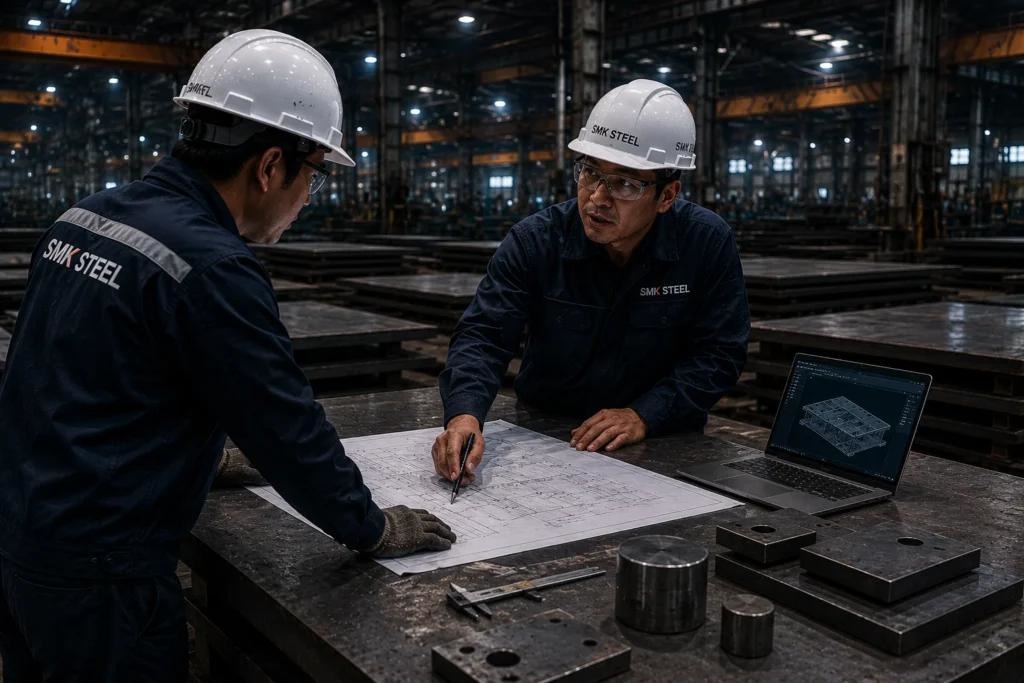
Metal fabrication is an essential part of construction, manufacturing, transportation, and industrial operations. From structural steel frames to custom machine components, professionally fabricated metal products support projects of different sizes and complexity.
Tulsa, Oklahoma, has an established manufacturing and metalworking community. Local fabrication shops serve businesses that need specialized equipment parts, commercial metal structures, precision components, and custom-built products.
However, choosing the right fabrication company requires more than finding someone who can weld two pieces of metal together. Materials, cutting methods, equipment capabilities, engineering requirements, project schedules, and quality standards all influence the final result.
If you’re researching metal fabrication in Tulsa, OK, understanding these factors can help you select a suitable service provider and avoid unnecessary expenses.
This guide explains common fabrication processes, available materials, project costs, quality requirements, and practical steps for working with local metal fabrication professionals.
What Is Metal Fabrication?
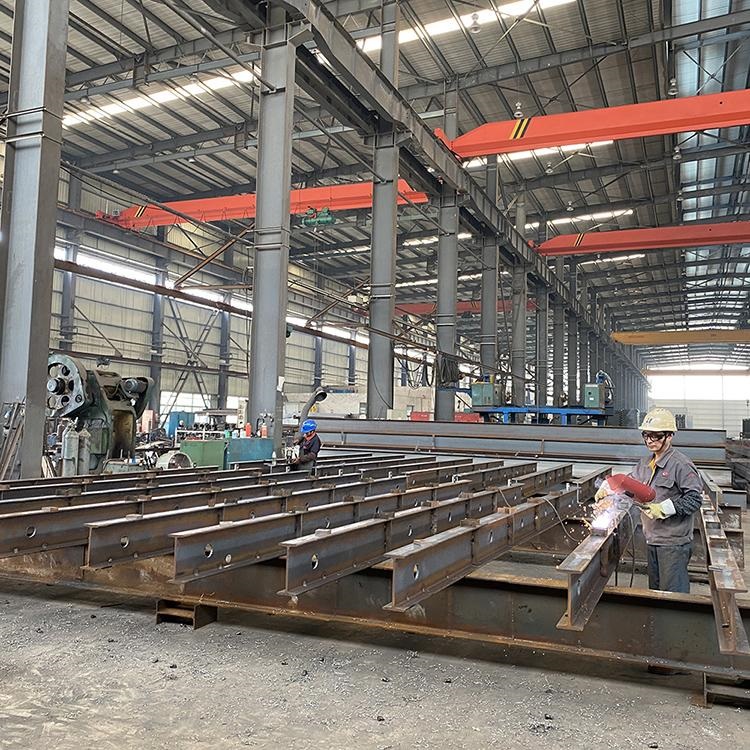
Metal fabrication is the process of transforming raw metal into finished parts, components, or structures through cutting, shaping, bending, joining, and finishing.
Fabricators work from technical drawings, measurements, prototypes, or custom design requirements.
How Metal Fabrication Works
A typical project begins with reviewing specifications and selecting materials.
The fabricator then uses suitable machinery to cut and shape the metal before assembling components.
Welding, surface finishing, and quality inspections may follow.
Metal Fabrication vs. Welding
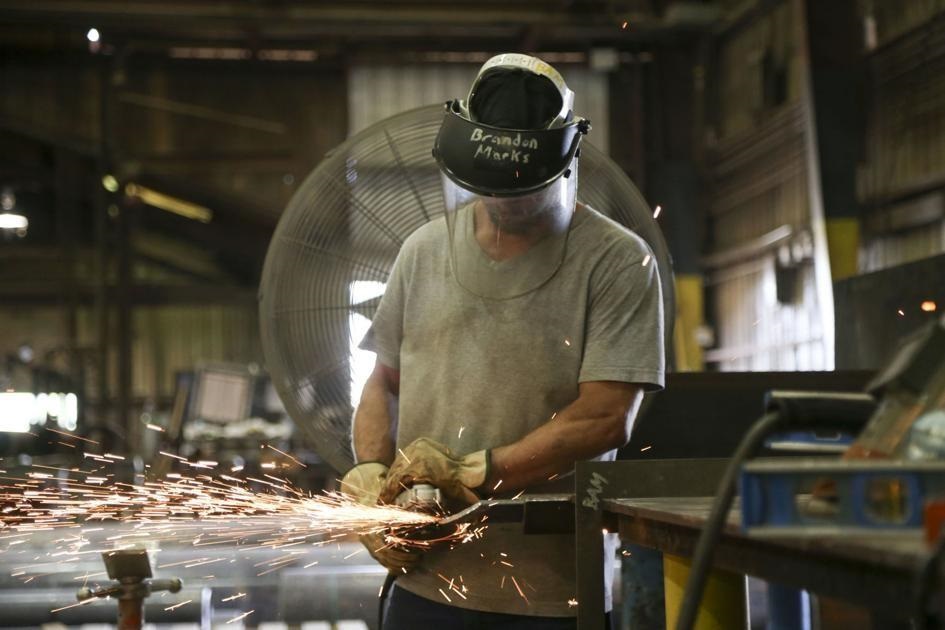
Welding is one method used during fabrication.
Metal fabrication covers a broader range of activities, including cutting, drilling, bending, machining, rolling, and assembly.
Not every fabrication project requires welding.
Why Metal Fabrication Matters in Tulsa
Tulsa supports businesses that need reliable metal components for commercial and industrial applications.
Local Manufacturing Capabilities
Established Tulsa companies advertise custom fabrication, precision machining, laser cutting, metal forming, and welding services.
These capabilities support both individual projects and repeat manufacturing orders.
Support for Commercial Projects
Contractors may require fabricated brackets, frames, platforms, equipment supports, and other metal assemblies.
The specific products must meet the project’s engineering and safety requirements.
Convenient Local Coordination
Working with a nearby shop can make design discussions, inspections, delivery arrangements, and revisions more convenient.
However, local availability does not automatically guarantee faster turnaround or lower prices.
Common Metal Fabrication Services in Tulsa
Different fabrication processes are used depending on the project’s size, material, and required accuracy.
Custom Metal Fabrication
Custom fabrication involves producing components according to customer-specific measurements and designs.
Examples include equipment frames, metal enclosures, supports, and specialty parts.
CNC Laser Cutting
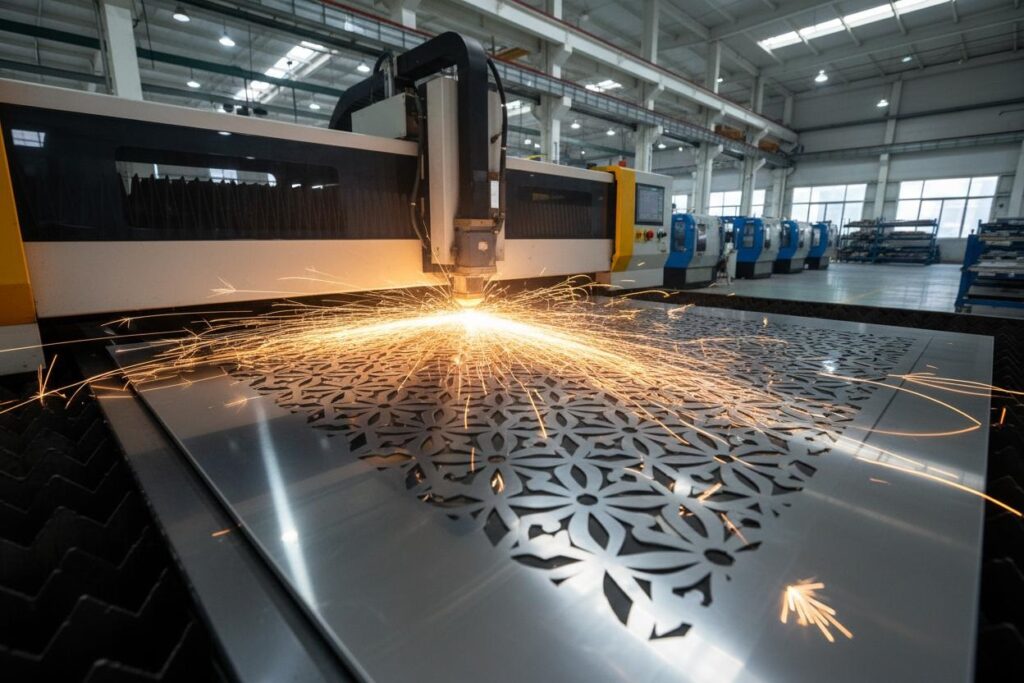
Computer numerical control, or CNC, laser cutting uses programmed equipment to cut suitable sheet metal accurately.
It is commonly used for detailed shapes and repeatable production.
Plasma Cutting
Plasma cutting uses a high-temperature plasma stream to cut electrically conductive metals.
It can be useful for steel plate and other industrial applications.
Metal Bending and Forming
Press brakes and other forming equipment shape metal into angles, channels, brackets, and custom profiles.
Welding and Assembly
Welding joins suitable metal components using methods selected for the materials and design requirements.
Finished assemblies may require dimensional and weld-quality inspections.
Types of Metals Used in Fabrication
Material selection influences strength, weight, appearance, corrosion resistance, and cost.
Carbon Steel
Carbon steel is widely used for structural and industrial components.
It offers useful strength and versatility but may need protective coatings to manage corrosion.
Stainless Steel
Stainless steel is often selected where corrosion resistance, appearance, or cleanability matters.
It is commonly used for commercial equipment and specialty products.
Aluminum
Aluminum is relatively lightweight and resistant to many forms of corrosion.
It is frequently used for panels, enclosures, and applications where weight is important.
Galvanized Steel
Galvanized steel has a protective zinc coating.
Fabrication and welding require appropriate procedures to manage coating damage and hazardous fumes.
Copper and Specialty Metals
Some fabrication shops work with copper, brass, and specialized alloys.
Confirm material compatibility before requesting a quotation.
Understanding Different Welding Methods
Not every welding technique is appropriate for every project.
MIG Welding
Metal inert gas welding, commonly associated with the GMAW process, uses a continuously fed wire electrode.
It is frequently used in manufacturing and fabrication.
TIG Welding
Tungsten inert gas welding, or GTAW, allows controlled welding of various metals.
It is commonly selected when precise weld appearance or specific material requirements matter.
Stick Welding
Shielded metal arc welding uses a consumable coated electrode.
It remains useful for many structural and repair applications.
Flux-Cored Welding
Flux-cored arc welding can be suitable for certain industrial and structural fabrication tasks.
Weld selection should follow applicable engineering specifications.
How to Choose a Metal Fabrication Company in Tulsa
Finding a dependable partner requires reviewing technical capabilities and project experience.
Check Relevant Experience
Ask whether the shop has completed projects similar to yours.
A company specializing in thin sheet metal may not have equipment suited for heavy structural assemblies.
Review Equipment Capabilities
Confirm available cutting, forming, welding, and machining equipment.
Ask about maximum material thickness, component dimensions, and handling capacity.
Discuss Quality Control
Request information about inspection procedures, measurement equipment, and documentation.
Review Delivery Options
Determine whether the company provides local delivery, freight shipping, or customer pickup.
Clarify transportation costs before finalizing the order.
Metal Fabrication Companies and Capabilities in Tulsa
Several established local businesses illustrate the range of services available.
Custom Metal Works
Custom Metal Works advertises welding, shearing, bending, milling, roll forming, powder coating, and other custom fabrication services.
Its website also describes design assistance and local delivery.
Tulsa Sheet Metal
Tulsa Sheet Metal states that it has served the area since 1949.
Its advertised capabilities include CNC cutting, punching, bending, welding, rolling, and assembly.
Southern Sheet Metal
Southern Sheet Metal advertises laser cutting, plasma cutting, sheet metal forming, welding, and prototype development.
Tulsa Machine & Fabrication
Tulsa Machine & Fabrication focuses on machining, welding, and manufacturing services.
These examples demonstrate available local capabilities, not an independent ranking or endorsement of specific providers.
How Much Does Metal Fabrication Cost in Tulsa?
Fabrication prices depend on project requirements rather than one universal rate.
Material Type
Stainless steel, aluminum, carbon steel, and specialty alloys have different purchasing and processing costs.
Project Complexity
Detailed shapes, tight tolerances, multiple welds, and complex assemblies may increase labor and machine time.
Production Quantity
Small custom orders may involve substantial setup work for each part.
Larger production runs can sometimes distribute setup costs across more units.
Finishing Requirements
Grinding, polishing, painting, powder coating, and galvanizing can add processing expenses.
Delivery and Handling
Large or unusually heavy components may require specialized transportation.
Obtain a written quote based on your actual drawings and specifications.
Preparing for a Custom Fabrication Project
Clear instructions help fabricators understand your requirements.
Provide Accurate Drawings
Submit dimensioned drawings, CAD files, or suitable sketches.
Specify measurements, materials, thickness, and relevant tolerances.
Explain the Intended Application
Tell the fabricator how the finished component will be used.
This can help identify missing requirements or manufacturing challenges.
Specify the Finish
Clarify whether you need bare metal, paint, powder coating, or another protective treatment.
Discuss Quantity
Explain whether you need a prototype, a single custom component, or ongoing production.
Establish Delivery Requirements
Share your desired schedule while allowing time for engineering reviews and material procurement.
CNC Machining vs. Metal Fabrication
These services overlap but use different processes.
CNC Machining
Machining removes material from a workpiece using controlled cutting tools.
It can produce precise features such as holes, threads, slots, and complex surfaces.
Metal Fabrication
Fabrication often transforms sheet, plate, or structural material into assembled products.
When Both Are Needed
A fabricated frame may also require precision-machined mounting surfaces or threaded components.
Some Tulsa shops provide machining and fabrication within the same facility.
Metal Fabrication Quality and Industry Standards
Quality requirements depend on the finished component’s intended application.
Dimensional Accuracy
Parts should meet agreed measurements and tolerances.
Ask how the shop verifies dimensions during production.
Welding Qualifications
Certain structural or critical applications may require qualified welding procedures and personnel.
Confirm applicable project codes and specifications.
Inspection Documentation
Projects may require material certifications, inspection reports, or traceability records.
Discuss these requirements before production begins.
AISC Certification
The American Institute of Steel Construction operates certification programs for relevant steel fabrication activities.
Not every metalworking shop needs AISC certification, but it may be important for specific construction contracts.
Safety Requirements in Metal Fabrication
Industrial metalworking presents hazards that require appropriate controls.
Welding Fumes
Welding processes can generate hazardous fumes and gases.
Employers must assess exposure and provide suitable ventilation and other controls.
Eye and Face Protection
Cutting, welding, and grinding can create sparks, radiation, and flying particles.
Appropriate protective equipment is essential.
Equipment Safety
Fabrication machinery may present crushing, cutting, and entanglement hazards.
Employees should receive training appropriate to their tasks.
OSHA Compliance
OSHA maintains standards covering welding, cutting, and brazing in general industry and construction.
Customers commissioning safety-critical work should also verify applicable engineering and inspection requirements.
Benefits of Hiring a Local Tulsa Fabricator
A suitable local fabrication company can provide practical advantages.
Easier Communication
Nearby businesses may make it easier to discuss designs or arrange site visits.
Custom Production
Local shops can work with specialized dimensions and applications that standard products may not accommodate.
Technical Collaboration
Some fabricators provide design assistance and manufacturability feedback.
Convenient Project Updates
Customers may be able to review prototypes or discuss changes directly.
These benefits depend on each company’s capabilities and scheduling.
Common Metal Fabrication Mistakes to Avoid
Avoiding basic planning errors can save money and reduce delays.
Incomplete Specifications
Missing dimensions or unclear drawings can produce incorrect parts.
Choosing Based Only on Price
A low quote may exclude inspection, finishing, or transportation requirements.
Ignoring Material Suitability
Selecting an unsuitable metal can affect durability and performance.
Changing Designs Late
Revisions after production begins may require additional materials and labor.
Skipping Inspection Requirements
Quality expectations should be agreed upon before manufacturing starts.
Metal Fabrication for Different Industries
Tulsa fabrication businesses support a variety of industrial and commercial needs.
Construction
Fabricated components may include steel supports, brackets, platforms, and architectural metalwork.
Manufacturing
Factories may require machine guards, equipment frames, replacement parts, and specialized assemblies.
Energy and Industrial Equipment
Some applications involve metal components for processing equipment and industrial systems.
Commercial Facilities
Metal fabrication can support ventilation systems, specialty fixtures, enclosures, and maintenance projects.
Each industry may require different standards, materials, and documentation.
Frequently Asked Questions About Metal Fabrication in Tulsa
1. What is metal fabrication?
Metal fabrication involves cutting, shaping, bending, joining, and finishing raw metal to create useful components and structures.
2. What services do Tulsa metal fabrication companies provide?
Depending on the shop, services may include welding, laser cutting, plasma cutting, CNC machining, bending, rolling, and finishing.
3. How much does custom metal fabrication cost?
Costs depend on material selection, dimensions, complexity, production quantity, labor, finishing, and delivery.
4. Can Tulsa fabrication shops handle small projects?
Some local shops accept prototypes and individual custom orders. Minimum order requirements vary.
5. What metals are commonly fabricated?
Carbon steel, stainless steel, aluminum, galvanized steel, copper, and specialty alloys are commonly used.
6. What is the difference between welding and fabrication?
Welding joins materials, while fabrication includes the broader process of producing metal parts and assemblies.
7. How long does a fabrication project take?
Lead times vary according to material availability, equipment scheduling, project complexity, and inspection requirements.
8. How do I select a reliable metal fabricator in Tulsa?
Review similar completed projects, equipment capabilities, quality procedures, technical requirements, and detailed written estimates.
Conclusion
Choosing the right provider for metal fabrication in Tulsa, OK requires understanding your project’s materials, manufacturing processes, tolerances, and quality expectations.
Tulsa has established fabrication businesses offering services such as CNC cutting, welding, forming, machining, and custom assembly.
However, not every shop is equipped for every type of project.
Before requesting a quotation, prepare clear specifications, identify required certifications, and discuss production schedules, finishing, and delivery.
Comparing providers based on technical suitability, documented quality processes, and communication can help reduce unnecessary delays and costly revisions.
With careful planning and the right fabrication partner, businesses can obtain dependable metal components suited to their industrial, commercial, or construction requirements.

Written by Twastia Editorial Team
Twastia Editorial Team shares practical insights about website design, SEO services, Google Ads, content marketing, social media, conversion rate optimization, and digital marketing strategy.
Last updated: Oct 29, 2026
Related posts from Twastia
Explore more useful articles from twastia.com about digital marketing, SEO, websites, ads, content, and growth strategy.