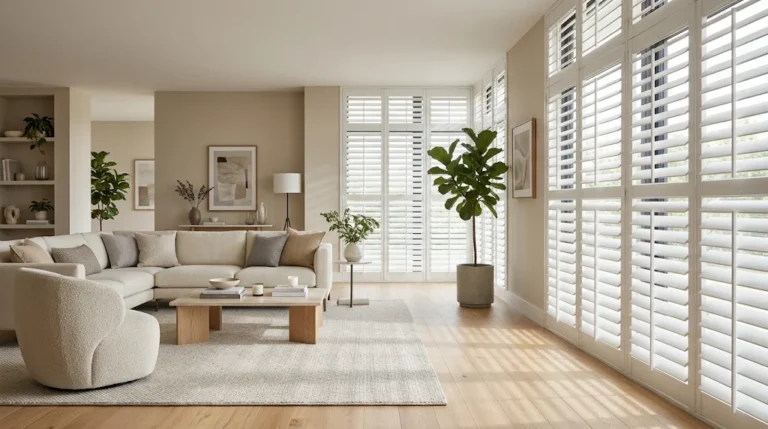
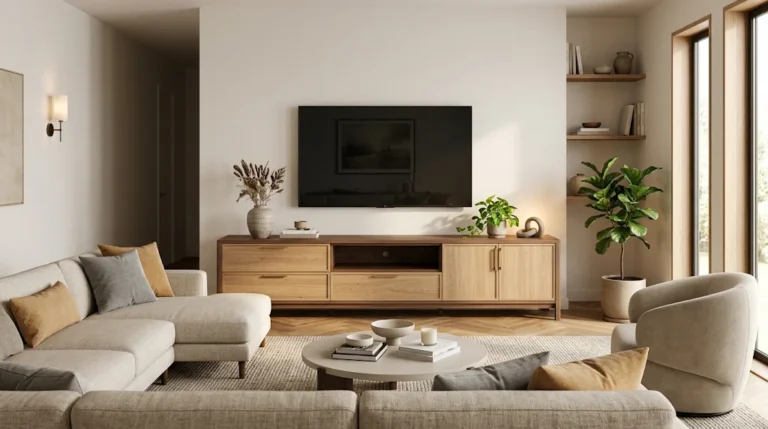
9 Ways to Make Our Home Look More Stylish: Best Décor Tips
A stylish home doesn’t have to be expensive, filled with designer furniture, or decorated according to the latest trends. Sometimes, […]
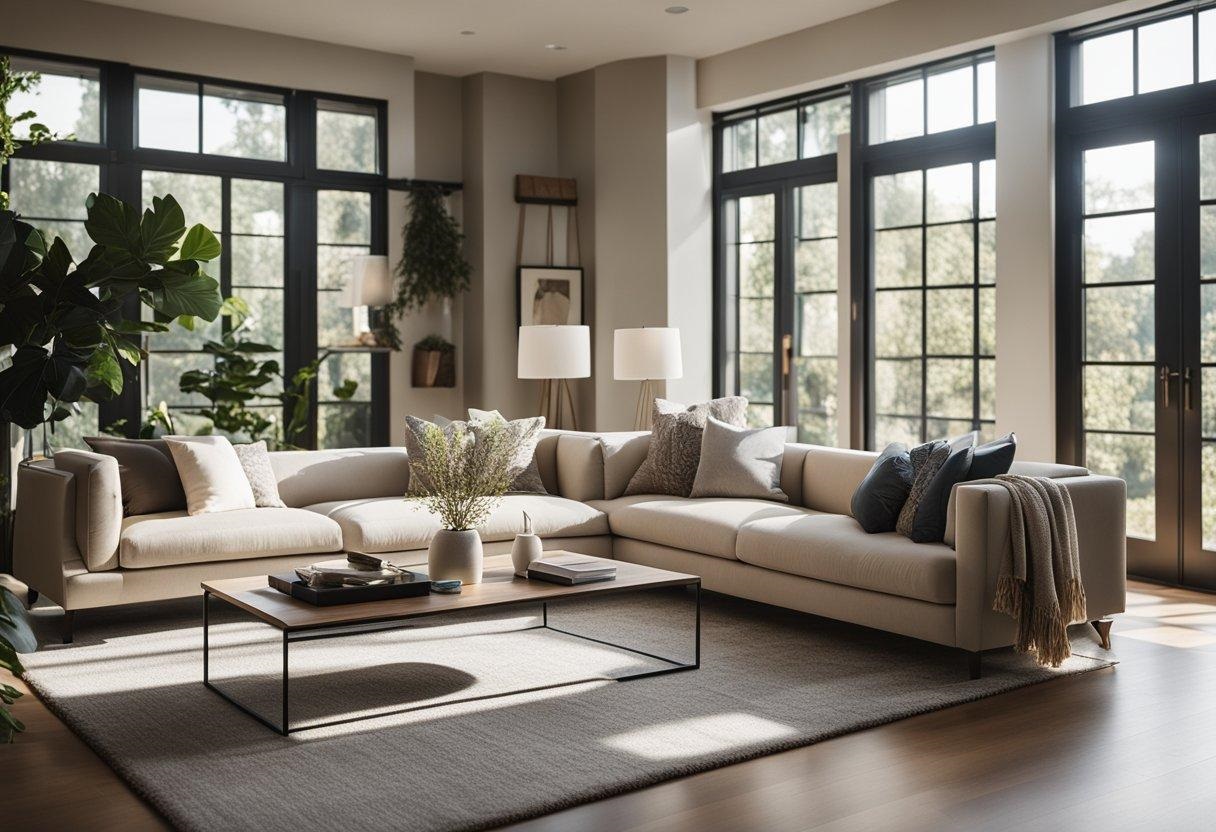
A stylish home doesn’t have to be expensive, filled with designer furniture, or decorated according to the latest trends. Sometimes, the smallest changes can make a room look more attractive, organized, and welcoming.
Whether you live in a suburban house, a small apartment, or a family townhouse, thoughtful interior design can help you create a space that reflects your personality.
If you’re searching for 9 ways to make our home look more stylish, the good news is that you can improve your interiors without starting a major renovation.
Simple improvements such as choosing coordinated colors, rearranging furniture, adding attractive lighting, and introducing decorative textures can completely change how a room feels.
The key is to balance comfort, functionality, and visual appeal rather than purchasing expensive items simply because they are fashionable.
In this guide, we’ll explore nine practical home decorating ideas for American homeowners and renters. You’ll also discover budget-friendly styling techniques, common decorating mistakes, and simple ways to make your home feel more polished.
Why Does Home Styling Matter?.
Interior design influences how people experience their living spaces.
Create a Comfortable Environment
A thoughtfully arranged room can make daily activities easier while creating a welcoming atmosphere for family members and visitors.
Express Your Personality
Your choice of colors, furniture, artwork, and accessories can reflect your preferences and experiences.
Make Better Use of Space
A stylish room should also function well. Good layouts, storage, and lighting can improve how easily you move through your home.
1. Choose a Coordinated Color Palette
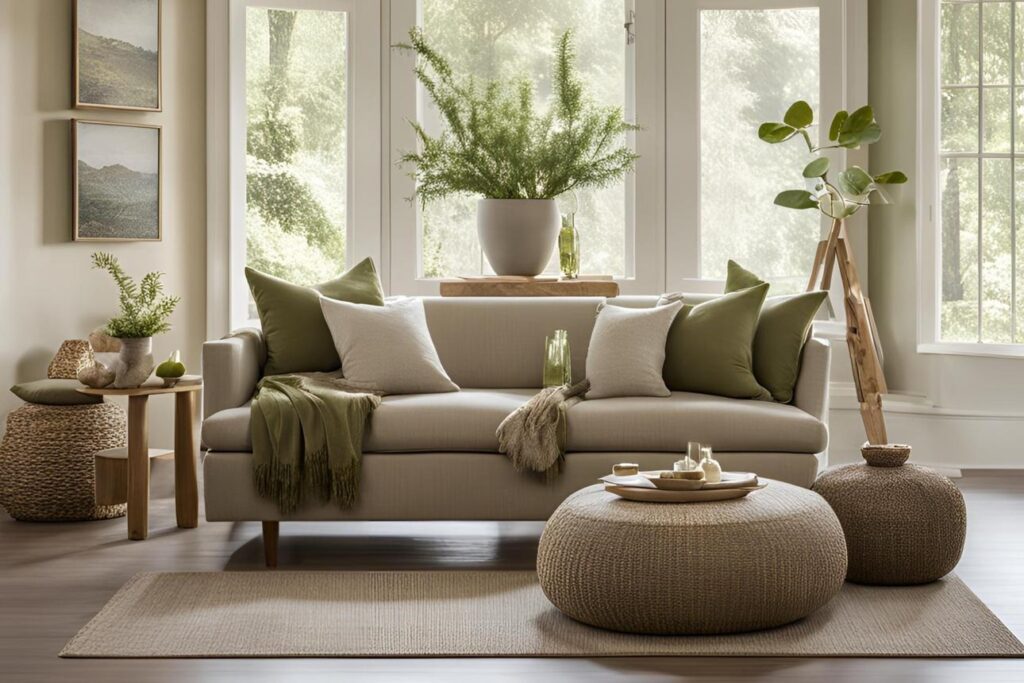
One of the easiest ways to create a polished home is to establish a consistent color scheme.
Start With Neutral Base Colors
Warm white, beige, cream, soft gray, and greige can provide flexible backgrounds for furniture and decorative accents.
Neutral colors can make coordinating different pieces easier.
However, a neutral palette is not essential for every interior. Rich colors can look equally sophisticated when used thoughtfully.
Add Two or Three Accent Colors
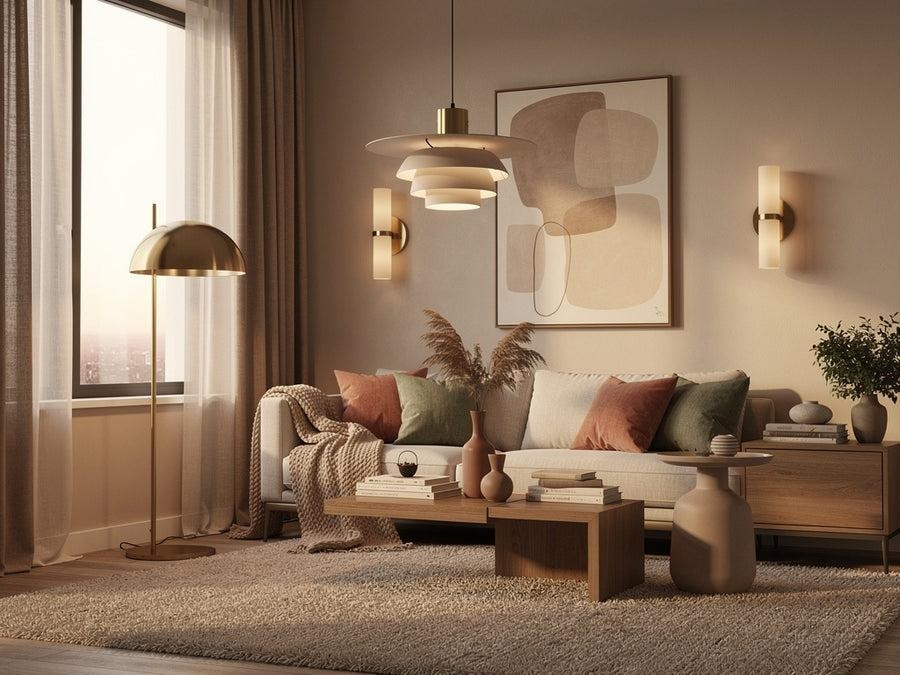
Consider introducing olive green, navy, terracotta, muted blue, or another color that complements your furniture.
Repeat selected colors through pillows, rugs, artwork, and accessories.
Test Paint Before Committing
Paint colors change in appearance depending on daylight, artificial lighting, and surrounding materials.
Apply samples and examine them at different times of day.
For indoor painting, choose suitable low-emission products where possible and follow recommended ventilation precautions.
2. Upgrade Your Home Lighting
Lighting can change a room’s appearance without replacing major furniture pieces.
Combine Different Lighting Sources
Interior designers commonly use three lighting layers: ambient, task, and accent lighting.
Ambient lighting provides general brightness, task lighting supports activities, and accent lighting highlights decorative features.
Add Table and Floor Lamps
A floor lamp beside a sofa or a table lamp near a reading chair can make a space feel warmer and more inviting.
Lamps also provide flexibility when overhead lighting feels too harsh.
Consider Statement Lighting
An attractive pendant light or chandelier can serve as a visual focal point.
Choose a fixture that suits the room’s proportions rather than simply selecting the largest design.
Use Appropriate Bulbs
Warm lighting can create a relaxed atmosphere, while brighter task lighting may be more practical for kitchens and workspaces.
Use compatible, energy-efficient bulbs and follow fixture safety ratings.
3. Rearrange Furniture for a Better Layout
You don’t always need to buy new furniture to make your home look better.
Create a Natural Focal Point
A fireplace, large window, artwork, or entertainment center can provide a visual anchor.
Arrange surrounding furniture to support the room’s main purpose.
Improve Walking Space
Avoid positioning furniture where it blocks doors, hallways, or frequently used pathways.
Comfortable circulation makes a room feel less crowded.
Balance Furniture Sizes
An oversized sectional can overwhelm a compact living room, while tiny furniture may look disconnected in a large space.
Choose pieces that relate well to the available area.
Avoid Pushing Everything Against the Walls
When space allows, moving seating slightly inward can create a more conversational arrangement.
Experiment with your existing furniture before investing in replacements.
4. Add Texture With Rugs, Cushions, and Curtains
Texture helps prevent interiors from looking flat or unfinished.
Mix Different Fabrics
Combine materials such as linen, cotton, velvet, wool, and woven textiles.
For example, a smooth sofa can look more inviting with textured cushions and a soft throw blanket.
Choose a Suitable Area Rug
A rug helps visually connect furniture and define a seating area.
In many living rooms, a rug looks more balanced when at least the front legs of major seating pieces rest on it.
Upgrade Window Treatments
Well-fitted curtains can soften a room and make windows more attractive.
Consider fabric weight, privacy needs, and available natural light.
Keep Patterns Balanced
Mixing patterns can work beautifully, but avoid competing designs that overwhelm the room.
Use a consistent color relationship to create cohesion.
5. Decorate Your Walls With Meaningful Artwork
Empty walls can sometimes make a room feel unfinished.
Thoughtfully selected artwork adds personality and visual interest.
Choose Art That Reflects Your Taste
Abstract prints, landscapes, photography, and handmade pieces can all work.
Select artwork you genuinely enjoy rather than copying a trend.
Create a Gallery Wall
Arrange framed photographs, prints, or illustrations into a coordinated display.
Maintain consistent spacing and plan the arrangement before installing hooks.
Consider Oversized Artwork
One large piece can create a strong focal point above a sofa, bed, or console.
This approach may feel less cluttered than several unrelated decorations.
Use Mirrors Strategically
A decorative mirror can reflect available light and create a greater sense of openness.
Secure heavy mirrors with appropriate wall anchors and hardware.
6. Introduce Plants and Natural Materials
Natural elements can make interiors feel warmer and more welcoming.
Add Indoor Greenery
Houseplants bring color, shape, and seasonal interest into living areas.
Choose varieties suited to your home’s light conditions and your ability to provide care.
Use Natural Wood Finishes
Wood furniture, trays, picture frames, and decorative bowls add warmth.
Different wood tones can work together when their overall appearance feels balanced.
Incorporate Stone and Ceramic
Ceramic vases, stone accessories, and textured pottery create visual variety.
These materials can complement both modern and traditional interiors.
Avoid Overcrowding
A few well-placed plants often look more intentional than filling every available surface.
If you have pets, check plant toxicity before purchasing.
7. Declutter and Create Stylish Storage
An organized home often looks more polished than one filled with unnecessary decorations.
Remove Unused Items
Start by reviewing shelves, countertops, and visible storage areas.
Keep items that are useful, meaningful, or contribute positively to the room.
Choose Attractive Storage Solutions
Woven baskets, cabinets, decorative boxes, and built-in shelving can help organize everyday belongings.
Keep Surfaces Balanced
A coffee table may need only a small tray, a book, or one decorative object.
Leave enough open space for practical use.
Organize Hidden Storage
Closets, drawers, and cabinets also deserve attention.
A functional storage system makes it easier to maintain an uncluttered appearance.
Avoid Perfectionism
A home should support everyday living, not resemble an untouched showroom.
Choose organization methods that are realistic for your household.
8. Refresh Small Details and Home Accessories
Small upgrades can create noticeable visual improvements.
Update Cabinet Hardware
Replacing outdated cabinet handles or knobs can refresh a kitchen or bathroom without installing new cabinetry.
Measure existing hardware before purchasing replacements.
Coordinate Decorative Accessories
Use trays, candles, books, picture frames, and ceramic pieces to create small styled arrangements.
Avoid purchasing decorative items without a clear purpose.
Refresh Bedding
Coordinated sheets, comfortable pillows, and a simple throw blanket can make a bedroom feel more inviting.
Improve Your Entryway
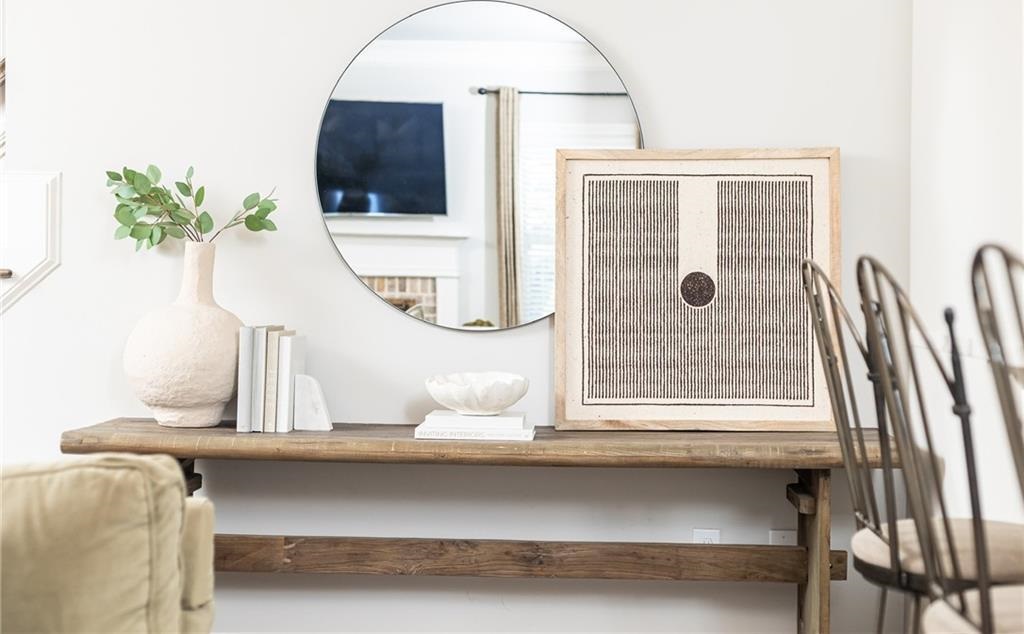
A mirror, compact console, and practical storage basket can create a welcoming entrance.
Consider Reusable and Secondhand Pieces
Vintage furniture, thrift-store finds, and repaired accessories can add character while helping manage decorating costs.
9. Create a Consistent Style Throughout Your Home
Your rooms don’t need to look identical, but some visual connections can make the entire house feel more cohesive.
Identify Your Preferred Design Style
Popular approaches include modern, traditional, minimalist, contemporary, Scandinavian, and transitional interiors.
You can also combine compatible elements from different styles.
Repeat Key Materials
Using similar wood finishes, hardware colors, or textile tones across rooms can create continuity.
Maintain a Common Color Direction
Each room can have its own personality while sharing a few complementary colors.
Include Personal Details
Family photographs, travel souvenirs, handmade décor, and inherited furniture can make the home feel distinctive.
Focus on Timeless Comfort
Instead of following every new decorating trend, invest in choices that suit your routine and preferences.
How to Make Your Home Stylish on a Budget
A major makeover isn’t necessary to create a more attractive interior.
Begin With What You Own
Rearrange furniture, change accessory placement, and move decorative items between rooms.
Prioritize Visible Improvements
Start with lighting, curtains, rugs, or an entryway refresh before considering expensive renovations.
Shop Secondhand
Thrift stores, estate sales, and online resale platforms may offer affordable furniture and accessories.
Inspect used items carefully before bringing them into your home.
Complete One Room at a Time
Concentrating on one space helps control expenses and creates a more coordinated result.
Home Decorating Ideas for Small Spaces
Smaller homes can feel stylish when furniture and storage are thoughtfully selected.
Use Multifunctional Furniture
Storage ottomans, nesting tables, and beds with drawers can help maximize available space.
Maintain Visual Openness
Avoid overcrowding walkways and choose furniture with appropriate proportions.
Use Vertical Storage
Shelving can help organize belongings without occupying excessive floor space.
Select Practical Lighting
Wall-mounted lights or compact lamps can free up valuable table space.
Common Home Styling Mistakes to Avoid
Buying Furniture Without Measuring
Always check room dimensions, doorway widths, and furniture sizes before purchasing.
Using Only Overhead Lighting
One harsh light source may leave rooms feeling flat.
Combine suitable lighting types.
Choosing Too Many Trends
An interior filled with unrelated fashionable pieces may quickly feel inconsistent.
Ignoring Functionality
A beautiful room should still support comfortable movement and everyday activities.
Forgetting Finishing Details
Untidy cables, poorly positioned artwork, and mismatched proportions can affect the overall appearance.
Frequently Asked Questions About Stylish Home Décor
1. What are the easiest ways to make a home look stylish?
Use coordinated colors, layered lighting, well-arranged furniture, textured fabrics, meaningful artwork, and organized storage.
2. How can I make my house look expensive on a budget?
Focus on clean layouts, attractive lighting, suitable curtains, coordinated accessories, and well-maintained furniture instead of expensive brand names.
3. Which colors make a home look elegant?
Warm whites, creams, muted greens, earthy tones, and deep accent colors can create elegant interiors when coordinated properly.
4. How can I decorate a small living room?
Choose appropriately sized furniture, use vertical storage, maintain clear pathways, and avoid excessive decorative clutter.
5. Do I need an interior designer to style my home?
No. Many improvements can be completed independently, although professional designers may help with complex layouts or larger renovations.
6. What decorative items improve a living room?
Area rugs, cushions, table lamps, artwork, plants, and carefully selected accessories can improve visual appeal.
7. How often should I update my home décor?
There is no fixed schedule. Update items when your needs or preferences change rather than replacing decorations simply because trends shift.
8. What is the most important rule of home styling?
Balance appearance with functionality. A stylish home should feel comfortable, organized, and personally meaningful.
Conclusion
Creating a beautiful home doesn’t require luxury furniture, expensive renovations, or constant decorating changes.
These 9 ways to make our home look more stylish focus on simple improvements that make everyday spaces more attractive and functional.
A coordinated color palette, thoughtful lighting, balanced furniture arrangements, and layered textures can transform the atmosphere of a room.
Artwork, natural materials, organized storage, and carefully chosen accessories add personality and polish.
The best approach is to make gradual changes that reflect your lifestyle and budget.
Start with one room, use what you already own, and focus on details that improve both appearance and comfort.
With thoughtful planning and consistent design choices, you can create a stylish, welcoming home that feels uniquely yours.

Written by Twastia Editorial Team
Twastia Editorial Team shares practical insights about website design, SEO services, Google Ads, content marketing, social media, conversion rate optimization, and digital marketing strategy.
Last updated: Oct 29, 2026
Related posts from Twastia
Explore more useful articles from twastia.com about digital marketing, SEO, websites, ads, content, and growth strategy.