Mylar Vacuum Seal Bags: Complete Guide for Storage & Packaging
Packaging has a simple job that becomes surprisingly complicated: protect the product until the customer is ready to use it. […]
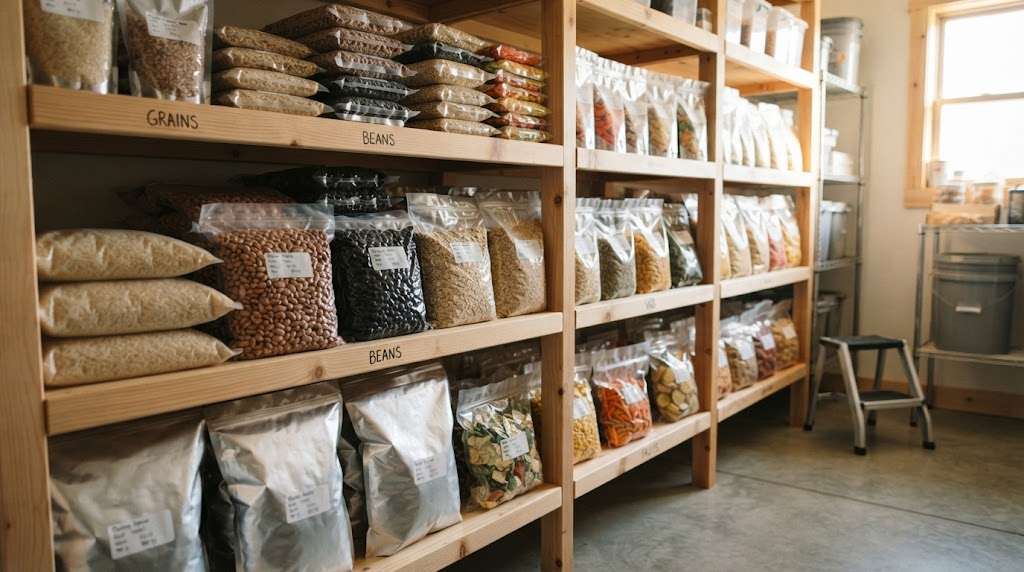
Packaging has a simple job that becomes surprisingly complicated: protect the product until the customer is ready to use it.
Air, humidity, light, odors, handling, and storage conditions can all affect product quality. For businesses selling dry foods, coffee, powdered products, specialty ingredients, or other sensitive items, choosing the right flexible packaging can therefore make a major difference.
That is where Mylar Vacuum Seal Bags come into the picture.
These high-barrier pouches combine durable flexible packaging with vacuum sealing, which removes air before the package is closed. Custom versions can also turn protective packaging into branded retail packaging by incorporating logos, colors, product information, finishes, and useful features such as tear notches or gussets.
Custom Boxes Deals currently offers custom Mylar vacuum-seal packaging in different sizes, thicknesses, and printed configurations. Its listed options include digital and gravure printing, matte and gloss finishes, Spot UV, foil stamping, tear notches, gussets, handles, and windows. The company currently lists a 100-unit minimum order quantity and free standard worldwide shipping on the product page.
For U.S. businesses comparing flexible packaging, however, appearance is only one consideration.
You also need to think about barrier performance, seal compatibility, product type, food-contact requirements, storage conditions, bag thickness, and the vacuum equipment you plan to use.
Here is what to know.
What Are Mylar Vacuum Seal Bags?
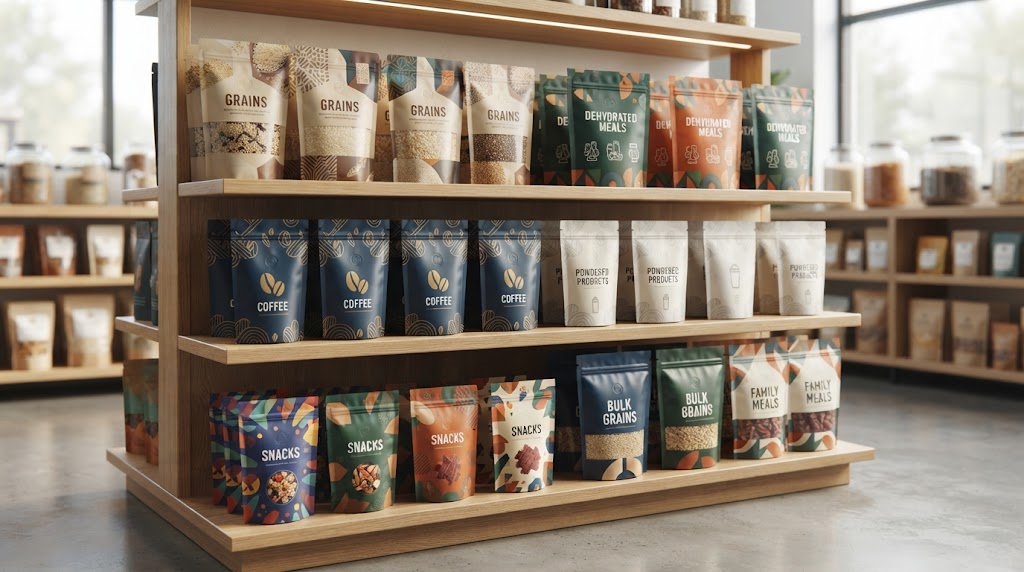
Mylar is commonly used as a commercial term for packaging built with polyester film, particularly polyethylene terephthalate, or PET.
A Mylar-style pouch is typically made from multiple layers rather than one simple sheet of plastic.
Depending on the design, those layers can help provide resistance to:
- Oxygen
- Moisture
- Light
- Odors
- Punctures
- Everyday handling
A vacuum-seal version is designed so air can be removed from the package before the opening is sealed.
The result is a compact package with less air surrounding the contents.
Custom Boxes Deals describes its current vacuum-seal Mylar products as PET/BOPET-based packaging designed to handle vacuum pressure while providing moisture and light protection.
How Does Vacuum Packaging Work?
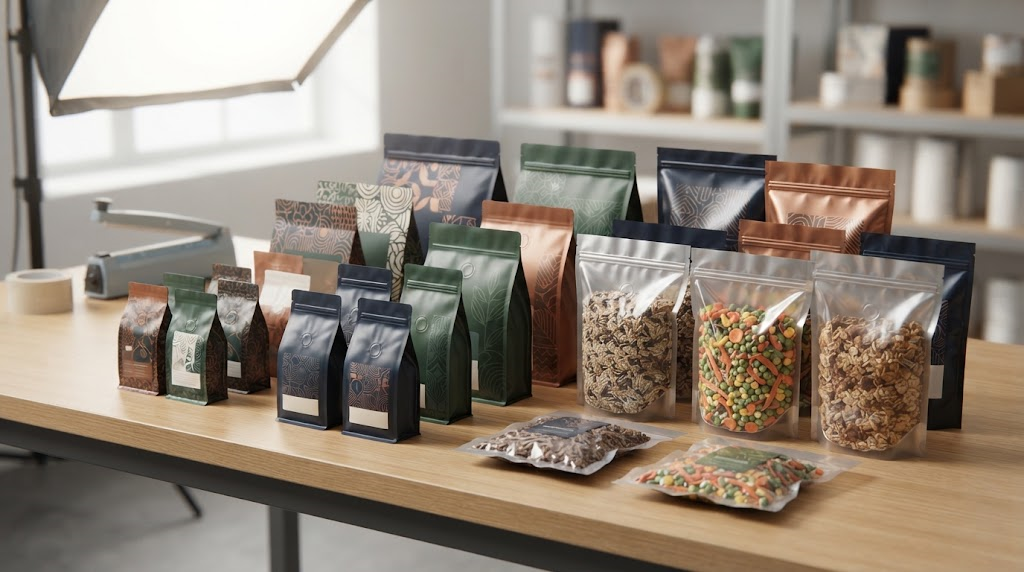
Vacuum packaging reduces the amount of air inside a package and then seals the opening.
The U.S. Food and Drug Administration defines vacuum packaging as a form of reduced-oxygen packaging in which air is removed and the package is hermetically sealed so that a vacuum remains inside.
In practical terms, a vacuum sealer generally:
- Removes air from the package.
- Compresses the bag around the product.
- Applies heat to create a closed seal.
Reducing oxygen exposure can be useful for some products because oxidation contributes to quality deterioration.
However, vacuum packaging is not automatically a safe preservation method for every type of food.
The FDA notes that reduced-oxygen packaging can create conditions in which certain harmful microorganisms become a concern if appropriate food-safety controls are not followed.
For commercial food businesses, packaging decisions therefore need to consider food safety requirements as well as shelf-life goals.
Why Businesses Use Mylar Vacuum Seal Bags
There are several reasons brands choose this style of flexible packaging.
Reduced Air Exposure
Removing excess air can help limit exposure to oxygen.
For suitable products, this can support quality retention and reduce oxidative changes.
The FDA notes that reduced-oxygen packaging can slow some oxidative processes and inhibit many aerobic spoilage organisms, although appropriate safety controls are still essential.
Moisture Protection
Dry products can lose quality when exposed to moisture.
Examples include:
- Rice
- Grains
- Powdered ingredients
- Dried foods
- Coffee
- Dehydrated meals
A high-barrier package can help limit moisture transfer when properly sealed and stored.
Light Protection
Some Mylar constructions use opaque or metallic barrier layers.
These can reduce light exposure, which may be useful for products sensitive to light.
Odor Control
A securely sealed high-barrier pouch can help contain product aromas while also reducing exposure to surrounding odors.
This can be useful for strong-smelling food products and specialty ingredients.
Common Uses for Mylar Vacuum Seal Bags
The right application depends on bag construction and product requirements.
Custom Boxes Deals currently promotes its vacuum-seal bags for applications including rice, grains, dehydrated meals, emergency food storage, powders, cosmetics, and other products requiring barrier packaging.
Dry Foods
Dry foods are among the most familiar applications.
Examples include:
- Rice
- Beans
- Pasta
- Dry grains
- Dehydrated vegetables
- Freeze-dried foods
- Baking ingredients
Because moisture levels and food safety requirements differ between products, businesses should validate the packaging system for the actual food being sold.
Coffee and Specialty Ingredients
Coffee and aromatic dry ingredients can benefit from packaging designed to control oxygen and odor exposure.
However, freshly roasted coffee releases carbon dioxide, so coffee packaging may require specialized valves or other design considerations rather than a basic vacuum pouch.
Powdered Products
Protein mixes, dry supplements, spices, and powdered ingredients often need protection from humidity.
A properly designed barrier pouch can also reduce storage space compared with rigid containers.
Emergency and Bulk Storage
Large bags are frequently associated with household emergency supplies and bulk dry-food storage.
Bag size should match the amount likely to be used after opening.
Several smaller packages can sometimes be more practical than one very large pouch because opening the large pouch repeatedly reintroduces air and moisture.
Mylar Bags vs. Regular Vacuum Bags
Not all vacuum bags provide the same barrier performance.
Standard clear vacuum pouches can work well for many everyday applications.
Mylar-style packaging is often selected when additional protection from light, oxygen, or moisture is desired.
Regular Clear Vacuum Bags
Advantages can include:
- Product visibility
- Easy identification
- Familiar vacuum-sealer compatibility
- Lower complexity
They may be ideal for short-term or refrigerated applications depending on their construction.
Mylar Vacuum Packaging
Potential advantages include:
- Stronger light barrier
- Premium retail appearance
- Custom printing
- High-barrier multilayer structures
- Broader branding opportunities
The correct choice depends on what you are packaging rather than which material sounds more premium.
Chamber Sealers vs. External Vacuum Sealers
Your packaging must work with your equipment.
Two common types of vacuum systems are chamber sealers and external suction sealers.
Chamber Vacuum Sealers
With a chamber machine, the entire pouch sits inside a chamber.
Pressure is reduced around the whole package before sealing.
These machines are common in commercial packaging environments and can produce consistent results for many products.
External Vacuum Sealers
External sealers remove air through the open end of the pouch while the body of the bag remains outside the machine.
They are popular for:
- Small businesses
- Home use
- Lower-volume operations
Custom Boxes Deals currently states that its vacuum-sealable Mylar bags can be produced for compatibility with both chamber and external sealing systems.
Before ordering thousands of custom bags, request samples and test them with the exact machine you plan to use.
How to Choose the Right Bag Thickness
Bag thickness affects flexibility, puncture resistance, cost, and sealing performance.
A lightweight dry powder may not need the same material thickness as a product with sharp edges.
Consider:
- Product weight
- Product shape
- Shipping method
- Storage period
- Handling conditions
- Vacuum pressure
- Required barrier performance
Custom Boxes Deals currently advertises different thickness options, including heavy-duty configurations up to 15 mil for applications requiring additional protection.
Thicker is not automatically better.
Very thick material may require different sealing temperatures or machinery.
Always test the full packaging system.
Custom Sizes Can Reduce Packaging Waste
Using a bag that is dramatically larger than the product wastes material and shelf space.
A bag that is too small can make filling and sealing difficult.
Custom sizing allows you to account for:
- Product volume
- Fill weight
- Headspace
- Seal area
- Gussets
- Branding
Custom Boxes Deals currently offers made-to-order dimensions ranging from small portion pouches to larger bulk storage formats.
Leave Enough Sealing Area
Do not design artwork or product fill too close to the seal zone.
The top of the pouch needs enough clean material for the equipment to create a secure seal.
Powders, oils, crumbs, and other contamination in the seal area can interfere with sealing.
Stand-Up Gussets and Other Add-Ons
The basic flat pouch is not the only option.
Useful packaging features can make the product easier to fill, display, carry, or open.
Custom Boxes Deals currently lists options such as:
- Tear notches
- Gussets
- Handles
- Transparent windows
- Custom sizes
Gussets
A bottom or side gusset expands as the pouch fills.
This can improve capacity and may allow some packages to stand upright.
Tear Notches
Tear notches provide a cleaner opening point for the customer.
Windows
A window lets customers see the product.
However, adding a transparent section can change the light-barrier characteristics of the package, so the feature should be chosen according to product needs rather than aesthetics alone.
Custom Printing Turns Storage Into Branding
Retail packaging is also advertising.
Instead of using a plain silver bag with a separate sticker, custom printing can integrate:
- Logo
- Brand colors
- Product name
- Instructions
- Ingredients
- Nutrition information
- Barcodes
- QR codes
- Compliance information
Custom Boxes Deals currently offers CMYK and PMS color options and highlights digital and gravure printing for its vacuum-seal bags. Available decorative finishes include matte, gloss, Spot UV, and foil stamping.
Matte Finish
Matte packaging can create a soft, modern appearance.
It is commonly used by premium food and specialty-product brands.
Gloss Finish
Gloss increases surface shine and can make colors look more vivid.
Spot UV
Spot UV highlights selected areas—such as a logo—using a contrasting glossy effect.
Foil Stamping
Metallic foil can create a premium visual finish for selected branding elements.
Design Packaging for the Shelf and the Screen
Many U.S. brands sell both in physical stores and online.
That means a package has to perform in two environments.
On a retail shelf, it should be easy to identify from several feet away.
Online, it should still look clear and distinctive in a small product thumbnail.
Prioritize:
- Simple brand hierarchy
- Readable product name
- Strong contrast
- Consistent colors
- Clear product size
- Essential claims only
Do not overload the front with tiny text.
Detailed information can be placed on the back or side panels.
Food-Contact Compliance Matters
If your bag touches food, packaging safety deserves careful attention.
The FDA considers packaging materials and their components to be food-contact substances when they come into contact with food. Packaging inks, coatings, adhesives, and other components can also be relevant depending on how they are used.
Before ordering commercial food packaging, ask the supplier for documentation appropriate to:
- The packaging material
- Your food type
- Storage temperature
- Expected contact conditions
FDA guidance distinguishes multiple food types and conditions of use because packaging suitability can depend on whether the food is dry, fatty, refrigerated, frozen, hot-filled, or stored at room temperature.
Do not assume that a bag described generally as “food safe” is automatically appropriate for every product and process.
Vacuum Sealing Does Not Replace Food-Safety Controls
This distinction is especially important for U.S. food businesses.
Vacuum packaging reduces oxygen.
It does not sterilize food.
FDA guidance notes that reduced-oxygen environments can create risks involving organisms such as Clostridium botulinum and Listeria monocytogenes when appropriate controls are not used.
Commercial businesses using vacuum packaging for potentially hazardous foods should follow applicable federal, state, and local requirements.
Do not choose packaging solely because it promises a very long shelf life.
Actual shelf life depends on:
- Product composition
- Water activity
- pH
- Processing
- Packaging
- Temperature
- Sanitation
- Storage conditions
Shelf-life validation should be based on the product and process, not on the pouch alone.
Ordering Custom Mylar Vacuum Seal Bags
Before requesting a quote, prepare the specifications.
Useful information includes:
- Bag width
- Bag height
- Gusset depth
- Product weight
- Required thickness
- Printing colors
- Finish
- Quantity
- Sealing equipment
- Add-ons
- Artwork format
Custom Boxes Deals currently lists a 100-unit MOQ per design, free design support, custom sizing, and free standard worldwide shipping on its product page. Standard turnaround is currently stated as approximately 6–8 business days after final artwork approval, while rush production is listed at roughly 3–5 business days with a surcharge.
These details can change, so confirm the current quotation and production schedule when ordering.
Test Before Placing a Large Order
A digital mockup tells you how packaging should look.
It does not tell you everything about real-world performance.
Before committing to a large production run, test:
- Bag fit
- Seal quality
- Vacuum performance
- Print appearance
- Puncture resistance
- Filling speed
- Shelf presentation
- Shipping durability
If possible, run samples through the same filling, vacuum, sealing, packing, and shipping process you plan to use commercially.
A small test can reveal expensive design problems before mass production.
Frequently Asked Questions About Mylar Vacuum Seal Bags
What are Mylar Vacuum Seal Bags used for?
They are used for products requiring high-barrier flexible packaging, including many dry foods, grains, powders, coffee-related products, dehydrated items, and bulk storage products.
Can Mylar bags be vacuum sealed?
Some can. The pouch structure must be designed for the intended vacuum sealer. Custom Boxes Deals currently offers bags intended for chamber and external vacuum-sealing equipment.
Are vacuum-sealed Mylar bags airtight?
A properly manufactured and correctly sealed pouch can form an airtight package, but performance depends on the bag material, seal quality, equipment settings, and handling.
Is vacuum sealing enough for long-term food storage?
No single bag guarantees food safety or a specific shelf life. Food composition, processing, moisture, temperature, sanitation, oxygen levels, and storage conditions all matter.
Can Mylar vacuum bags be custom printed?
Yes. Custom Boxes Deals currently offers custom printing, CMYK and PMS colors, and finishing choices including matte, gloss, Spot UV, and foil stamping.
Can I add a tear notch or gusset?
Yes. The company’s current customization options include tear notches, gussets, handles, windows, and custom dimensions.
What is the minimum order quantity?
Custom Boxes Deals currently lists a 100-unit minimum per design for this product.
Where can U.S. businesses order customized Mylar vacuum packaging?
Businesses can review Mylar Vacuum Seal Bags from Custom Boxes Deals for current sizing, printing, finish, add-on, quantity, and quotation options.
Conclusion
Mylar Vacuum Seal Bags combine two useful packaging strategies: high-barrier flexible materials and reduced-air packaging.
For suitable products, they can help limit exposure to oxygen, moisture, light, and outside odors while reducing the amount of space occupied by excess air.
For brands, custom printing adds another layer of value.
Instead of treating the pouch as nothing more than a storage container, businesses can turn it into customer-facing packaging through branded colors, logos, instructions, premium finishes, gussets, tear notches, and other functional features.
Custom Boxes Deals currently offers made-to-order vacuum-seal Mylar packaging in different sizes and thicknesses, with digital and gravure printing, multiple finishing options, useful add-ons, a 100-unit minimum order quantity, and custom quotation support.
Still, choosing the right bag requires more than selecting an attractive design.
Start with the product.
Understand what must be protected from moisture, oxygen, light, punctures, or odor transfer.
Then consider the equipment.
A pouch that performs well in a chamber sealer may have different requirements from one used with an external vacuum machine.
Next, think about the customer experience.
Choose a size that matches the portion. Make the package easy to open. Ensure branding is readable. Test whether the pouch stands, stacks, stores, and ships the way you expect.
For food applications, compliance and safety deserve additional attention. FDA guidance makes clear that food-contact packaging materials must be suitable for their intended conditions of use, and vacuum packaging itself should not be treated as a substitute for proper food-safety controls.
Finally, test before scaling.
Request samples whenever practical. Fill them with the real product. Run them through your actual sealer. Store them under realistic conditions. Pack them into shipping cartons and evaluate how they arrive.
Good packaging protects what is inside.
Great packaging does that while also making the product easier to store, easier to sell, and easier for customers to recognize.
That is where well-designed Mylar vacuum packaging can become more than a bag—it can become part of the product itself.

Written by Twastia Editorial Team
Twastia Editorial Team shares practical insights about website design, SEO services, Google Ads, content marketing, social media, conversion rate optimization, and digital marketing strategy.
Last updated: Oct 6, 2026
Related posts from Twastia
Explore more useful articles from twastia.com about digital marketing, SEO, websites, ads, content, and growth strategy.