OPPOLIA wardrobes: Best Designs, Materials & Custom Closet Buying Guide
A well-designed wardrobe does more than store clothes. It can transform a cluttered bedroom into an organized, comfortable space while […]
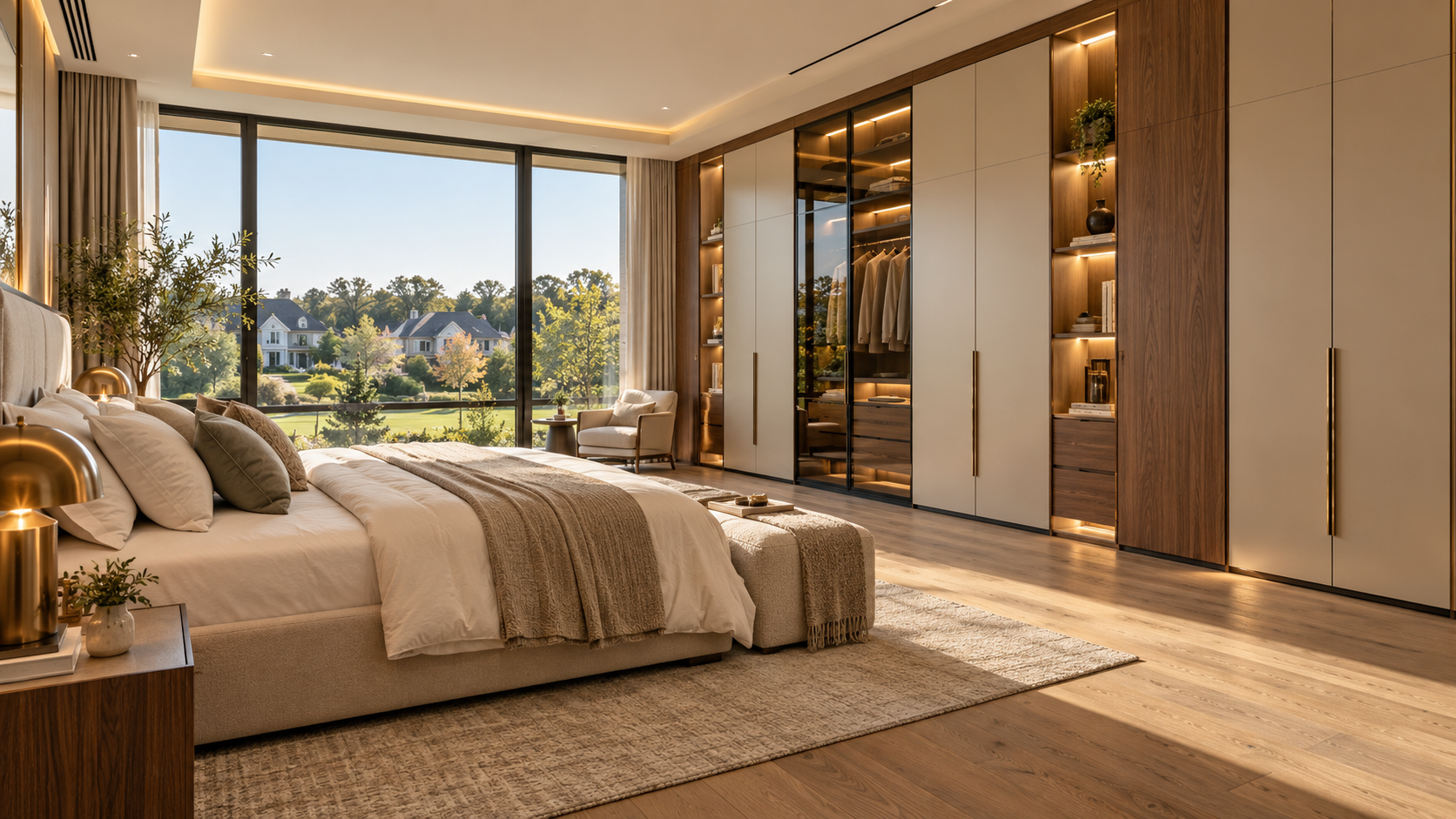
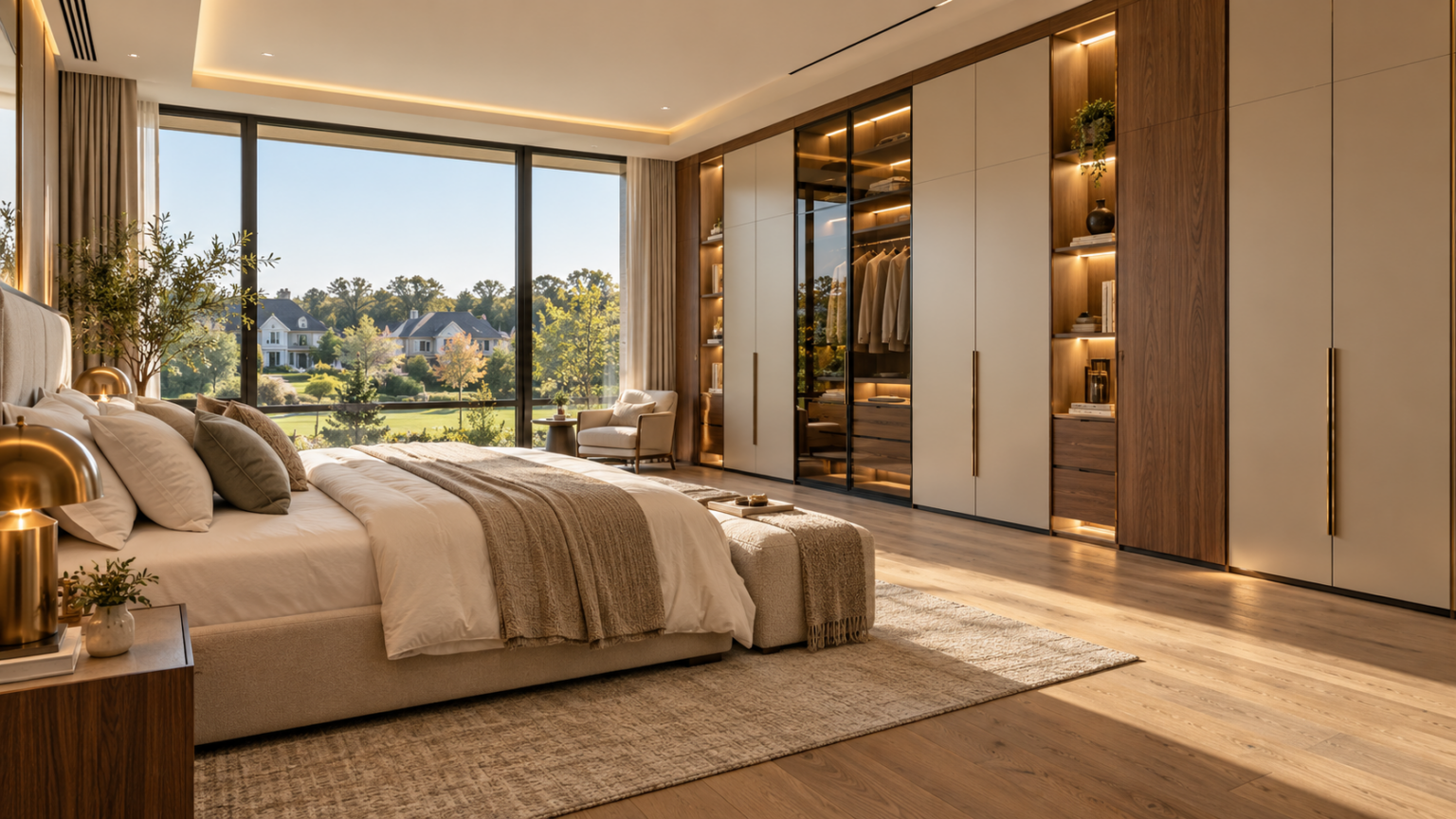
A well-designed wardrobe does more than store clothes. It can transform a cluttered bedroom into an organized, comfortable space while complementing the overall interior design.
However, finding the right storage solution is not always easy. Standard closets may waste valuable wall space, while ready-made furniture often fails to accommodate unusual room dimensions or specific storage needs.
For homeowners considering a customized bedroom upgrade, OPPOLIA wardrobes offer several design directions, including built-in cabinets, sliding-door systems, hinged wardrobes, and spacious walk-in closets.
OPPOLIA’s published collection features modern finishes, integrated storage arrangements, mirrored panels, and contemporary wardrobe layouts.
OPPOLIA Home
For American homeowners, choosing a custom wardrobe also requires evaluating measurements, available materials, installation responsibilities, and total project costs.
The ideal design should accommodate everyday clothing, shoes, accessories, and seasonal belongings without making the bedroom feel crowded.
This guide explains popular wardrobe styles, ten practical design strategies, material options, installation considerations, and important questions to ask before ordering custom cabinetry.
Why OPPOLIA Wardrobes Are Worth Exploring
Custom wardrobes allow homeowners to plan storage around the available room rather than adapting their belongings to a fixed furniture design.
OPPOLIA offers various fitted wardrobe configurations, including walk-in closets, sliding-door wardrobes, and hinged-door systems. Its catalog also includes designs featuring dressing tables, storage islands, glass panels, and contemporary finishes.
OPPOLIA Home
Better Use of Bedroom Space
Built-in cabinetry can make use of tall walls, corners, and other areas that freestanding wardrobes might leave empty.
Personalized Organization
Interior configurations can include separate spaces for long garments, folded clothes, shoes, and personal accessories.
Coordinated Interior Design
Cabinet finishes can complement bedroom flooring, wall colors, and other furniture.
Flexible Storage Features
Some custom systems offer choices involving shelves, drawers, doors, and lighting.
However, custom furniture is not automatically better than ready-made alternatives. Suitability depends on budget, available space, design quality, and installation.
Common Problems With Bedroom Wardrobes
Understanding typical storage problems makes it easier to design a practical replacement.
Insufficient Hanging Space
A wardrobe with too few hanging rails may leave coats, dresses, shirts, and formal clothing overcrowded.
Different garment lengths also require different hanging clearances.
Wasted Corner and Vertical Space
Standard cabinets may leave unused gaps above the wardrobe or beside bedroom walls.
These spaces can sometimes be incorporated into a properly designed fitted system.
Difficult-to-Access Storage
Deep shelves, poorly arranged drawers, and inconvenient door openings can make everyday items harder to retrieve.
Frequently used belongings should remain within comfortable reach.
Poor Ventilation and Lighting
Dark, crowded wardrobe interiors can make organizing clothes difficult.
Moisture and inadequate air movement may also contribute to musty odors, particularly in poorly ventilated rooms.
Address existing moisture problems before installing cabinetry.
10 Practical Ways to Design Better OPPOLIA Wardrobes
A successful wardrobe design begins with understanding how the room will be used.
1. Measure the Bedroom Carefully
Record wall lengths, ceiling height, window positions, electrical outlets, door swings, and baseboards.
Check whether floors and walls are level.
For built-in cabinetry, professional site measurements are preferable to relying only on a floor plan.
2. Choose the Right Wardrobe Layout
A straight wall wardrobe may suit a standard bedroom, while L-shaped or U-shaped arrangements can utilize additional walls.
Walk-in layouts require enough clearance for comfortable movement.
Select the configuration based on usable space rather than appearance alone.
3. Consider Sliding Doors for Compact Rooms

Sliding doors operate without swinging into the room, making them useful beside beds and narrow walkways. Check track quality and how much of the interior remains accessible when a panel is open.
4. Add Separate Hanging Zones
Plan different compartments for shirts, pants, coats, and longer garments.
Double hanging rails may improve capacity for shorter items, while full-height compartments suit dresses and long coats.
5. Include Drawers for Small Items
Drawers help organize accessories, folded clothing, and personal belongings.
Soft-close hardware can reduce slamming when properly installed.
6. Use Adjustable Shelving
Adjustable shelves provide greater flexibility when storage requirements change.
Plan enough space for folded sweaters, handbags, storage boxes, and seasonal items.
7. Consider Mirrored Wardrobe Doors

Mirrored Wardrobe Panels
Mirrored doors provide a convenient dressing mirror and can visually brighten smaller spaces. Confirm appropriate safety glazing, hardware quality, and cleaning requirements.
8. Plan Integrated Lighting
Wardrobe lighting can make shelves and hanging areas easier to use.
Consider suitable LED fixtures, cable routing, ventilation, and access for future maintenance.
Electrical work should meet applicable local requirements.
9. Select Durable Cabinet Materials
Evaluate panel thickness, surface durability, edge treatments, hinges, and drawer mechanisms.
The best finish depends on how frequently the storage will be used and the home’s environment.
10. Plan for Future Storage Needs

Flexible Interior Organization
Leave room for changing clothing collections and seasonal storage. Movable shelves and carefully sized compartments can make a wardrobe useful for longer.
A beautiful cabinet should also remain practical after the initial installation.
Best OPPOLIA Wardrobe Styles for Modern Bedrooms
OPPOLIA’s catalog includes several distinct wardrobe styles. These four options illustrate how different designs address different storage and room requirements.

1. Minimalist Built-In Wardrobes
OPPOLIA’s Modern White Minimalist Wardrobe Design, OBW23-L06, emphasizes a restrained appearance. Full-height cabinetry in neutral colors can suit contemporary bedrooms where visual simplicity is important.

2. Walk-In Closets With Islands
The Dark Grey Custom Built-in Closet with Island, OBW23-M04, demonstrates a larger dressing-room arrangement. An island can provide accessible drawers and countertop space when the room allows adequate circulation.

3. Hinged-Door Wardrobes
OPPOLIA lists an Off White and Elephant Grey Hinged Fitted Wardrobe, OBW23-L04. Hinged doors can provide broad access to the cabinet interior but require enough clearance to open fully.

4. Luxury Wood-and-Glass Closets
The Beige and Light Wood Walk-In Closet, OBW23-L05, illustrates a combination of warm wood tones, display storage, and contemporary detailing. Such designs suit homeowners who want an organized dressing room with a more decorative appearance.
These model names and designs appear in OPPOLIA’s published custom wardrobe collection. Actual configurations and available finishes should be confirmed with the supplier.
OPPOLIA Home
+1
Wardrobe Materials and Finishes: What Should You Choose?
The appearance of a wardrobe matters, but its material construction influences cleaning, durability, weight, and maintenance.
OPPOLIA describes finishes including lacquered MDF, melamine panels, textured engineered wood, glass, and aluminum framing.
OPPOLIA Home
| Material or finish | Main advantage | Important consideration |
|---|---|---|
| Melamine-faced panels | Many colors and wood textures | Edge quality and moisture protection matter |
| Lacquered MDF | Smooth, coordinated finish | Susceptible to scratches or chipping |
| Textured engineered wood | Natural-looking appearance | Quality depends on construction |
| Glass-front doors | Attractive display and visibility | Requires frequent cleaning |
| Aluminum framing | Slim, modern detailing | Hardware and assembly quality matter |
| Mirrored doors | Full-length reflection and visual openness | Safety glazing and track quality are important |
What About Low-Emission Materials?
For American homes, ask about the composite wood products used in the wardrobe.
The U.S. Environmental Protection Agency regulates formaldehyde emissions from certain composite wood products under TSCA Title VI. Imported cabinets and other covered finished goods can be subject to applicable requirements.
OPPOLIA Home
Request relevant product documentation rather than assuming a material is low-emission because it is marketed as environmentally friendly.
Custom Wardrobes vs. Ready-Made Closets
Choosing between custom cabinetry and freestanding furniture depends on the home and available budget.
| Feature | Custom wardrobe | Ready-made wardrobe |
|---|---|---|
| Dimensions | Designed for a measured space | Predetermined sizes |
| Layout | More customization options | Usually limited |
| Installation | Often requires professional fitting | May allow straightforward assembly |
| Relocation | Frequently difficult to move | Often easier to relocate |
| Upfront cost | Generally higher | Often lower |
Custom cabinets may be worth exploring when the room has awkward corners, sloped ceilings, or substantial storage requirements.
A ready-made wardrobe may be more practical for renters or anyone planning to move soon.
How Much Do OPPOLIA Wardrobes Cost?
The cost of custom wardrobes varies according to measurements, materials, interior accessories, finishes, hardware, lighting, and installation requirements.
A simple built-in cabinet generally has different costs from a large walk-in dressing room with glass doors and a central island.
Additional considerations for U.S. buyers include freight, customs arrangements, local installation, taxes, and any modifications required after delivery.
The reviewed OPPOLIA catalog does not establish a single verified U.S. retail price for all wardrobe configurations.
What Should Your Quote Include?
Ask for a detailed breakdown covering cabinet dimensions, board specifications, finish samples, hardware brands, drawer arrangements, lighting, transportation, installation, warranty terms, and payment milestones.
Confirm whether the quotation covers final site measurements and who is responsible if dimensions differ.
Step-by-Step Plan for Buying OPPOLIA Wardrobes
Step 1: Review Designs and Storage Needs
Explore the OPPOLIA wardrobes collection and shortlist styles that fit your room.
Create an inventory of hanging garments, folded clothes, shoes, and accessories before selecting compartments.
Step 2: Request Design Information
Provide accurate room measurements, photographs, and a description of the desired finish.
Ask for detailed drawings showing internal layouts, door openings, and dimensions.
Step 3: Verify Product and Delivery Terms
Confirm specifications, sample approvals, shipping arrangements, installation responsibilities, and warranty coverage.
American buyers should also establish whether U.S. delivery and local technical support are available for their particular order.
Step 4: Inspect the Finished Installation
Check alignment, shelves, door movement, drawer operation, visible finishes, and lighting.
Keep the purchase agreement and product documentation for future maintenance.
Common OPPOLIA Wardrobe Buying Mistakes to Avoid
One common mistake is selecting a design based solely on showroom photographs without measuring the actual bedroom.
Another is investing in decorative shelving while overlooking practical hanging and drawer space.
Buyers may also fail to confirm whether delivery, customs charges, and professional installation are included in a quotation.
Do not overlook door clearance, hardware quality, wall conditions, or access to electrical components.
Tall freestanding or partially secured cabinets can create tip-over hazards if improperly installed. Follow manufacturer anchoring instructions and use qualified installers for built-in systems.
Finally, avoid treating promotional renderings as guarantees of exact colors or materials. Physical samples and approved drawings provide better purchase references.
Frequently Asked Questions About OPPOLIA Wardrobes
What are OPPOLIA wardrobes?
OPPOLIA wardrobes are customizable bedroom storage systems offered in designs such as built-in wardrobes, hinged-door cabinets, sliding-door systems, and walk-in closets.
Are OPPOLIA wardrobes suitable for small bedrooms?
Certain fitted and sliding-door designs can be suitable for compact bedrooms. The correct choice depends on room dimensions, available clearance, and storage requirements.
Can OPPOLIA wardrobes be customized?
The company’s published collection describes customization options involving layouts, doors, internal storage, finishes, and selected accessories. Confirm the options available for a specific model.
Which wardrobe material is best for long-term use?
Well-constructed engineered wood panels, suitable surface finishes, and durable hardware can all provide practical service. Material quality, installation, and maintenance are more important than appearance alone.
Are sliding or hinged wardrobe doors better?
Sliding doors save swing space, while hinged doors can offer broader access to cabinet compartments. The ideal solution depends on the bedroom layout.
Can I add lighting to a custom wardrobe?
Many custom designs can incorporate integrated lighting. Electrical components should be suitable for the installation and comply with applicable local requirements.
Are OPPOLIA wardrobes available for customers in the USA?
OPPOLIA markets custom cabinetry internationally, but delivery coverage, distribution, installation support, and availability for a particular U.S. address should be confirmed directly before ordering.
How do I maintain a custom wardrobe?
Clean surfaces using manufacturer-approved methods, avoid prolonged moisture exposure, inspect hardware periodically, and keep sliding tracks free from debris.
Conclusion
OPPOLIA wardrobes offer homeowners an opportunity to explore customized bedroom storage with contemporary finishes, flexible layouts, and coordinated interior designs.
Whether you prefer a minimalist built-in wardrobe, a space-saving sliding-door system, or a spacious walk-in closet, selecting the right configuration begins with accurate measurements and realistic storage requirements.
Materials, hardware, lighting, installation, and long-term maintenance are just as important as appearance.
For American buyers, it is also essential to confirm product specifications, delivery arrangements, applicable material documentation, warranties, and local installation support.
Before purchasing, compare detailed drawings and physical finish samples, establish the complete project cost, and evaluate how the wardrobe will accommodate everyday belongings.
A thoughtfully planned closet can make a bedroom more organized, functional, and comfortable without sacrificing its individual style.

Written by Twastia Editorial Team
Twastia Editorial Team shares practical insights about website design, SEO services, Google Ads, content marketing, social media, conversion rate optimization, and digital marketing strategy.
Last updated: Oct 26, 2026
Related posts from Twastia
Explore more useful articles from twastia.com about digital marketing, SEO, websites, ads, content, and growth strategy.