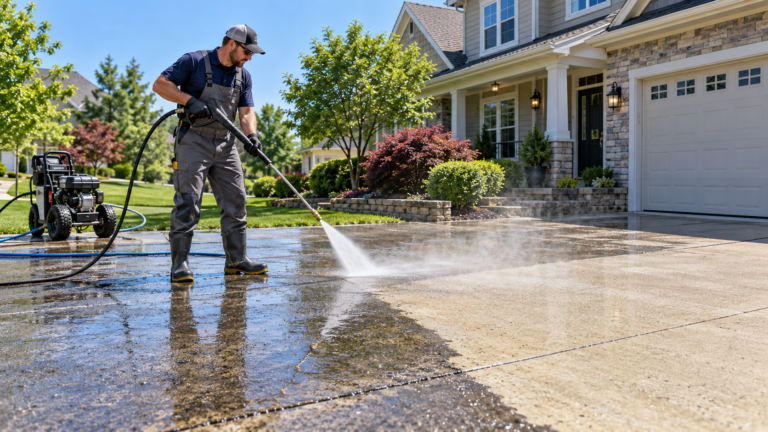
residential paving company: The Best Guide to Upgrading Your Driveway
Your home’s driveway is much more than just a place to park your vehicles; it is a vital component of […]
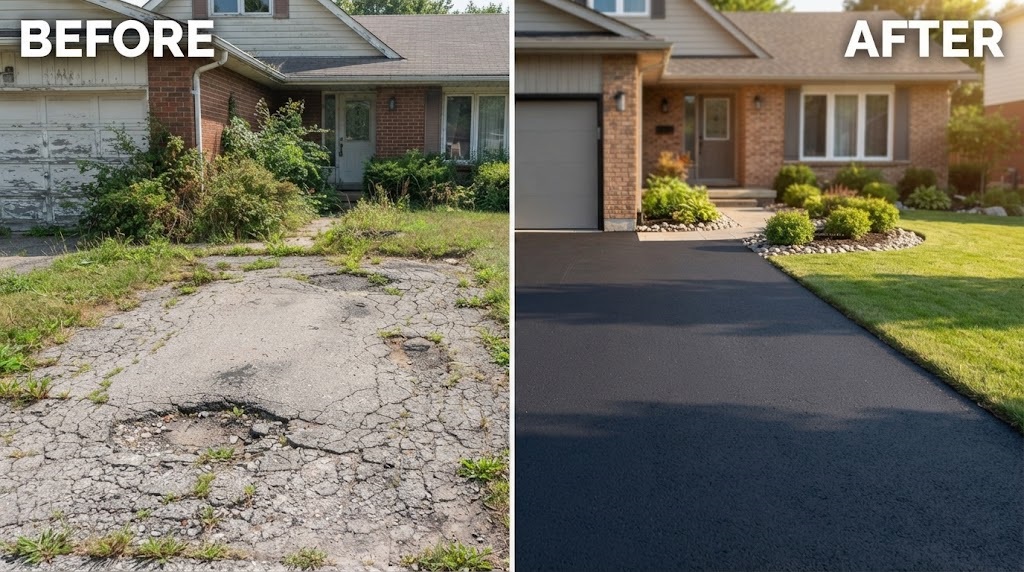
Your home’s driveway is much more than just a place to park your vehicles; it is a vital component of your property’s exterior aesthetic, a key factor in your home’s curb appeal, and a foundational element of your daily convenience. Whether you live in a bustling suburban neighborhood with strict Homeowner Association (HOA) guidelines or on a sprawling rural property, a smooth, durable driveway adds significant value to your real estate.
Over time, however, severe weather fluctuations, the heavy weight of vehicles, and natural soil settling take a massive toll on driveway surfaces. When cracks, potholes, and drainage issues begin to compromise your property’s safety and appearance, hiring a reputable residential paving company is the most effective way to restore your home’s exterior infrastructure.
Attempting to patch major asphalt damage with hardware store sealants or pouring DIY concrete slabs often leads to frustrating, short-lived results. Professional paving requires precise grading, heavy compaction machinery, advanced material science, and a deep understanding of local climate conditions. When you hire a specialized residential paving company, you are investing in decades of structural engineering expertise that ensures your new driveway can withstand freezing winter temperatures, blistering summer heat, and constant daily use without crumbling.
In this comprehensive guide, we will explore why hiring professional contractors is essential, identify the critical warning signs that indicate your driveway needs replacing, compare the benefits of different paving materials, and provide a step-by-step framework for selecting the most reliable contractors in your local area.
Why You Need a Professional residential paving company
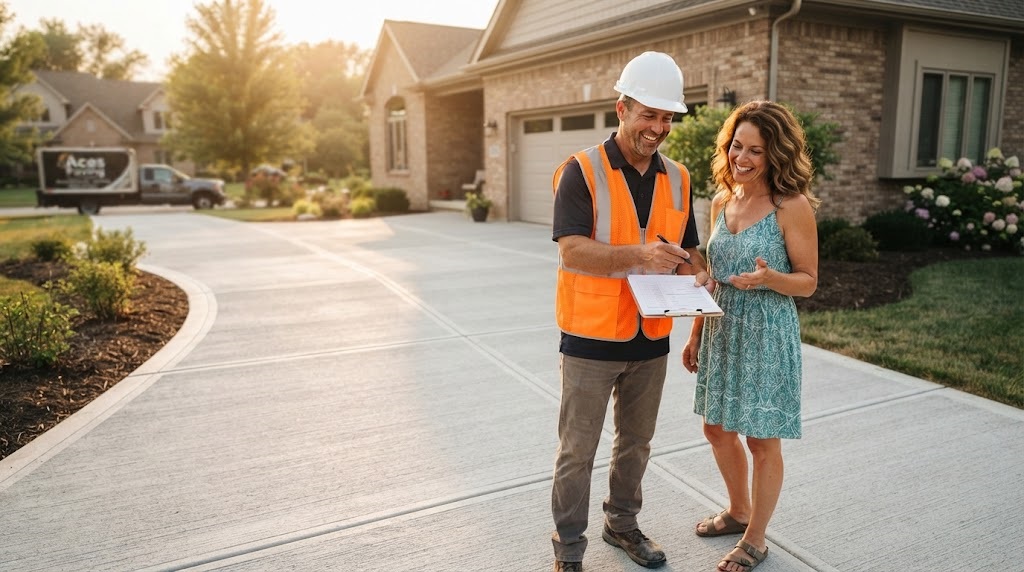
Many homeowners underestimate the complex engineering required to lay a driveway that will last for twenty to thirty years. Paving is not simply pouring blacktop or concrete onto the dirt; it requires meticulous preparation and specialized knowledge.
Expertise in Grading and Water Management
The most destructive force to any paved surface is improper water drainage. If a driveway is not perfectly graded, rainwater and melting snow will pool in the center or, even worse, flow directly toward your home’s foundation, leading to catastrophic basement flooding and structural erosion. A professional residential paving company utilizes laser transit levels and heavy grading equipment to ensure the subgrade has a precise slope, directing water safely away from your home and toward municipal storm drains or natural runoff areas.
Access to Heavy Machinery and Quality Materials
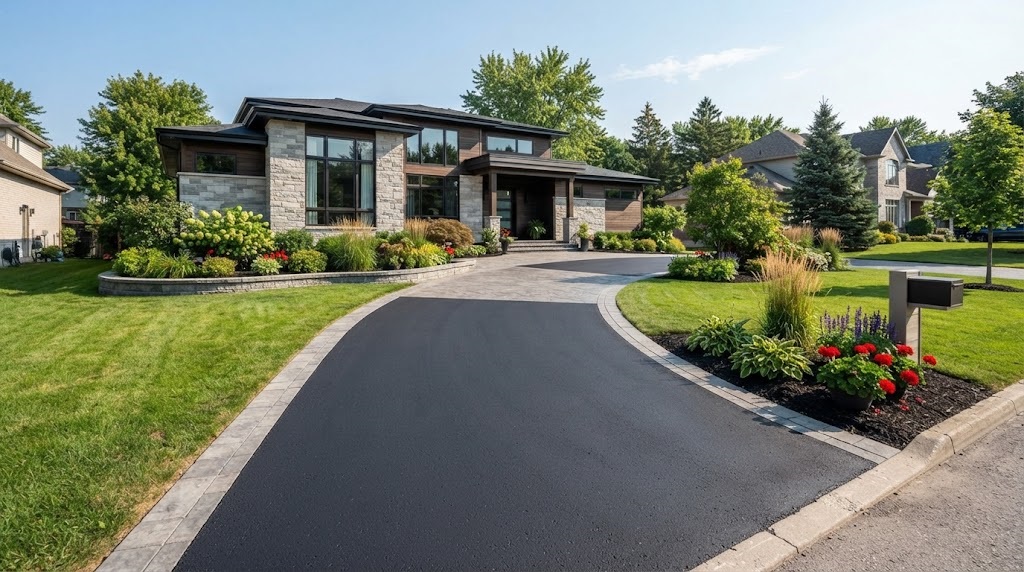
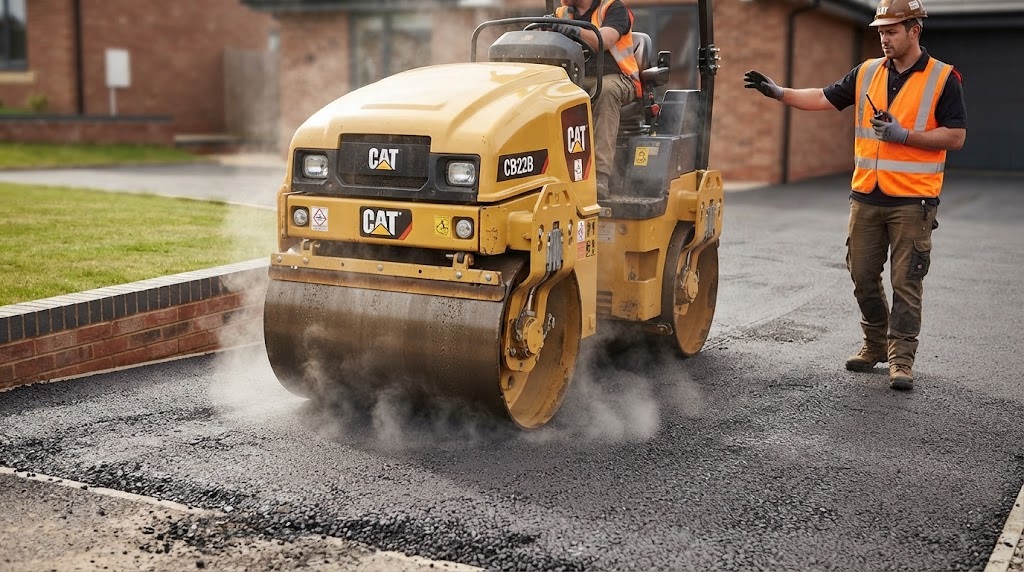
Applying hot-mix asphalt or reinforced concrete requires heavy-duty industrial equipment that is entirely unavailable to the average homeowner. A professional contractor brings specialized excavators for tear-outs, motor graders for leveling, and heavy vibratory rollers to achieve the required density and compaction. Proper compaction prevents the asphalt from unraveling or developing tire ruts. Furthermore, a licensed contractor sources commercial-grade materials directly from industrial batch plants, ensuring the mix is at the exact optimal temperature and consistency when it arrives at your property.
Signs It Is Time to Call a residential paving company
Knowing when to repair versus when to entirely replace a driveway can save homeowners thousands of dollars. Look out for these critical warning signs that indicate your driveway has reached the end of its functional lifespan.
Alligator Cracks and Deep Potholes
Over time, the sun’s UV rays oxidize asphalt, causing it to become brittle and lose its flexibility. This leads to an interconnected web of surface fractures commonly known as “alligator cracking” because it resembles the scales of a reptile. Once alligator cracks appear, water easily penetrates the surface, freezing and expanding during the winter to create massive potholes. If alligator cracking covers more than 30% of your driveway, consulting a residential paving company to patch or mill the surface is no longer a viable long-term solution; a full replacement is required.
Sinkholes and Drainage Issues
If you notice that certain sections of your driveway are sinking, creating depressions where standing water pools after a rainstorm, your driveway’s foundational sub-base has likely failed. Sub-base failure often occurs due to soil erosion, rotting tree roots beneath the surface, or improper installation by previous contractors. An experienced residential paving company will assess the grading, excavate the sunken areas, and rebuild the crushed stone foundation to restore structural integrity before laying a new surface course.
Fading, Raveling, and Crumbling Edges
If your asphalt driveway has faded from a rich, dark black to a pale, brittle gray, the essential binding oils have evaporated. This leads to “raveling,” a process where the aggregate rocks break loose from the binder, leaving a rough, sweeping mess of loose gravel on the surface. Additionally, crumbling edges along the sides of the driveway indicate that the original installation lacked proper edge support. A professional paving team will frame the driveway correctly, ensuring the edges are firmly compacted to prevent future deterioration.
Understanding Paving Materials for Your Driveway
Before signing any contracts, ask the residential paving company what materials work best for your specific climate, budget, and aesthetic preferences. The two most prominent choices in the United States are asphalt and concrete.
The Benefits of Asphalt Paving
Asphalt, commonly referred to as blacktop, is the most popular residential driveway material in the northern United States due to its flexibility and cost-effectiveness. Asphalt offers several distinct advantages:
- Climate Adaptability: Asphalt is a flexible material that can expand and contract with extreme temperature fluctuations. Its dark color also absorbs heat from the sun, helping melt snow and ice faster during harsh winters.
- Cost-Effective: Asphalt is generally much cheaper to install than concrete, making it an excellent choice for long or sprawling driveways.
- Fast Installation and Curing: An asphalt driveway can typically be laid in a single day, and homeowners can drive on it within 48 to 72 hours, whereas concrete requires a much longer curing period.
Concrete Paving for Modern Homes
Concrete is highly favored in the southern and western United States where extreme freeze-thaw cycles are less common. Concrete offers its own unique set of benefits:
- Exceptional Longevity: When properly installed and maintained with steel rebar or wire mesh reinforcement, a concrete driveway can easily last 30 to 40 years.
- Low Maintenance: Unlike asphalt, which requires sealcoating every two to three years, concrete is virtually maintenance-free, requiring only occasional pressure washing.
- Customization: Concrete can be stamped, stained, or exposed with aggregate to mimic the look of premium natural stone, brick, or tile, significantly boosting a property’s high-end curb appeal.
How to Choose the Best residential paving company
The paving industry unfortunately has its share of transient, fly-by-night contractors who offer low prices but deliver terrible results. Protecting your investment requires careful vetting and asking the right questions before hiring a contractor.
Verify Licensing, Insurance, and Local Reputation
Never hire a contractor who knocks on your door claiming they have “leftover asphalt” from a job down the street and can offer you a cheap cash deal. This is a common scam. A legitimate residential paving company will always carry active state contractor licenses, comprehensive general liability insurance, and workers’ compensation coverage. If a worker gets injured on your property and the company is uninsured, you could be held financially liable. Furthermore, check the company’s local reputation by reading Google Reviews, checking their rating with the Better Business Bureau (BBB), and asking for references from recent jobs in your neighborhood.
Ask About the Subbase and Drainage Plans
The secret to a driveway that lasts three decades is not what goes on top, but what lies underneath. Always ask a prospective residential paving company about their preparation methods. They should provide a detailed written contract specifying the depth of the excavation, the type of crushed aggregate stone used for the sub-base, the thickness of the sub-base (usually 4 to 8 inches depending on soil type), and the compacted thickness of the final asphalt or concrete layer. Vague contracts that simply state “install new driveway” are a massive red flag.
The Installation Process Explained
Knowing what to expect during the construction phase helps homeowners prepare for the disruption. A reliable residential paving company will follow a strict, multi-step process to ensure a flawless installation.
First, the crew will execute the demolition phase, using heavy machinery to rip out the old, damaged surface and haul the debris to a recycling facility. Next, the underlying soil is graded and sloped to ensure flawless water drainage. Following the grading, the crew lays down a thick layer of crushed stone, which is heavily compacted using vibratory rollers to create a solid, unyielding foundation. For asphalt driveways, a binder layer of large aggregate is poured, followed by a smoother, finer surface course of hot-mix asphalt. The entire surface is then compacted a final time to achieve maximum density and a beautiful, smooth finish.
Frequently Asked Questions
How much does a residential paving company charge for a new driveway?
The cost varies significantly based on geographic location, material choice, and driveway size. In the USA, asphalt paving typically ranges from $4 to $7 per square foot, while concrete paving ranges from $6 to $12 per square foot. Extensive grading, tree root removal, or complex drainage systems will increase the overall price.
How long does a newly paved driveway last?
With proper maintenance, a professionally installed asphalt driveway will last 15 to 20 years. A reinforced concrete driveway can last 30 to 40 years. The longevity depends heavily on the quality of the sub-base installation and routine homeowner maintenance.
Do I need to sealcoat my new asphalt driveway?
Yes, but not immediately. Asphalt requires time to cure and release its internal oils. You should wait at least 6 to 12 months before applying the first sealcoat. After that, it is recommended to have your driveway sealcoated every 2 to 3 years to protect it from UV oxidation, chemical spills, and water penetration.
When is the best time of year to pave a driveway?
For asphalt, the ideal time is during the late spring, summer, or early fall when temperatures are consistently above 50 degrees Fahrenheit. Hot-mix asphalt must remain hot to be compacted properly; if the weather is too cold, the asphalt will harden too quickly, resulting in a weak, poorly compacted surface.
What should I do if a contractor asks for a massive upfront cash deposit?
You should walk away. While it is standard practice for legitimate contractors to request a 10% to 30% deposit to secure a spot on their schedule and order materials, demanding 50% or more upfront—especially in cash—is a strong indicator of a potential scam. Always pay with a traceable method like a check or credit card.
Can I just pave over my old, cracked driveway?
This process, known as an overlay or resurfacing, is only viable if the existing driveway has a strong, structurally sound foundation and minor surface cracks. If your driveway has deep potholes, severe alligator cracking, or sinkholes, paving over the damage will simply cause the new layer to crack within a year. A full tear-out and replacement is required for structurally compromised driveways.
Conclusion
Upgrading your home’s driveway is a substantial financial investment that yields immediate returns through enhanced curb appeal, improved property valuation, and safer, smoother daily usage. Choosing the right residential paving company requires careful research, verifying insurance credentials, and insisting on transparent, detailed contracts that outline sub-base preparation and material thickness. By understanding the distinct advantages of
asphalt versus concrete and recognizing the early warning signs of surface deterioration, you can make informed decisions that protect your property for decades to come. Do not let crumbling edges and water-filled potholes ruin your home’s exterior beauty or threaten your foundation’s integrity. Contact a trusted residential paving company today to schedule a comprehensive evaluation, explore your material options, and transform your damaged driveway into a flawless, welcoming entrance to your home.

Written by Twastia Editorial Team
Twastia Editorial Team shares practical insights about website design, SEO services, Google Ads, content marketing, social media, conversion rate optimization, and digital marketing strategy.
Last updated: Oct 22, 2026
Related posts from Twastia
Explore more useful articles from twastia.com about digital marketing, SEO, websites, ads, content, and growth strategy.