Septic Inspection CT: A Complete Guide for Homeowners
Your septic system is one of the most important parts of your home, yet it often receives little attention until […]
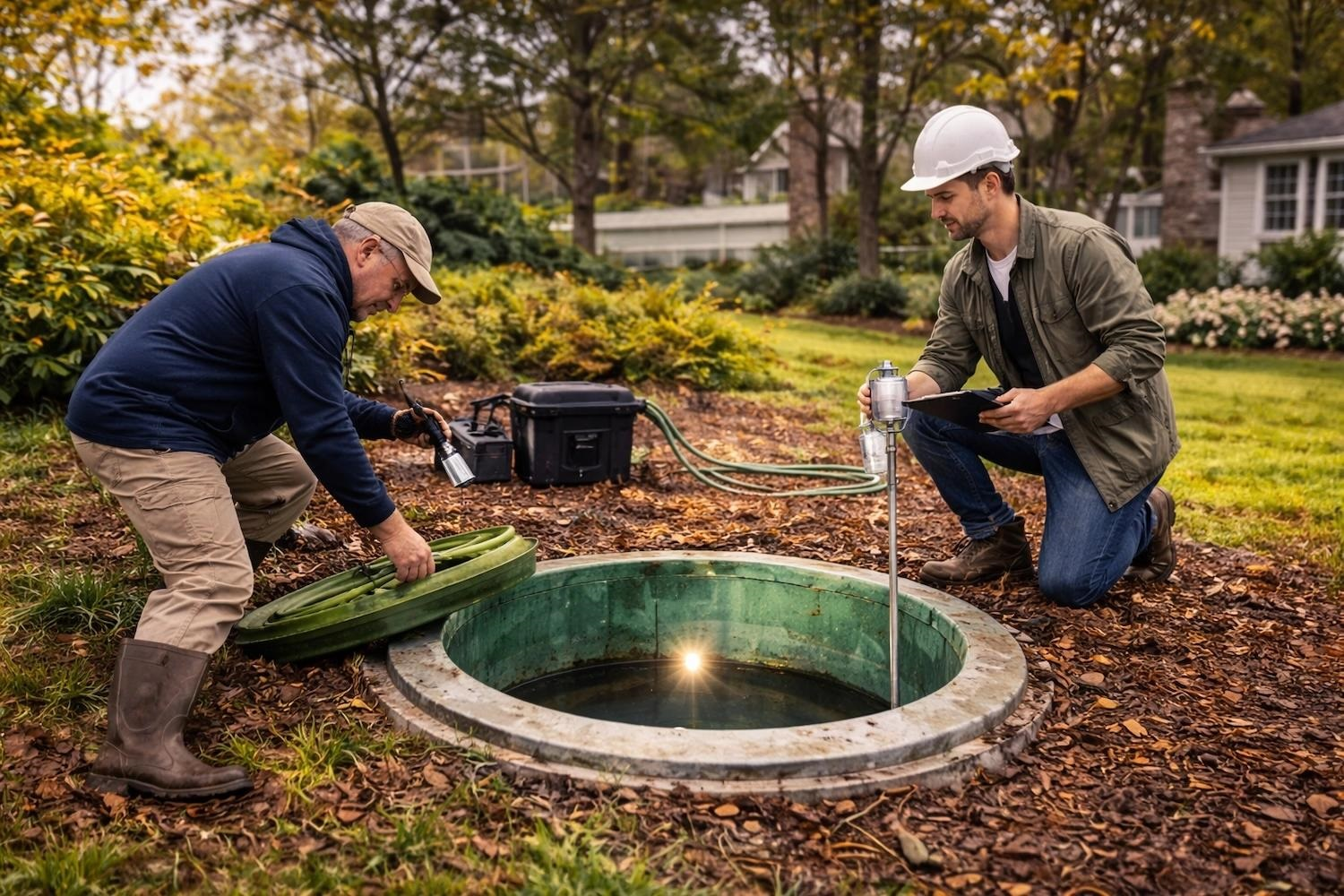
Your septic system is one of the most important parts of your home, yet it often receives little attention until something goes wrong. Slow drains, unpleasant odors, and wastewater backups can create stressful situations and potentially lead to expensive repairs.
For homeowners in Connecticut, regular septic inspections help identify developing problems, support responsible maintenance, and protect surrounding soil and groundwater.
Whether you own a property in Fairfield County, New Haven County, or another part of the state, understanding when and why to schedule a septic inspection CT can help you avoid unexpected problems.
Inspections are especially important when buying a house, preparing to sell, or investigating unusual drainage conditions.
This guide explains how septic inspections work, warning signs to recognize, Connecticut regulations, inspection costs, and practical ways to maintain a reliable wastewater system.
What Is a Septic Inspection?
A septic inspection is a professional evaluation of an onsite wastewater treatment system.
The purpose is to assess visible components, identify potential problems, review maintenance conditions, and determine whether additional investigation or repairs may be necessary.
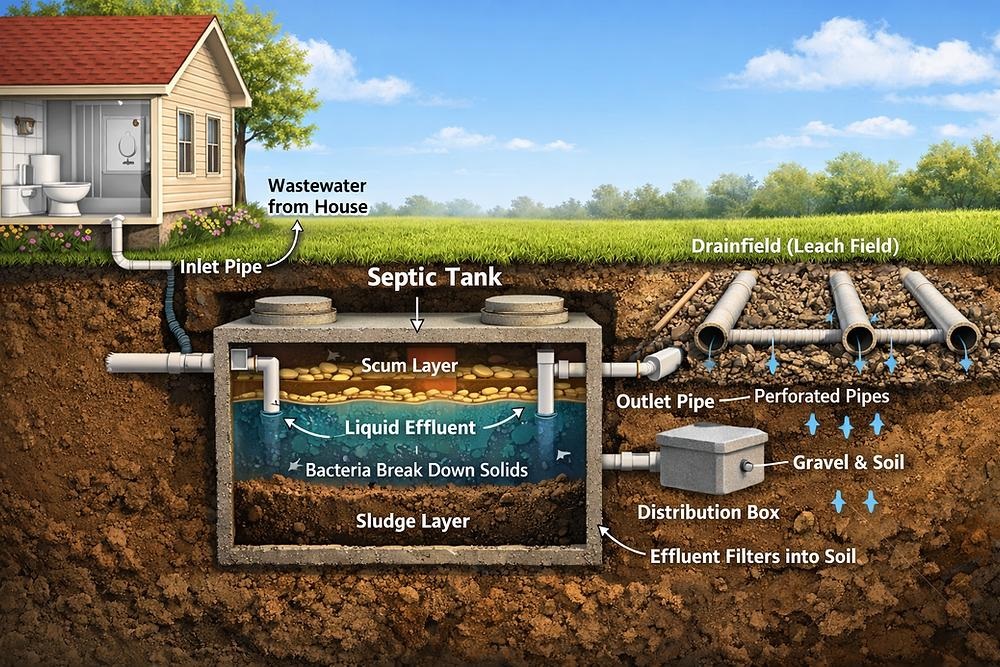
Most conventional residential septic systems include a tank, connecting pipes, and an underground drain field.
During an inspection, a qualified professional evaluates accessible components and looks for conditions that may affect performance.
The scope varies depending on the system design, accessibility, and type of inspection requested.
An inspection cannot guarantee that the system will continue operating without problems in the future.
How Does a Septic System Work?
Understanding the basic process makes inspection findings easier to interpret.
Wastewater Enters the Septic Tank
Wastewater from sinks, showers, toilets, and other household plumbing fixtures travels through an underground pipe into the septic tank.
Inside the tank, heavier solids settle to the bottom, forming sludge. Grease and lighter materials rise toward the surface, creating a scum layer.
Wastewater Moves Toward the Drain Field

Partially treated liquid exits the tank and enters the underground soil absorption area.
The soil provides additional treatment as wastewater moves through it.
Proper drainage depends on soil characteristics, groundwater conditions, system capacity, and maintenance.
When components become damaged or overloaded, wastewater may back up or reach the ground surface.
Why Is Septic Inspection Important in Connecticut?
Connecticut properties experience changing temperatures, seasonal rainfall, and varying groundwater conditions.
These environmental factors can influence how effectively an underground wastewater system operates.
Identify Problems Before They Become Severe
Professional inspections may reveal damaged pipes, excessive solids, deteriorated components, or drainage concerns.
Addressing problems early can prevent smaller issues from becoming more complicated.
Protect Your Property
Wastewater backups can damage flooring, drywall, and belongings.
A malfunctioning drain field may also create wet, unpleasant areas around a property.
Support Environmental Protection
Proper septic operation helps reduce the risk of untreated wastewater reaching nearby soil and groundwater.
This is especially important for properties near wells, streams, and sensitive environments.
What Happens During a Septic Inspection CT?
Inspection procedures vary, but a thorough evaluation generally considers several important components.
1. Reviewing Property and Maintenance Records
The inspector may request previous inspection reports, installation plans, pumping records, and repair documentation.
These records provide useful information about system age, configuration, and past problems.
The local health department may also have approved plans or historical records.
2. Locating the Septic Tank
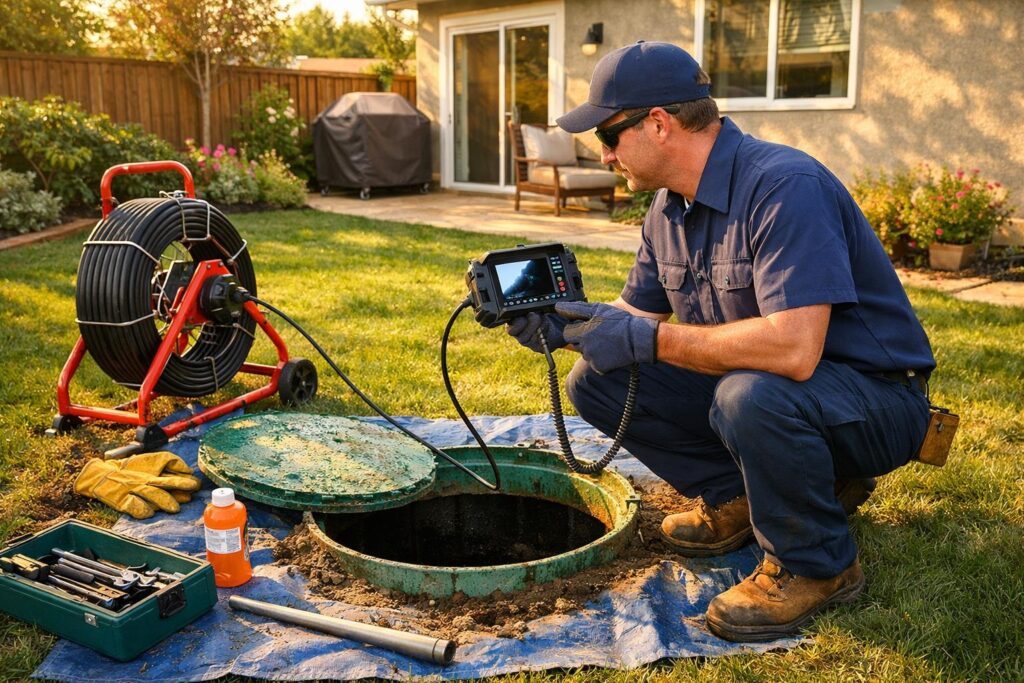
The technician identifies the tank and relevant underground components.
Existing diagrams, access covers, and appropriate locating equipment may help determine their positions.
Safe access is essential. Homeowners should never enter a septic tank because dangerous gases and oxygen-deficient conditions can cause fatal injuries.
3. Checking the Tank
The inspector may examine accessible tank components, structural condition, inlet and outlet connections, and wastewater levels.
Sludge and scum measurements help determine whether pumping is necessary.
Damaged baffles, unusually high liquid levels, or evidence of leakage may require further investigation.
4. Evaluating the Drain Field
The surrounding soil absorption area is assessed for visible warning signs.
Standing wastewater, unusually saturated soil, or sewage odors can indicate drainage problems.
However, a dry surface does not necessarily prove that the underground system is functioning properly.
5. Inspecting Pipes and Connections
Connecting pipes may be evaluated for blockages, damage, or other concerns.
Camera inspections can provide useful information about accessible sewer lines.
However, a sewer camera examination does not replace a complete septic tank and drain-field assessment.
6. Preparing an Inspection Report
After completing the evaluation, the inspector should explain significant findings.
A useful written report identifies inspected components, limitations, observed problems, and recommended next steps.
Homeowners can use this documentation when discussing maintenance, repairs, or property transactions.
How Often Should Connecticut Homeowners Schedule Inspections?
The U.S. Environmental Protection Agency recommends having an average household septic system inspected at least every three years.
Septic tanks typically require pumping every three to five years, depending on system size, household occupancy, and wastewater use.
Systems with mechanical or electrical components may need more frequent attention.
Connecticut’s Department of Public Health also recommends inspection and pumping by appropriately licensed septic professionals as needed.
A professional can help establish a maintenance schedule suitable for your property.
Warning Signs Your Septic System Needs Immediate Attention
Several symptoms suggest that an inspection should not be delayed.
- Slow drains: Multiple slow-draining fixtures may indicate wastewater flow problems.
- Sewage backups: Wastewater entering toilets, bathtubs, or basement drains requires urgent attention.
- Unpleasant odors: Persistent sewage smells near the tank or drainage area may signal malfunction.
- Standing water: Saturated ground above the drain field may indicate improper wastewater dispersal.
- Unusual gurgling: Strange plumbing sounds can suggest a blockage or drainage issue.
These symptoms are not always caused by septic failure. A qualified professional should identify the underlying problem before major repairs are authorized.
If sewage enters your home, avoid direct contact and arrange appropriate professional assistance.
Septic Inspections When Buying or Selling a Home
A septic system can represent a substantial financial responsibility, making its condition important during real estate transactions.
Why Home Buyers Should Request an Inspection
Purchasing a property without understanding its wastewater system can expose buyers to unexpected repairs.
The Connecticut Department of Public Health recommends reviewing maintenance records, examining property conditions, and obtaining appropriate professional information.
Buyers should also request existing system drawings and speak with the local health department.
Are Septic Inspections Required in Connecticut?
Connecticut does not impose a single statewide inspection requirement for every existing septic system during a home sale.
However, inspections may be requested by buyers, lenders, or other parties involved in a transaction.
Local circumstances can also affect applicable requirements.
Connecticut publishes a recommended minimum existing septic system inspection report intended to encourage consistent evaluations.
Ask your inspector whether this reporting format will be used.
Connecticut Septic Regulations and Licensing
Connecticut regulates onsite wastewater systems through the Department of Public Health and local health authorities.
State requirements address system design, installation, repair, and applicable permitting.
Updated septic regulations and technical standards became effective September 1, 2026.
These changes should be considered when planning work subject to current requirements.
Connecticut does not issue a separate state certification specifically for existing septic system inspectors. However, septic system installers and tank cleaners are subject to state licensing requirements.
Before hiring, confirm the provider’s qualifications and the licenses required for the work being performed.
Consult your local health department when planning significant repairs or replacements.
How Much Does a Septic Inspection Cost in CT?
Inspection pricing varies according to the property’s location, system accessibility, inspection scope, and required equipment.
A basic evaluation may cost less than an extensive investigation involving buried components or additional diagnostic services.
Other factors include:
- Property size and system complexity
- Availability of existing records
- Tank access requirements
- Camera inspection needs
- Additional testing or pumping services
Request an itemized quotation instead of relying on an advertised starting price.
Confirm whether opening access covers, documentation, and any required follow-up services are included.
Choosing a Reliable Septic Inspection Company
Selecting the right professional is essential for obtaining useful findings.
Verify Experience
Look for experience with Connecticut septic systems and common regional drainage conditions.
Ask whether the provider regularly performs residential inspections and works with local health departments.
Request Clear Documentation
A professional report should explain what was examined and identify any limitations.
Be cautious of assessments that promise a system will never fail.
Compare Services and Pricing
Determine whether the company performs inspections only or also provides pumping, repairs, and installation.
Confirm that additional services require your approval.
Local Septic Inspection and Repair Services in Connecticut
Homeowners researching septic inspection CT services can explore Unlimited Excavation and Construction.
According to its website, the family-owned Connecticut company has operated for more than 30 years.
Its advertised services include septic and sewer inspections, underground pipe repairs, drain cleaning, septic installation, and related excavation work.
The company serves areas including Fairfield County and New Haven County, with listed service communities such as Bridgeport, Orange, Trumbull, Fairfield, and Stratford.
It also advertises emergency assistance and free estimates.
Property owners should confirm current availability, inspection scope, qualifications, and pricing directly before scheduling.
How to Prepare for a Septic Inspection
A little preparation can help the appointment proceed smoothly.
Locate previous pumping receipts, repair records, and any available installation plans.
Identify the approximate septic tank and drain-field locations.
Ensure the inspector can access relevant parts of the property without unnecessary obstructions.
Provide information about recurring backups, odors, or drainage issues.
Do not open or enter septic tanks yourself.
If you are purchasing a property, coordinate with the seller to arrange appropriate access and permissions.
How to Maintain Your Septic System
Schedule Appropriate Pumping
Regular pumping removes accumulated solids before they interfere with system operation.
Follow the service professional’s recommendations based on actual tank conditions.
Avoid Flushing Harmful Materials
Flush only human waste and toilet paper.
Dispose of wipes, paper towels, grease, and household chemicals appropriately.
These materials can create blockages or disrupt treatment.
Manage Household Water Use
Spread laundry loads throughout the week and repair leaking toilets or faucets promptly.
Excessive wastewater can overload the septic system and interfere with proper drainage.
Protect the Drain Field
Avoid parking vehicles, installing heavy structures, or planting large trees directly over the drain field.
Keep roof runoff and other unnecessary water sources away from the soil absorption area.
Common Septic Inspection Mistakes to Avoid
One mistake is assuming that pumping the tank automatically confirms the entire septic system is functioning correctly.
Another is relying exclusively on a sewer camera inspection without evaluating other important components.
Homeowners may also ignore maintenance records or delay inspections until visible wastewater problems develop.
Avoid purchasing a property based only on verbal assurances about septic condition.
A documented professional evaluation, combined with available historical records, provides a better foundation for decisions.
Frequently Asked Questions About Septic Inspection CT
Is a Septic Inspection Required When Buying a Home in Connecticut?
Not every Connecticut home sale has a statewide mandatory septic inspection requirement.
However, inspections may be requested during a transaction and are strongly worth considering when purchasing a property with an onsite wastewater system.
How Long Does a Septic Inspection Take?
The duration depends on system complexity, accessibility, and the examination required.
Ask your provider for an estimated appointment length and confirm whether additional excavation or testing may be necessary.
Can a Septic Inspection Detect Underground Problems?
An inspection may identify signs of underground problems through accessible components, records, and diagnostic equipment.
However, hidden defects may remain undetected, and no inspection guarantees future performance.
How Often Should a Septic Tank Be Pumped?
Many household septic tanks are pumped every three to five years.
Actual frequency depends on tank capacity, household size, wastewater generation, and accumulated solids.
Can I Inspect My Septic System Myself?
Homeowners can observe warning signs and maintain service records.
However, evaluating tank interiors, underground pipes, and drain-field performance requires appropriate professional expertise and safety precautions.
Does a Septic Inspection Include Pumping?
Not necessarily.
Inspection and pumping are different services, although some providers offer both.
Confirm exactly what is included in your quotation.
What Happens if a Septic System Fails Inspection?
The inspector should explain the observed problems and recommend further evaluation or corrective action.
Depending on the issue, solutions may involve maintenance, targeted repairs, or system replacement with appropriate local approvals.
Conclusion: Protect Your Property With Regular Septic Inspections
A properly maintained septic system plays an important role in keeping your home functional and protecting the surrounding environment.
Scheduling a septic inspection CT helps homeowners better understand system conditions, identify warning signs, and plan appropriate maintenance.
Whether you are buying a Connecticut property, preparing for a sale, or investigating plumbing concerns, professional evaluation can provide valuable information.
Choose a qualified provider, maintain accurate records, and follow recommended pumping schedules.
With responsible maintenance and timely attention to developing problems, homeowners can reduce avoidable septic system risks and better protect their property for the future.

Written by Twastia Editorial Team
Twastia Editorial Team shares practical insights about website design, SEO services, Google Ads, content marketing, social media, conversion rate optimization, and digital marketing strategy.
Last updated: Oct 14, 2026
Related posts from Twastia
Explore more useful articles from twastia.com about digital marketing, SEO, websites, ads, content, and growth strategy.