Signs That You Need Double Glazing Replacement: Best Warning Signs
Double glazing helps homes retain warmth, manage outside noise and feel more comfortable throughout the year. Yet even well-made windows […]
Double glazing helps homes retain warmth, manage outside noise and feel more comfortable throughout the year. Yet even well-made windows can develop problems as seals age, hardware wears and frames respond to years of weather exposure. The first warning may be a cloudy pane; another homeowner might notice an unexpected draught or a window that no longer closes securely.
Signs That You Need Double Glazing Replacement is a useful starting point for evaluating these changes, but not every fault means that the complete window must be removed. Sometimes a failed sealed glass unit can be replaced within an otherwise serviceable frame. In other cases, deteriorating frames or multiple faults make full replacement more sensible.
Understanding Signs That You Need Double Glazing Replacement can help you explain the symptoms to an installer, request an appropriate repair and avoid paying for more work than your home requires. This guide covers visible damage, comfort problems, safety concerns and the questions worth asking before you approve a quotation.
1. Persistent Misting Between the Glass Panes
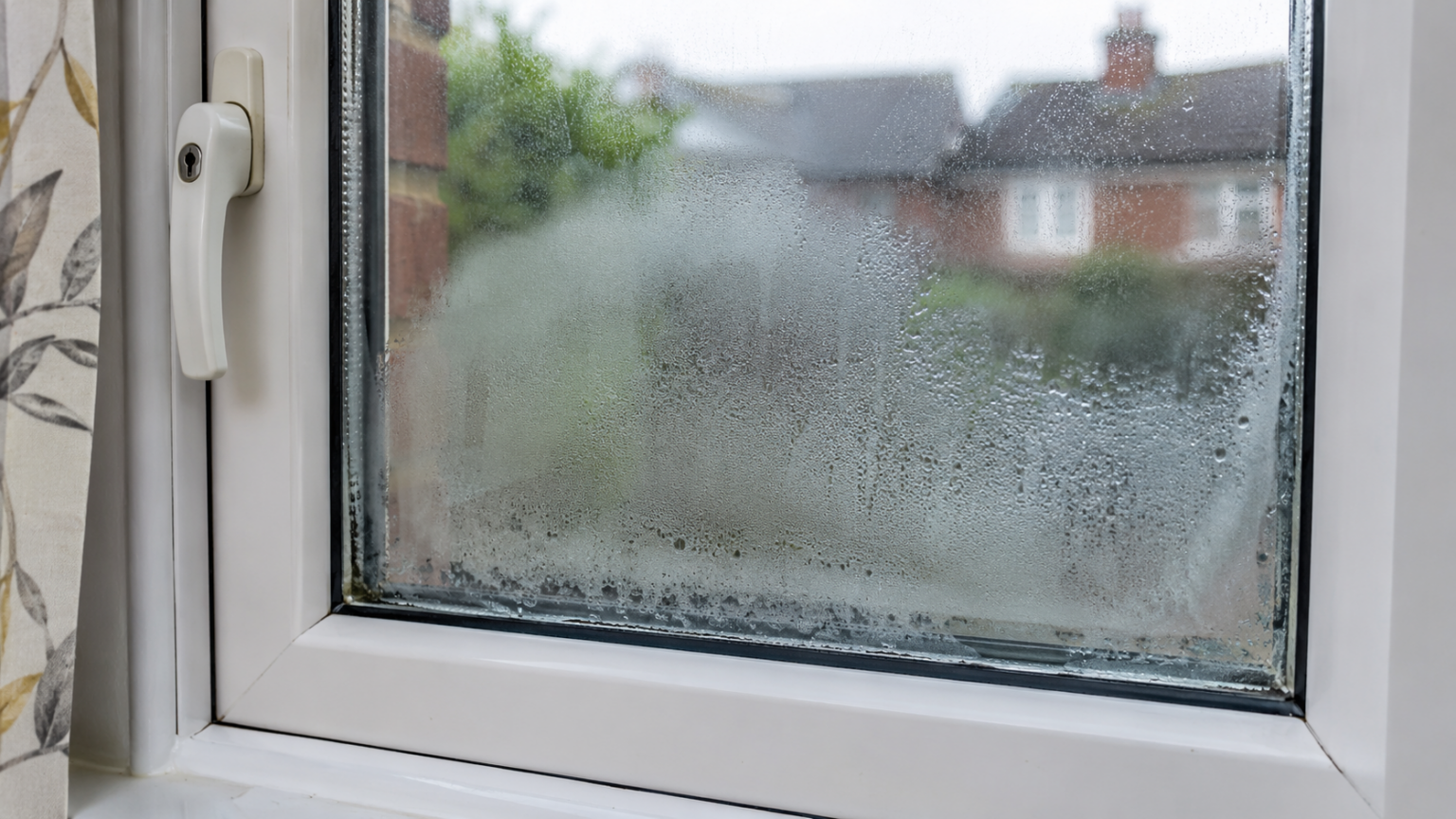
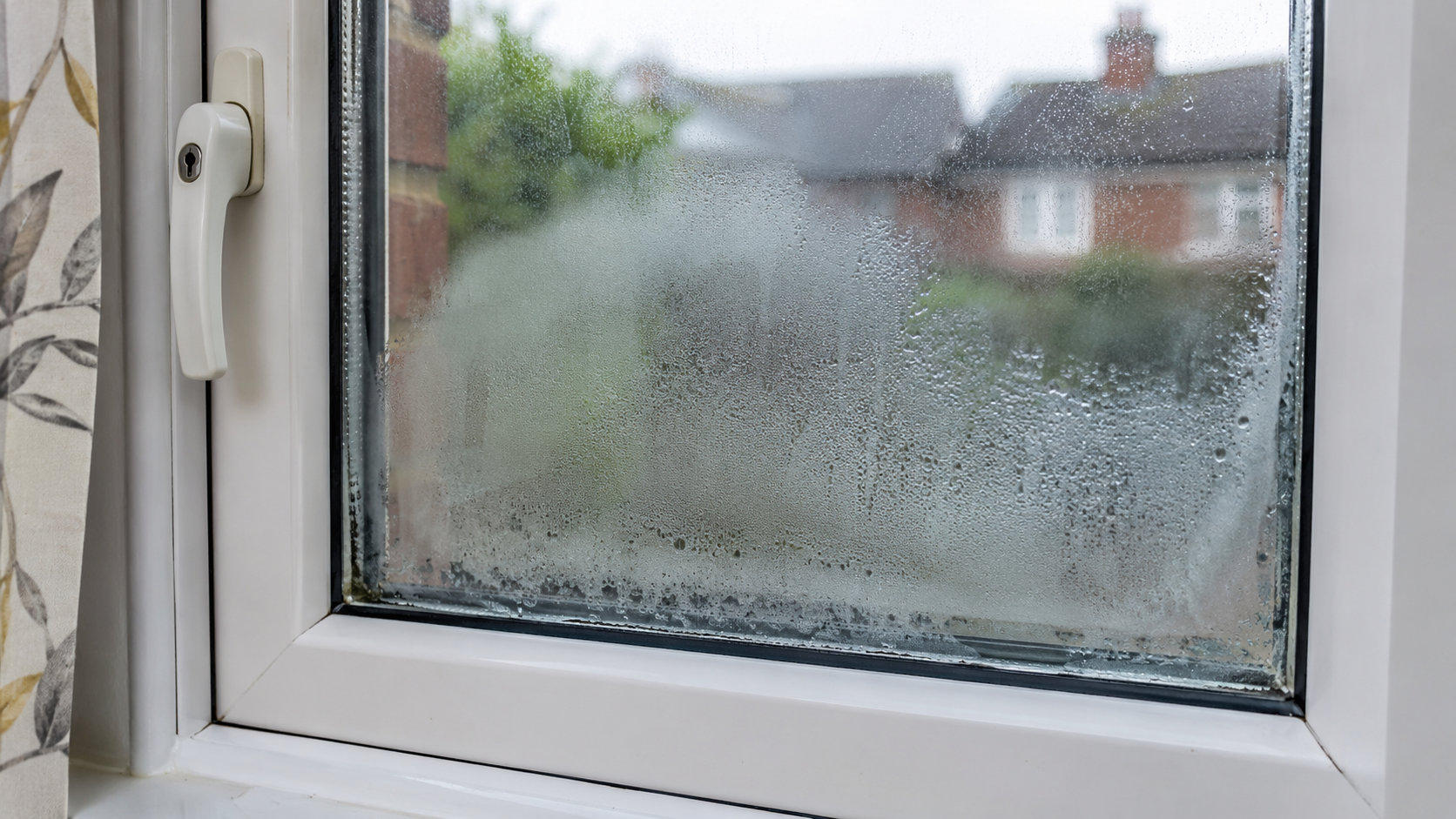
Double-glazed units contain two sheets of glass separated by a sealed cavity, often filled with air or an insulating gas. When moisture becomes trapped inside that cavity, the insulating glass unit may have lost its seal. The fog may appear intermittently with temperature changes, but it cannot be wiped away from either accessible glass surface.
Among Signs That You Need Double Glazing Replacement, misting between the panes is one of the clearest indicators of failed glazing. The Energy Saving Trust says condensation within the panes suggests air is entering the unit and that the glazing may be replaced without necessarily replacing the entire window frame. Energy Saving Trust
Looking closely at the location of moisture is one of the most practical ways to assess Signs That You Need Double Glazing Replacement. Take photographs over several days before the survey, especially if the fogging comes and goes with the weather.
Identify Which Surface Is Wet
Condensation on the room-facing surface typically relates to indoor humidity, cold surfaces and ventilation. Moisture on the outside face can occur on well-insulated windows during cool mornings and is not itself a failure. Only condensation within the sealed cavity points strongly toward an insulating-glass problem. FENSA Help Centre
What Usually Needs Replacing?
If the frame, hinges and locks are in good condition, a glazing specialist may recommend replacing only the sealed glass unit. This can preserve the existing frame and reduce disruption. A company offering an expensive full-window replacement should be able to explain why a glass-only repair is not suitable.
2. Uncomfortable Draughts Around Closed Windows
A closed window should not allow noticeable cold air to move through unintended gaps. Worn gaskets, damaged weatherstripping, poorly adjusted hinges or failed sealant around the frame can all cause draughts. The problem may feel especially obvious on a cold or windy day.
When assessing Signs That You Need Double Glazing Replacement, distinguish air entering around the opening sash from air entering between the outer frame and surrounding wall. These locations can require different remedies, and some faults respond to straightforward maintenance rather than replacement.
The draught-related Signs That You Need Double Glazing Replacement do not necessarily require new glass. The gap may be outside the sealed unit altogether, making correct diagnosis particularly important.
Start With Accessible Components
Check whether the window closes completely and whether the gasket is visibly damaged or displaced. Do not force locking handles or attempt adjustments that could compromise the mechanism. A professional can assess whether new seals, hardware adjustment or perimeter resealing would restore performance.
Remember Ventilation Requirements
Do not tape over designed trickle ventilators or permanently seal windows intended for emergency escape. Reducing uncontrolled draughts is sensible, but adequate ventilation remains necessary to manage moisture and indoor air quality. Condensation Inside Windows
3. Windows That Are Difficult to Open or Close
A stiff handle or dragging sash can be annoying, but it can also indicate failing hardware, a dropped sash, distorted frames or movement around the window opening. Problems that prevent secure closure deserve attention because they affect security and comfort.
Signs That You Need Double Glazing Replacement includes operating problems that persist despite appropriate maintenance. However, replacing a hinge, adjusting a sash or servicing a locking mechanism may be possible when the frame remains structurally sound.
Operational Signs That You Need Double Glazing Replacement should be documented before a service visit. Note whether the sash catches in one corner, drops when opened or requires unusual force to latch.
Check the Whole Window, Not Only the Handle
Look for visible gaps, uneven alignment and contact marks along the frame. Record whether the problem appears in wet weather, during hot spells or all year. Avoid repeatedly forcing the mechanism, which may increase damage or make a safe exit window unusable.
Security and Escape Come First
If a window cannot lock securely, arrange timely attention. If it is intended as an emergency escape route, seek urgent professional assessment when it cannot open properly.
4. Cracked, Chipped or Otherwise Damaged Glass
Visible cracks can undermine the safety and performance of glazing. Damage may result from impact, thermal stress, installation problems or movement in surrounding components. A cracked pane should be assessed promptly, particularly where children or pets can approach it.
The safety-related Signs That You Need Double Glazing Replacement are not limited to obvious breakage. Chips near glass edges or loose glazing components can also warrant specialist examination. A damaged sealed unit may require replacement even if most of the glass still appears intact.
Avoid Temporary Fixes That Hide the Problem
Adhesive film or tape is not a permanent repair for cracked insulating glass. Keep people away from unsafe glazing and contact a qualified installer. Where a window forms part of a door, staircase or other critical location, appropriate safety-glazing specifications must be considered.
5. Rising Heating Costs and Uncomfortable Cold Spots
Heating bills change for many reasons, including energy tariffs, outdoor temperatures and the operation of heating equipment. Still, rooms that feel noticeably colder beside particular windows may suggest draughts, inadequate glazing performance or other building-envelope problems.
A comfort-based review of Signs That You Need Double Glazing Replacement should combine energy concerns with other symptoms rather than treating one higher bill as proof of failed windows. Examine whether the glazing is misted, the frames are damaged and cold air can be felt around the openings.
Compare Performance Realistically
The Energy Saving Trust explains that energy-efficient glazing can reduce heat loss, draughts and cold spots. Actual savings from replacing windows depend on the existing units, new specifications, heating arrangements and climate. Ask suppliers to explain performance ratings and avoid guaranteed savings claims without a suitable assessment. Energy Saving Trust
Consider Other Sources of Heat Loss
Poor loft insulation, unsealed doors and heating problems can also make a home uncomfortable. Investigating the whole property may identify a more effective first improvement.
6. Water Leaks and Deteriorating Window Frames
Water entering around a closed window may result from damaged weather seals, failed perimeter sealant, blocked drainage channels or frame defects. Continued moisture can damage interior finishes and create conditions suitable for mould growth.
Visible frame damage is another of Signs That You Need Double Glazing Replacement, especially when timber is extensively rotten, uPVC is distorted or metal components are badly corroded. The appropriate remedy depends on the severity and whether a durable repair is possible.
Moisture-related Signs That You Need Double Glazing Replacement deserve timely investigation because prolonged leaks can damage surrounding plaster and timber. Dry the area safely and photograph stains to show how the problem develops.
Trace the Source Before Choosing a Repair
Water appearing below a window does not always originate from the glazing. Roof leaks, wall defects and poorly detailed openings can also cause staining. A competent survey should identify the likely entry path rather than automatically blaming the glass unit.
Repair or Replace the Frame?
Minor sealant defects or blocked drainage may be repairable. Extensive rot, structural movement or repeated water ingress may justify replacement of the full window. Ask the installer to describe which components are defective and why a repair would or would not last. Anglian Support
7. More Outside Noise Than You Expect
Double glazing can help reduce some exterior noise, but its performance depends on glass thickness, cavity design, installation quality and surrounding construction. A suddenly noisier room may reflect failed seals or new gaps, although changes in local traffic or activity can be responsible too.
Noise-related Signs That You Need Double Glazing Replacement should be assessed alongside draughts and visible faults. A soundproofing upgrade is not simply a matter of buying the thickest available pane. Specialist acoustic glazing can use different glass thicknesses or laminated layers, while well-sealed installation remains essential.
Describe the Noise You Want to Reduce
Traffic, aircraft, voices and low-frequency vibration behave differently. Explain the main source to prospective suppliers and ask for relevant acoustic performance data. Do not assume complete silence is achievable or that new windows alone will eliminate sound transmitted through walls and vents.
8. Ageing Windows With Several Repeated Problems
Quality double glazing can remain useful for decades, particularly when correctly installed and maintained. The Energy Saving Trust gives approximately 20 to 35 years as a possible lifespan for high-quality systems, with some lasting longer. Age alone does not automatically require replacement. Energy Saving Trust
The age-related Signs That You Need Double Glazing Replacement become more persuasive when several components are deteriorating at once: failed glass seals, stiff hardware, recurring leaks and damaged frames. Repeated small repairs can eventually become less practical than a well-specified new installation.
Review Existing Guarantees
Before paying for work, locate installation paperwork, product warranties and relevant insurance documentation. A sealed-unit guarantee may differ from coverage for frames or hardware. Check who is responsible for any claim and what evidence is required.
Compare Whole-Life Value
A lower initial repair price can be sensible when the rest of the window is healthy. A complete replacement may be more economical when repairs are frequent or the frame cannot support reliable future glazing. Consider cost, disruption, materials and expected service life together.
Repairing the Glass or Replacing the Entire Window?
Understanding Signs That You Need Double Glazing Replacement is only half the decision. The next step is finding out exactly what has failed. A misted sealed glass unit, damaged weather gasket and rotten outer frame are separate problems with different solutions.
| Problem | Often worth investigating first | Full replacement may be appropriate when |
|---|---|---|
| Moisture between panes | Sealed glass unit replacement | Frame also severely damaged |
| Draught around opening sash | Gaskets, hinges or adjustment | Frame distorted beyond reliable repair |
| Leak at frame perimeter | Drainage and sealing assessment | Persistent structural or extensive frame damage |
| Cracked glass | Professional glass-unit replacement | Wider assembly is unsafe or incompatible |
| Multiple ageing faults | Detailed condition survey | Repairs are frequent and uneconomical |
A professional survey should include measurements, frame condition, ventilation provision, required glazing specifications and any access constraints. For listed buildings or properties in conservation areas, special planning considerations may apply.
How to Choose a Suitable Installer
Before acting on Signs That You Need Double Glazing Replacement, obtain comparable written quotations from reputable glazing specialists. Ask whether the quote covers only replacement glass or the full frame, what thermal or acoustic specifications are supplied, and which repairs to surrounding finishes are included.
Finally, Signs That You Need Double Glazing Replacement should lead to a considered specification, not a rushed sale. Ask what improvements the new units are expected to provide and request the technical details in writing.
Verify Compliance and Paperwork
In England and Wales, certain replacement window installations must meet applicable Building Regulations, and an approved competent person scheme such as FENSA may provide a route for qualifying work. Requirements vary by location and project, so confirm them with the installer or local building control authority.
Ask for a Clear Breakdown
A thorough quotation should describe the units, hardware, ventilation features, installation work, waste removal, warranties and likely schedule. Be cautious of exaggerated claims that every fogged pane requires a completely new frame.
Frequently Asked Questions
Does misting between window panes always mean the full window needs replacing?
No. Moisture trapped within the sealed cavity commonly indicates a failed glass unit. If the frame remains sound and suitable, the sealed unit can often be replaced separately.
Is condensation on the outside of double glazing a fault?
Usually not. Exterior condensation can occur when efficient glazing keeps the outside pane cool. The important distinction is whether moisture is outside, inside the room or between the panes.
Can worn window seals be repaired?
Sometimes. Weather gaskets and perimeter seals can often be serviced or replaced. A failed hermetically sealed glass cavity generally calls for a new sealed unit rather than routine gasket repair.
How long should double-glazed windows last?
The Energy Saving Trust suggests high-quality systems may last around 20 to 35 years, sometimes longer. Installation quality, maintenance, exposure and component condition determine actual service life.
Do new windows always reduce heating bills?
Not by a guaranteed amount. Energy-efficient windows can reduce heat loss, but savings depend on the previous glazing, building condition, heating habits and energy costs.
Should I replace windows that no longer lock correctly?
Arrange prompt professional attention. Locking problems may be repairable through hardware servicing or adjustment, but a severely distorted or damaged frame may need replacement.

Written by Twastia Editorial Team
Twastia Editorial Team shares practical insights about website design, SEO services, Google Ads, content marketing, social media, conversion rate optimization, and digital marketing strategy.
Last updated: Nov 6, 2026
Related posts from Twastia
Explore more useful articles from twastia.com about digital marketing, SEO, websites, ads, content, and growth strategy.