How to Build a Simple Digital Marketing Funnel for Small Businesses
A small business does not need a confusing marketing system to grow online. A small business needs a simple digital […]
A small business does not need a confusing marketing system to grow online. A small business needs a simple digital marketing funnel that helps people discover the brand, understand the offer, trust the business, and take the next step. When every page and channel has a clear purpose, the website becomes easier to use and the marketing work becomes easier to manage.
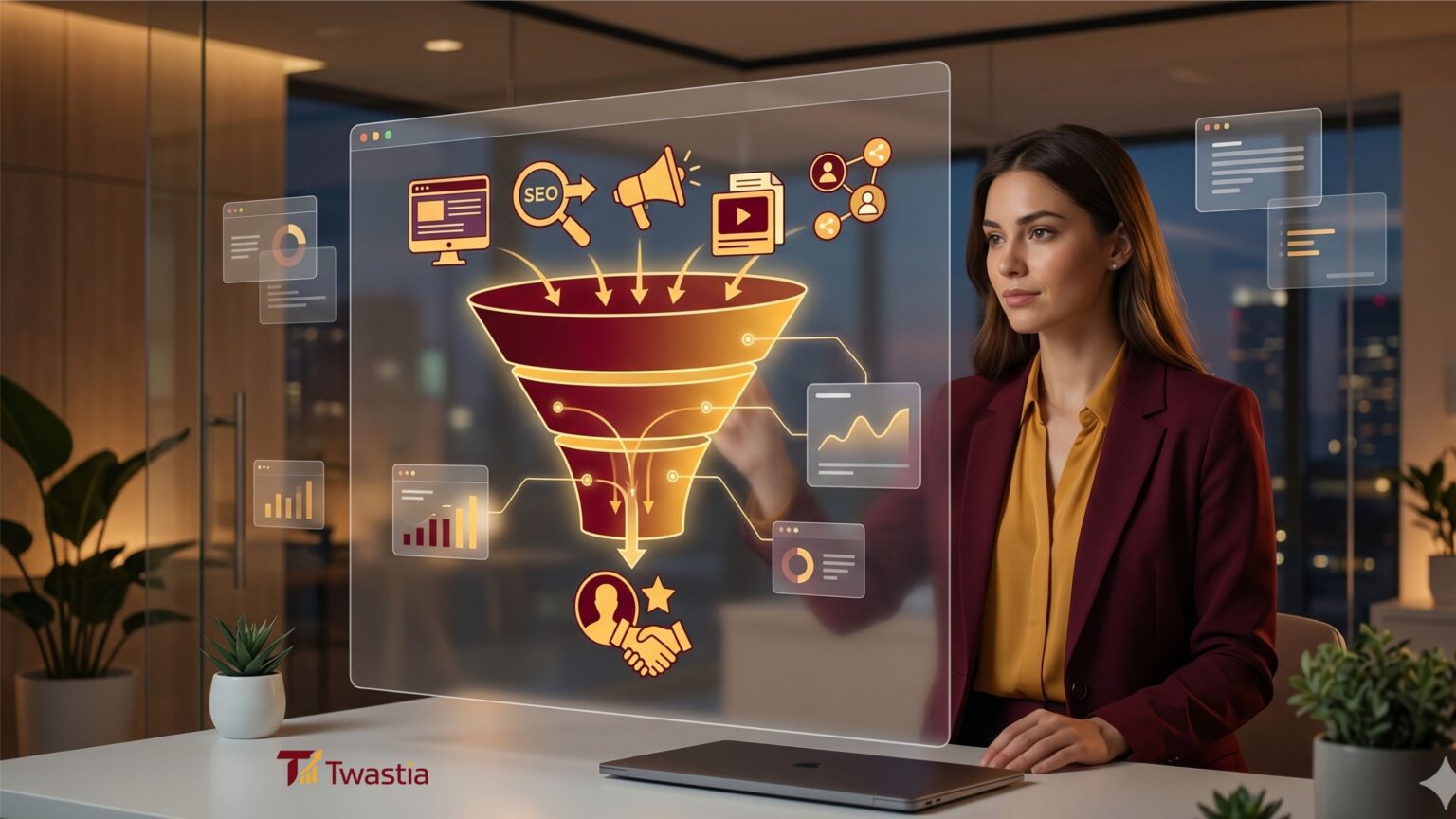
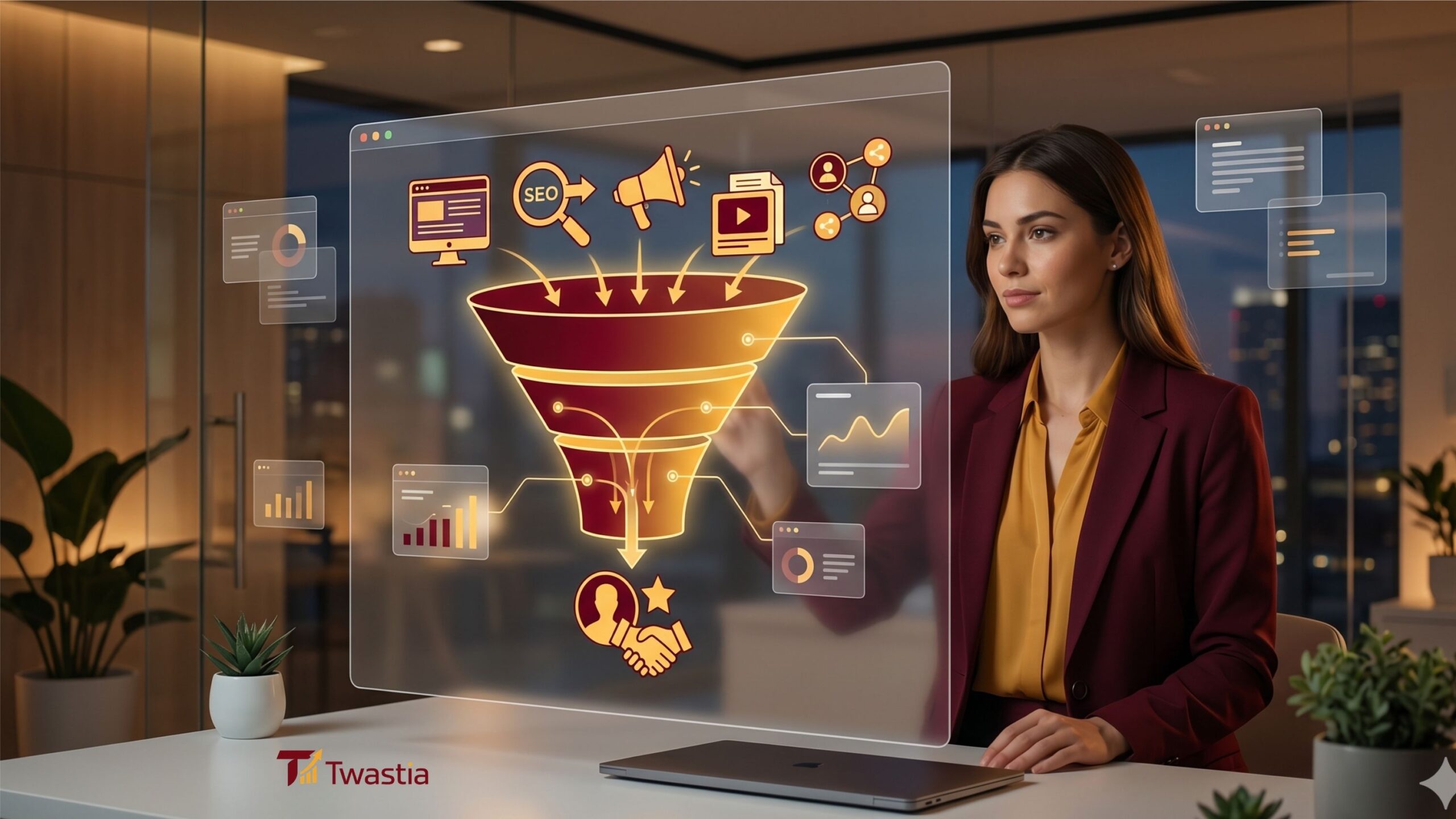
A digital marketing funnel is the path that moves a visitor from first awareness to final inquiry. It connects content, search visibility, paid traffic, social media, landing pages, trust signals, and calls to action. The goal is not to force every visitor to buy immediately. The goal is to guide the right people through the right message at the right time.
For a small business, this funnel usually starts with a professional website. A clear website design foundation helps visitors understand what you do, why it matters, and how they can contact you. Without that foundation, SEO, ads, social media, and content may send traffic to pages that do not convert.
Start With One Clear Business Goal
Before building a funnel, define one main business goal. Your goal may be more consultation calls, form submissions, WhatsApp inquiries, quote requests, bookings, newsletter signups, or service page visits. A funnel becomes confusing when the website asks visitors to do too many things at the same time.
A clear goal also helps you decide which pages matter most. A service business may focus on service pages and contact forms. A local business may focus on phone calls and map actions. A consulting brand may focus on discovery calls. A content-led business may focus on email subscribers before sales conversations.
Twastia usually recommends connecting this goal with a simple digital marketing strategy so every channel supports the same direction. Strategy keeps your website, SEO, ads, content, and social media from working like separate pieces.
Build the Top of the Funnel With Helpful Visibility
The top of the funnel is where people first discover your business. They may find you through Google, social media, a blog post, a referral, a paid ad, or a shared link. At this stage, many visitors are not ready to contact you. They are still learning, comparing, or trying to understand their problem.
This is where SEO services and helpful content become important. SEO helps your website appear when people search for services, questions, comparisons, and solutions. Useful blog posts can bring visitors who are not ready to buy today but may trust your brand later.
Top-of-funnel content should answer simple questions. What problem does your service solve? Who needs this service? What mistakes should customers avoid? What should they check before hiring a provider? This kind of content builds awareness without sounding too pushy.
Use Content to Move Visitors Into Consideration
Once people know your brand, the next step is consideration. At this stage, visitors compare options and decide whether your business feels suitable. Strong content marketing can help them understand your process, benefits, pricing factors, service quality, and experience.
Content for the consideration stage should be more specific than general awareness content. It can include service pages, comparison guides, FAQs, case study-style posts, process explanations, and problem-solution articles. The goal is to reduce confusion and build confidence.
Your blog should also guide readers toward useful next steps. For example, a reader on the Twastia blog may first learn about marketing strategy, then visit a service page, then contact the business. This movement is exactly what internal linking should support.
Create Service Pages That Explain the Offer Clearly
A service page is one of the most important funnel pages because it turns general interest into real consideration. Visitors should not have to guess what you offer, who it is for, what is included, and how to start. A strong service page should answer those questions before the visitor reaches the contact button.
For example, a website visitor may first read about SEO and then move to your SEO Services page. Another visitor may come from an ad and land directly on a Google Ads Management page. Each page should have a clear headline, helpful explanation, trust-building sections, and a direct call to action.
Good service pages also support internal linking. They should connect to related services, blog posts, case studies, and the contact page. This helps users explore without feeling lost, and it helps search engines understand how your pages relate to each other.
Send Paid Traffic to a Page That Matches the Promise
Paid traffic can speed up the funnel, but it only works well when the landing page matches the ad promise. If you run Google Ads management campaigns, the page should match the keyword, the ad copy, the service offer, and the visitor intent.
A paid visitor is usually more impatient than an organic visitor. They clicked because the ad promised a specific solution. If the landing page is vague, slow, cluttered, or unrelated to the ad, the visitor may leave quickly. The page should repeat the core offer, show trust signals, answer key objections, and make the next action easy.
For the outgoing reference, Google Ads Help explains that full-funnel planning can help brands engage people across multiple stages of the purchase journey, from reach to conversion goals. You can review the official resource here: Google Ads Help full-funnel guidance.
Use Social Media to Build Familiarity and Trust
A funnel does not only happen on your website. Social media marketing can support the early and middle stages of the customer journey by keeping your brand visible and familiar. People may not contact you after one post, but consistent helpful content can make your business easier to remember.
Social content should not be random. It should connect to your services, customer questions, common problems, proof points, and website pages. A small business can post tips, short explanations, behind-the-scenes content, customer education, process steps, and service reminders.
The best social media funnel does not keep people stuck on social platforms. It gives them useful reasons to visit your website, read a blog post, compare a service, or contact your team. This is why social content and website content should work together.
Improve the Bottom of the Funnel With Conversion Optimization
The bottom of the funnel is where visitors decide whether to take action. This is where conversion rate optimization becomes important. A business may already have traffic, but weak CTAs, unclear forms, missing trust signals, or confusing layouts can stop visitors from contacting you.
At this stage, small details matter. Your contact button should be easy to find. Your form should not ask for unnecessary information. Your phone number or email should be visible where needed. Your service page should explain why the visitor should choose you. Your FAQ section should answer the questions that create hesitation.
The goal is not to pressure people. The goal is to make the next step simple. A visitor who already trusts your business should not struggle to find the contact page.
Make Internal Links Part of the Funnel
Internal links are not only for SEO. They are also part of the user journey. A good internal link gives the visitor a useful next step. It can move someone from a blog post to a service page, from a service page to a related service, or from a case study to the contact page.
For example, a post about marketing funnels can naturally link to Website Design, SEO Services, Content Marketing, Social Media Marketing, Google Ads Management, and CRO because all of these services help build the funnel.
The final internal link should usually point to a clear action page. For Twastia, that action page is the Contact page, where a visitor can start a project inquiry.
Track the Funnel With Simple Monthly Metrics
A simple funnel needs simple measurement. Small businesses do not need to track every possible number at the beginning. They should start with a few useful metrics that show whether the funnel is moving in the right direction.
Helpful metrics include website visits, organic clicks, ad clicks, social profile visits, service page views, blog views, contact form submissions, phone clicks, email clicks, conversion rate, and lead quality. These numbers help you find weak points. If traffic is low, focus on visibility. If traffic is high but inquiries are low, focus on conversion. If inquiries are low quality, review the message and targeting.
A monthly review also connects well with a wider digital marketing strategy. Strategy helps you decide what to improve first instead of changing everything at once.
Keep the Funnel Simple at the Beginning
Many small businesses make the mistake of building a funnel that is too complicated. They create too many pages, run too many campaigns, publish random content, and use too many tools before the basic journey is clear. A simple funnel is often stronger because it is easier to improve.
Start with one clear homepage, a few strong service pages, a contact page, helpful blog posts, basic SEO, consistent social content, and one or two focused landing pages for ads. Once the foundation works, you can expand the funnel with more advanced content, remarketing, email marketing, case studies, lead magnets, and automation.
Conclusion
A digital marketing funnel helps small businesses turn scattered marketing activity into a clear growth path. It shows how people discover the brand, learn about the service, build trust, compare options, and contact the business. When the funnel is simple, every website page and marketing channel has a purpose.Twastia helps businesses connect website design, SEO, Google Ads, content marketing, social media, conversion rate optimization, and digital marketing strategy into one practical funnel. To plan your own funnel, contact Twastia and share your business goals.

Written by Twastia Editorial Team
Twastia Editorial Team shares practical insights about website design, SEO services, Google Ads, content marketing, social media, conversion rate optimization, and digital marketing strategy.
Last updated: Jun 2, 2026
Related posts from Twastia
Explore more useful articles from twastia.com about digital marketing, SEO, websites, ads, content, and growth strategy.