Stairs and More: A Complete Guide to Doors, Windows, Staircases, and Timber Joinery
Every home has architectural features that influence its appearance, functionality, and overall character. From elegant staircases and beautifully designed doors […]
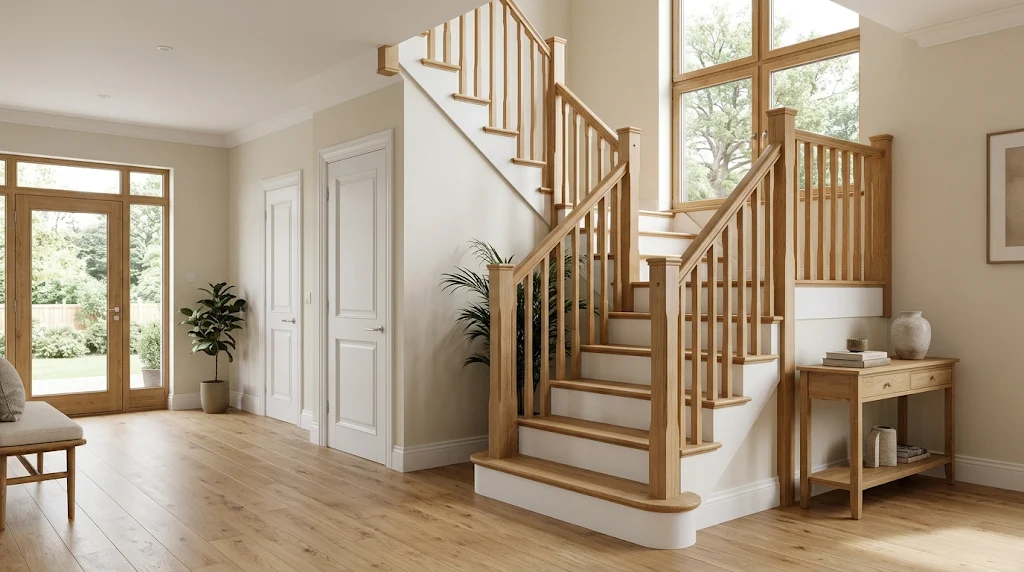
Every home has architectural features that influence its appearance, functionality, and overall character. From elegant staircases and beautifully designed doors to well-fitted windows and detailed timber joinery, these elements help transform an ordinary property into a comfortable and attractive living space.
Whether you are building a new house, renovating an existing property, or upgrading individual rooms, choosing suitable materials and designs is an important part of the process.
Homeowners today have access to a wide variety of architectural products, including traditional hardwood doors, contemporary window designs, decorative joinery, and customized staircase components.
Exploring stairs and more means looking beyond individual products and considering how different architectural features work together to create a cohesive interior and exterior.
This guide explores important home improvement features, popular timber materials, design considerations, and practical buying advice to help American homeowners make informed decisions in 2026.
Why Stairs and More Matter in Home Design
Architectural features contribute significantly to a property’s appearance and everyday functionality.
A staircase connects different levels of a home, doors provide privacy and access, and windows introduce natural light while supporting ventilation.
Although these elements serve different purposes, they should complement one another in terms of materials, proportions, and design.
Improving Interior Appearance
Coordinated architectural features can create a more polished interior.
For example, oak doors, natural wood flooring, and matching staircase handrails can establish a consistent design throughout a home.
Similarly, contemporary windows and simple internal doors can complement minimalist interiors.
Increasing Everyday Functionality
Appearance is only one consideration when selecting building materials.
Doors should operate smoothly, windows should provide suitable weather protection, and staircases should offer safe and comfortable access between floors.
Choosing products based on their intended use helps ensure that decorative improvements also provide practical benefits.
Supporting Long-Term Property Maintenance
Quality materials and appropriate installation can help reduce maintenance requirements.
Timber products, for example, need suitable finishing and protection depending on their location and exposure to weather.
Considering maintenance before purchasing can help homeowners select products that suit their lifestyle.
Understanding Different Types of Staircases
Staircases are important architectural features that influence how people move through a property.
Their design should balance appearance, available space, structural requirements, and safety.
Straight Staircases
Straight staircases are among the most common residential designs.
They follow a single direction between floors and generally have a straightforward construction.
Their simple layout makes them suitable for many traditional and contemporary homes.
L-Shaped Staircases
L-shaped staircases incorporate a turn, usually with a landing between sections.
This arrangement can help accommodate different floor plans while creating some separation between staircase sections.
U-Shaped Staircases
U-shaped staircases feature two parallel flights connected by a landing.
They are frequently used in larger residential properties where the available floor space allows a more compact vertical arrangement.
Spiral Staircases
Spiral staircases feature steps arranged around a central support.
They can provide an attractive architectural feature and may work well where conventional staircase layouts are difficult to accommodate.
However, their dimensions and usability should be carefully considered, particularly when they serve as the primary access between floors.
Choosing Suitable Staircase Materials
Wood remains a popular staircase material because it offers natural warmth and design flexibility.
Oak, maple, and other suitable hardwoods can create attractive treads, handrails, and decorative components.
Metal and glass can also be incorporated into contemporary staircase designs.
The final selection should meet applicable residential building codes and structural requirements.
Choosing the Right Internal Doors for Your Home
Internal doors help define individual rooms while contributing to the overall decorating style.
They are available in numerous materials, finishes, and panel designs.
Solid Wood Doors
Solid wood doors offer natural grain patterns and a substantial appearance.
They are suitable for homeowners who appreciate traditional materials and classic interior design.
Different wood species provide different colors and textures, allowing doors to complement existing flooring and furniture.
Panel Doors
Panel doors feature raised or recessed sections that add depth and visual interest.
They are commonly used in traditional and transitional interiors.
Different panel configurations can create anything from understated designs to more decorative appearances.
Glazed Internal Doors
Glazed doors incorporate glass panels to allow light to travel between spaces.
They can be useful in hallways, home offices, and other areas where maintaining a brighter appearance is desirable.
Privacy requirements should be considered when choosing clear, frosted, or textured glass.
Contemporary Interior Doors
Modern homes often feature simple door designs with clean lines and minimal detailing.
White, gray, black, and natural wood finishes can complement contemporary decorating schemes.
Exterior Doors and the Importance of Security
Exterior doors play an important role in protecting a home from unwanted access and outdoor weather conditions.
They also contribute to curb appeal and the property’s first impression.
Front Entry Doors
The front door is often one of the most noticeable features of a house.
Homeowners can choose from traditional wood designs, contemporary composite options, and other suitable exterior door materials.
Consider appearance, weather resistance, insulation, locking systems, and maintenance requirements.
Patio and French Doors
French doors provide a traditional appearance and can connect interior living spaces with outdoor areas.
Sliding patio doors are another popular choice, particularly where saving floor space is important.
Both options can introduce additional natural light.
Fire-Rated Doors
Certain locations require fire-rated door assemblies under applicable building regulations.
These products are designed and tested to provide specified levels of fire resistance when installed as part of an appropriate assembly.
Always confirm the required rating and installation details with a qualified professional.
Windows: Combining Natural Light, Comfort, and Style
Windows influence how a property looks and feels.
They provide natural light, views of the outdoors, and opportunities for ventilation.
Selecting appropriate window designs can also support energy efficiency and indoor comfort.
Timber Windows
Timber windows offer a traditional appearance and natural material characteristics.
They are frequently used in period properties, cottages, and homes where architectural consistency is important.
However, exterior timber windows require appropriate coatings and maintenance to protect them against moisture and weather exposure.
Double-Glazed Windows
Double-glazed windows contain two panes of glass separated by an insulating space.
They can help reduce heat transfer compared with many older single-glazed windows.
Performance depends on the complete window design, including glazing, frames, seals, and installation quality.
Casement Windows
Casement windows are attached to their frames using hinges and typically open outward or inward, depending on their design.
They provide a practical solution for many residential properties.
Sliding Windows
Sliding windows operate horizontally or vertically along tracks.
Their operation can be convenient where projecting window panels would interfere with nearby outdoor spaces.
Why Timber Joinery Is Important in Home Improvement
Joinery involves creating and fitting wooden components used in buildings and furniture.
It includes both decorative and functional elements that contribute to a property’s overall finish.
Staircase Joinery
Timber joinery can be used to manufacture staircase treads, risers, handrails, newel posts, and other components.
Well-designed joinery helps create a consistent appearance while supporting the staircase’s intended structural function.
Door Frames and Architraves
Door frames provide the surrounding structure for door installation.
Architraves cover the joint between the frame and wall, creating a cleaner finished appearance.
Coordinating these details with the door finish can improve the overall interior design.
Skirting Boards and Mouldings
Skirting boards cover the lower junction between walls and floors.
Decorative mouldings can also introduce architectural detail around doors, ceilings, and other interior features.
These relatively small elements can make a noticeable difference to a finished room.
How to Choose the Right Timber for Your Project
Different timber species have different appearances, strengths, and maintenance requirements.
Selecting an appropriate material depends on where the product will be installed and how it will be used.
Oak
Oak is widely used in doors, flooring, staircase components, and furniture.
Its distinctive grain and natural strength make it a popular option for traditional and contemporary homes.
Pine
Pine is a versatile softwood commonly used for internal doors, mouldings, and general joinery.
It offers a relatively light appearance and can be painted or stained.
Walnut
Walnut is valued for its rich brown tones and attractive grain.
It is frequently selected for premium interior applications and decorative joinery.
Redwood and Other Softwoods
Suitable redwood and other softwood products can be used for different building and joinery applications.
The appropriate grade and treatment depend on whether the timber is intended for internal or external use.
Always confirm the product’s suitability with the supplier.
Finding Quality Doors, Windows, and Joinery Products
Choosing a dependable supplier is an important part of any renovation or construction project.
Look for businesses that provide clear product information, suitable material options, and reliable customer support.
One example is MGM Timber’s doors, windows, and joinery range.
MGM Timber is a Scottish timber merchant serving trade and retail customers through its regional branch network.
Its product range includes different door styles and timber-related building products.
The company also highlights its experience within the wider Donaldson Group and its focus on product quality and customer service.
Although MGM Timber primarily serves customers in Scotland, American homeowners and contractors can use its product categories as inspiration when researching suitable architectural materials.
Before ordering from any overseas supplier, check whether products can be shipped to your location and whether they meet applicable US building standards.
Important Factors to Consider Before Buying
A successful home improvement project starts with accurate planning.
Measure Carefully
Measure door openings, window spaces, and staircase dimensions before ordering materials.
For replacement products, confirm whether measurements should be taken from the existing frame or the structural opening.
Check Material Specifications
Review product descriptions for dimensions, material grades, finishes, glazing specifications, and intended applications.
Consider Installation Requirements
Some products are suitable for straightforward replacement, while others require professional installation.
Staircases, structural openings, and exterior doors may involve additional building considerations.
Review Building Regulations
In the United States, residential construction requirements vary by state and local jurisdiction.
Staircase dimensions, handrails, guards, emergency exits, and fire-rated assemblies may be subject to specific requirements.
Check local codes and consult qualified contractors before beginning work.
Frequently Asked Questions
What does stairs and more mean in home improvement?
The phrase can describe a wider selection of architectural and joinery products, including staircases, doors, windows, timber components, and related building materials.
Which wood is best for staircase construction?
Oak and maple are popular hardwood choices because of their strength and appearance. The best material depends on the staircase design, structural requirements, budget, and finish preferences.
Are timber windows suitable for modern homes?
Yes. Timber windows can complement contemporary properties when designed with appropriate glazing, finishes, and weather protection.
What is the difference between internal and external doors?
Internal doors are designed primarily for separating rooms, while exterior doors must also address security, weather resistance, and insulation requirements.
How often should wooden doors and windows be maintained?
Maintenance depends on the wood species, finish, location, and exposure to moisture and sunlight. Inspect exterior timber regularly and follow the manufacturer’s maintenance recommendations.
Where can I find doors and joinery products?
Specialist timber merchants, building suppliers, and architectural joinery companies offer different products. Compare specifications, materials, warranties, and delivery arrangements before ordering.
Conclusion
Creating a functional and attractive home involves paying attention to architectural details as well as major structural features.
From elegant staircases and carefully selected doors to energy-conscious windows and detailed timber joinery, each element contributes to the appearance and usability of a property.
Exploring stairs and more provides an opportunity to consider how these features work together rather than treating every purchase as a separate decision.
Choose appropriate materials, compare product specifications, measure carefully, and make sure installations meet local building requirements.
With thoughtful planning and suitable products, homeowners can create comfortable, practical, and visually coordinated living spaces that remain attractive for years to come.

Written by Twastia Editorial Team
Twastia Editorial Team shares practical insights about website design, SEO services, Google Ads, content marketing, social media, conversion rate optimization, and digital marketing strategy.
Last updated: Nov 14, 2026
Related posts from Twastia
Explore more useful articles from twastia.com about digital marketing, SEO, websites, ads, content, and growth strategy.