4 Ways Pests Can Ruin The Value Of Your Property In 2026: Best Prevention Tips
Owning a home is a significant financial investment, and protecting its value requires more than regular cleaning, painting, and occasional […]
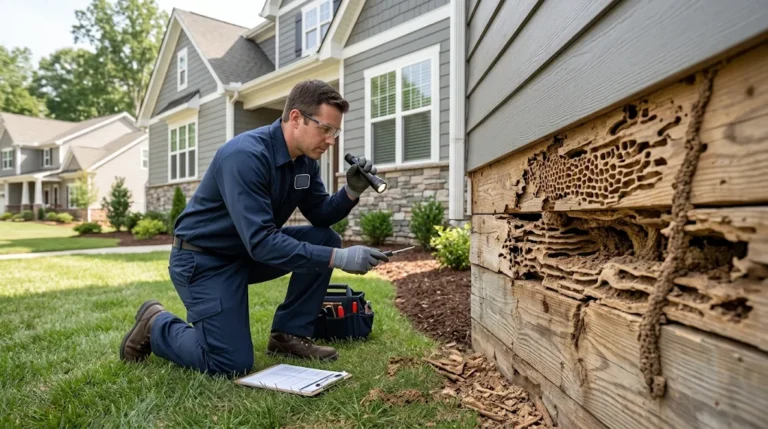
Owning a home is a significant financial investment, and protecting its value requires more than regular cleaning, painting, and occasional renovations. Hidden problems can develop behind walls, beneath floors, and inside attics without attracting immediate attention. Pest infestations are among the issues homeowners should take seriously.
Understanding the 4 ways pests can ruin the value of your property in 2026 can help you identify risks before they become expensive problems.
Termites, rodents, carpenter ants, cockroaches, and other household pests can affect a property in different ways. Some damage building materials, while others contaminate living spaces, create unpleasant conditions, or make prospective buyers concerned about future maintenance.
A small pest problem does not automatically cause a significant reduction in property value. However, an active infestation, extensive damage, or unresolved structural concerns can create complications when selling a home.
The financial consequences depend on the type of pest, severity of damage, repair costs, property condition, and local real estate market.
This guide explains four important ways pests can affect your home’s condition and marketability, along with practical steps to help protect your investment.
Why Pest Problems Matter for Property Value in 2026
Property value depends on several factors, including location, size, condition, maintenance, and buyer demand.
While homeowners cannot control every market condition, they can take steps to maintain their property’s physical condition.
An untreated pest infestation may create damage that requires professional repairs. Even when the physical damage is limited, visible signs of pests can make potential buyers question how carefully the property has been maintained.
For example, termite activity may prompt a buyer to request an additional wood-destroying insect inspection. Rodent droppings in an attic may raise questions about sanitation, insulation damage, and possible entry points.
The financial effect is not the same for every property.
A minor issue that has been professionally treated and documented may have little lasting impact. Extensive damage involving structural components can create a much larger financial burden.
Recognizing these differences is essential when considering ways pests can ruin the value of your property.
1. Pests Can Cause Expensive Structural Damage
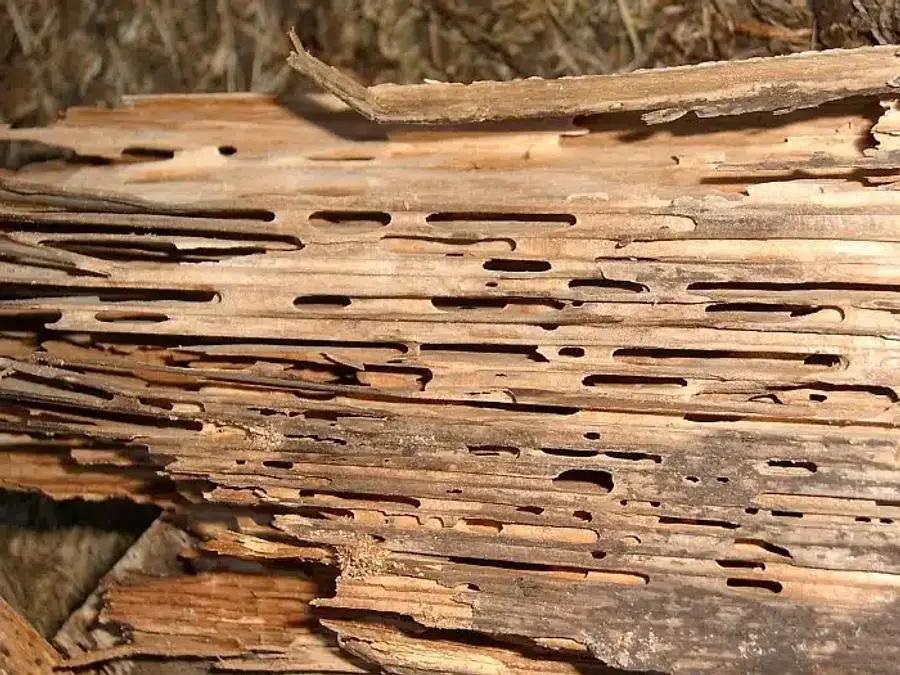
Structural damage is one of the most serious ways a pest infestation can threaten a property’s condition.
Certain insects feed on wood or excavate it for nesting, while rodents can damage insulation, wiring, and other building materials.
If the problem remains unnoticed, the necessary repairs may become increasingly expensive.
Termites Can Damage Essential Wooden Components
Termites are particularly concerning because some species feed on cellulose-containing materials, including wood.
Depending on the construction of a home, they may affect framing, subfloors, wooden supports, and other components.
The U.S. Environmental Protection Agency states that termites cause billions of dollars in structural damage annually in the United States. US EPA
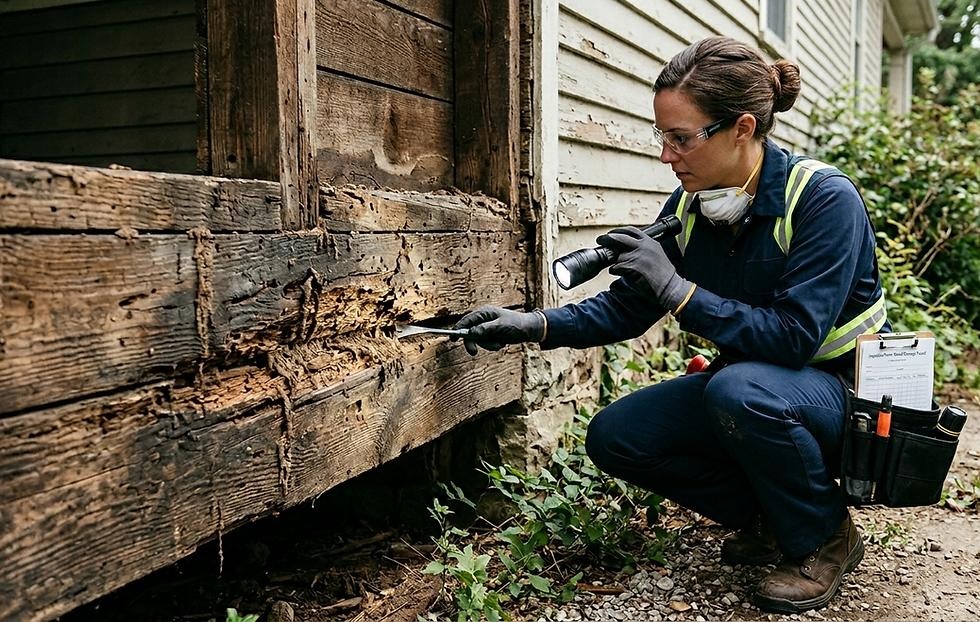
Termite damage can be difficult to recognize during its early stages because activity often occurs inside wood or concealed areas.
Homeowners may first notice mud tubes, discarded wings, damaged wood, or unusual changes in flooring and trim.
These signs require further investigation rather than assuming they confirm an active infestation.
A qualified pest professional can identify the organism and recommend appropriate treatment.
Carpenter Ants Can Weaken Damaged Wood
Carpenter ants differ from termites because they do not eat wood.
Instead, they excavate galleries to establish nesting areas.
They frequently prefer wood affected by moisture, making leaking pipes, damaged roof areas, and poorly ventilated spaces potential problem locations.
The University of Maryland Extension explains that carpenter ants can cause structural damage when their nesting activities affect important wooden components. University of Maryland Extension
Their presence may also indicate an underlying moisture problem.
Simply treating the insects without repairing a water leak can leave the original condition unresolved.
Structural Repairs Can Affect Selling Decisions
When wood-destroying pests compromise important building components, repairs may require contractors, engineers, or specialized pest treatment.
A buyer who discovers significant damage may request repairs, negotiate the purchase price, or reconsider the transaction.
The exact effect depends on the extent of damage and whether the property has been properly repaired.
For homeowners concerned about how pests can ruin the value of their property in 2026, early inspections and moisture control should be priorities.
2. Pest Infestations Can Create Health and Sanitation Concerns
A home’s value is influenced not only by its structural condition but also by whether it provides a comfortable and sanitary living environment.
Pests can contaminate surfaces, damage stored food, and introduce potential health hazards.
These issues may become especially concerning when infestations spread through kitchens, bedrooms, basements, or ventilation areas.
Rodents Can Contaminate Living Spaces
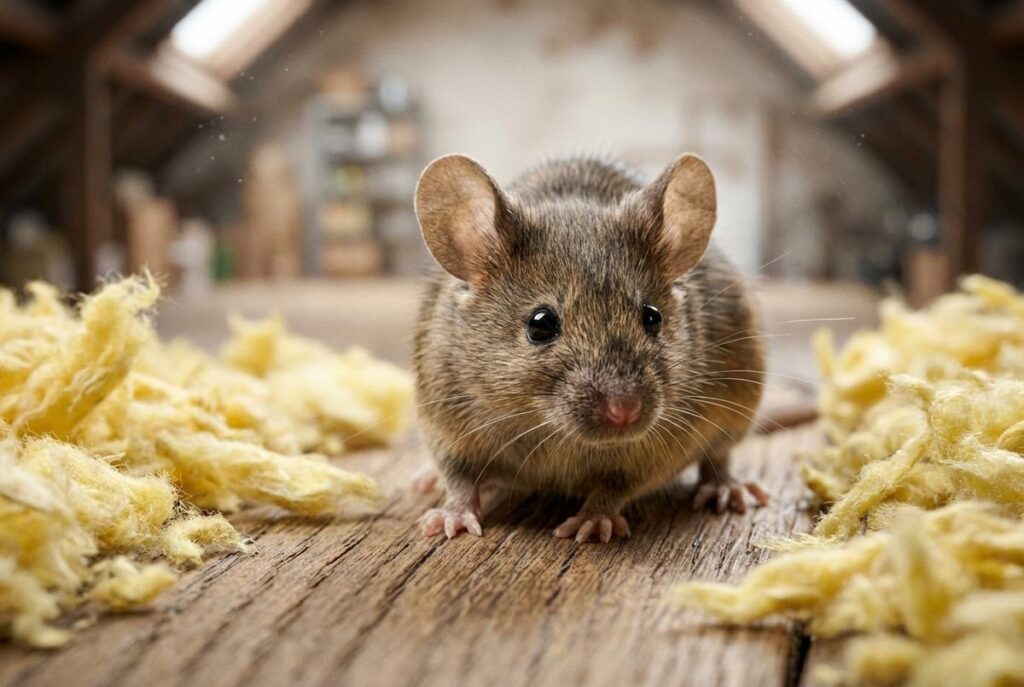
Rats and mice frequently search for food, shelter, and nesting locations inside buildings.
They may enter through gaps around foundations, utility lines, doors, and other openings.
Rodent droppings and urine can contaminate surfaces and stored materials.
According to the EPA, rodents may spread diseases through bites, contaminated food or water, airborne particles from contaminated waste, and parasites associated with rodents. US EPA
The CDC recommends specific precautions for cleaning areas affected by rodent activity.
Homeowners should avoid disturbing droppings in ways that could release contaminated particles and should follow official cleanup guidance.
Cockroaches Can Affect Indoor Conditions
Cockroaches are another common concern in residential buildings.
They often seek warmth, moisture, and access to food.
Infestations may develop behind appliances, beneath sinks, and in cracks around kitchens or bathrooms.
Cockroach allergens can contribute to allergic reactions and asthma symptoms in susceptible people.
A persistent infestation may require improvements to sanitation, moisture control, building maintenance, and professional treatment.
Bed Bugs Can Create Additional Expenses
Bed bugs do not typically damage the structural components of a house.
However, they can create considerable disruption and treatment costs.
They may hide in furniture, mattresses, bed frames, and nearby crevices.
A confirmed infestation can require careful inspection and coordinated treatment rather than routine surface cleaning.
These concerns demonstrate how pests can affect property condition and the experience of living in a home, even when structural damage is absent.
3. Pests Can Reduce Buyer Confidence and Property Marketability
When homeowners prepare to sell, presentation and property condition become particularly important.
Prospective buyers want confidence that the property has been maintained and that major problems have been addressed.
Visible pest activity or unresolved damage may make that decision more difficult.
Pest Damage May Be Discovered During Inspections
Home inspections can reveal evidence of pest activity, including damaged wood, rodent droppings, moisture conditions, and suspected entry points.
However, a standard home inspection may not include a comprehensive pest inspection.
Additional specialist evaluations may be recommended when signs of infestation are present.
Wood-destroying organism inspections may also be required or requested as part of certain real estate transactions.
Requirements vary by state, property type, lender, and transaction circumstances.
Buyers May Request Repairs or Price Adjustments
A property with a documented active infestation may face additional buyer questions.
Buyers might request professional treatment, structural repairs, supporting documentation, or a negotiated adjustment to the sale price.
These responses are not automatic.
For instance, a minor infestation that has been successfully treated with no resulting damage may present a much different situation from extensive termite damage affecting structural framing.
The severity of the issue matters more than the presence of pests alone.
Pest Disclosure Requirements Vary
Property disclosure laws differ across the United States.
Some states require sellers to disclose known pest damage or infestation history under particular circumstances.
The National Association of Realtors’ 2026 Code of Ethics also addresses misrepresentation and concealment of pertinent facts by Realtors, although those professional rules are not a substitute for state disclosure law. nar.realtor
Homeowners preparing to sell should review local requirements and provide accurate information about known problems.
Keeping inspection reports, treatment records, and repair invoices can help document how concerns were addressed.
A well-maintained property with clear records may inspire greater buyer confidence than one with unexplained signs of damage.
4. Pests Can Increase Maintenance Costs and Damage Property Features
Not every pest problem directly affects a home’s structural framing.
Some infestations create ongoing maintenance expenses or damage features that contribute to the property’s appearance and usefulness.
These costs can reduce the financial benefit of homeownership and make a property less appealing.
Rodents Can Damage Wiring and Insulation
Rodents frequently gnaw on building materials and create nests in concealed spaces.
The University of California’s Integrated Pest Management Program explains that rats may damage electrical wiring, insulation, wooden materials, and other property components. ipm.ucanr.edu
Damaged wiring may create serious safety concerns and should be examined by a qualified electrician.
Nesting activity can also affect insulation performance and require specialized cleanup.
Repairing the damage without excluding the rodents may allow the problem to return.
Pests Can Damage Landscaping and Outdoor Structures
A property’s exterior contributes to its overall presentation.
Certain pests can damage lawns, gardens, wooden decks, fences, and landscape features.
Wood-boring insects may affect untreated outdoor timber, while burrowing animals can disturb soil and lawn areas.
The extent of damage depends on the species and local conditions.
Correct identification matters because not every insect or animal found outdoors is harmful.
Repeated Infestations Can Create Long-Term Expenses
Frequent pest treatments, damaged materials, cleanup services, and repairs can become costly.
A recurring problem often indicates an unresolved condition, such as accessible food sources, moisture, gaps in the building envelope, or nearby nesting areas.
Instead of relying entirely on repeated treatments, homeowners should identify and correct the factors that allow pests to return.
This approach may reduce unnecessary expenses while supporting long-term property maintenance.
How to Identify Early Signs of Pest Problems
Understanding the early warning signs can help prevent minor problems from becoming more extensive.
Different pests produce different evidence, so careful observation is important.
Common Warning Signs
Look for unusual changes around the home, including:
- Small droppings in cabinets, garages, or attics.
- Mud tubes or suspicious damage around wooden structures.
- Gnaw marks on stored materials or building components.
- Unusual scratching sounds inside walls or ceilings.
- Discarded insect wings near windows.
- Damaged insulation or nesting materials.
- Repeated sightings of insects in unexpected areas.
- Moisture-damaged wood accompanied by insect activity.
These signs do not always establish the species responsible.
Professional identification can help prevent unnecessary treatment and inappropriate pesticide use.
Practical Ways to Prevent Pest-Related Property Damage
Preventive maintenance is one of the most effective approaches to reducing pest-related problems.
The EPA promotes integrated pest management, which emphasizes prevention, monitoring, accurate identification, and targeted control measures.
Keep Your Property Clean
Remove food debris, store pantry items in sealed containers, and dispose of household trash regularly.
Avoid leaving pet food accessible overnight where rodents or insects may find it.
Clean spills promptly and maintain storage areas.
Repair Moisture Problems
Fix leaking pipes, damaged gutters, roof leaks, and drainage issues.
Moist environments can attract several pest species and contribute to wood deterioration.
Keep crawl spaces and other vulnerable areas appropriately ventilated.
Seal Potential Entry Points
Inspect gaps around exterior doors, windows, vents, foundations, and utility penetrations.
Use suitable materials to close openings without blocking required ventilation or drainage.
Check door sweeps and weatherstripping regularly.
Maintain Landscaping
Trim vegetation away from the building where appropriate.
Keep firewood elevated and away from the home.
Remove unnecessary debris and inspect exterior wooden features for signs of deterioration.
Schedule Professional Inspections When Needed
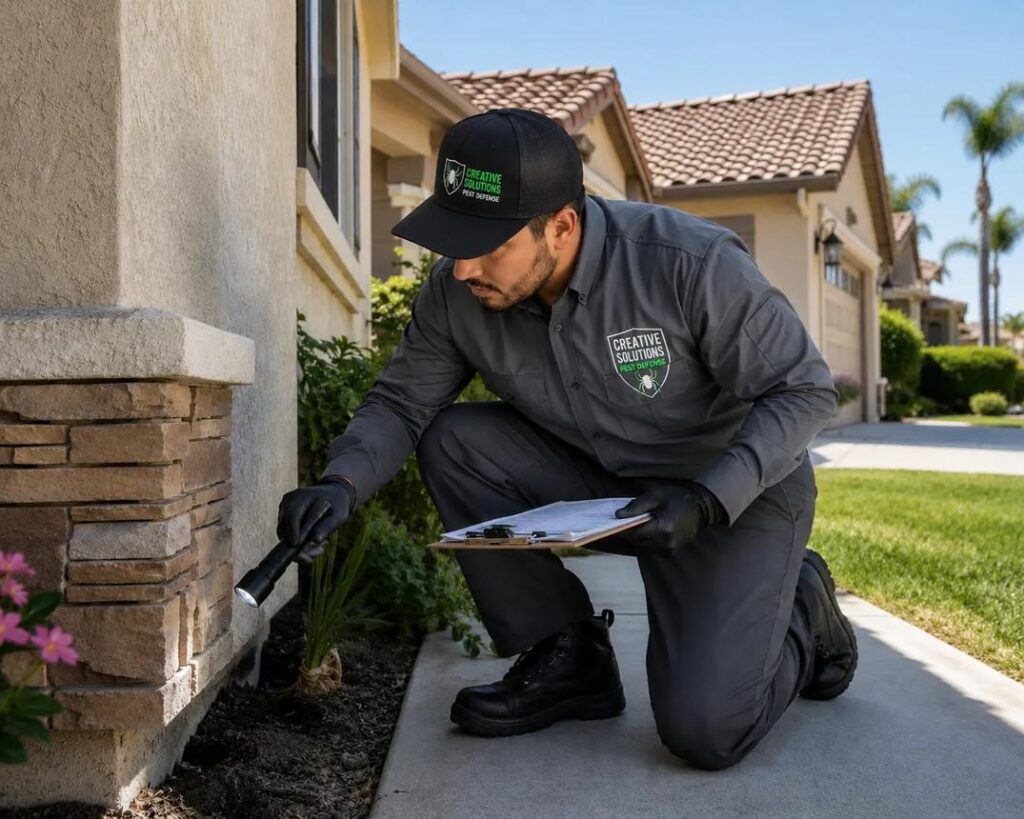
A qualified pest professional can assess suspicious conditions and recommend treatment based on the identified species.
For suspected structural damage, additional evaluation by an appropriate building professional may be necessary.
Use licensed pest-control providers where licensing is required and follow pesticide label instructions.
Can Pest Control Help Preserve Property Value?
Proper pest management can help protect the physical condition and marketability of a home.
However, pest control does not guarantee an increase in property value.
Its primary financial benefit is often avoiding or reducing damage and addressing conditions that might create concerns during a sale.
The strongest approach combines preventive maintenance, timely treatment, appropriate repairs, and reliable documentation.
If you intend to sell your property, consider addressing known pest issues before listing it.
Professional records can help demonstrate that identified problems received attention.
Frequently Asked Questions
Can pests actually lower the value of a house?
Yes. Significant pest-related damage, unresolved infestations, and associated repair costs may negatively influence a property’s marketability or sale price. The impact depends on the severity of the problem and local market conditions.
Which pests cause the most structural damage?
Termites are a major concern because they consume wood. Carpenter ants, wood-boring beetles, and certain other insects can also damage wooden materials. Rodents may damage wiring and insulation.
Does termite damage automatically reduce property value?
No. The effect depends on the extent of damage, whether the infestation remains active, the quality of repairs, and buyer expectations. Professionally repaired and documented damage may have a different market impact from unresolved structural problems.
Should I get a pest inspection before selling my home?
A professional pest inspection can be useful when you suspect activity, have a history of infestations, or need documentation for a transaction. Some sales may involve specific inspection requirements depending on the location and financing.
Can homeowners prevent pest infestations?
Homeowners can reduce infestation risks through cleaning, moisture control, sealing entry points, maintaining landscaping, and monitoring vulnerable areas. No preventive method guarantees complete protection.
How often should a property be inspected for pests?
The appropriate frequency depends on location, climate, building conditions, pest history, and observed activity. Homes in areas with significant termite pressure may benefit from a regular inspection schedule recommended by a qualified professional.
Does homeowners insurance cover pest damage?
Many standard homeowners insurance policies exclude damage resulting from termites, rodents, and other pests, particularly when damage is considered gradual or preventable through maintenance. Coverage depends on the policy and circumstances, so homeowners should review their specific terms.
Conclusion
Understanding the 4 ways pests can ruin the value of your property in 2026 can help homeowners take a more proactive approach to property maintenance.
Pest infestations may cause structural damage, create health and sanitation concerns, reduce buyer confidence, and increase ongoing repair expenses.
However, the presence of pests does not automatically mean a property will lose substantial value. The consequences depend on the specific problem, how quickly it is identified, and whether appropriate treatment and repairs are completed.
Regular inspections, moisture control, proper sanitation, and timely professional assistance can help reduce the risk of costly damage.
Whether you plan to sell your home soon or maintain it for years, protecting its condition is an important part of protecting your financial investment.

Written by Twastia Editorial Team
Twastia Editorial Team shares practical insights about website design, SEO services, Google Ads, content marketing, social media, conversion rate optimization, and digital marketing strategy.
Last updated: Nov 4, 2026
Related posts from Twastia
Explore more useful articles from twastia.com about digital marketing, SEO, websites, ads, content, and growth strategy.