Why Should You Invest In Patio Furniture Covers Before Winter Arrives?: Best Protection Tips
Outdoor furniture makes a backyard, deck, or patio more comfortable and functional. Whether you enjoy weekend barbecues, relaxing with family, […]
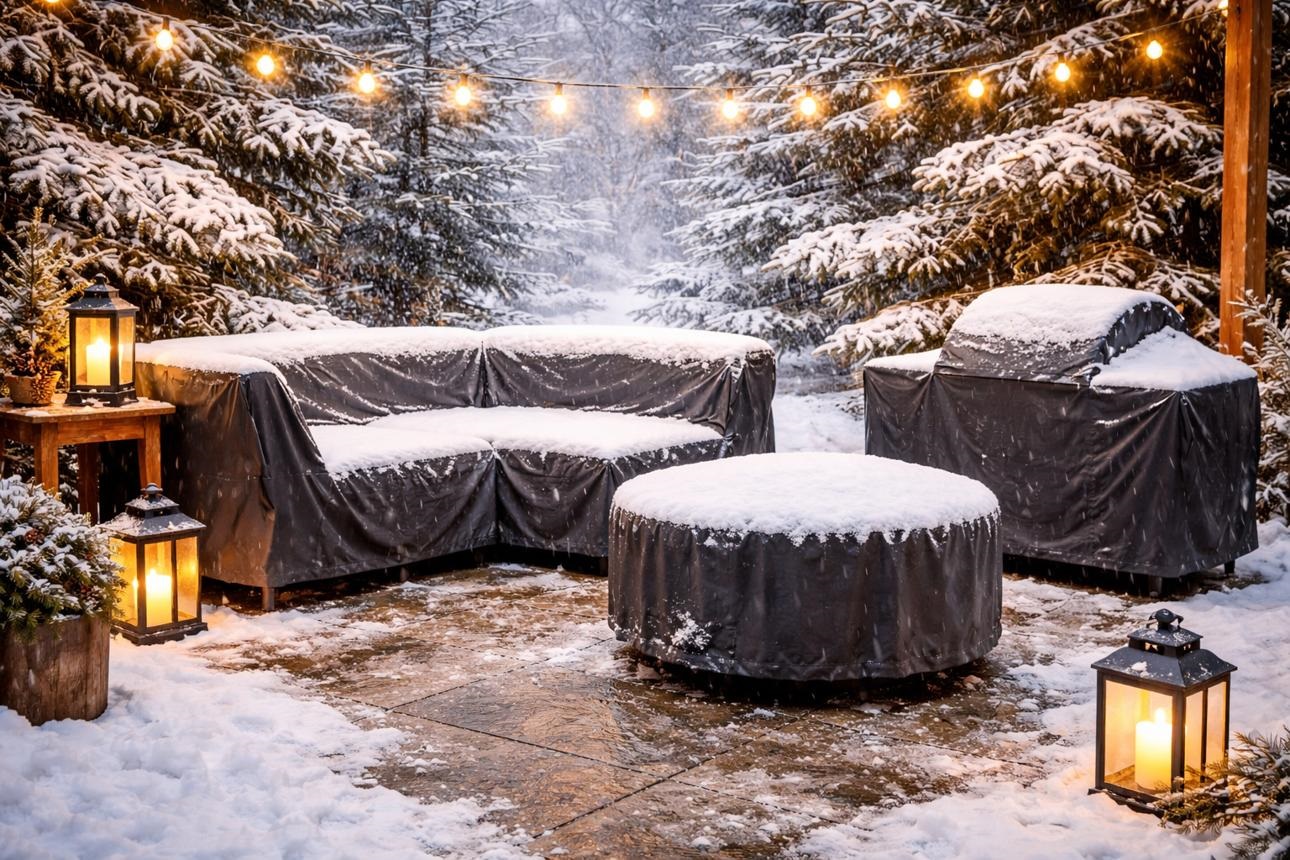
Outdoor furniture makes a backyard, deck, or patio more comfortable and functional. Whether you enjoy weekend barbecues, relaxing with family, or entertaining guests, a well-furnished outdoor space adds convenience and charm to your home.
However, winter weather can create challenges for outdoor furniture. Snow, freezing rain, moisture, strong winds, and sudden temperature changes may affect certain materials, especially when furniture remains exposed for extended periods.
This raises an important question: Why should you invest in patio furniture covers before winter arrives?
High-quality patio furniture covers can provide an additional layer of protection against seasonal weather, dirt, and debris. They may also help reduce maintenance requirements and preserve the appearance of your outdoor furniture.
Although many outdoor furniture products are designed to tolerate weather exposure, their performance varies according to materials, construction, maintenance, and climate.
A suitable cover cannot eliminate every winter-related risk, but it can be a valuable part of an effective furniture protection strategy.
This guide explains the benefits of patio furniture covers, the features worth considering, and the steps homeowners should follow to prepare their outdoor spaces for winter.
1. Protect Patio Furniture From Snow, Rain, and Ice
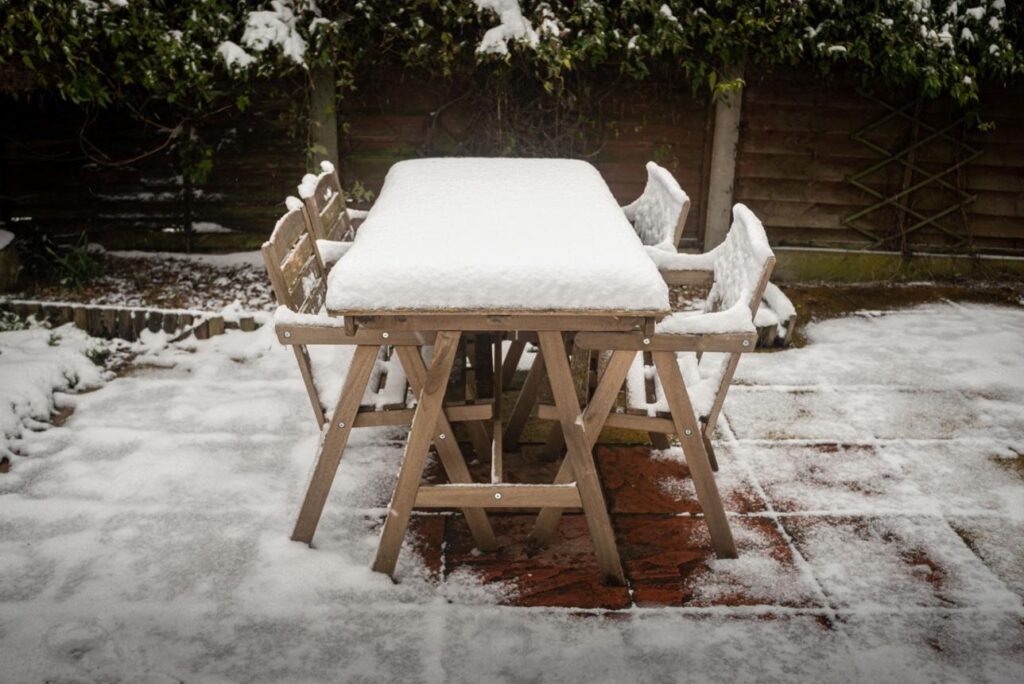
One of the main reasons to invest in patio furniture covers is to reduce direct exposure to winter precipitation.
In many parts of the United States, outdoor furniture faces repeated cycles of rain, snow, freezing temperatures, and thawing conditions.
These conditions can affect different materials in different ways.
Reduce Water Exposure
Rainwater and melting snow can accumulate on outdoor tables, chairs, and sofas.
Prolonged moisture exposure may contribute to staining, corrosion, deterioration of certain finishes, and damage to moisture-sensitive materials.
Well-designed, water-resistant furniture covers help prevent much of this precipitation from reaching furniture surfaces.
However, water-resistant and waterproof are not interchangeable terms. Performance depends on the fabric, seams, fit, and installation.
Even an effective cover may allow some moisture to enter during severe weather.
Limit Snow and Ice Accumulation
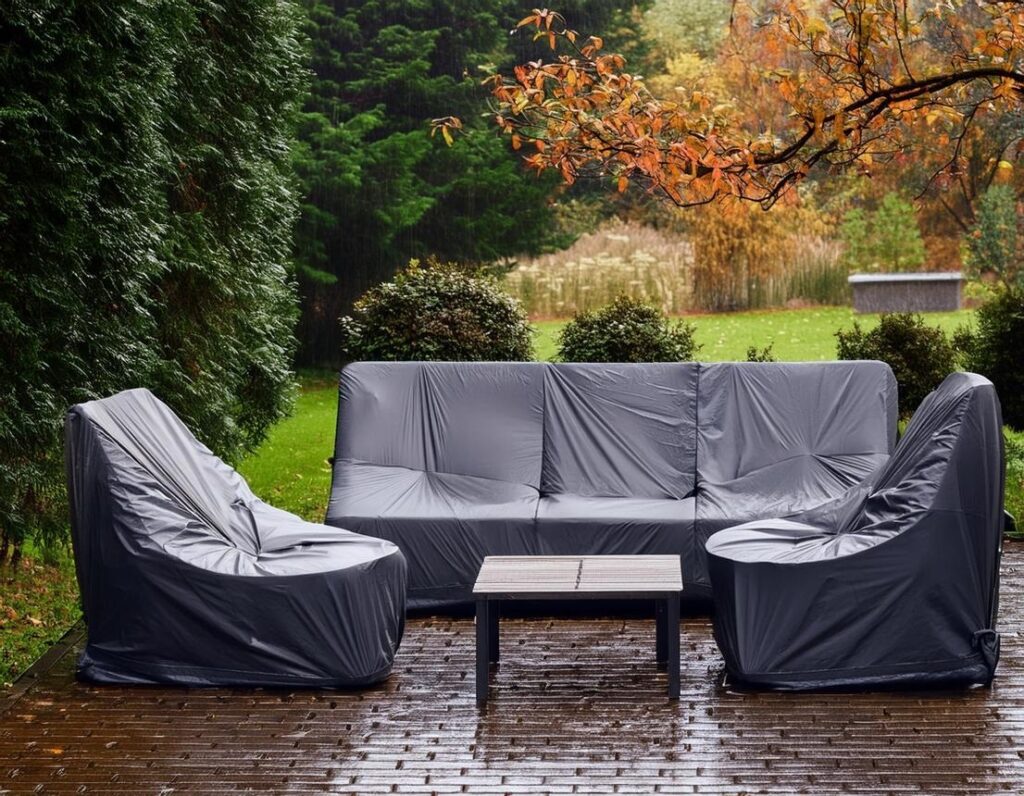
Snow accumulation can place additional weight on furniture and protective coverings.
When snow melts and refreezes, trapped moisture can create further problems.
A properly fitted cover with an elevated or sloped top helps encourage water runoff.
Heavy snow should still be removed carefully according to the furniture and cover manufacturers’ recommendations.
The Lowe’s patio furniture protection guide recommends using furniture covers and following material-specific care instructions during winter. Lowe’s
2. Help Extend the Lifespan of Outdoor Furniture
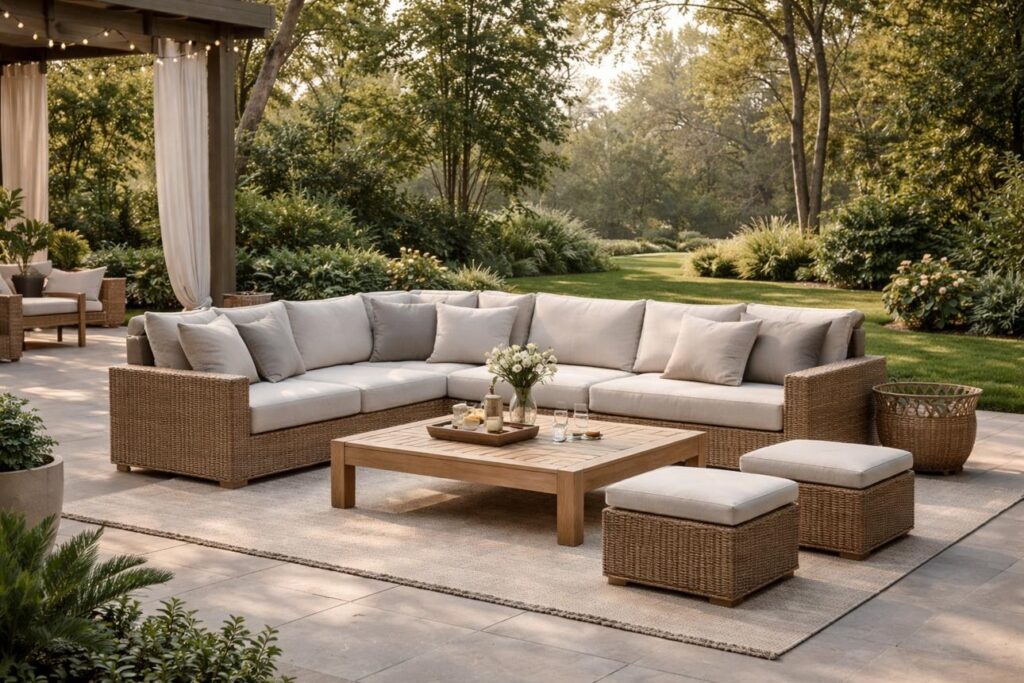
Replacing an outdoor dining set or sectional sofa can be expensive.
Protecting your existing furniture may help you avoid premature replacement caused by preventable exposure and inadequate maintenance.
Minimize Weather-Related Wear
Outdoor furniture materials respond differently to changing environmental conditions.
Metal furniture may develop corrosion if protective finishes are damaged. Certain wooden surfaces can experience moisture-related deterioration, while some plastics may become brittle after prolonged weather exposure.
Protective covers help reduce direct contact with rain, snow, and airborne debris.
According to the Royal Horticultural Society, garden furniture benefits from seasonal maintenance, although hardwoods, softwoods, metals, and plastics require different approaches. RHS Advice
Preserve Furniture Finishes
Painted, stained, or coated surfaces may experience gradual wear when exposed to harsh conditions.
A suitable cover can help limit contact with damaging environmental elements.
However, covering furniture while it is wet can create moisture-related problems.
For this reason, covers should be combined with proper cleaning, drying, and ventilation.
When considering why you should invest in patio furniture covers before winter arrives, long-term furniture care is one of the strongest practical benefits.
3. Reduce Cleaning and Maintenance Work
Outdoor furniture collects dust, fallen leaves, pollen, bird droppings, and other debris throughout the year.
During winter, these materials can accumulate in corners, between cushions, and around furniture frames.
Keep Furniture Cleaner
A well-fitted protective cover acts as a barrier against much of this debris.
Instead of allowing dirt to settle directly on the furniture, the cover collects it on its outer surface.
This can make seasonal cleaning easier.
For example, removing a dirty cover and cleaning it separately may require less work than thoroughly washing an entire outdoor sofa and its frame.
Make Spring Preparation Easier
Many homeowners look forward to using their patios when temperatures rise.
Furniture that has been stored or covered correctly may need less extensive cleaning before use.
You should still inspect the furniture for moisture, pests, damaged finishes, or loose connections.
Protective covers reduce exposure, but they do not eliminate the need for occasional maintenance.
4. Protect Different Types of Patio Furniture
Another important reason to invest in patio furniture covers is that outdoor materials have different vulnerabilities.
Choosing protection according to the furniture material helps prevent unnecessary damage.
Wooden Patio Furniture
Wooden furniture can respond to moisture through swelling, shrinking, staining, or gradual deterioration.
Some hardwoods, including teak, are naturally more weather-resistant than many softwoods.
However, even durable hardwood furniture benefits from appropriate maintenance.
Breathable covers can reduce direct precipitation exposure while allowing moisture to escape.
Avoid placing poorly ventilated plastic sheeting tightly against wooden surfaces for extended periods.
Metal Patio Furniture
Outdoor furniture made from aluminum, steel, or wrought iron may have protective coatings designed to resist weather exposure.
Powder-coated aluminum generally resists rust, but its finish can still become scratched or damaged.
Steel furniture can develop corrosion where protective coatings fail.
Covers help reduce exposure to precipitation and debris, although damaged coatings should also be repaired.
Wicker and Rattan Furniture
Synthetic resin wicker is commonly designed for outdoor use, while natural rattan is generally more moisture-sensitive.
Protective covers may help preserve the appearance of outdoor wicker furniture.
Furniture-specific care instructions remain important because products vary considerably in construction and durability.
5. Prevent Moisture Buildup With Breathable Covers
A common misconception is that the most protective furniture cover must be completely airtight.
In reality, trapped moisture can become a significant problem.
Why Breathability Matters
When damp furniture is sealed beneath a non-breathable cover, moisture may remain trapped.
Condensation can also develop beneath the cover as temperatures change.
This creates conditions that may encourage mildew, staining, or material deterioration.
Outdoor furniture manufacturer Gloster explains that breathable cover fabrics help reduce dampness and condensation, thereby lowering the likelihood of mold and mildew problems. Gloster
Choose Ventilated Cover Designs
Look for furniture covers with appropriately positioned ventilation openings or breathable fabric construction.
A good cover should balance precipitation resistance with airflow.
Avoid allowing water to collect in deep pockets on top of the cover.
Some furniture arrangements benefit from a cover-support pole that creates a raised center and encourages drainage.
The furniture should always be clean and thoroughly dry before being covered for extended periods.
6. Save Money on Repairs and Replacements
Outdoor furniture is an investment, particularly when it includes large dining sets, upholstered sofas, or premium materials.
Replacing damaged furniture can create unexpected household expenses.
Reduce Avoidable Deterioration
Exposure to repeated moisture, debris, and harsh weather may increase maintenance needs.
Protective covers can help limit these effects when they are properly selected and used.
The potential savings depend on the furniture’s original quality, climate, exposure, and maintenance requirements.
A cover cannot guarantee that furniture will last for a particular number of years.
Avoid Unnecessary Seasonal Expenses
A damaged finish, corroded fastener, or stained cushion may require professional cleaning, refinishing, or replacement.
Preventive protection may reduce the frequency of some of these expenses.
When comparing cover prices, consider the value of the furniture being protected rather than focusing exclusively on the lowest-priced option.
A durable cover that fits correctly may provide better long-term value than a poorly constructed cover requiring frequent replacement.
7. Maintain the Appearance of Your Outdoor Living Space
Patio furniture contributes to the overall appearance of your backyard.
A coordinated outdoor seating area can make a home feel welcoming and comfortable.
However, faded finishes, stained cushions, and neglected furniture can make the space less appealing.
Preserve Colors and Surface Finishes
Furniture covers can help reduce exposure to sunlight, moisture, and environmental debris.
Although ultraviolet exposure is often associated with summer, sunlight continues to affect outdoor materials throughout the year.
UV-resistant covers may also help protect furniture during sunny winter days.
Keep the Patio Looking Organized
Well-fitted covers provide a cleaner appearance than loose plastic sheets or unsecured tarps.
Choose neutral colors that complement your outdoor surroundings.
For a coordinated appearance, consider matching covers for dining tables, chairs, sofas, and other furniture pieces.
A tidy winter patio can remain visually appealing even when the furniture is not in regular use.
8. Choose the Right Patio Furniture Covers
Not all patio furniture covers offer equal protection.
Material quality, dimensions, weather resistance, breathability, and fastening systems influence performance.
Compare Cover Materials
Common options include polyester, solution-dyed polyester, and other coated synthetic fabrics.
Look for specifications covering water resistance, UV protection, tear resistance, and breathability.
Heavier fabric does not automatically mean better performance.
Construction quality, seams, coatings, and overall design also matter.
Measure Your Furniture Correctly
Before purchasing a cover, measure the furniture’s length, width, and height.
Allow enough space for the cover to fit comfortably without stretching.
An oversized cover may flap in strong winds, while an undersized cover can leave furniture exposed or strain seams.
Choose a design that accommodates the furniture’s actual shape.
Look for Secure Fastenings
Adjustable straps, buckles, elastic hems, and drawcords help keep covers in place.
These features are especially useful in windy locations.
Restoration Hardware’s outdoor furniture care guidance highlights breathable fabrics, fastening straps, and support devices that help prevent water from pooling on covers. images.restorationhardware.com
9. Prepare Your Patio Furniture Before Covering It
Correct preparation is essential for effective winter protection.
Simply placing covers over dirty or wet furniture can create avoidable problems.
Clean and Dry Every Piece
Remove cushions and decorative accessories before cleaning the furniture.
Use cleaning products appropriate for the specific material.
Remove dirt, food residue, leaves, and other debris.
Allow all furniture surfaces to dry completely before installing covers.
Store Cushions Separately When Possible
Outdoor cushions can retain moisture inside their foam even when the fabric feels dry.
For extended winter storage, keeping cushions in a clean, dry, protected indoor location is often preferable.
Check the cushion manufacturer’s instructions before deciding whether outdoor covered storage is appropriate.
Secure and Inspect Covers
Position covers carefully and fasten all straps.
Make sure water can drain rather than pool on horizontal surfaces.
Inspect covers periodically throughout winter, particularly after storms or strong winds.
Repair damaged seams or replace covers that no longer provide adequate protection.
10. Know When Indoor Storage Is the Better Choice
Although patio furniture covers offer useful protection, they are not always a substitute for indoor storage.
In areas experiencing severe snowfall, prolonged freezing temperatures, or frequent storms, moving vulnerable furniture into a garage, shed, or other suitable storage area may be preferable.
This is particularly important for delicate materials and furniture not rated for year-round outdoor exposure.
If indoor space is limited, prioritize removable cushions, umbrellas, and sensitive accessories.
Use protective covers for furniture that can safely remain outdoors according to its manufacturer’s instructions.
The ideal winter protection strategy depends on your climate, available storage, and furniture construction.
Frequently Asked Questions
Are patio furniture covers necessary during winter?
Patio furniture covers are useful when outdoor furniture remains exposed to rain, snow, debris, and changing temperatures. They are not always necessary if furniture is already stored in a suitable protected location.
Can patio furniture covers prevent rust?
Covers can reduce direct moisture exposure, which may help limit corrosion risks. However, they cannot guarantee rust prevention, especially when protective coatings are damaged or moisture becomes trapped.
Should patio furniture covers be waterproof or breathable?
A suitable cover should offer strong precipitation resistance while allowing adequate airflow. Breathability helps reduce condensation and moisture buildup beneath the cover.
Can patio furniture remain outside all winter?
Some furniture materials are designed to withstand year-round outdoor exposure. Others may require indoor storage. Always follow the manufacturer’s instructions and consider local weather conditions.
Should outdoor cushions be covered or stored indoors?
Dry indoor storage is generally preferable for removable cushions during extended winter periods. Cushion foam can retain moisture, and covering damp cushions may encourage mildew.
How do I keep furniture covers secure during strong winds?
Choose fitted covers with adjustable straps, buckles, or drawcords. Secure them according to manufacturer instructions and inspect the fastenings after storms.
How often should I check covered furniture during winter?
Inspect covered furniture periodically and after significant weather events. Check for standing water, accumulated snow, loose straps, torn fabric, and trapped moisture.
Conclusion
Understanding why you should invest in patio furniture covers before winter arrives can help you protect your outdoor furniture and reduce unnecessary maintenance.
Quality covers help shield furniture from precipitation, dirt, debris, and other environmental conditions. They may also preserve finishes, reduce cleaning work, and limit some forms of avoidable deterioration.
However, effective winter protection requires more than purchasing a cover.
Selecting breathable, weather-resistant materials, ensuring the correct fit, cleaning and drying furniture, and securing covers properly are all essential steps.
Homeowners should also recognize when indoor storage is the safer option, particularly for cushions and weather-sensitive materials.
By preparing your patio furniture before severe weather arrives, you can maintain a more attractive outdoor living area and make the transition into spring easier.

Written by Twastia Editorial Team
Twastia Editorial Team shares practical insights about website design, SEO services, Google Ads, content marketing, social media, conversion rate optimization, and digital marketing strategy.
Last updated: Nov 4, 2026
Related posts from Twastia
Explore more useful articles from twastia.com about digital marketing, SEO, websites, ads, content, and growth strategy.