5 Simple Steps How to Start a Moving Business: Best Startup Guide for 2026
Starting a moving business can be an attractive opportunity for entrepreneurs who enjoy physical work, customer service, and managing daily […]
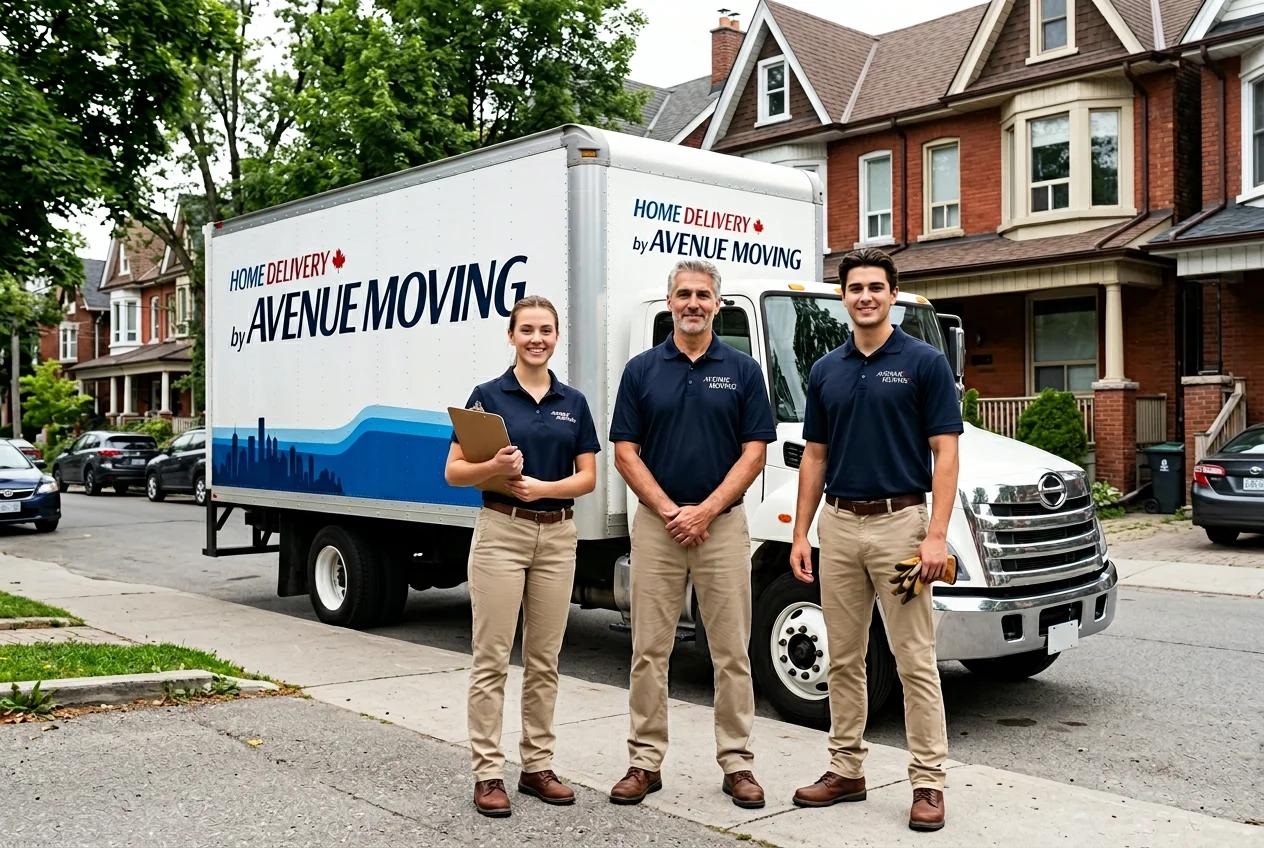
Starting a moving business can be an attractive opportunity for entrepreneurs who enjoy physical work, customer service, and managing daily operations. People relocate for jobs, education, family needs, and lifestyle changes, creating opportunities for professional moving services in communities across the United States.
However, running a successful moving company involves much more than purchasing a truck and helping customers transport furniture.
You need a clear business plan, suitable equipment, proper insurance, relevant licenses, and a reliable strategy for attracting customers.
Understanding the 5 simple steps how to start a moving business can help you organize the process and avoid common mistakes that create unnecessary expenses.
A moving business may begin with a small team serving local customers and gradually expand into larger residential or commercial relocations.
The important thing is to build a business that operates legally, handles customers’ belongings responsibly, and charges enough to cover its expenses.
This guide explains five practical steps for launching a moving company in 2026, including startup planning, registration, equipment, pricing, and marketing.
Step 1: Research the Market and Create a Moving Business Plan

The first step toward starting a moving business is understanding the market you intend to serve.
Moving services are needed in many communities, but demand, competition, and operating costs vary considerably by location.
Identify Your Target Customers
Decide which types of moves your company will handle.
A residential moving company may help families relocate between apartments, houses, or neighborhoods.
A commercial moving company may transport office furniture, equipment, and business supplies.
You might also specialize in small apartment moves, labor-only moving assistance, or packing services.
Each service requires different resources and operating procedures.
For new entrepreneurs, focusing on a clearly defined local market can make initial planning more manageable.
Research Local Competitors

Study established moving companies operating in your target area.
Review their services, advertised pricing approaches, customer feedback, and service coverage.
Pay attention to recurring customer complaints, such as unclear estimates, scheduling problems, or damaged belongings.
These observations can help identify opportunities to differentiate your business.
However, do not assume that low prices alone will attract profitable customers.
Reliability, communication, and careful handling are important competitive factors.
Write a Practical Business Plan

A moving company business plan should describe your services, target market, startup budget, operating expenses, and revenue goals.
Include realistic assumptions about the number of jobs you expect to complete.
Consider fuel, labor, vehicle maintenance, insurance, marketing, and administrative costs.
The U.S. Small Business Administration recommends market research, business planning, and startup cost calculations before launching a new company. Small Business Administration
A written plan provides a framework for financial decisions and future expansion.
Step 2: Register Your Moving Business and Meet Legal Requirements
The second step is establishing your business legally.
Registration and licensing requirements depend on where you operate and whether your company transports household goods within one state or across state lines.
Choose a Business Structure
Common business structures include sole proprietorships, limited liability companies, partnerships, and corporations.
An LLC may provide certain liability protections, although those protections have limitations and do not replace insurance.
Choose a structure based on ownership arrangements, financial responsibilities, tax considerations, and future business plans.
You may benefit from discussing your options with an accountant or business attorney.
Register Your Company
Choose an appropriate business name and check its availability with your state’s registration office.
Complete the required business formation paperwork and obtain any applicable local licenses.
You may also need an Employer Identification Number, commonly called an EIN.
The SBA explains that an EIN is generally needed for activities such as hiring employees, paying certain federal taxes, and establishing business banking arrangements. Eligible businesses can apply through the IRS without paying an application fee. Small Business Administration
Open a dedicated business bank account to separate business transactions from personal spending.
Understand USDOT and FMCSA Requirements
Interstate household goods movers are subject to federal requirements administered by the Federal Motor Carrier Safety Administration.
A company transporting household goods across state lines generally needs a USDOT number and the appropriate FMCSA operating authority.
The two are not interchangeable: having a USDOT number alone does not establish authorization to perform interstate household goods moves.
The FMCSA provides an official motor carrier registration guide explaining registration requirements. FMCSA+1
For businesses operating entirely within one state, check the applicable state transportation agency, public utilities commission, or other regulator.
Some intrastate movers also need USDOT registration, depending on the operation and applicable rules.
Obtain Suitable Business Insurance
Moving companies face risks involving vehicles, employees, customers, and transported property.
Common insurance considerations include commercial auto liability, general liability, cargo coverage, and workers’ compensation.
For interstate household goods carriers, FMCSA specifies financial responsibility requirements that vary by vehicle and operation.
For example, its published requirements identify $750,000 in bodily injury and property damage liability coverage for certain household goods carriers operating vehicles with a gross vehicle weight rating of at least 10,001 pounds, along with specified cargo insurance filings. FMCSA
Check the requirements applicable to your operation before accepting customers.
Step 3: Purchase Equipment and Build a Reliable Moving Team
One of the most important parts of learning how to start a moving business is choosing equipment that supports safe and efficient service.
You do not necessarily need a large fleet when launching your company.
However, you do need suitable vehicles, reliable moving supplies, and workers who understand safe handling procedures.
Choose the Right Moving Truck
The vehicle you select depends on your intended services.
A smaller truck may suit certain apartment moves, while larger residential relocations may require additional loading capacity.
Consider the truck’s dimensions, payload capacity, operating expenses, maintenance needs, and commercial insurance requirements.
You may choose to purchase, lease, or rent equipment depending on your financial situation.
For occasional work, renting may reduce the initial investment.
However, rental contracts must permit your intended commercial use, and the vehicle must have appropriate insurance and meet applicable transportation requirements.
Invest in Essential Moving Equipment
Professional moving equipment helps protect customers’ belongings and reduces unnecessary physical strain.
Common supplies include:
- Heavy-duty moving dollies and hand trucks.
- Furniture blankets and protective pads.
- Appropriate lifting and carrying straps.
- Furniture sliders and floor protection.
- Packing tape, boxes, and wrapping materials.
- Cargo securement straps and compatible anchoring equipment.
- Protective gloves and suitable work footwear.
Choose equipment with load ratings appropriate for its intended use.
Maintain your supplies and inspect them regularly.
Hire and Train Employees
Reliable employees are important to a moving company’s reputation.
Recruit workers who can communicate professionally, follow instructions, and perform the physical requirements of the job safely.
Provide training in lifting techniques, teamwork, loading procedures, cargo securement, and customer service.
Ensure drivers hold the appropriate licenses for the vehicles they operate.
Commercial driver’s license requirements depend on vehicle classifications, weight ratings, and other factors.
Avoid assuming that every box truck can be operated under the same licensing rules.
Step 4: Set Your Prices and Organize Business Operations
A moving business needs enough revenue to cover expenses, compensate employees, maintain vehicles, and produce a reasonable return.
Pricing should therefore reflect actual business costs rather than guesswork.
Calculate Your Operating Expenses
Begin by estimating fixed and variable costs.
Fixed expenses may include vehicle payments, insurance premiums, software subscriptions, and administrative overhead.
Variable expenses may include fuel, hourly labor, packing materials, tolls, and vehicle maintenance.
Also consider non-billable time spent traveling, preparing estimates, and maintaining equipment.
These costs can significantly affect profitability.
Develop a Clear Pricing Structure
Many local moving services use hourly pricing, while some moves may be priced using other methods.
Your pricing approach should reflect the services provided, applicable regulations, and customer expectations.
For example, a written estimate might account for the number of movers, vehicle requirements, anticipated duration, travel, packing services, and difficult access conditions.
Interstate household goods movers must comply with federal requirements governing estimates, tariffs, charges, and consumer information.
The FMCSA outlines important consumer protections, including written estimates and rules concerning charges based on nonbinding estimates. FMCSA
Do not promise a final price without understanding the work involved.
Create a Booking and Scheduling System
A simple booking process helps reduce missed appointments and scheduling conflicts.
Record customer contact information, moving dates, addresses, inventory details, and requested services.
Use written agreements and confirmations to clarify expectations.
Before accepting a job, ask about stairs, elevators, parking restrictions, oversized items, and building access.
These details can influence the required equipment, labor, and completion time.
Establish Customer Protection Procedures
Moving companies handle belongings that may have significant financial or personal value.
Document the condition of items when appropriate, explain applicable valuation options, and maintain clear procedures for damage claims.
For interstate household goods moves, federal regulations impose additional requirements concerning customer information, valuation, and dispute resolution.
FMCSA also requires regulated interstate household goods movers to maintain an arbitration program for certain disputes. FMCSA
Clear documentation helps prevent misunderstandings and supports professional service.
Step 5: Market Your Moving Business and Attract Customers
Once your company is properly registered, insured, equipped, and ready to operate, the next step is attracting customers.
Marketing helps people discover your services and understand why they should choose your business.
Create a Professional Business Website
Your website should explain what services you offer, where you operate, and how customers can contact you.
Include clear descriptions of residential moving, commercial moving, packing, or labor-only services where applicable.
Provide an easy way to request an estimate.
A mobile-friendly website is especially important because potential customers may search for movers using their phones.
Improve Your Local Search Visibility
Local search optimization can help nearby customers find your moving company.
Create a Google Business Profile when your business meets Google’s eligibility requirements.
Use accurate contact details, appropriate business categories, service areas, and genuine photographs.
Develop helpful website pages addressing the locations and services you actually cover.
Avoid creating misleading location pages for cities where your business has no meaningful service presence.
Build Trust Through Customer Reviews
Customer reviews can influence how people evaluate moving companies.
After successfully completing a move, invite customers to share genuine feedback.
Never purchase reviews or offer incentives specifically for positive ratings.
Respond professionally to complaints and use recurring feedback to improve operations.
Develop Local Business Relationships
Real estate agents, apartment managers, property management companies, and storage facilities may encounter customers who need moving assistance.
Professional relationships can generate referrals when built on reliable service and transparent communication.
Use lawful referral arrangements and avoid making promises your company cannot fulfill.
Use Advertising Carefully
Online advertising, community directories, and local promotional campaigns can help reach potential customers.
Start with a manageable budget and measure the number of qualified inquiries, booked jobs, and completed moves.
Focus on profitable customer acquisition rather than advertising reach alone.
How Much Does It Cost to Start a Moving Business?
The startup cost depends on your location, service model, equipment choices, and legal requirements.
A labor-only moving service may require less initial equipment than a company operating its own commercial trucks.
A full-service moving business may need significant funding for vehicles, insurance, supplies, registration, and employees.
For illustration, consider the following hypothetical startup budget.
| Expense | Illustrative planning allowance |
|---|---|
| Registration and professional services | $500 |
| Initial insurance payments | $3,000 |
| Moving equipment and supplies | $1,500 |
| Vehicle rental deposits and initial costs | $2,500 |
| Website and initial marketing | $1,000 |
| Operating cash reserve | $5,000 |
| Total | $13,500 |
These figures are a hypothetical budgeting example, not verified national averages or supplier quotes. Actual costs may be substantially higher, especially when purchasing trucks, hiring employees, or operating in locations with expensive insurance requirements.
Create a location-specific budget using current written estimates.
Common Mistakes to Avoid When Starting a Moving Company
A new moving company can encounter financial and operational challenges even when customer demand exists.
Common mistakes include underestimating vehicle costs, operating without appropriate authority, purchasing unsuitable equipment, and charging prices that do not cover expenses.
Another problem is accepting more bookings than the company can handle.
Late arrivals, damaged belongings, or unclear communication can harm a new business’s reputation.
Focus on providing dependable service before expanding rapidly.
Keep accurate financial records and monitor whether each type of moving job is profitable.
Frequently Asked Questions
Can I start a moving business with one truck?
Yes. Many small moving operations can begin with a single suitable truck. However, the vehicle must meet applicable licensing, insurance, and safety requirements, and its capacity should match the services offered.
Do I need an LLC to start a moving company?
An LLC is not universally required. Business owners may choose from several legal structures, depending on their circumstances and applicable regulations. Consult a qualified professional when evaluating liability and tax considerations.
Do I need a USDOT number for local moving services?
It depends on your state, vehicle, and type of operation. Interstate household goods movers generally need federal registration, while intrastate requirements vary. Check the FMCSA and your state transportation regulator before operating.
Is starting a moving business profitable?
A moving business can be profitable when it secures sufficient customers and manages labor, fuel, vehicles, insurance, and other expenses effectively. Profitability is not guaranteed and varies by location, pricing, competition, and operational efficiency.
What equipment do I need to start a moving business?
Common equipment includes a suitable moving vehicle, dollies, hand trucks, furniture blankets, straps, protective materials, and packing supplies. The exact requirements depend on the types of moves you provide.
How can I get my first moving customers?
A professional website, accurate local business listings, relationships with relevant community businesses, and carefully targeted advertising can help generate initial inquiries. Reliable service and genuine customer recommendations can support continued growth.
Can I start a moving business without owning a truck?
Potentially. A labor-only service may assist customers with loading and unloading their own rental vehicles. Requirements still depend on the services provided and local regulations. Alternatively, some companies rent commercial vehicles under suitable agreements.
Conclusion
Understanding the 5 simple steps how to start a moving business provides a practical foundation for launching a moving company in the United States.
The process begins with researching your market and developing a realistic business plan. Next, you must establish your company legally, obtain appropriate authorization and insurance, invest in suitable equipment, and organize operations.
Finally, effective marketing and dependable customer service can help attract customers and build your reputation.
Starting small can be a reasonable approach, but avoiding unnecessary expenses should never come at the cost of safety, legal compliance, or customer protection.
By preparing carefully, managing finances responsibly, and delivering reliable moving services, you can build a business with opportunities for sustainable long-term growth.

Written by Twastia Editorial Team
Twastia Editorial Team shares practical insights about website design, SEO services, Google Ads, content marketing, social media, conversion rate optimization, and digital marketing strategy.
Last updated: Nov 4, 2026
Related posts from Twastia
Explore more useful articles from twastia.com about digital marketing, SEO, websites, ads, content, and growth strategy.