12 Key Factors to Consider Before Investing in Real Estate
Real estate can help Americans build long-term wealth, earn rental income, and diversify beyond traditional investments. But owning property does […]

Real estate can help Americans build long-term wealth, earn rental income, and diversify beyond traditional investments. But owning property does not automatically produce a profit. A promising listing can become expensive when financing, maintenance, vacancies, or local conditions do not match your expectations.
Whether you are considering your first rental home, a multifamily building, or a real estate investment trust (REIT), understanding the right factors can help you make a more informed decision. This guide explains what to evaluate, how to estimate potential returns, and which mistakes to avoid before committing your money.
The goal is not to find a “perfect” property. It is to identify an investment whose risks, costs, and expected rewards fit your financial situation.
Why Real Estate Investment Factors Matter
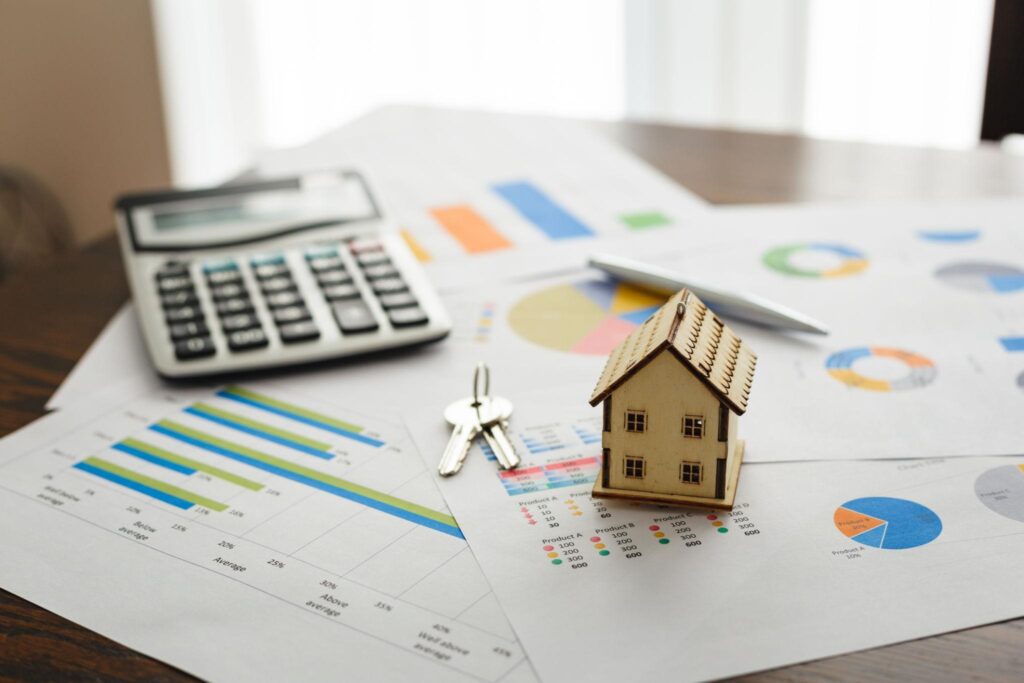
Every property has its own economics. Two houses with similar asking prices may generate very different returns because of taxes, insurance, rent levels, or required repairs. Likewise, a busy rental market may support steady demand today without guaranteeing future appreciation.
Instead of relying on a listing’s projected earnings, evaluate several factors together. Compare local evidence, realistic expenses, financing terms, and your ability to manage unexpected costs. This approach helps separate a potentially sustainable investment from a property that merely looks attractive in photographs.
1. Location and Neighborhood Quality

Location influences tenant demand, resale potential, convenience, and operating costs. Research access to employment centers, transportation, shopping, and everyday services. Consider whether the neighborhood attracts the type of renters you hope to serve.
Do not assume a trendy ZIP code is automatically a good investment. Compare nearby blocks and properties, review recent sales, and visit at different times of day. Also investigate local property tax rates, insurance conditions, and planned developments.
A lower-priced home in a stable area can sometimes outperform a more expensive property with weak rental fundamentals.
2. Local Housing Market Conditions
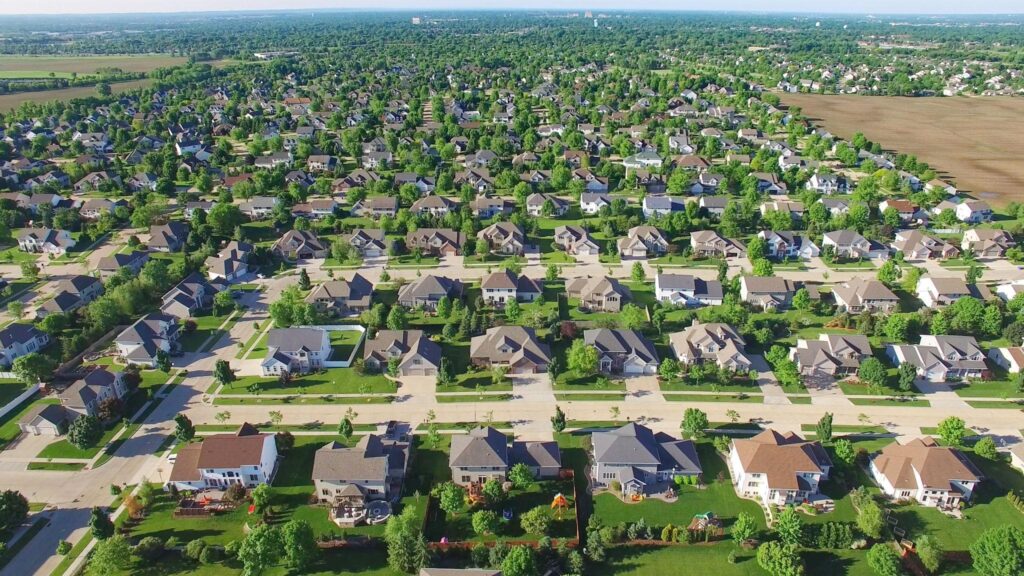
National headlines rarely tell the full story of a city or neighborhood. Look at recent comparable sales, active listings, days on market, rental inventory, and local employment trends. Population changes and new construction can also influence demand.
A rapidly appreciating market may carry the risk of overpaying. Meanwhile, a slower market could offer opportunities if rents and purchase prices support the numbers.
Study several years of local data where available, and remember that past price growth is not a reliable promise of future gains.
3. Rental Demand and Realistic Income
For a rental property, expected income should come from evidence rather than optimism. Search comparable properties with similar size, condition, amenities, and location. Review advertised rents, and ask local property managers about the amounts tenants actually pay.
Account for vacant months, leasing costs, late payments, and possible concessions. Short-term rentals require additional research into seasonality, cleaning costs, platform fees, and local restrictions.
An investment that works only at the highest advertised rent may be too fragile for a first-time owner.
4. Purchase Price and Upfront Expenses
The purchase price is only part of your initial investment. Budget for inspections, appraisal fees, title services, lender charges, down payment, repairs, and any initial improvements. In some transactions, you may also need cash to cover utility setup or rental licensing.
The Consumer Financial Protection Bureau notes that typical closing costs for home purchases can range from 2% to 5% of the purchase price, excluding the down payment; actual costs vary. Investment-property financing can have different requirements.
Keep enough savings available after closing rather than spending your entire cash reserve to acquire the property.
5. Mortgage Rates and Financing Terms
Borrowing costs affect monthly payments and the amount of income left over for the owner. Compare loan estimates from multiple lenders, examining not only the interest rate but also fees, points, cash required at closing, and whether the rate is fixed or adjustable.
A low advertised rate may not represent the cheapest overall loan. The annual percentage rate (APR) includes certain borrowing charges, which can help with comparisons between similar loans.
Ask what happens if interest rates rise, repairs exceed your budget, or rental income falls. Debt can amplify returns, but it also increases financial exposure.
6. Cash Flow and Investment Returns
Positive cash flow means the property brings in more money than it costs to operate and finance over the period measured. Calculate income after vacancies, maintenance, taxes, insurance, management, and mortgage payments. Do not treat the full monthly rent as profit.
Investors may also compare capitalization rate (cap rate), cash-on-cash return, and potential appreciation. Each measures something different.
Cap rate compares net operating income with property value and excludes financing, while cash-on-cash return considers annual pre-tax cash flow relative to actual cash invested.
Use more than one metric before deciding whether a deal is worthwhile.
7. Property Condition and Inspection Findings
A recently painted house may still have aging plumbing, structural issues, roof damage, or outdated electrical systems. Arrange appropriate professional inspections and review estimates before waiving contingencies or finalizing a deal.
Pay special attention to large-ticket items such as the roof, foundation, heating and cooling equipment, and water damage.
Environmental concerns also matter. The Environmental Protection Agency recommends radon testing when buying or selling a home.
If significant repairs are needed, include both their likely cost and the time the property may remain unoccupied.
8. Ongoing Ownership and Management Costs
Rental ownership creates expenses even when a tenant pays on time. Common costs include property taxes, insurance, routine repairs, major replacements, landscaping, utilities paid by the owner, homeowners association fees, and property management.
Get location-specific quotes instead of copying assumptions from online investment calculators. Insurance costs can vary significantly by address and coverage.
Reserve funds for major items such as roofs or HVAC equipment, even if they are working today. If you do not plan to manage the property yourself, price professional management into the analysis from the beginning.
9. Legal Rules, Taxes, and Landlord Responsibilities
Real estate laws differ across states, counties, and municipalities. Before purchasing, research local zoning, rental registration, safety standards, security deposit requirements, and any rules for short-term rentals.
Understand federal, state, and local fair housing obligations as well.
Taxes are another important consideration. Rental income is generally reportable, and eligible expenses and depreciation may affect taxable income.
IRS Publication 527 explains that residential rental buildings are generally depreciated over 27.5 years under the standard General Depreciation System.
Because tax treatment depends on your circumstances, consult a qualified professional before relying on a projected tax benefit.
10. Insurance, Environmental, and Disaster Risks
A property exposed to flooding, hurricanes, wildfires, or severe storms may require more insurance or create higher long-term repair costs. Review available hazard information and ask insurers for actual quotes before making an offer.
Standard homeowners insurance may not cover every hazard, and rental properties may need different policies from owner-occupied homes.
Consider deductibles, exclusions, and whether coverage could become more expensive or harder to obtain.
Risk evaluation should also include crime trends, building safety, and infrastructure. A high projected return may not compensate for risks you cannot reasonably manage.
11. Your Time, Experience, and Investment Goals
Managing tenants is not the same as buying a passive financial asset. Leasing, maintenance calls, bookkeeping, and contractor oversight require time or paid help. Be realistic about your availability and comfort with these responsibilities.
A hands-on investor may prefer a nearby single-family rental, while someone seeking less direct involvement might evaluate publicly traded REITs or real estate funds.
REITs provide exposure to real estate through companies that own or finance income-producing assets, but they carry market and business risks.
Match the investment approach to your goals rather than choosing solely for potential returns.
12. Exit Strategy and Long-Term Flexibility
Before buying, decide how you might eventually leave the investment. You could sell, refinance, continue renting, or exchange one qualifying investment property for another. Each path has costs and uncertainties.
Real estate is generally less liquid than publicly traded securities. Selling can take time, and transaction costs reduce proceeds.
A tax-deferred Section 1031 exchange may be available for qualifying business or investment real property, but strict rules apply.
Stress-test your plan against a sale during a weak market, unexpected repairs, or a period without rental income. Having options is valuable even if your first plan changes.
How to Analyze a Potential Rental Property
Consider a hypothetical property purchased for $250,000 that rents for $2,000 per month. Its gross scheduled annual rent is $24,000. If you assume a 5% vacancy allowance, effective annual rental income becomes $22,800.
Now suppose annual operating expenses total $8,800, including taxes, insurance, maintenance, and management. Net operating income is $14,000.
Dividing that by the $250,000 price produces a 5.6% cap rate. This figure excludes mortgage payments, income taxes, and major nonroutine expenditures.
To estimate actual cash flow, subtract annual mortgage payments and any other cash costs not already included.
If annual debt service is $15,000, cash flow before taxes and extraordinary expenses would be negative $1,000.
The example shows why attractive gross rent does not guarantee a profitable rental. All figures are illustrative, not current market averages.
Common Mistakes New Investors Should Avoid
One frequent mistake is focusing only on future price appreciation while ignoring today’s numbers. Others include underestimating repairs, failing to verify comparable rents, overlooking insurance, and using too much leverage.
Investors can reduce avoidable surprises by gathering independent estimates, reviewing inspection results, studying the local market, and maintaining emergency reserves.
They should also keep personal finances separate from rental property records and document all assumptions.
A property that cannot withstand an ordinary vacancy or repair deserves another look, no matter how attractive the asking price seems.
Frequently Asked Questions
What are the most important factors in real estate investing?
Location, local demand, purchase price, financing, operating expenses, and realistic cash flow are among the most important.
Your own risk tolerance and investment timeline also matter. No single factor reliably determines whether a property will succeed.
How much money do I need to start investing in real estate?
It depends on the investment type. Buying a rental property may require a down payment, closing costs, repairs, and cash reserves.
Publicly traded REITs may allow participation with much less initial capital, although share prices fluctuate and investments can lose value.
Is real estate a good investment for beginners?
It can be, provided beginners understand the workload, financial risks, and local conditions.
Start by comparing several properties, learning basic return calculations, and choosing an approach aligned with your available capital and time.
There is no guaranteed income or appreciation.
Which is more important: rental income or appreciation?
The answer depends on your goals. Investors prioritizing near-term income usually pay close attention to cash flow, while long-term investors may also consider appreciation potential.
Because future price changes are uncertain, relying entirely on appreciation can be risky.
How can I reduce risk before buying an investment property?
Verify rent estimates, order inspections, compare financing offers, obtain insurance quotes, review local rules, and keep adequate reserves.
Model a scenario with lower income or higher expenses. If the investment still fits your budget, you will be better prepared for setbacks.
Conclusion
Successful property investing begins with careful evaluation, not excitement about a listing. The 12 factors above help you judge whether a property fits your goals, financial capacity, and tolerance for uncertainty.
Pay particular attention to location, accurate income estimates, borrowing costs, property condition, and long-term risk.
Before moving forward, compare alternatives and put your assumptions in writing.
The best investment is not necessarily the cheapest house or the one with the highest advertised rent. It is one you understand, can afford to maintain, and can hold through changing market conditions.

Written by Twastia Editorial Team
Twastia Editorial Team shares practical insights about website design, SEO services, Google Ads, content marketing, social media, conversion rate optimization, and digital marketing strategy.
Last updated: Oct 11, 2026
Related posts from Twastia
Explore more useful articles from twastia.com about digital marketing, SEO, websites, ads, content, and growth strategy.