Full Home Renovation: Complete Guide to Costs, Planning, and Remodeling in 2026
A full home renovation is an exciting opportunity to transform an outdated house into a comfortable, functional, and beautiful living […]
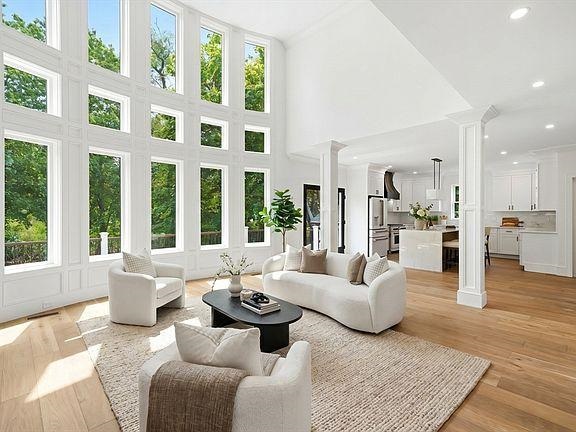
A full home renovation is an exciting opportunity to transform an outdated house into a comfortable, functional, and beautiful living space. Whether you recently purchased an older property or want to modernize the home you have lived in for years, renovating your entire house can make a significant difference.
However, a complete home renovation requires more than choosing new flooring, paint colors, and kitchen cabinets. It involves careful budgeting, thoughtful planning, skilled contractors, and an understanding of the renovation process.
For homeowners across the United States, knowing what to expect can help prevent expensive mistakes and unnecessary delays.
This comprehensive guide explores full home renovation costs, essential planning steps, popular remodeling ideas, and practical tips for achieving successful results.
What Is a Full Home Renovation?

A full home renovation involves improving or updating multiple areas of a house through a coordinated remodeling project. Depending on the property’s condition and the homeowner’s goals, the work may include cosmetic upgrades, major system replacements, structural modifications, or complete interior redesigns.
Unlike a single-room remodel, a whole house renovation considers how different rooms work together.
For example, updating your kitchen may require changes to the adjacent dining room, electrical system, flooring, and lighting.
A comprehensive renovation creates a consistent design while improving the home’s functionality and overall condition.
Renovation vs. Remodeling: What’s the Difference?
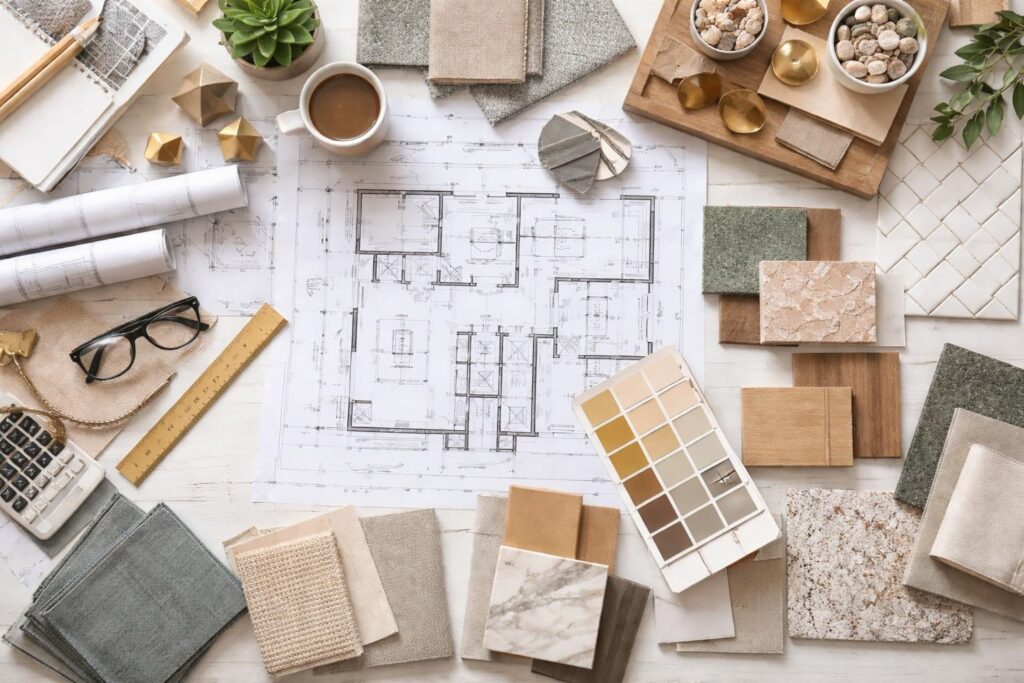
Although homeowners often use these terms interchangeably, there is a difference.
Home renovation generally involves restoring, repairing, or updating existing spaces without significantly changing their purpose.
Home remodeling usually involves altering layouts, modifying structures, or changing how particular rooms function.
A full house renovation can include both types of improvements, depending on your plans.
What Does a Full Home Renovation Include?
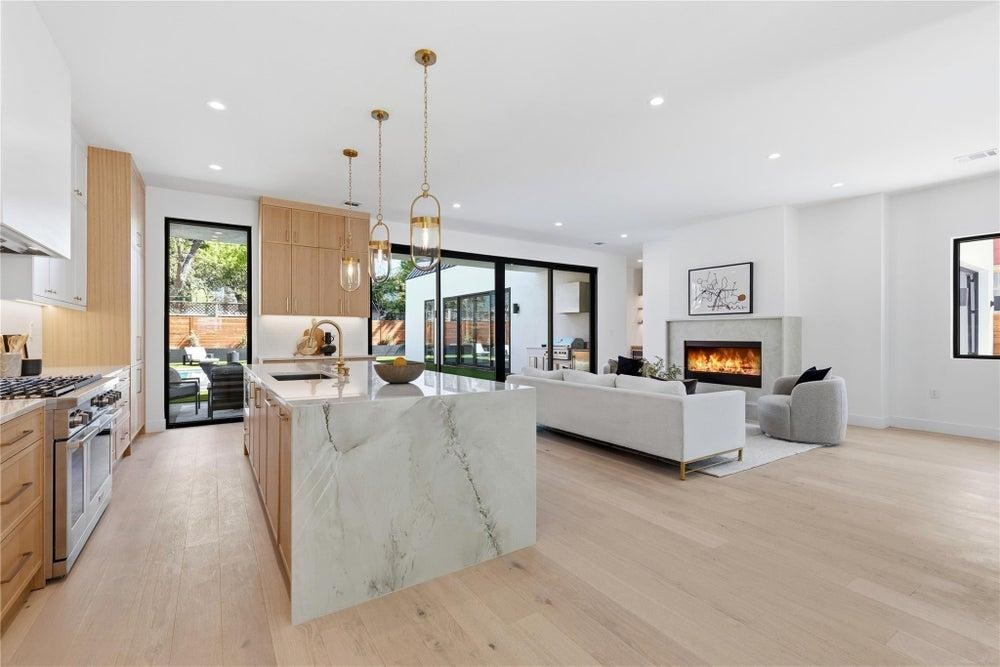
Every property has different requirements. However, most complete home remodeling projects involve improvements to several important areas.
1. Kitchen Renovation
The kitchen is one of the most frequently used spaces in any home.
Popular kitchen upgrades include:
- Installing modern cabinets and countertops
- Replacing outdated appliances
- Improving lighting and ventilation
- Adding kitchen islands
- Updating plumbing fixtures
- Installing durable flooring
An efficient kitchen layout should balance appearance, storage, and convenience.
2. Bathroom Remodeling
Bathroom renovations can improve comfort, cleanliness, accessibility, and everyday convenience.
Common improvements include walk-in showers, modern vanities, upgraded ventilation, water-saving fixtures, and slip-resistant flooring.
Homeowners may also consider accessibility features, such as grab bars or curbless showers, for long-term usability.
3. Living Rooms and Bedrooms
Living areas benefit from better lighting, updated flooring, fresh paint, and improved storage solutions.
In bedrooms, built-in closets, additional outlets, and better insulation can make everyday life more comfortable.
Maintaining consistent flooring and interior finishes throughout the house also creates a cohesive appearance.
4. Structural and Mechanical Improvements
Some renovation projects require more extensive work involving electrical wiring, plumbing, HVAC equipment, or structural elements.
These improvements demand careful planning and qualified professionals.
A full home renovation service overview from Rose Building Group demonstrates how comprehensive projects can combine flooring, electrical work, plumbing, structural upgrades, and other improvements under coordinated project management.
Benefits of a Full Home Renovation
Renovating your entire property offers several advantages beyond improving its appearance.
Improved Comfort and Functionality
Older homes may have awkward layouts, limited storage, or poorly positioned rooms.
A thoughtful renovation can improve circulation, create practical living areas, and make better use of available space.
Better Energy Efficiency
Updating insulation, sealing air leaks, improving windows, and replacing inefficient equipment may reduce energy consumption.
The actual savings depend on your climate, existing home conditions, and the improvements completed.
Increased Property Appeal
Modern kitchens, attractive bathrooms, and well-maintained interiors can make a property more appealing to potential buyers.
However, renovation spending does not automatically translate into an equivalent increase in resale value.
Personalized Living Spaces
A whole house renovation allows you to create a home that reflects your lifestyle.
You might need a dedicated home office, additional family space, accessible bathrooms, or improved storage.
Instead of adapting your daily routine to an outdated layout, you can redesign the house around your needs.
How to Plan a Full Home Renovation Step by Step
Successful renovation projects begin with careful preparation.
Step 1: Define Your Renovation Goals
Before contacting contractors, determine what you want to accomplish.
Ask yourself:
- Which rooms need the most attention?
- Are structural changes necessary?
- What problems affect daily comfort?
- Which improvements are essential?
- How long do you plan to live in the home?
Separate essential repairs from optional design upgrades.
This distinction makes it easier to manage costs if unexpected expenses arise.
Step 2: Evaluate Your Home’s Condition
Inspecting the property before construction helps identify potential problems.
Important areas include the roof, foundation, plumbing, electrical systems, insulation, and ventilation.
Older homes may require additional investigation for hidden water damage, deteriorated wiring, or hazardous building materials.
For properties built before 1978, renovation work that disturbs painted surfaces may create lead exposure risks.
The Environmental Protection Agency requires covered contractors working on many pre-1978 residential projects to follow lead-safe certification and work-practice requirements.
Step 3: Create a Realistic Renovation Budget
Establish your maximum affordable spending amount before selecting materials.
Your budget should account for:
- Design and architectural services
- Construction labor
- Materials and fixtures
- Building permits
- Demolition and waste removal
- Temporary accommodation
- Unexpected repairs
Consider reserving approximately 10%–20% of your renovation budget for unexpected conditions.
For older properties or projects involving substantial structural work, a larger reserve may be appropriate.
Step 4: Develop a Consistent Design Plan
Consider how each renovated room will connect with surrounding spaces.
Choose a coordinated approach to flooring, lighting, wall colors, doors, and interior finishes.
A consistent design does not mean every room must look identical.
Instead, materials and colors should complement one another while allowing each space to serve its purpose.
Step 5: Finalize Materials Before Construction
Late material selections can delay projects and increase expenses.
Choose major items such as cabinets, appliances, tiles, fixtures, and flooring before the relevant construction stages begin.
Confirm availability, delivery dates, installation requirements, and return policies with suppliers.
How Much Does a Full Home Renovation Cost in the USA?
Home renovation cost varies substantially depending on property size, location, materials, and construction complexity.
According to Angi’s 2026 renovation cost guide, broad home renovation projects commonly cost approximately $15–$60 per square foot, while premium finishes and extensive work can exceed $150 per square foot.
These figures cover different renovation scopes. A complete gut renovation involving major structural and mechanical work may cost considerably more than a cosmetic refresh.
Factors That Influence Renovation Costs
Home size: Larger properties generally require more materials and labor.
Location: Construction expenses differ between cities and states because of labor rates and local market conditions.
Property age: Older houses may need electrical, plumbing, structural, or environmental improvements.
Material quality: Custom cabinetry, premium tile, and luxury fixtures can significantly increase expenses.
Layout modifications: Moving walls, bathrooms, or kitchens often introduces additional engineering and mechanical work.
Permits: Local permit fees and inspection requirements add to project expenses.
Always request detailed local estimates rather than relying exclusively on national averages.
How Long Does a Full Home Renovation Take?
A complete home renovation generally takes several months, but there is no universal timeline.
Projects involving extensive structural changes, additions, or unexpected repairs can take much longer.
Typical Renovation Stages
Planning and design: Assessing the property, developing drawings, selecting materials, and preparing estimates.
Permits and approvals: Obtaining authorization where required by local authorities.
Demolition: Removing existing fixtures, finishes, and approved structural elements.
Major construction: Completing framing, electrical, plumbing, and HVAC modifications.
Interior finishing: Installing drywall, cabinets, flooring, paint, lighting, and fixtures.
Final inspections: Verifying required work, completing corrections, and reviewing the finished property.
Weather, material shortages, permit processing, and change orders can affect the schedule.
A detailed construction timeline should include reasonable allowances for delays.
How to Choose the Right Home Renovation Contractor
Hiring the right contractor is among the most important decisions in a whole house renovation.
Begin by researching established remodeling companies with experience handling projects comparable to yours.
Review completed projects, check references, and confirm applicable licenses and insurance.
Questions to Ask Before Hiring
Ask prospective contractors:
- Have you completed similar whole house renovations?
- Who will manage daily construction activities?
- Which services will be subcontracted?
- Who is responsible for obtaining permits?
- How will additional costs be approved?
- What warranties are included?
- How frequently will you provide progress updates?
Obtain several written estimates and compare the scope of work rather than focusing only on the lowest price.
The Federal Trade Commission recommends checking contractor credentials, reviewing written agreements carefully, and avoiding demands for full payment upfront.
Your contract should clearly describe the materials, work schedule, payment milestones, change-order procedures, and responsibilities.
Energy-Efficient Improvements Worth Considering
A full home renovation provides an opportunity to improve your home’s energy performance while walls and systems are accessible.
Useful improvements may include:
- Additional attic or wall insulation
- Air sealing around gaps and penetrations
- Efficient heating and cooling equipment
- Improved ventilation
- LED lighting
- Energy-efficient appliances
- Better-performing windows where replacement is justified
Prioritize improvements based on a home energy assessment rather than appearance alone.
For example, addressing air leaks and insulation weaknesses may be more cost-effective than replacing otherwise functional windows.
Proper installation also matters because even expensive equipment can perform poorly when incorrectly sized or installed.
Common Full Home Renovation Mistakes to Avoid
A renovation can become stressful when decisions are rushed or important details are overlooked.
Underestimating the Budget
Unexpected repairs and design changes can quickly increase costs.
Maintain a contingency reserve and monitor spending throughout construction.
Changing Plans Frequently
Moving walls or changing materials after construction begins may cause rework and scheduling problems.
Finalize major decisions early whenever possible.
Choosing Price Over Quality
An unusually inexpensive estimate may exclude essential work or use lower-quality materials.
Compare specifications, warranties, and contractor experience.
Ignoring Permits and Inspections
Skipping required approvals can create safety concerns and problems during a future property sale.
Confirm requirements with your local building department before work starts.
Forgetting Daily Living Arrangements
Major renovations can interrupt cooking, bathing, working, and sleeping.
Plan whether your household can safely remain in the property or needs temporary accommodation.
Frequently Asked Questions About Full Home Renovation
1. Is a full home renovation worth the investment?
A full home renovation can be worthwhile when it improves safety, comfort, functionality, and long-term enjoyment.
Financial returns depend on renovation costs, local housing conditions, and the improvements selected. Homeowners should balance resale considerations with their own living needs.
2. Can I live in my house during a complete renovation?
Sometimes. It depends on the project’s scale and whether essential utilities, bathrooms, kitchens, and safe living areas remain available.
Extensive demolition or structural work may require temporary relocation. Discuss occupancy arrangements with your contractor before construction begins.
3. Do I need permits for a full house renovation?
Many major renovations require permits, particularly when changing structural elements, electrical systems, plumbing, or building layouts.
Requirements vary by city, county, and state. Contact your local building department to confirm which approvals and inspections apply.
4. What should I renovate first?
Start with safety concerns, structural problems, water damage, and essential mechanical systems.
After addressing these priorities, focus on functional improvements such as kitchens, bathrooms, storage, and living spaces.
Decorative upgrades should generally follow necessary repairs.
5. How can I reduce renovation costs without sacrificing quality?
Retain functional layouts where possible, reuse materials in good condition, select durable mid-range finishes, and finalize decisions early.
Obtaining competitive estimates and avoiding unnecessary structural changes can also help control spending.
Never compromise on structural safety, essential electrical work, or required permits.
Conclusion
A successful full home renovation begins with clear goals, realistic budgeting, and careful preparation.
Whether you want to modernize an older property, create more functional living areas, or improve energy efficiency, a well-planned renovation can make your house more comfortable and practical for years to come.
Focus on essential improvements first, choose experienced professionals, and maintain open communication throughout construction.
With thoughtful design, quality materials, and dependable project management, your complete home remodeling project can transform your existing property into a space that better supports your lifestyle and future needs.

Written by Twastia Editorial Team
Twastia Editorial Team shares practical insights about website design, SEO services, Google Ads, content marketing, social media, conversion rate optimization, and digital marketing strategy.
Last updated: Oct 11, 2026
Related posts from Twastia
Explore more useful articles from twastia.com about digital marketing, SEO, websites, ads, content, and growth strategy.