British Red and Grey Bricks: The Best Guide for Architectural Design
In the realm of architectural design and home construction, few materials evoke the same sense of permanence, heritage, and classic […]
In the realm of architectural design and home construction, few materials evoke the same sense of permanence, heritage, and classic elegance as authentic masonry. Across the United States, homeowners, custom builders, and historical restoration experts are increasingly turning away from monotone, mass-produced siding in favor of materials that offer rich texture and visual depth. Among the most sought-after choices for upscale residential and commercial projects are British Red and Grey Bricks. This distinctive masonry style combines warm, fiery crimson tones with subtle charcoal, steel, and weathered grey accents, creating an exterior facade that feels both deeply historic and effortlessly sophisticated.
Originally crafted in the kilns of Industrial Era Europe, the blend of rich red clay with dark grey headers and flashes was once a hallmark of Victorian, Edwardian, and Georgian architecture. Today, incorporating British Red and Grey Bricks into American building design allows property owners to bridge the gap between old-world craftsmanship and modern luxury. Whether used for a stately suburban estate facade, a cozy outdoor fireplace, or an exposed interior accent wall in an urban loft, this unique color palette provides a level of visual character that standard domestic bricks simply cannot match. In this comprehensive guide, we will explore the history, manufacturing techniques, architectural applications, and maintenance practices associated with this timeless building material.
The History and Heritage of British Red and Grey Bricks
To truly appreciate the aesthetic appeal of this specialized masonry, one must understand its historical origins. The unique coloration seen in traditional European brickwork was not initially the result of modern chemical dyes or artificial stains. Instead, it was an organic outcome of traditional manufacturing methods, local clay geology, and coal-fired kiln dynamics during the eighteenth and nineteenth centuries.
Victorian and Industrial Era Origins
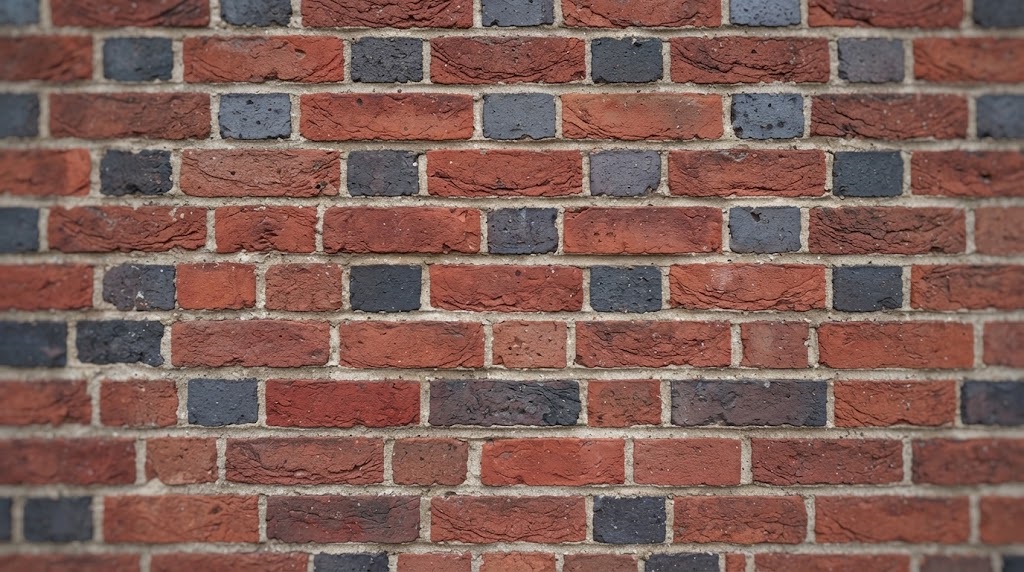
During the height of the Industrial Revolution in Great Britain, brickmaking shifted from small rural kilns to large-scale production hubs across regions like the Midlands, Lancashire, and Yorkshire. Masons harvested iron-rich clays that naturally burned to a deep, vibrant red when fired. However, the fuel source—typically local bituminous coal—and the varying oxygen levels within traditional downdraught kilns created natural color variations. Bricks positioned closest to the intense coal fires or exposed to reduction atmospheres developed dark, metallic grey and bluish-charcoal surfaces.
Constructors quickly recognized the decorative potential of these color variations. Rather than discarding the darker units, Victorian masons systematically arranged British Red and Grey Bricks into intricate geometric patterns. The dark grey ends (headers) were contrasted against the long red sides (stretchers) to create decorative Flemish and English bond wall patterns. This distinctive brickwork became the defining visual signature of British townhouses, municipal buildings, railway arches, and manor homes constructed throughout the Victorian era.
The Evolution from Reclaimed Salvage to Modern Replication
As historic nineteenth-century factories, warehouses, and estates were demolished or renovated in the late twentieth century, reclaimed European bricks became prized commodities in international architectural circles. American builders working on high-end historic restorations began importing authentic reclaimed units directly from overseas salvage yards.
However, because authentic reclaimed stock is limited in quantity and subject to weathering variations, modern brick manufacturers now produce high-performance replica clay facing units. Utilizing specialized firing techniques, mineral slips, and traditional wood-firing kilns, modern manufacturers recreate the authentic texture, irregular edges, and rich tone contrast of vintage British Red and Grey Bricks while meeting rigorous modern structural standards for water absorption and compressive strength.
Why British Red and Grey Bricks Are Popular in USA Architecture
American architectural styles have long drawn inspiration from traditional European design. From Colonial Williamsburg and Boston’s historic Beacon Hill to Chicago’s industrial lofts and the grand estates of the Pacific Northwest, brickwork remains a cornerstone of American building tradition. The growing preference for British Red and Grey Bricks across domestic real estate markets stems from several key architectural advantages.
Unmatched Visual Depth and Aesthetic Contrast
Monochromatic red brick exteriors can sometimes look flat or overwhelming on large residential structures. By contrast, integrating dark slate and charcoal grey tones across a crimson base breaks up expansive wall areas, adding immediate dimensional depth and shadows. The dark grey accents catch natural sunlight differently throughout the day, ensuring that the building facade continuously shifts in appearance from morning to dusk. This natural color variation allows British Red and Grey Bricks to pair seamlessly with a wide variety of secondary building materials, including dark bronze window frames, slate roof tiles, natural timber beams, and white trim molding.
Superior Durability and All-Weather Performance
Beyond aesthetic appeal, high-fired clay facing units offer incredible structural resilience. The intense heat required to create the characteristic grey vitrified surface also densifies the clay matrix, resulting in extremely low water absorption rates and high compressive strength. For homes situated in northern American states prone to severe freeze-thaw winter cycles—such as New York, Illinois, Massachusetts, or Pennsylvania—British Red and Grey Bricks resist frost spalling, surface cracking, and moisture intrusion far better than softer, low-density alternative materials.
Timeless Investment and Curb Appeal Enhancement
In luxury real estate markets, curb appeal directly impacts long-term property valuation. A home wrapped in premium British Red and Grey Bricks conveys a sense of permanence, heritage, and architectural integrity that attracts discerning buyers. Unlike painted wood or synthetic fiber-cement siding that requires repainting and sealing every few years, high-quality clay masonry requires virtually no routine painting or chemical staining, making it a cost-effective, low-maintenance exterior envelope over the lifetime of the home.
Design Applications for British Red and Grey Bricks in USA Homes
The versatility of this traditional color palette makes it suitable for a diverse range of interior and exterior design concepts across residential and commercial properties.
Stately Exterior Facades and Architectural Elements
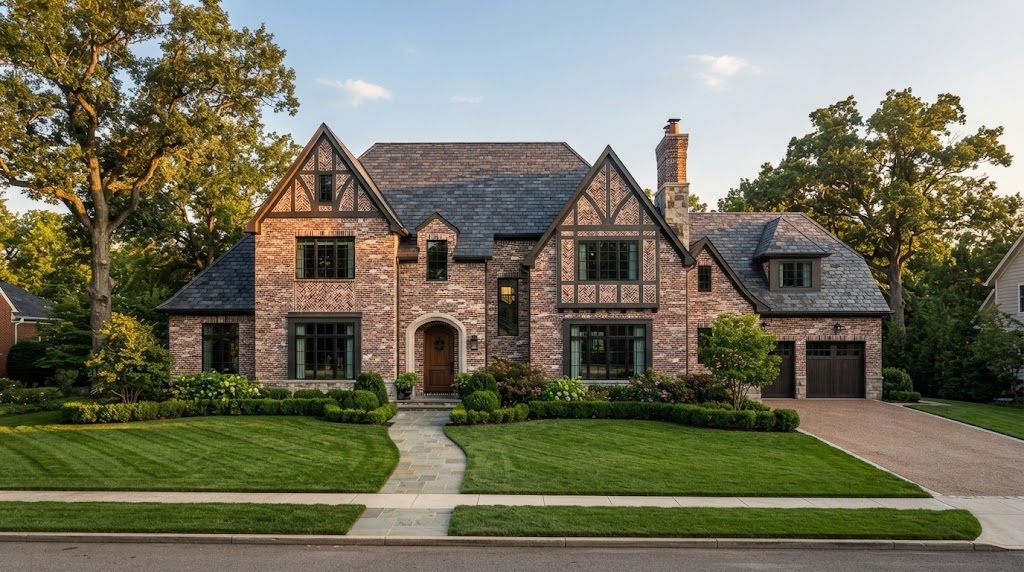
For modern residential construction, using British Red and Grey Bricks as the primary exterior cladding creates an immediate statement of elegance. It is particularly effective for Tudor Revival, Georgian, Victorian, and French Country architectural styles. Planners often utilize the dark grey units strategically to highlight architectural features, such as framing around arched entryway doorways, window lintels, chimneys, and decorative corner quoins.
Interior Accent Walls and Industrial Chic Spaces
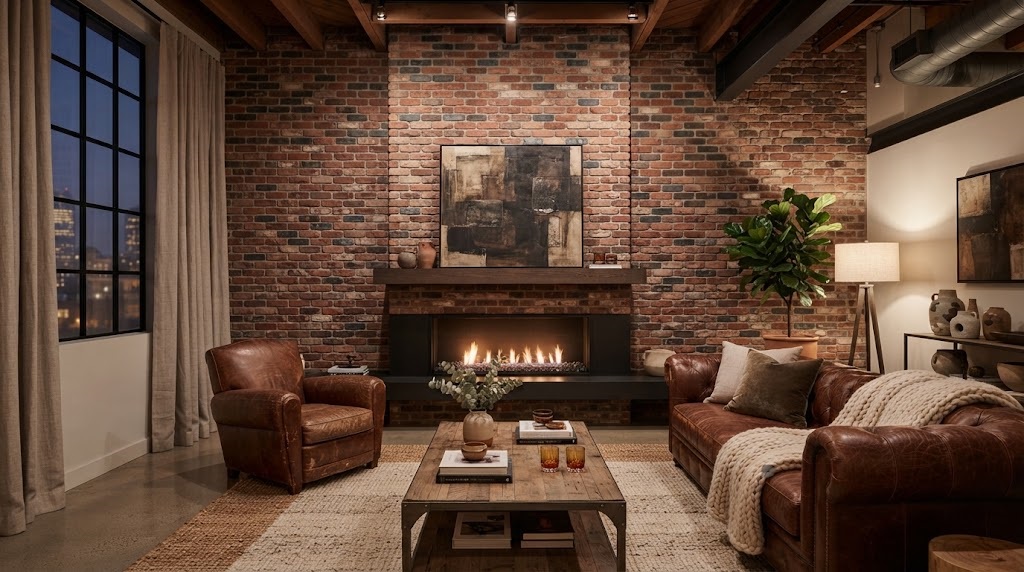
Exposed brick interior walls have become a staple feature in modern American interior design, particularly within urban loft conversions, farmhouse kitchens, and luxury basements. Installing a thin-brick veneer made from British Red and Grey Bricks introduces rich texture, warmth, and an authentic industrial aesthetic to indoor spaces.
- Living Room Fireplaces: A floor-to-ceiling brick hearth featuring rich red tones intermixed with charcoal accents serves as a striking focal point for cozy living areas.
- Kitchen Backsplashes and Wine Cellars: The earthy, rustic feel of red and grey clay complements quartz or granite countertops, wooden cabinetry, and custom wrought-iron wine racks.
- Feature Accent Walls: In dining rooms or home offices, an exposed brick wall creates a dramatic backdrop for artwork, warm LED lighting, and floating wooden shelving.
Outdoor Living Spaces, Patios, and Garden Masonry
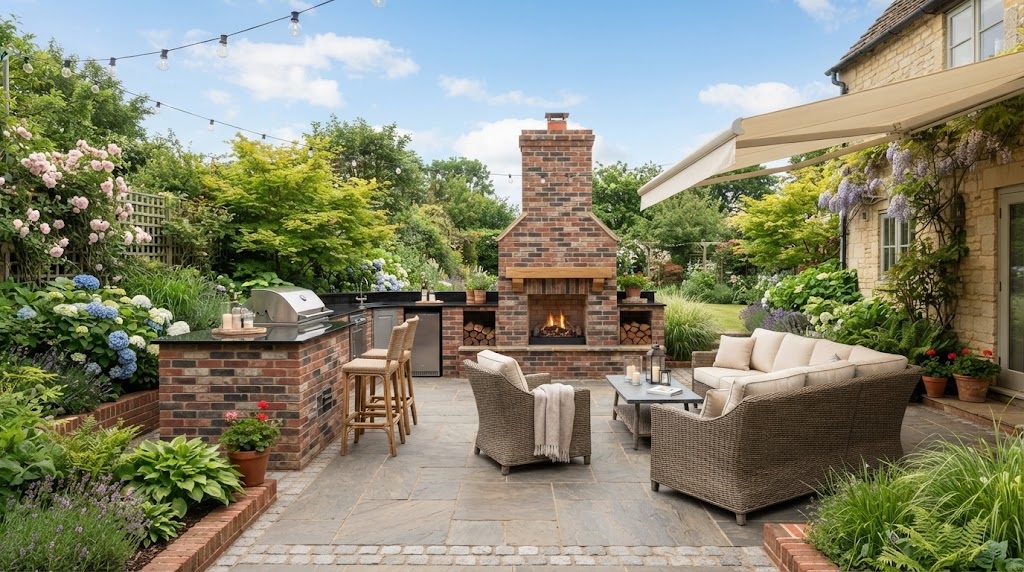
Extending your indoor aesthetic to the outdoors creates a cohesive living environment. Utilizing British Red and Grey Bricks for outdoor kitchens, patio paving, fire pits, and garden retaining walls seamlessly connects the main house to the surrounding landscape. The dark grey highlights within the brickwork harmonize beautifully with green lawn turf, colorful garden blooms, and natural stone paving slabs.
Popular Bonding Patterns and Mortar Selection Guide
The final visual outcome of any brickwork project depends heavily on two critical masonry factors: the structural bonding pattern and the chosen mortar color.
Traditional Brick Bonding Patterns
The arrangement of bricks relative to one another determines the overall texture and historic accuracy of the wall surface.
- Flemish Bond: This classic pattern alternates stretchers (long side) and headers (short end) in every single course. When working with British Red and Grey Bricks, masons frequently use red stretchers paired with dark grey headers, creating a striking checkerboard or diamond pattern across the facade.
- English Bond: Composed of alternating full courses of stretchers and full courses of headers, this historic bond offers maximum structural strength and a bold, textured appearance.
- Stretcher Bond: The most common modern pattern, where bricks are laid horizontally with overlapping joints. Utilizing a randomized color mix in a stretcher bond produces a soft, balanced blend of red and grey tones across contemporary home designs.
Selecting the Right Mortar Color
Mortar actually accounts for roughly 15 to 20 percent of a finished brick wall’s visible surface area, meaning mortar color choice fundamentally alters the final aesthetic.
- Off-White or Cream Mortar: Creates high visual contrast, outlining each individual brick and emphasizing the vibrant crimson and deep charcoal tones.
- Dark Charcoal or Black Mortar: Blends the joints closely with the dark grey brick accents, producing a moody, dramatic, and modern industrial aesthetic.
- Natural Grey Lime Mortar: Offers the most historically accurate look for Victorian and colonial restoration projects, providing a soft, muted transition between the red and grey clay units.
Maintenance, Care, and Preservation Best Practices
Although clay masonry is renowned for its incredible longevity, proper care and maintenance ensure that British Red and Grey Bricks retain their beauty and structural integrity for generations.
Protecting Masonry from Moisture and Efflorescence
Efflorescence is a common phenomenon where water-soluble salts migrate to the surface of the brick, leaving a white, powdery film. To prevent efflorescence and moisture penetration, ensure that proper flashing, weep holes, and coping stones are installed along wall tops and foundation edges. If efflorescence occurs, clean the surface using a dry stiff-bristle brush followed by a gentle rinse with clean water—avoid using harsh acid cleaners that can strip the natural metallic glaze from grey-fired bricks.
Repointing and Historic Restoration Protocols
Over several decades, weather exposure can cause mortar joints to crumble or erode while the clay bricks remain entirely intact. When repairing older wall sections, repointing should always be performed using a mortar mix that is softer than the bricks themselves. For historic installations featuring British Red and Grey Bricks, masons should utilize traditional lime-based mortar rather than harsh modern Portland cement, which can trap moisture and cause delicate historic bricks to crack under thermal pressure.
Frequently Asked Questions
What gives British Red and Grey Bricks their distinct color variation?
The color contrast comes from the mineral composition of iron-rich clay combined with specific high-temperature firing processes in traditional coal or wood kilns. Exposure to localized reduction atmospheres and intense heat turns portions of the red clay into vitrified charcoal and metallic grey tones.
Are British Red and Grey Bricks suitable for cold American climates?
Yes. High-fired clay bricks feature extremely low water absorption rates, making them exceptionally resistant to freeze-thaw damage, surface spalling, and cracking in severe winter conditions across northern US states.
Can I buy reclaimed British Red and Grey Bricks in the United States?
Yes. Specialized architectural salvage companies import authentic reclaimed European bricks directly to the US. Additionally, many domestic manufacturers produce thin-brick veneers and full-sized replica facing units that deliver the identical aesthetic with modern structural guarantees.
What is the best mortar color for British Red and Grey Bricks?
The choice depends on your desired design aesthetic. An off-white or light grey mortar highlights individual bricks and creates a crisp, classic look, while a dark charcoal mortar creates a seamless, modern industrial feel.
How do thin-brick veneers differ from full-sized clay bricks?
Thin-brick veneers are sliced sections of full clay bricks, typically measuring roughly 1/2-inch to 3/4-inch in thickness. They offer the exact visual appearance of full-sized British Red and Grey Bricks but are light enough to be installed on interior drywall without requiring reinforced foundation footings.
How do I clean moss or algae off exterior brickwork?
Clean the brick surface using a low-pressure garden hose, a soft-bristle scrub brush, and a mild solution of warm water mixed with biodegradable soap or diluted white vinegar. Avoid using high-pressure power washers, as excessive pressure can erode mortar joints and damage delicate surface glazes.
Do British Red and Grey Bricks need to be sealed?
In most exterior wall applications, high-quality clay bricks do not require chemical sealers because they naturally shed water. However, applying a breathable, non-film-forming silane-siloxane water repellent can be beneficial in high-moisture zones or on interior backsplashes prone to oil splatters.
Conclusion
Incorporating British Red and Grey Bricks into your architectural design offers an extraordinary opportunity to elevate your home with historic charm, rich visual texture, and uncompromising structural durability. By combining warm crimson tones with cool charcoal accents, this classic masonry style transcends fleeting design trends, providing an elegant backdrop for both traditional and contemporary American living.
Whether you are building a custom luxury residence from the ground up, designing a cozy outdoor kitchen, or adding an industrial exposed-brick feature wall to your interior space, selecting high-quality clay masonry ensures that your investment will stand strong and beautiful for decades to come. Explore local masonry showrooms, consult with experienced masons, and discover how the timeless beauty of British Red and Grey Bricks can transform your next building project into a true architectural masterpiece.

Written by Twastia Editorial Team
Twastia Editorial Team shares practical insights about website design, SEO services, Google Ads, content marketing, social media, conversion rate optimization, and digital marketing strategy.
Last updated: Oct 20, 2026
Related posts from Twastia
Explore more useful articles from twastia.com about digital marketing, SEO, websites, ads, content, and growth strategy.