Flowers and Shrubs: Best Plants for a Colorful Garden
A beautiful garden doesn’t have to lose its charm when summer ends. Fall offers a wonderful opportunity to introduce rich […]
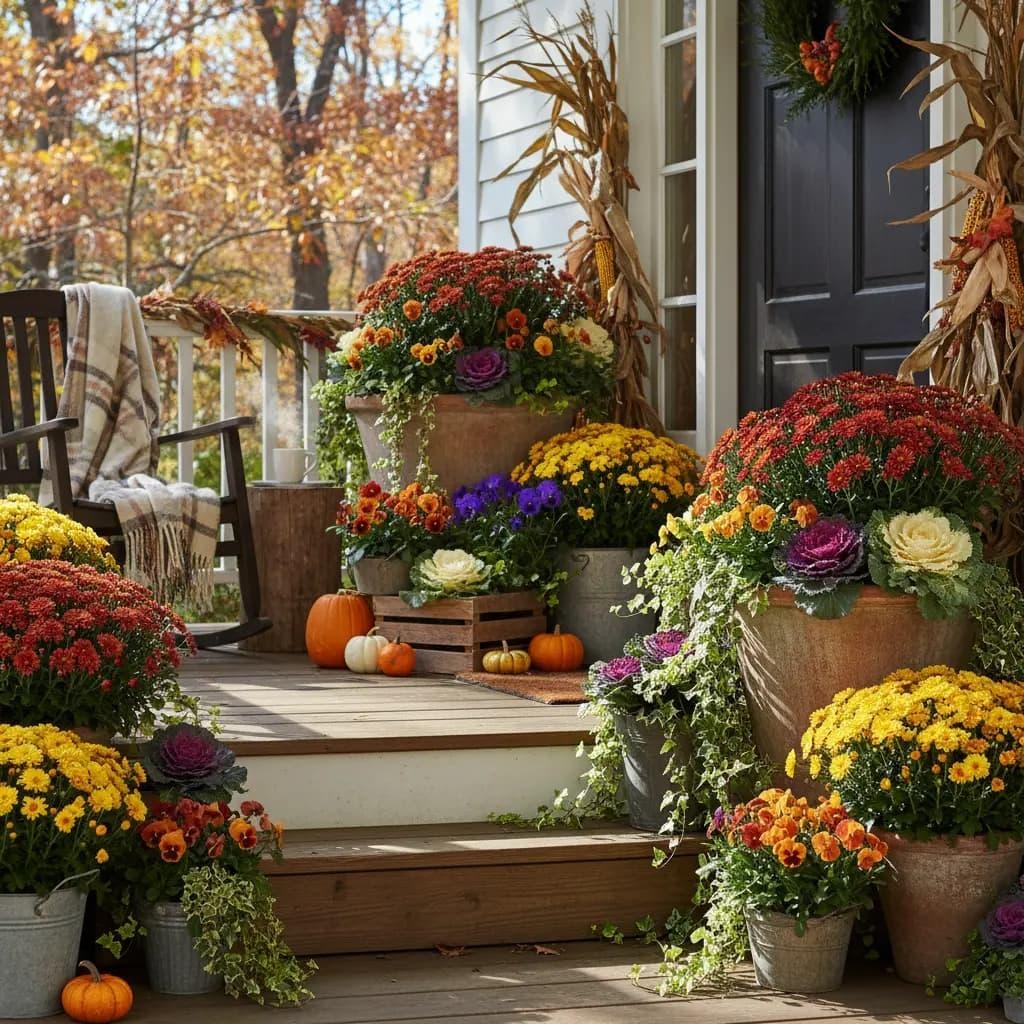
A beautiful garden doesn’t have to lose its charm when summer ends. Fall offers a wonderful opportunity to introduce rich colors, interesting textures, and seasonal beauty into your outdoor space. With the right selection of flowers and shrubs, your landscape can remain attractive even as temperatures begin to drop.
From bright yellow blossoms to shrubs with fiery red foliage, autumn plants can transform an ordinary backyard into a welcoming seasonal retreat. Many varieties are surprisingly easy to maintain, making them suitable for beginners and experienced gardeners alike.
Whether you live in the Northeast, Midwest, South, or West Coast, choosing plants suited to your local climate is the key to success.
This guide explores the best flowers and shrubs for fall color, practical landscaping ideas, and essential growing tips to help homeowners across the United States create beautiful outdoor spaces.
Why Flowers and Shrubs Are Essential for a Beautiful Garden
Flowers and shrubs serve different but complementary purposes in landscaping.
Flowers introduce vibrant seasonal colors, delicate textures, and natural fragrance. Shrubs provide structure, privacy, and visual interest throughout the year.
When combined thoughtfully, they create a balanced landscape that looks attractive across multiple seasons.
Add Color Throughout the Seasons
Some flowers bloom during spring and summer, while others continue producing blossoms into autumn.
Many deciduous shrubs develop beautiful yellow, orange, burgundy, or red foliage as temperatures cool.
Combining these plants helps maintain color when summer flowers begin to fade.
Support Pollinators and Wildlife
Flowering plants provide important nectar and pollen sources for bees, butterflies, and other beneficial insects.
Native shrubs can also offer nesting opportunities, shelter, and berries for birds.
Choosing a variety of plants with different flowering periods creates a more welcoming wildlife habitat.
Improve Your Home’s Outdoor Appearance
Well-maintained garden beds can make a home feel more inviting.
Colorful planting around walkways, patios, and entrances adds personality and creates attractive focal points.
Thoughtful landscaping also makes outdoor spaces more enjoyable for relaxing, entertaining, and spending time with family.
How to Choose the Right Flowers and Shrubs
Before purchasing plants, consider the environmental conditions in your garden.
The United States includes many different growing climates, so a shrub that thrives in Georgia may struggle in Minnesota or Arizona.
Understand Your USDA Hardiness Zone
The USDA Plant Hardiness Zone Map helps gardeners determine which perennial plants are likely to survive winter temperatures in their area.
You can check your location using the official USDA Plant Hardiness Zone Map.
Always examine the recommended growing zones for each plant before buying.
Evaluate Sunlight and Soil
Observe how much sunlight your garden receives daily.
Full-sun plants generally require at least six hours of direct sunlight, while shade-tolerant varieties prefer less exposure.
Soil drainage also matters. Some shrubs tolerate moist conditions, while others need well-drained soil to prevent root problems.
Consider Mature Plant Size
Small nursery plants can grow into large shrubs.
Check their expected height and width, leaving sufficient room between plants, fences, and buildings.
Proper spacing improves airflow and reduces the need for frequent pruning.
Best Flowers for a Colorful Fall Garden
Fall-flowering plants bring fresh energy to outdoor spaces as summer blooms disappear.
Here are several beautiful options worth considering.
1. Asters: Vibrant Purple and Blue Blooms
Asters are among the most attractive fall-blooming perennials.
Their daisy-shaped blossoms appear in shades of purple, pink, blue, and white, creating beautiful displays in garden borders.
Many native asters provide valuable late-season nectar for butterflies and bees.
Most commonly grown fall asters prefer sunny locations and well-drained soil, although requirements vary by species.
Plant them in groups for a fuller appearance, or combine them with yellow flowers for a striking autumn contrast.
2. Chrysanthemums: Classic Autumn Flowers
Chrysanthemums, commonly called mums, are popular choices for fall decorating.
Their rounded flower clusters come in yellow, orange, red, white, pink, and purple.
These plants look especially attractive near front entrances, patios, and garden pathways.
Garden mums generally prefer full sun and consistent watering.
Although some varieties are perennial, mums purchased in full bloom during fall may not establish sufficiently before winter in colder regions.
For reliable long-term growth, choose hardy varieties and establish them earlier in the growing season.
3. Black-Eyed Susans: Cheerful Golden Flowers
Black-eyed Susans bring warm yellow color to flower beds.
These cheerful plants feature golden petals surrounding dark central cones.
Many varieties bloom from midsummer into early fall, making them useful for extending seasonal color.
They grow best in sunny locations and generally tolerate periods of dryness once established.
Their seed heads also provide food for birds later in the season.
Combine them with purple asters or ornamental grasses for a natural-looking garden design.
4. Goldenrod: Bright Flowers for Pollinators
Goldenrod is an excellent option for gardeners interested in native plants.
Its clusters of small golden flowers brighten landscapes during late summer and autumn.
Many species are valuable nectar sources for bees and butterflies preparing for winter.
Goldenrod usually grows well in sunny conditions, although size and soil preferences vary.
Choose compact garden varieties when space is limited.
Despite its reputation, goldenrod is often incorrectly blamed for seasonal allergies because it blooms around the same time as wind-pollinated ragweed.
5. Coneflowers: Long-Lasting Seasonal Beauty
Coneflowers are valued for their distinctive raised centers and colorful petals.
Depending on the variety and local climate, their flowering season may extend from summer into early fall.
Purple coneflower is particularly popular in American perennial gardens.
These plants generally perform best in full sun and well-drained soil.
Once established, many coneflowers tolerate moderate drought.
Leaving some seed heads standing after flowering provides winter texture and an additional food source for birds.
6. Pansies: Color for Cooler Weather
Pansies are excellent choices for cool-season containers and flower beds.
Their colorful blooms appear in combinations of yellow, purple, blue, orange, and white.
They perform particularly well during mild fall weather.
In warmer parts of the United States, pansies can provide color through much of winter, depending on local conditions.
In colder areas, they may stop flowering or become damaged during severe freezes.
Use them in window boxes, hanging baskets, and decorative planters.
Best Shrubs for Stunning Fall Color
While flowers create seasonal displays, shrubs provide the structure that makes a landscape feel complete.
For additional inspiration, explore these ideas for colorful flowers and shrubs that can enhance an autumn garden.
1. Oakleaf Hydrangea
Oakleaf hydrangea is a beautiful North American native shrub known for its impressive seasonal appearance.
Large white flower clusters develop during summer, gradually aging into softer shades.
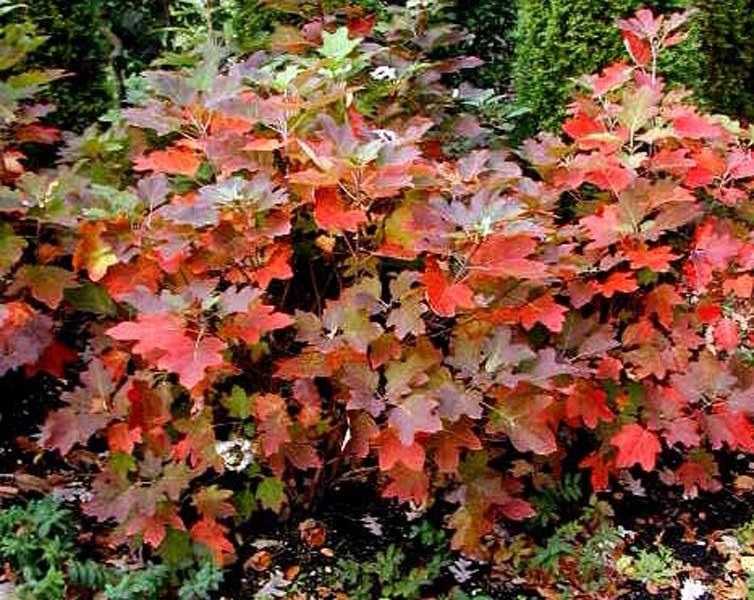
During autumn, the distinctive oak-shaped leaves may turn burgundy, red, or purple.
This shrub generally prefers well-drained soil and partial shade, particularly in hotter climates.
Its peeling bark adds visual interest during winter.
Oakleaf hydrangeas work especially well in woodland-style gardens, foundation plantings, and mixed shrub borders.
2. Virginia Sweetspire
Virginia sweetspire is an attractive flowering shrub that offers multiple seasons of interest.
Fragrant white flowers appear during late spring or early summer.
As autumn arrives, its leaves can develop rich shades of red, orange, and burgundy.
This native shrub tolerates a range of growing conditions, including relatively moist soil.
It is useful for borders, rain gardens, and naturalized landscapes.
Because it can spread through root suckers, gardeners should allow enough space for its mature growth.
3. Fothergilla
Fothergilla is an excellent shrub for homeowners seeking striking fall foliage.
Its spring flowers resemble small white bottlebrushes and often have a pleasant fragrance.
During autumn, the foliage may display combinations of yellow, orange, and red.
Most varieties prefer acidic, well-drained soil and locations offering full sun to partial shade.
Fothergilla grows relatively slowly, making suitable compact selections useful near walkways and garden foundations.
Its seasonal color also pairs beautifully with evergreen plants.
4. Winterberry Holly
Winterberry holly adds a different kind of autumn beauty.
Rather than relying entirely on colorful leaves, this deciduous native shrub produces bright berries that become especially noticeable after its foliage drops.
The red, orange, or yellow fruits can remain attractive into winter.
Winterberry generally performs well in moist, acidic soil.
To produce berries, female plants need a compatible male pollinator with overlapping flowering time.
Its fruits provide food for birds, making it a valuable addition to wildlife-friendly landscaping.
5. Blueberry Shrubs
Blueberry bushes combine ornamental beauty with edible fruit.
During spring, they produce delicate flowers, followed by berries during the growing season.
In autumn, many varieties develop attractive red, orange, or burgundy foliage.
Blueberries require acidic soil and generally benefit from sunny locations.
Choose varieties appropriate for your region, since winter chilling requirements differ.
With proper soil preparation, blueberry shrubs can be attractive additions to edible gardens and mixed landscape borders.
Choosing Fall Plants for Different U.S. Regions
Not every flower or shrub performs equally well throughout the country.
In the Northeast and Midwest, cold-hardy asters, black-eyed Susans, and suitable native shrubs are often practical choices.
In the Southeast, oakleaf hydrangeas, Virginia sweetspire, and regionally appropriate fall-blooming perennials offer attractive combinations.
Western gardeners should pay special attention to summer heat, water availability, and winter temperatures. Locally adapted native plants may require less supplemental irrigation once established.
In warm southern and coastal climates, pansies and other cool-season annuals can bring fresh color during months when summer flowers decline.
Consult your local cooperative extension service for species recommendations suited to your particular area.
Creative Landscaping Ideas With Flowers and Shrubs
Combining plants thoughtfully creates a more professional-looking landscape.
Create Layered Garden Borders
Place taller shrubs toward the back of a flower bed.
Position medium-height perennials in front, followed by smaller flowers along pathways or lawn edges.
This arrangement allows each plant to remain visible while creating visual depth.
Combine Contrasting Colors
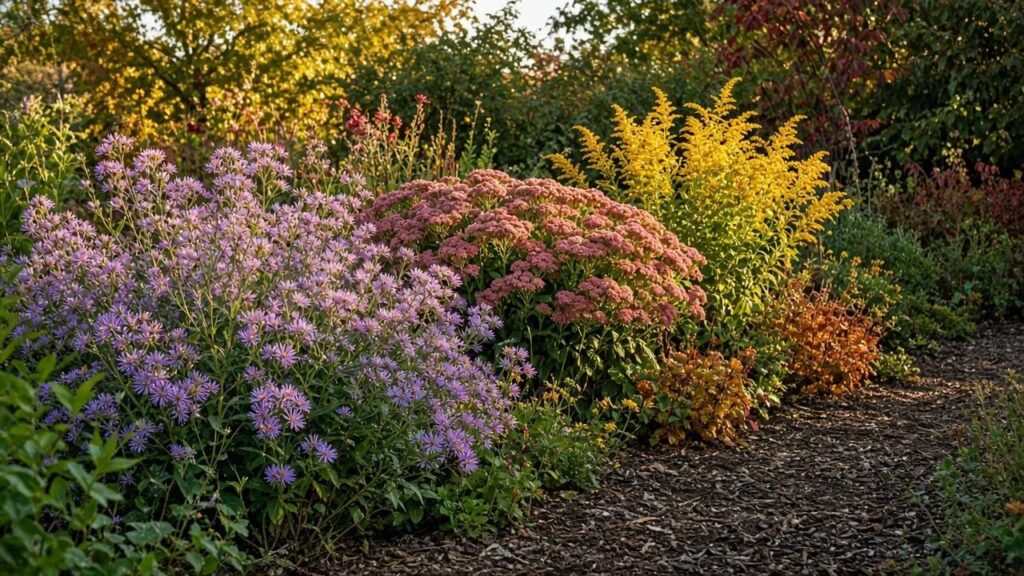
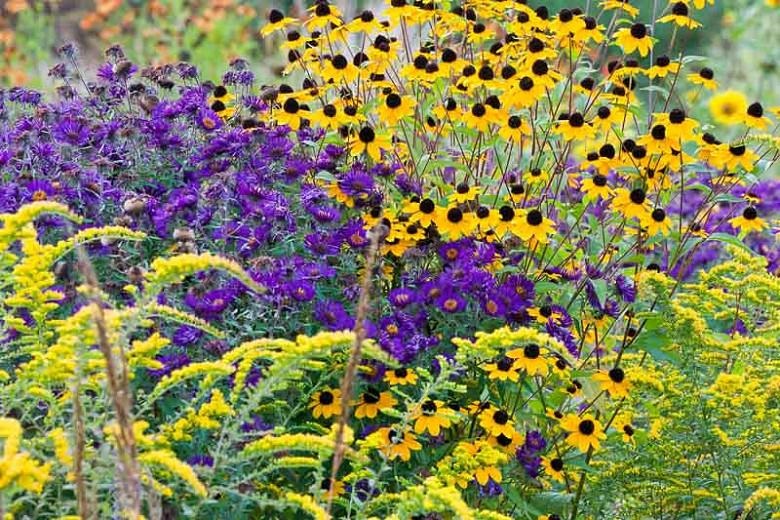
Purple asters look beautiful beside goldenrod and black-eyed Susans.
Red autumn foliage from Virginia sweetspire creates a dramatic contrast against evergreen shrubs.
Repeating selected colors throughout the garden helps achieve a cohesive appearance.
Add Seasonal Container Gardens
Containers are especially useful for small yards, balconies, and patios.
Combine chrysanthemums, pansies, ornamental kale, and decorative grasses for an inviting fall display.
Select containers with drainage holes and use an appropriate potting mix.
Essential Care Tips for Healthy Flowers and Shrubs
Proper maintenance helps garden plants remain healthy and attractive.
Water Consistently During Establishment
New plants need regular watering while their roots develop.
Check soil moisture before watering, and adjust your schedule according to rainfall, temperature, and drainage.
Established drought-tolerant plants usually require less frequent watering.
Apply Mulch Correctly
A layer of organic mulch helps conserve moisture, moderate soil temperatures, and reduce weeds.
Keep mulch away from the stems and crowns of plants to prevent excess moisture accumulation.
Prune at the Right Time
Different shrubs have different pruning requirements.
Some flower on older wood, meaning heavy pruning at the wrong time can remove next season’s flower buds.
Research each species before trimming.
Protect Garden Wildlife
Avoid automatically cutting back every perennial in fall.
Leaving selected seed heads and hollow stems standing can support birds and overwintering insects.
Remove clearly diseased plant material and maintain good airflow.
Common Gardening Mistakes to Avoid
Even attractive plants can struggle when growing conditions are unsuitable.
Avoid choosing plants based only on their appearance at the garden center.
Check sunlight, soil requirements, winter hardiness, and mature size before planting.
Also, research invasive species restrictions in your state.
For example, burning bush and Japanese barberry are invasive in many areas, while nandina can create ecological problems in parts of the Southeast.
Native alternatives such as fothergilla, sweetspire, and oakleaf hydrangea can provide impressive seasonal beauty without those particular risks.
Frequently Asked Questions About Flowers and Shrubs
What Are the Best Flowers and Shrubs for Fall Color?
Asters, chrysanthemums, goldenrod, and black-eyed Susans are excellent choices for fall flowers.
Oakleaf hydrangea, Virginia sweetspire, fothergilla, and winterberry holly provide attractive foliage, berries, or seasonal structure.
Choose plants suited to your local climate and soil conditions.
When Is the Best Time to Plant Flowers and Shrubs?
Spring and early fall are often suitable planting periods for many perennials and shrubs.
Fall planting works best when roots have time to establish before the ground freezes.
In warmer regions, planting schedules may differ because of summer heat and seasonal rainfall.
Which Flowering Shrubs Require the Least Maintenance?
Established Virginia sweetspire, suitable native fothergilla, and some viburnum species can be relatively low-maintenance when planted in appropriate conditions.
However, every shrub needs proper watering during establishment and occasional inspection.
Can I Grow Flowers and Shrubs in a Small Backyard?
Yes. Compact shrub cultivars, dwarf perennials, and container-friendly plants are excellent choices for limited spaces.
Focus on mature plant dimensions and avoid overcrowding.
Vertical arrangements and layered planting can also make small gardens appear more spacious.
How Can I Keep My Garden Colorful Throughout the Year?
Choose plants with different flowering seasons and foliage characteristics.
Combine spring-flowering shrubs, summer perennials, autumn-blooming flowers, evergreens, and shrubs with decorative winter berries.
This approach creates visual interest beyond a single season.
Are Native Flowers and Shrubs Better for Pollinators?
Many native plants support local pollinators because they have developed ecological relationships with regional insects and wildlife.
A diverse selection of locally appropriate native species can provide nectar, pollen, shelter, and food across several seasons.
Conclusion: Create a Colorful Garden With the Right Flowers and Shrubs
A beautiful garden is the result of thoughtful plant selection, suitable growing conditions, and consistent care.
By combining colorful flowers with attractive shrubs, homeowners can create outdoor spaces that remain inviting beyond summer.
From purple asters and goldenrod to oakleaf hydrangeas and Virginia sweetspire, there are many excellent plants for bringing autumn beauty into American landscapes.
Start with a few varieties suited to your USDA hardiness zone, plan your garden layout carefully, and allow your plants enough room to grow.
With the right combination of flowers and shrubs, your backyard can become a colorful, welcoming retreat that offers beauty and enjoyment throughout the changing seasons.

Written by Twastia Editorial Team
Twastia Editorial Team shares practical insights about website design, SEO services, Google Ads, content marketing, social media, conversion rate optimization, and digital marketing strategy.
Last updated: Oct 13, 2026
Related posts from Twastia
Explore more useful articles from twastia.com about digital marketing, SEO, websites, ads, content, and growth strategy.