CNC Router Financing: A Complete Guide for U.S. Businesses
Modern manufacturing depends on precision, efficiency, and reliable equipment. Whether you operate a woodworking shop, furniture manufacturing business, custom fabrication […]
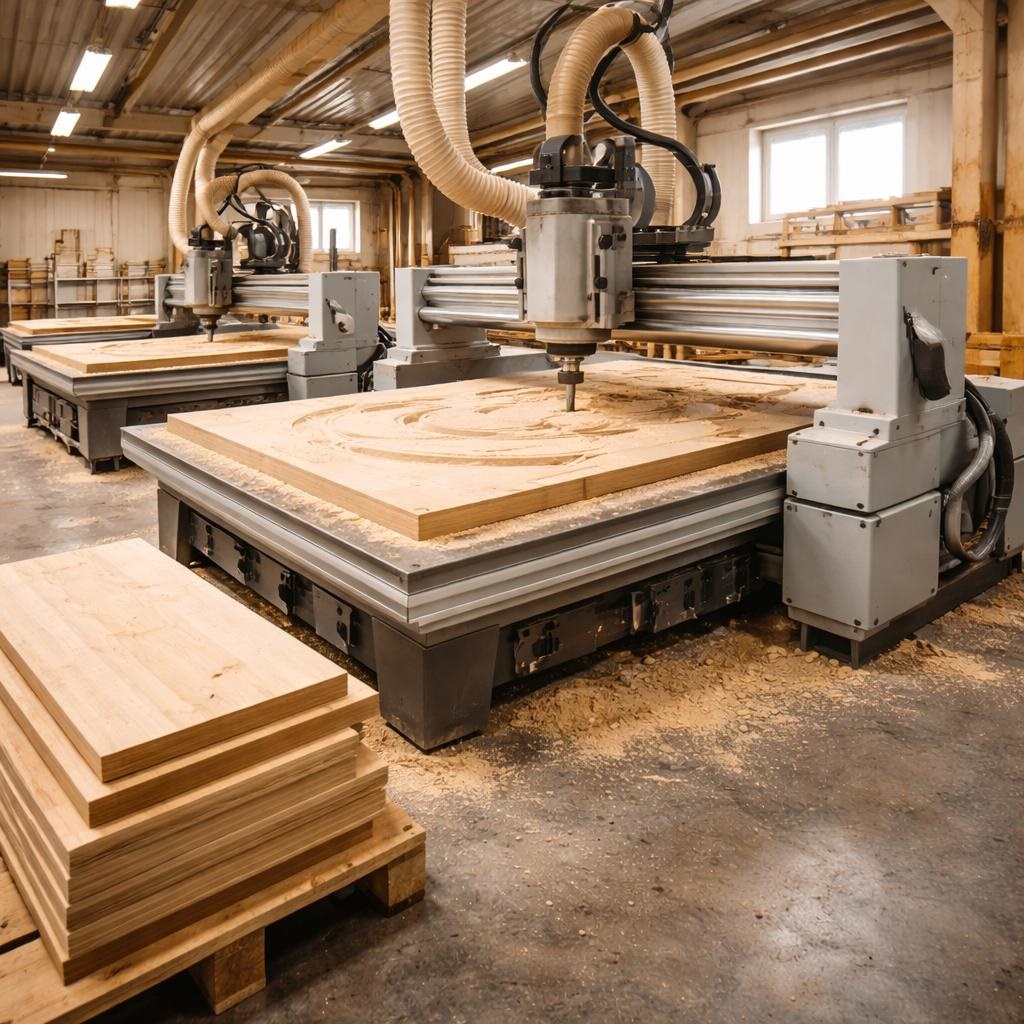
Modern manufacturing depends on precision, efficiency, and reliable equipment. Whether you operate a woodworking shop, furniture manufacturing business, custom fabrication company, or musical instrument production facility, CNC routers can significantly improve your production capabilities. However, purchasing advanced machinery often requires a considerable financial investment.
This is where CNC Router Financing becomes valuable.
Instead of paying the entire equipment cost upfront, financing allows business owners to spread expenses across manageable payments while keeping working capital available for daily operations.
For small and medium-sized businesses in the United States, choosing the right financing arrangement can make the difference between delaying expansion and investing in equipment that supports growth.
In this guide, we will explore how CNC router financing works, available funding options, qualification requirements, equipment costs, and practical strategies for securing suitable financing.
What Is CNC Router Financing?
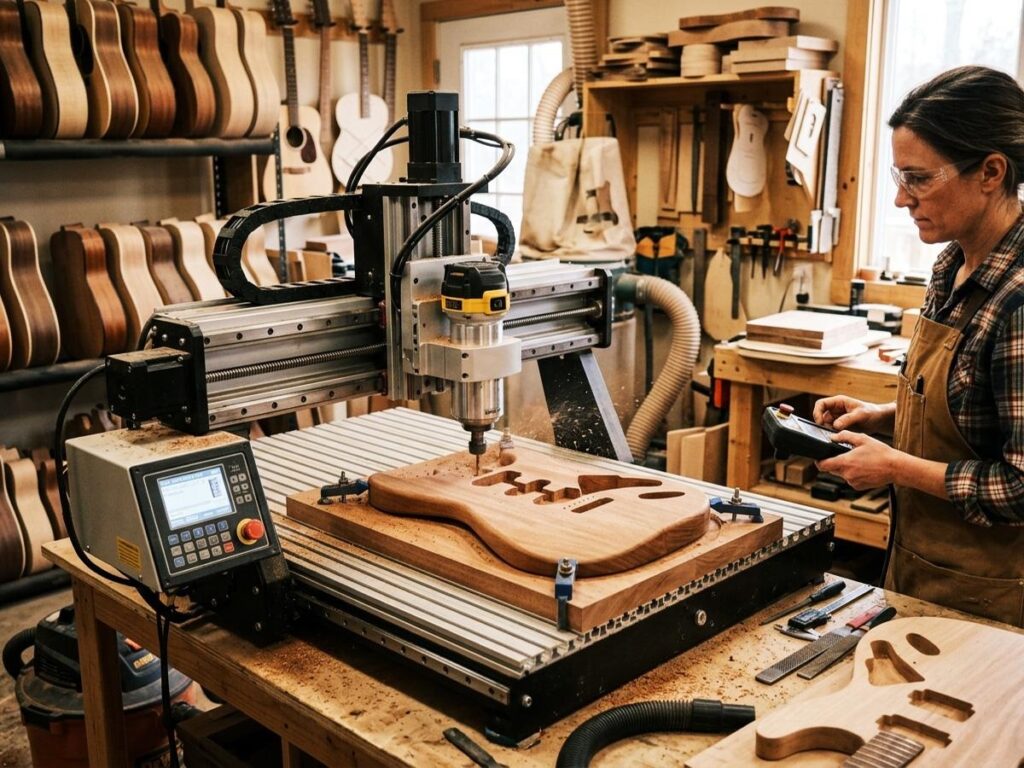
CNC router financing is a financial arrangement that allows businesses to acquire computer numerical control (CNC) routing machines through loans, leases, or other equipment funding programs.
A CNC router is a computer-controlled machine used to cut, carve, drill, and shape materials such as wood, plastic, composites, and certain softer metals.
These machines are commonly used in industries including:
- Furniture and cabinetry manufacturing
- Musical instrument production
- Woodworking and custom engraving
- Sign manufacturing
- Architectural fabrication
- Packaging and prototype development
Rather than making one large payment, businesses can finance equipment over an agreed period. Depending on the agreement, they may own the machine immediately or gain ownership after completing payments.
Businesses exploring specialized funding can learn more through resources covering CNC Router Financing for musical equipment manufacturers.
Why CNC Router Financing Is Important for Manufacturers

Investing in manufacturing technology is essential for remaining competitive. Unfortunately, high equipment prices can make these investments difficult for smaller companies.
Preserve Working Capital
Buying a CNC router outright may consume a significant portion of available business funds.
Financing helps preserve cash for essential expenses such as payroll, raw materials, inventory, marketing, and equipment maintenance.
Maintaining sufficient working capital can be especially important for manufacturers experiencing seasonal demand or unpredictable customer orders.
Increase Production Efficiency
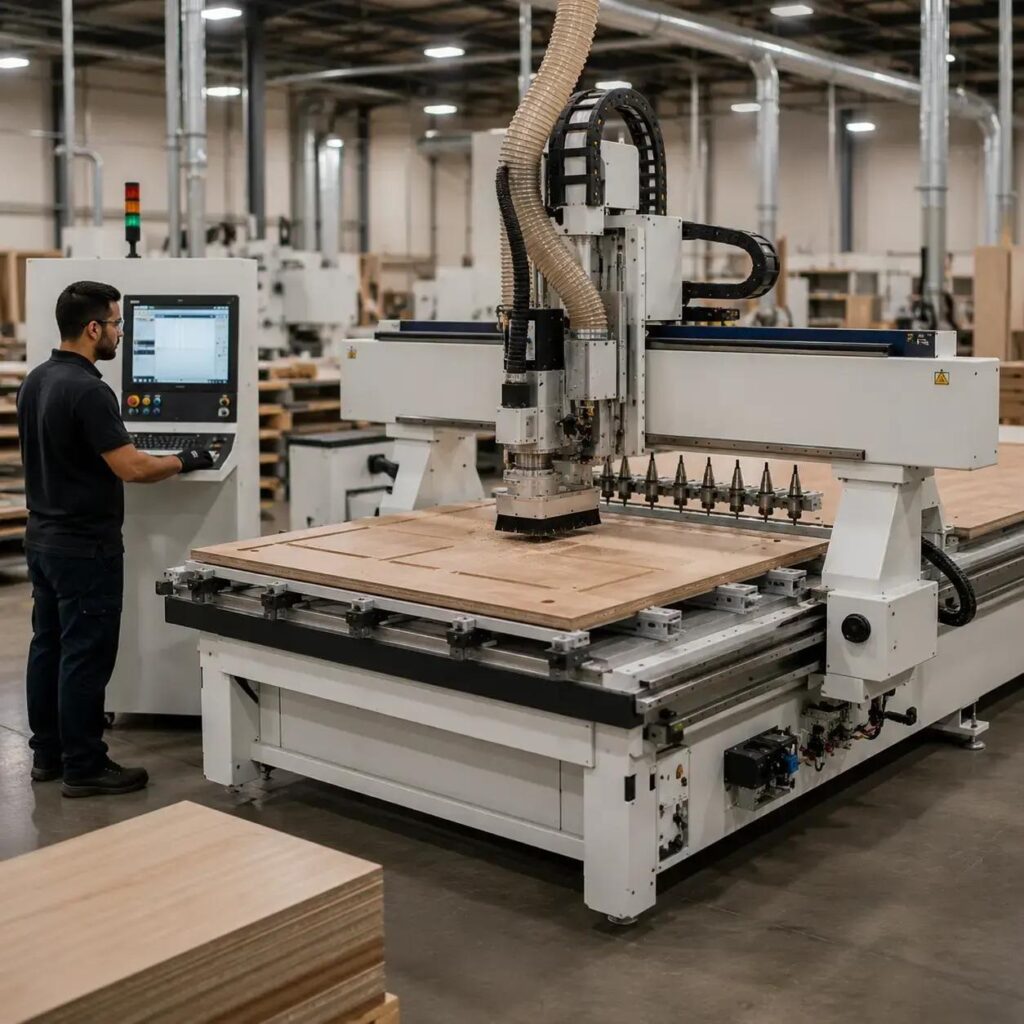
CNC routers can automate repetitive cutting and shaping tasks, helping businesses improve consistency and reduce manual processing time.
For example, a custom furniture manufacturer may use CNC technology to produce precisely shaped components repeatedly.
Higher productivity can support shorter production schedules and allow businesses to handle more customer orders.
Access Advanced Manufacturing Technology
Modern CNC routers offer features such as automatic tool changers, precision control systems, and integrated design software.
Financing may make advanced machines more accessible without requiring businesses to use their entire cash reserves.
The right equipment can also help manufacturers expand into new products and services.
How Much Does a CNC Router Cost in the USA?
CNC router prices vary considerably depending on machine size, construction quality, automation capabilities, and intended applications.
For budgeting purposes, approximate equipment price ranges include:
| CNC Router Type | Estimated Price Range |
|---|---|
| Hobby or desktop CNC router | $1,000–$5,000 |
| Small commercial CNC router | $5,000–$20,000 |
| Industrial CNC router | $20,000–$75,000+ |
| Advanced automated CNC systems | $75,000–$150,000+ |
These are broad planning estimates rather than guaranteed market prices. Specialized industrial configurations can cost considerably more.
Additional Equipment Expenses
The purchase price is only part of the investment.
Businesses should also consider shipping, installation, tooling, software subscriptions, employee training, dust collection, and electrical requirements.
For instance, a CNC router priced at $40,000 could require additional spending before becoming fully operational.
Requesting a complete equipment quotation helps manufacturers determine the actual amount they need to finance.
Types of CNC Router Financing Available
Several financing solutions are available to U.S. manufacturers. Each option has different ownership structures, repayment requirements, and potential benefits.
1. CNC Router Equipment Loans
An equipment loan provides funding to purchase machinery while repaying the amount through scheduled installments.
The CNC router typically serves as collateral, although lenders may require additional guarantees or security.
Equipment loans can be suitable for established businesses planning to operate their machinery for many years.
Loan terms, interest rates, and down payment requirements depend on the lender, equipment, and applicant’s financial profile.
2. CNC Router Equipment Leasing
CNC equipment leasing allows a business to use a machine through periodic payments rather than purchasing it outright at the beginning.
Depending on the agreement, businesses may have options to purchase the equipment, renew the lease, or return the machine at the end of the term.
Leasing may appeal to manufacturers expecting their technology requirements to change.
However, businesses should carefully examine purchase options, end-of-lease obligations, and total payments before signing.
3. SBA Equipment Financing
The U.S. Small Business Administration supports financing programs that may help eligible businesses purchase manufacturing equipment.
The SBA 7(a) loan program can support equipment purchases and installation, along with certain other qualifying business expenses.
The SBA 504 program may finance qualifying long-term machinery and equipment with a remaining useful life of at least 10 years.
Eligibility, permitted uses, and repayment terms vary by program.
Business owners can review requirements through the U.S. Small Business Administration.
4. Alternative Equipment Financing
Some independent equipment finance companies offer funding outside traditional bank lending programs.
These providers may use different underwriting methods and may offer flexible structures based on equipment value, business revenue, and credit history.
Alternative financing can be useful when timing or eligibility makes traditional bank lending difficult.
Nevertheless, faster processing does not automatically mean lower costs. Compare every offer carefully.
How to Qualify for CNC Router Financing
Financing approval depends on several factors, and requirements vary among lenders.
Business Credit and Financial History
Lenders often review business credit, existing debt, operating history, and repayment performance.
Strong financial records can improve financing opportunities, although newer businesses may also find programs suited to their circumstances.
Revenue and Cash Flow
Reliable business income helps demonstrate the ability to make scheduled payments.
Lenders may request recent bank statements, tax returns, profit-and-loss statements, or other financial documentation.
Equipment Information
Financing companies commonly require a quotation or invoice showing the machine’s purchase price, specifications, and supplier.
Used equipment may require additional information about its condition, age, and estimated value.
Down Payment Requirements
Some programs require an upfront contribution, while others may offer limited-down-payment options to qualified applicants.
The required amount depends on creditworthiness, financing structure, and equipment characteristics.
How to Apply for CNC Router Financing
Applying for manufacturing equipment financing becomes easier when the business prepares accurate information before approaching lenders.
Step 1: Identify the Right CNC Router
Determine which machine meets your production requirements.
Consider worktable dimensions, spindle power, material compatibility, automation features, and expected daily operating hours.
Buying equipment that is unnecessarily advanced may create avoidable financial pressure.
Step 2: Calculate Your Financing Budget
Estimate the complete acquisition cost, including installation and essential accessories.
Next, determine how much your business can comfortably afford each month.
Maintain enough financial flexibility to manage slow periods and unexpected expenses.
Step 3: Research Financing Providers
Compare traditional banks, SBA-participating lenders, equipment financing companies, and manufacturer-supported programs.
Review interest rates, repayment periods, collateral requirements, and additional fees.
Step 4: Prepare the Application
Collect your business information, equipment quotation, financial documents, and any supporting records requested by the lender.
Providing complete documentation can reduce avoidable processing delays.
Step 5: Review the Financing Agreement
Before accepting an offer, carefully review the payment schedule, interest charges, ownership provisions, early repayment terms, and default conditions.
Ask for clarification whenever a contractual provision is unclear.
How to Compare CNC Router Financing Offers
A low monthly payment does not necessarily mean an affordable financing agreement.
Businesses should compare the total amount paid over the complete financing period.
For example, consider a hypothetical $50,000 machine purchased with a $10,000 down payment.
If the remaining $40,000 is financed over 60 months at a fixed 9% annual interest rate, with monthly amortization and no additional fees, the estimated payment is approximately $830 per month.
This illustration is not a lender quote or a statement of currently available interest rates.
Longer repayment terms generally lower monthly payments but may increase overall borrowing costs.
Also compare origination fees, documentation charges, personal guarantees, insurance requirements, and any penalties associated with early repayment.
CNC Router Financing for Musical Instrument Manufacturers
Musical instrument production requires detailed craftsmanship and consistent manufacturing standards.
CNC routers can support the production of guitar bodies, neck components, instrument molds, decorative patterns, and other precisely shaped parts.
For businesses manufacturing guitars, violins, and specialty instruments, CNC technology can complement skilled craftsmanship by automating selected machining operations.
Improving Accuracy and Repeatability
Computer-controlled cutting can help manufacturers reproduce approved designs with consistent dimensions.
This is particularly useful when producing instrument components in multiple batches.
Supporting Custom Manufacturing
CNC routers can also support custom designs, allowing manufacturers to create specialized components from digital models.
Financing suitable equipment may help smaller workshops accept orders they previously lacked the capacity to fulfill.
However, machine capabilities should be matched to the materials, tolerances, and finishing requirements of the instruments being produced.
How CNC Router Financing Can Support Business Growth
A CNC router should provide measurable operational value rather than simply adding technology to a workshop.
Before committing to financing, estimate the equipment’s potential contribution to revenue and cost savings.
Consider whether the machine could reduce production time, improve material utilization, decrease outsourced machining costs, or increase order capacity.
Compare these benefits with monthly financing payments and ongoing operating expenses.
For example, if a new machine reduces outsourcing expenses by $1,500 per month but adds $900 in financing and operating costs, the business may achieve a positive monthly contribution before considering other expenses.
These calculations should reflect realistic production demand rather than optimistic sales projections.
A carefully evaluated purchase is more likely to support sustainable growth.
Common Mistakes to Avoid When Financing CNC Equipment
One common mistake is selecting financing based solely on the lowest advertised monthly payment.
Another is underestimating installation, training, and maintenance expenses.
Manufacturers should also avoid purchasing oversized equipment without sufficient demand to justify the investment.
Additionally, some businesses overlook restrictive lease conditions or misunderstand their end-of-term purchase obligations.
Before signing, confirm the complete cost, repayment responsibilities, warranty coverage, and supplier support arrangements.
Tax Considerations for CNC Router Financing
Manufacturing equipment purchases may qualify for depreciation-related tax treatment under U.S. federal tax rules.
Section 179 may allow eligible businesses to deduct qualifying equipment costs, subject to applicable limits and conditions.
Other depreciation provisions may also apply depending on the acquisition date, equipment classification, and business circumstances.
Financing does not automatically guarantee a particular deduction, and leasing arrangements may receive different tax treatment.
Consult a qualified tax professional before relying on expected tax savings when making a financing decision.
Frequently Asked Questions About CNC Router Financing
1. Can a Small Business Get CNC Router Financing?
Yes. Small businesses may qualify for equipment financing through banks, independent financing companies, or SBA-supported lending programs.
Approval depends on factors such as financial performance, credit history, equipment value, and repayment ability.
2. Can I Finance a Used CNC Router?
Many equipment financing providers consider used CNC machinery.
However, lender requirements may depend on machine age, condition, supplier information, resale value, and expected remaining useful life.
3. Is Leasing Better Than Buying a CNC Router?
Leasing can be attractive when a business needs flexibility or expects equipment requirements to change.
Purchasing through an equipment loan may be preferable when the company intends to use the machine over a longer period.
The better choice depends on total costs, ownership goals, and contract terms.
4. How Long Does CNC Router Financing Last?
Equipment financing terms vary by lender and agreement.
Many commercial arrangements offer repayment periods measured in several years, with terms influenced by equipment value, useful life, and borrower qualifications.
Always confirm the actual repayment schedule before accepting financing.
5. Does CNC Router Financing Require a Down Payment?
Not always.
Some financing arrangements may offer little or no down payment for qualified applicants, while other programs require an upfront contribution.
Credit history, business stability, and equipment characteristics often influence the requirement.
6. Can Startups Apply for CNC Equipment Financing?
Yes, although startups may face stricter requirements because they have limited operating histories.
Lenders may request stronger personal credit, additional collateral, a business plan, or a larger down payment.
Conclusion: Choose the Right CNC Router Financing for Your Business
Investing in CNC technology can help manufacturers improve precision, expand production capacity, and compete more effectively.
However, selecting the right financing arrangement is just as important as choosing the right machine.
CNC Router Financing provides businesses with opportunities to acquire essential equipment while preserving cash for operating expenses and future growth.
By comparing equipment loans, leasing arrangements, SBA programs, and independent financing options, business owners can identify solutions suited to their financial circumstances.
Before making a decision, calculate the complete equipment cost, assess your repayment capacity, and review every financing agreement carefully.
With thoughtful planning, CNC router financing can become a practical investment in your company’s long-term manufacturing capabilities.

Written by Twastia Editorial Team
Twastia Editorial Team shares practical insights about website design, SEO services, Google Ads, content marketing, social media, conversion rate optimization, and digital marketing strategy.
Last updated: Oct 13, 2026
Related posts from Twastia
Explore more useful articles from twastia.com about digital marketing, SEO, websites, ads, content, and growth strategy.