Heating Engineers: Complete Guide for Homeowners
Keeping your home warm and comfortable is essential, especially during the cold winter months. Whether you live in a snowy […]
Keeping your home warm and comfortable is essential, especially during the cold winter months. Whether you live in a snowy northern state or experience occasional chilly weather in the South, your heating system plays an important role in everyday comfort.
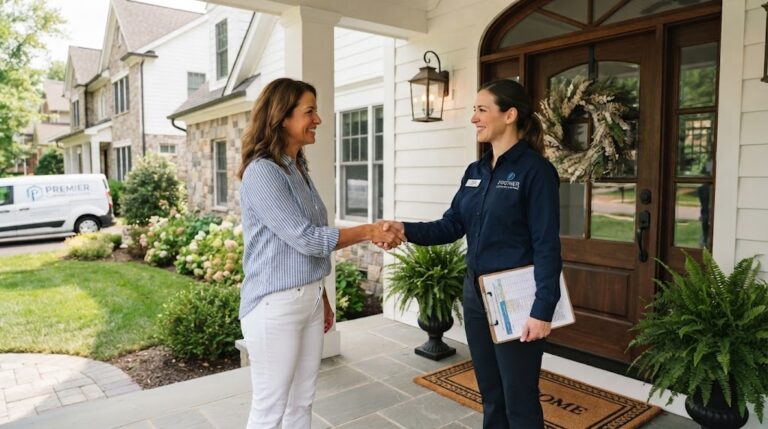
Professional heating engineers help homeowners maintain, repair, and install heating equipment to ensure reliable performance. From fixing a malfunctioning furnace to upgrading an outdated heating system, experienced specialists can make a significant difference.
The term heating engineers is commonly used in the United Kingdom for professionals who handle heating installations, boiler repairs, and gas system maintenance. In the United States, similar professionals are usually called HVAC technicians or heating contractors.
Understanding their services, qualifications, and responsibilities can help you make better decisions about your home’s heating needs.
This guide explains what heating professionals do, when to hire them, how to choose a reliable contractor, and ways to improve your home’s heating efficiency.
What Do Heating Engineers Do?
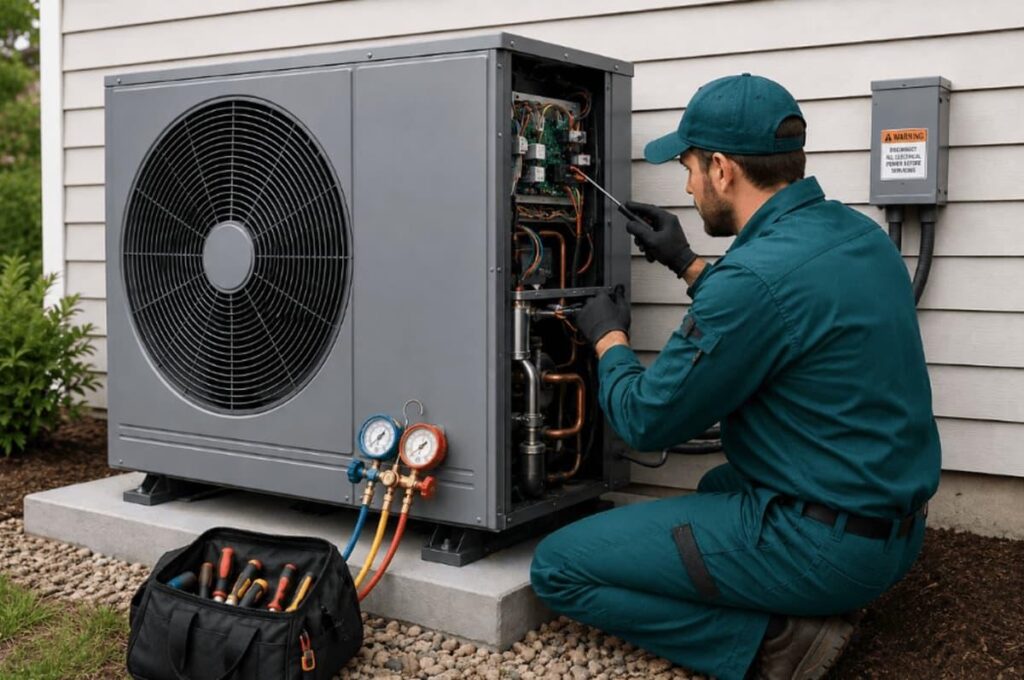
Heating engineers are trained professionals who work with residential and commercial heating systems. Their primary responsibility is to ensure that heating equipment operates safely, efficiently, and reliably.
They understand how different heating technologies function and can identify problems that may not be obvious to homeowners.
Understanding Their Main Responsibilities

Professional heating specialists handle various tasks, including furnace installation, heating system repairs, routine inspections, boiler maintenance, and equipment replacement.
They also diagnose unusual heating problems, evaluate system performance, and recommend improvements to reduce unnecessary energy consumption.
Some professionals specialize in particular equipment, while others provide comprehensive heating and cooling services.
In the United States, HVAC contractors often handle both heating and air conditioning, making them useful partners for year-round home comfort.
Common Services Provided by Heating Engineers
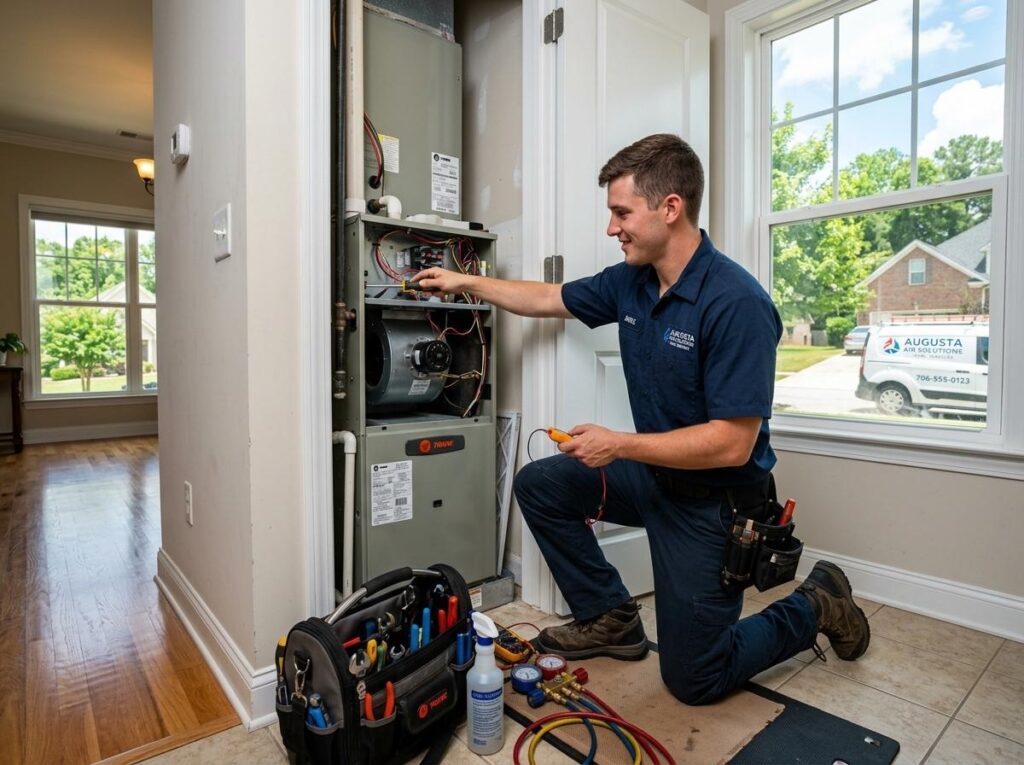
Home heating systems contain mechanical, electrical, and sometimes fuel-burning components. Professional servicing helps these parts operate correctly.
1. Furnace Repair and Troubleshooting
A malfunctioning furnace can create uncomfortable indoor temperatures and disrupt daily routines.
Common problems include faulty thermostats, ignition failures, dirty filters, blower motor issues, and insufficient airflow.
Experienced heating engineers use diagnostic equipment to identify the underlying problem before recommending repairs.
Professional furnace repair services can help restore consistent heating while reducing the likelihood of repeated breakdowns.
2. Heating System Installation
Installing a new heating system requires technical knowledge and careful planning.
Contractors evaluate your home’s square footage, insulation, layout, climate, and existing heating equipment before recommending suitable options.
Proper equipment sizing is particularly important.
An oversized heating system may frequently turn on and off, while an undersized system can struggle to maintain comfortable indoor temperatures.
According to ENERGY STAR’s HVAC installation guidance, correct system sizing and airflow are essential for effective performance.
3. Preventive Heating Maintenance
Regular maintenance keeps heating equipment in better operating condition.
During a professional inspection, technicians may examine electrical connections, inspect safety controls, clean components, evaluate airflow, and check overall performance.
Annual inspections are generally recommended for residential heating equipment.
Preventive maintenance also gives technicians an opportunity to identify worn components before they cause unexpected failures.
4. Boiler Repair and Servicing
Some American homes rely on boilers rather than forced-air furnaces.
Boilers heat water to supply radiators, baseboard heaters, or radiant floor heating systems.
Heating specialists can diagnose circulation problems, leaking components, unusual noises, and inconsistent heat distribution.
Gas- and oil-fired boilers also require appropriate combustion and ventilation safety checks.
5. Heat Pump Installation and Repair
Heat pumps have become an increasingly important option for American homeowners seeking efficient heating and cooling.
Unlike traditional fuel-burning systems, heat pumps transfer heat between indoor and outdoor environments.
Qualified HVAC technicians can install, maintain, and troubleshoot these systems while helping homeowners determine whether they are suitable for local weather conditions.
Why Hiring Professional Heating Engineers Matters
Some home maintenance tasks are simple enough to complete independently. However, complex heating repairs require professional expertise.
Improved Home Safety
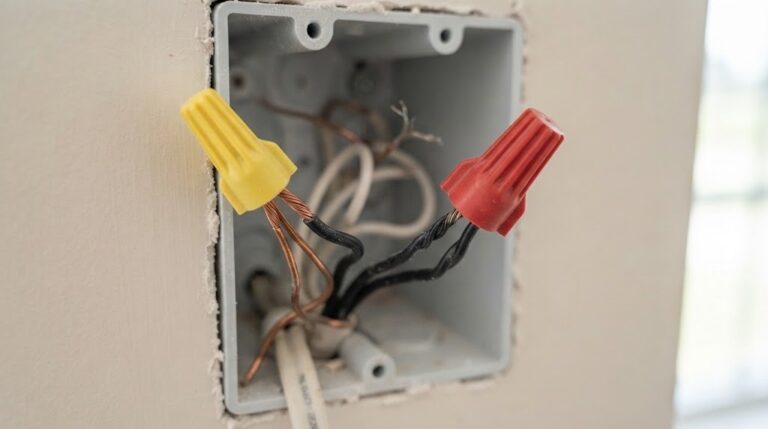
Heating equipment may involve electrical wiring, gas connections, combustion systems, and ventilation components.
Incorrect repairs can create serious safety hazards.
Qualified contractors understand applicable safety requirements and use appropriate testing procedures to identify potential problems.
Better Energy Efficiency
A poorly maintained heating system may consume more energy than necessary.
Restricted airflow, malfunctioning controls, and damaged components can all affect heating performance.
Professional servicing helps equipment operate closer to its intended efficiency, although actual energy savings depend on the system’s condition.
Longer Equipment Lifespan
Heating systems are significant household investments.
Regular inspections and timely repairs can reduce unnecessary strain on major components.
Although maintenance cannot prevent every breakdown, it can help homeowners avoid some preventable failures and make informed replacement decisions.
Signs You Need Professional Heating Repair
Knowing when to contact a heating specialist can prevent a minor problem from becoming a major inconvenience.
Uneven Heating Throughout Your Home
If certain rooms remain cold while others become excessively warm, your system may have airflow, ductwork, thermostat, or distribution problems.
A heating technician can investigate the cause and recommend appropriate solutions.
Unusual Noises
Banging, rattling, grinding, and persistent squealing should not be ignored.
These sounds may indicate loose components, mechanical wear, or other equipment problems.
Unexpected Energy Bill Increases
A sudden increase in energy consumption without a corresponding change in weather or usage may indicate reduced system efficiency.
Professional inspections can help determine whether the heating equipment is responsible.
Frequent System Cycling
A furnace that repeatedly starts and stops may have problems involving airflow, controls, equipment sizing, or other components.
Repeated cycling can affect indoor comfort and place additional strain on the equipment.
Insufficient Heating
If your heating system runs continuously but fails to maintain the desired temperature, professional troubleshooting is advisable.
The problem could involve several components, making an accurate diagnosis important.
How to Choose Reliable Heating Engineers in the USA
Finding the right heating contractor involves more than selecting the first company appearing in search results.
Consider the following factors before scheduling a service appointment.
Verify Licensing and Insurance
HVAC licensing requirements vary by state and locality.
Ask whether the contractor holds the licenses required for the specific work and location.
Also confirm that the company carries appropriate liability insurance and workers’ compensation coverage where required.
For work involving regulated refrigerants, technicians must meet applicable EPA Section 608 certification requirements.
Evaluate Experience and Specialization
Look for professionals with experience servicing your particular heating system.
A contractor specializing in gas furnaces may have different expertise from someone focused on geothermal heat pumps or hydronic boilers.
Relevant experience improves the chances of accurate troubleshooting and suitable recommendations.
Read Customer Reviews
Online reviews can provide useful information about service quality, punctuality, communication, and professionalism.
Examine reviews from several sources rather than relying on a single rating.
Pay attention to how companies respond to complaints and whether recurring customer concerns appear.
Request Written Estimates
Before approving major work, ask for an itemized estimate describing labor, equipment, materials, and potential additional charges.
For replacement projects, compare equipment specifications, efficiency ratings, warranties, and installation details.
A slightly more expensive proposal may offer better long-term value when it includes appropriate equipment and thorough installation procedures.
Ask About Guarantees
Reliable contractors should explain their workmanship warranties and the manufacturer’s equipment warranty.
Clarify which repairs are covered, how long coverage lasts, and whether regular maintenance is required to maintain warranty eligibility.
Types of Heating Systems Used in American Homes
Understanding your existing equipment helps you communicate effectively with heating engineers.
Gas Furnaces
Natural gas furnaces are commonly used in American homes.
They generate heat through controlled fuel combustion and distribute warm air through ductwork.
Regular servicing is important for efficiency, ventilation, and combustion safety.
Electric Furnaces
Electric furnaces use electrical heating elements to warm indoor air.
They avoid on-site fuel combustion but may have higher operating costs than heat pumps, depending on electricity rates and climate.
Heat Pumps
Heat pumps provide both heating and cooling.
According to the U.S. Department of Energy, modern heat pumps can operate efficiently across a wide range of climates.
Cold-climate models are specifically designed to provide effective heating in lower outdoor temperatures.
Boilers and Radiant Heating
Boiler-based systems circulate heated water or steam through pipes.
They are frequently found in older properties and homes with radiant floor heating.
Choosing the most suitable system depends on climate, home design, available energy sources, installation costs, and personal preferences.
How Much Do Heating Engineers Charge?
Heating service costs vary considerably across the United States.
Several factors influence the final price, including geographic location, equipment type, repair complexity, replacement parts, and labor requirements.
Routine maintenance generally costs less than replacing major components or installing an entirely new system.
Emergency appointments outside normal business hours may also involve additional charges.
Before hiring a contractor, request a clear explanation of the diagnostic fee, labor rates, and expected repair costs.
When comparing replacement quotes, consider long-term energy consumption alongside the initial investment.
The cheapest installation is not necessarily the most economical choice over the equipment’s lifetime.
What to Expect During a Professional Heating Inspection
A heating inspection usually begins with a discussion about the problems you have experienced.
The technician may ask about unusual noises, inconsistent temperatures, recent utility bills, and equipment age.
Next, the professional examines relevant system components.
Depending on the equipment, this may involve checking the thermostat, filters, blower assembly, electrical connections, burners, venting, or heat exchanger.
For heat pumps, technicians may also evaluate refrigerant-related performance and outdoor equipment condition.
After completing the assessment, the contractor should explain the findings and recommend necessary repairs or maintenance.
You should have an opportunity to review the proposed work and pricing before authorizing non-emergency repairs.
Practical Tips to Improve Heating Efficiency
Professional heating engineers can recommend equipment improvements, but homeowners also play an important role in maintaining comfort.
Replace Air Filters When Needed
Dirty filters restrict airflow and may reduce heating performance.
Check filters regularly and replace them according to manufacturer recommendations, system requirements, and actual conditions.
Maintain Clear Airflow
Keep supply registers and return-air grilles free from furniture, rugs, and other obstructions.
Unrestricted airflow helps the heating system distribute warm air more effectively.
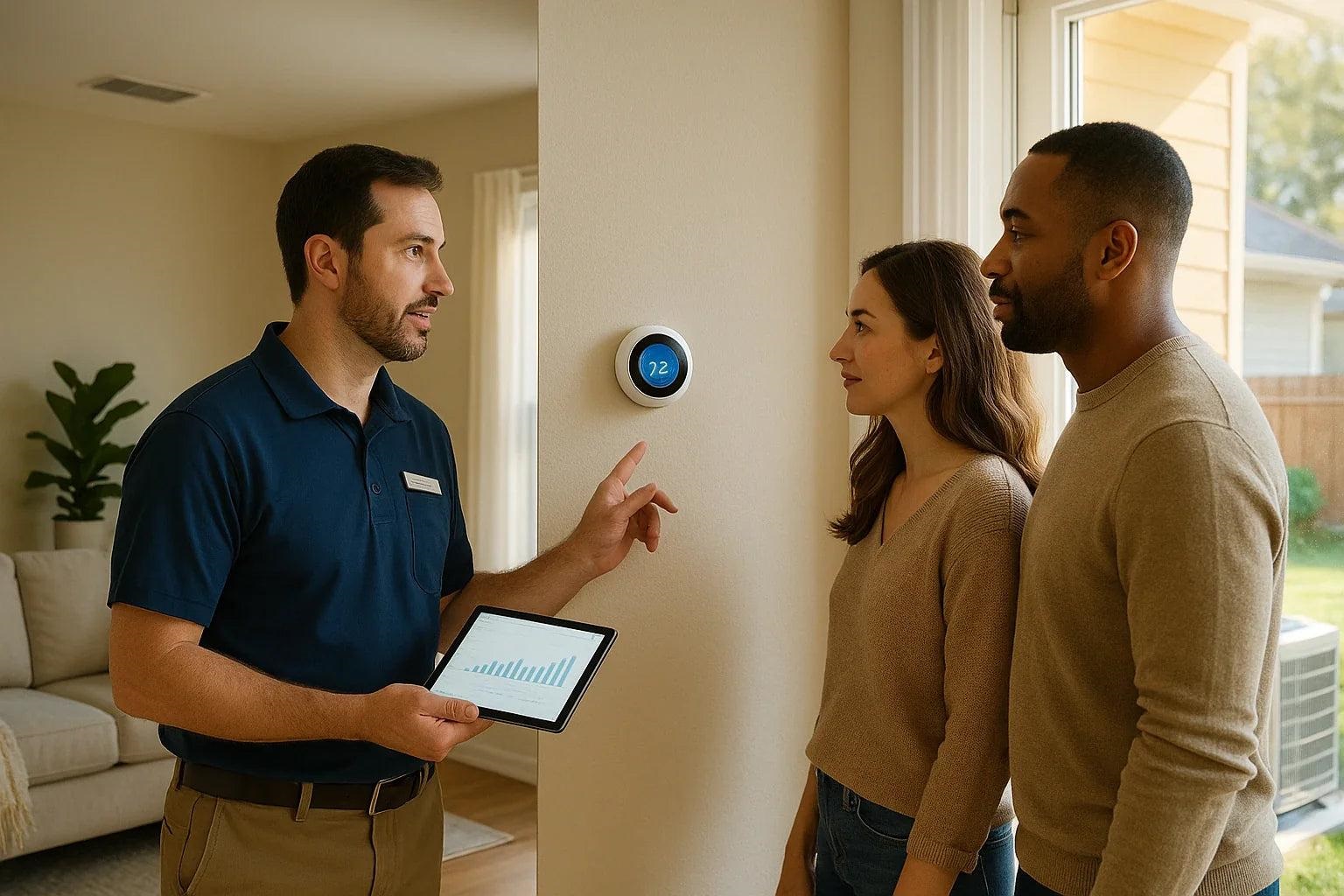
Use a Programmable or Smart Thermostat
A properly configured thermostat can reduce unnecessary heating while your home is unoccupied.
Choose settings appropriate for your heating equipment, household schedule, and comfort requirements.
Improve Insulation and Air Sealing
Even an efficient furnace can struggle in a poorly insulated home.
Sealing air leaks and improving insulation can reduce heat loss and support more consistent indoor temperatures.
Schedule Seasonal Maintenance
Arrange a professional heating inspection before winter whenever possible.
ENERGY STAR recommends annual pre-season HVAC checkups to help maintain reliable system performance.
When Is Emergency Heating Service Necessary?
Some heating problems require immediate professional attention.
A complete heating failure during extremely cold weather can create health and property risks, particularly for vulnerable household members.
Suspected gas leaks and carbon monoxide emergencies require additional precautions.
If you smell gas, leave the building immediately, avoid operating electrical switches or creating ignition sources, and contact your gas utility’s emergency number or 911 from a safe location.
If a carbon monoxide alarm sounds, evacuate immediately and call 911.
Do not attempt to repair gas lines, combustion equipment, or damaged electrical components yourself.
Frequently Asked Questions About Heating Engineers
1. What is the difference between heating engineers and HVAC technicians?
The terms describe closely related occupations. Heating engineers is more commonly used in the UK, while American homeowners generally search for HVAC technicians or heating contractors. In the United States, HVAC professionals frequently service both heating and cooling equipment.
2. How often should I have my heating system serviced?
Most residential heating systems should receive professional maintenance annually. Scheduling an inspection before winter is generally a practical choice. Equipment manufacturers may recommend additional procedures based on system type and usage.
3. Can heating engineers help reduce energy bills?
Yes. Experienced technicians can identify inefficient equipment operation, airflow restrictions, and control problems. They may also recommend better insulation or energy-efficient upgrades. Actual savings depend on the condition of your home and heating system.
4. Should I repair or replace my old furnace?
The decision depends on equipment age, repair costs, efficiency, reliability, and overall condition. If your furnace frequently breaks down or requires expensive repairs, replacement may be more economical. A qualified contractor can compare both options.
5. Are heating engineers qualified to work on gas systems?
Some are, but qualifications must be verified. In the United States, gas-related licensing and authorization requirements vary by jurisdiction. Choose contractors with the necessary credentials and experience for your specific gas equipment.
6. How long does a professional heating inspection take?
Inspection times vary according to equipment complexity, accessibility, and system condition. A routine appointment may take around one to two hours, while extensive diagnostics can require additional time. Ask your contractor for an estimated appointment duration.
Conclusion
A reliable heating system is essential for maintaining comfort, safety, and energy efficiency throughout the colder months.
Professional heating engineers provide valuable services ranging from routine maintenance and furnace repairs to complete heating system installations.
For American homeowners, choosing qualified HVAC professionals with appropriate licenses, relevant experience, and transparent pricing is an important step toward dependable home heating.
Regular inspections, timely repairs, and energy-efficient improvements can help protect your heating equipment and reduce avoidable operating expenses.
Whether you need emergency heating repair or are considering a new system, working with an experienced professional can help you make informed decisions and enjoy a warmer, more comfortable home.

Written by Twastia Editorial Team
Twastia Editorial Team shares practical insights about website design, SEO services, Google Ads, content marketing, social media, conversion rate optimization, and digital marketing strategy.
Last updated: Oct 13, 2026
Related posts from Twastia
Explore more useful articles from twastia.com about digital marketing, SEO, websites, ads, content, and growth strategy.